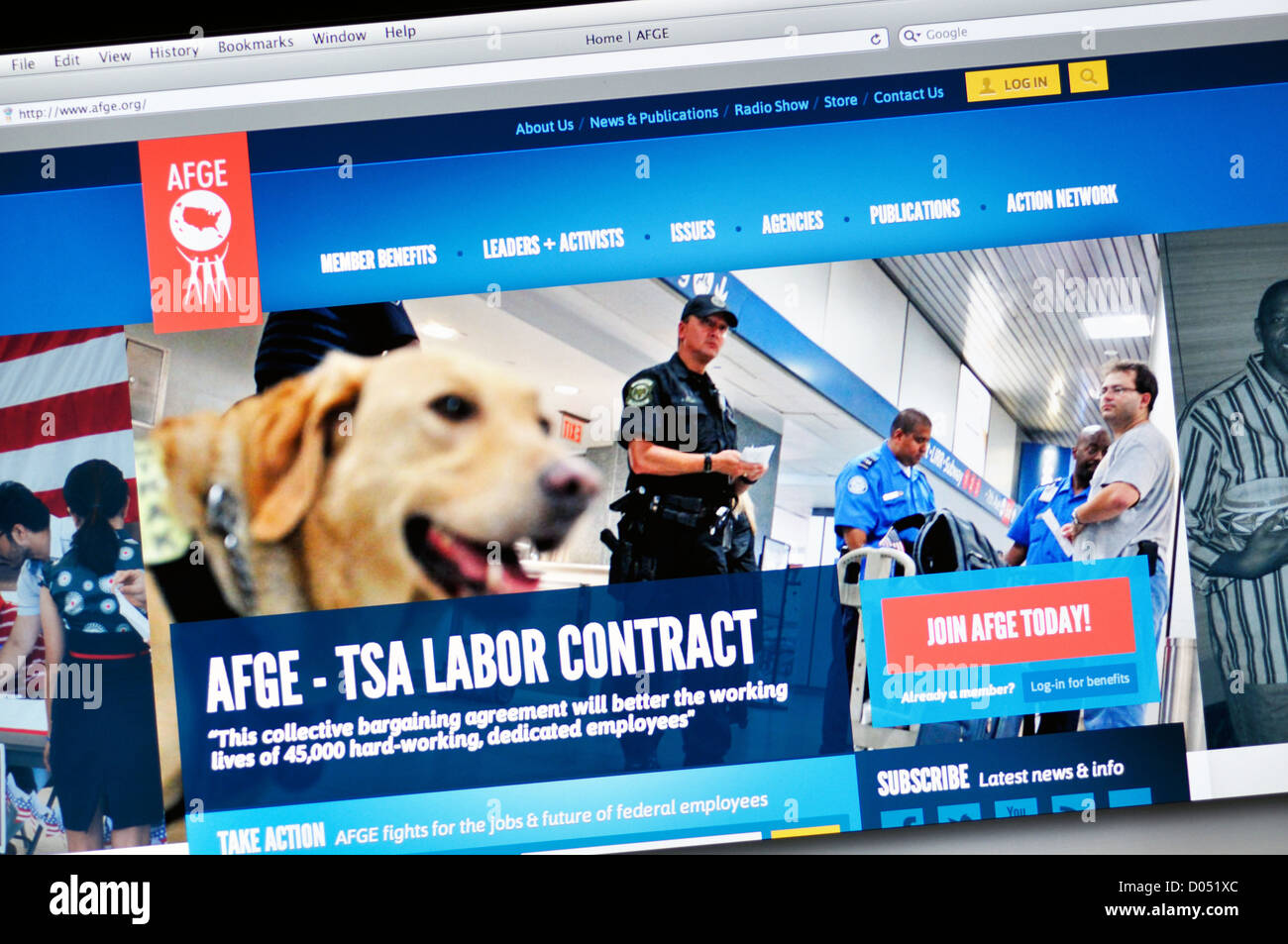
The American Federation of Government Employees (AFGE) provides its members access to supplemental life insurance programs designed to augment coverage beyond standard Federal Employees’ Group Life Insurance (FEGLI). Administered through partnerships with established insurance carriers, these voluntary benefits allow federal workers to tailor coverage amounts, add spousal or dependent protection, and maintain portability if they leave federal service, depending on the specific policy terms.
The Role of Supplemental Coverage for Federal Employees
For most federal employees, the primary source of life insurance is the Federal Employees’ Group Life Insurance (FEGLI) program. While FEGLI is a foundational benefit, it follows a standardized structure that may not meet the specific financial needs of every individual, particularly those with dependents, significant debt, or specific retirement planning goals. The AFGE supplemental life insurance programs are designed to fill these potential gaps.
By offering voluntary group term life insurance, the AFGE allows members to secure additional protection at group-negotiated rates. Unlike some individual policies that require extensive underwriting or medical examinations, these group offerings often feature simplified enrollment processes, especially for new members or during specific open enrollment periods. Understanding the distinction between your base FEGLI coverage and supplemental AFGE offerings is the first step in building a robust financial safety net for your survivors.
Eligibility and Membership Requirements
The primary prerequisite for accessing insurance products facilitated by the AFGE is active membership in the union. The AFGE is the largest federal employee union, and eligibility for its insurance programs is generally restricted to dues-paying members in good standing.
If you are a federal employee, your first step in accessing these benefits is to verify your membership status. Once you are an active member, you gain access to the member-only benefits portal. It is important to note that these insurance products are not automatic; they are voluntary benefits that require an active election through the specific carrier partnered with the AFGE.
Before applying, confirm whether your specific agency or bargaining unit has unique stipulations regarding supplemental insurance. While the AFGE negotiates these plans at a national level, the availability of certain riders or coverage tiers can occasionally vary based on the specific master contract or the carrier’s current underwriting guidelines for the 2026 calendar year.
Distinguishing Between FEGLI and AFGE Supplemental Insurance
A common source of confusion for federal employees is the difference between the government-sponsored FEGLI and the union-provided supplemental insurance.
| Feature | FEGLI (Government) | AFGE Supplemental |
|---|---|---|
| Provider | OPM / OFEGLI | Third-party insurance carrier |
| Premium Structure | Age-banded, automatic payroll deduction | Group rates, often fixed or tiered |
| Portability | Limited (must meet OPM criteria) | Usually portable upon separation |
| Eligibility | All federal employees (mostly) | Dues-paying AFGE members |
| Underwriting | Limited medical questions | May vary; often "Guaranteed Issue" windows |
The key takeaway is that FEGLI is an employer-provided benefit that is inherently tied to your federal employment status. In contrast, AFGE-sponsored plans act as a private supplement. This provides a crucial layer of flexibility, as these policies are often designed to remain in force even if you transition to the private sector, provided you maintain your membership or convert the policy to an individual plan.
The Application and Enrollment Process
Securing life insurance through the AFGE generally involves navigating a portal provided by the union’s insurance partner. In 2026, most enrollment processes have shifted toward digital-first interactions, prioritizing speed and transparency.
- Verify Member Status: Ensure your union dues are current. You will need your member ID or relevant credentials to log into the AFGE member benefit portal.
- Assess Coverage Needs: Before selecting a policy, use a life insurance calculator to determine how much coverage you truly need. Consider outstanding mortgage debt, education costs for dependents, and funeral expenses.
- Review the Summary of Benefits: Each policy comes with a "Summary of Benefits" or "Certificate of Coverage." Review this document carefully for exclusions, suicide clauses, or contestability periods where the insurer may investigate claims.
- Complete the Enrollment Form: You will likely need to designate beneficiaries. Ensure this information is accurate, as beneficiary designations on your AFGE policy are independent of any designations made on your SF-2823 (FEGLI) form.
- Confirmation: Once your application is processed, you will receive a certificate of insurance. Retain this document in your personal financial files.
Key Considerations for Policy Maintenance
Once you have secured an AFGE life insurance policy, your responsibilities shift to maintenance and periodic review. Life insurance is not a "set-it-and-forget-it" financial product. Major life events—such as marriage, divorce, the birth of a child, or the purchase of a home—should trigger a review of your coverage levels.
Beneficiary Management
One of the most frequent errors policyholders make is failing to update beneficiaries. Life insurance payouts generally follow the beneficiary designation on file, regardless of what is stated in a will. If you have experienced a major life transition, log into the carrier's portal to ensure your beneficiary information reflects your current wishes.
Premium Payments
For most union-sponsored plans, premiums are handled via automatic payroll deduction or electronic funds transfer. Ensure that your account information remains up to date. If you change agencies, move to a different payroll system, or retire, you must communicate with both the union and the insurance carrier to ensure that premium payments do not lapse. A lapsed policy can result in the loss of coverage, and reinstating it may require a new medical examination.
Portability and Conversion
One of the primary benefits of supplemental plans is the ability to maintain coverage after leaving federal service. If you are planning to retire or resign in 2026, contact the insurance carrier at least 60 days before your departure. Ask about "portability" (keeping the group rate) versus "conversion" (switching to an individual policy). These are legally distinct processes with different cost structures.
Frequently Asked Questions
Can I get AFGE life insurance if I am retired? Eligibility depends on whether you maintain your retiree membership status with the AFGE. If you were enrolled in a supplemental plan while active, there are often provisions to keep that coverage into retirement, but you must reach out to the carrier to verify the specific terms of your policy.
Is medical underwriting required? Many AFGE-sponsored plans offer "Guaranteed Issue" during specific enrollment windows or when you first join the union. This means you can obtain coverage without answering medical questions. However, if you apply for coverage levels above the guaranteed amount, you will likely need to provide "Evidence of Insurability," which may include a health questionnaire or medical records.
Does this insurance replace my FEGLI? No. AFGE life insurance is designed to be supplemental. You should generally view your federal benefits as the foundation and the union-sponsored policy as a tool to cover specific, additional needs that exceed the limits or structure of FEGLI.
What happens if I stop paying union dues? Typically, access to member-only insurance plans is contingent upon maintaining active membership. If you cease your membership, you may be ineligible to continue the policy at the group rate, or the carrier may terminate the coverage entirely. Always check the specific bylaws of the policy regarding membership requirements.
Can I cover my spouse or children? Most AFGE insurance programs include options for "Dependent Life Insurance." These riders allow you to add coverage for a spouse or children at a lower cost than individual policies for those family members. Ensure you verify the eligibility criteria, as there are often age limits for children and specific definitions of "spouse" required by the policy.
Strategic Next Steps
If you are currently evaluating your life insurance coverage, the most effective next step is to obtain your latest "Personal Benefits Statement" from your agency’s HR portal to see exactly what FEGLI coverage you currently carry. Once you have those figures, visit the official AFGE member benefits website to compare their current supplemental offerings for 2026.
Do not rush into an enrollment. Take the time to understand the cost-to-benefit ratio, and if you have questions regarding the fine print of a policy, contact the insurance carrier’s customer service department directly. Remember that while the union facilitates these plans, the contract is between you and the insurance company. Professional financial planning is highly recommended if you have complex assets or significant estate planning needs, as life insurance is merely one component of a broader financial strategy.