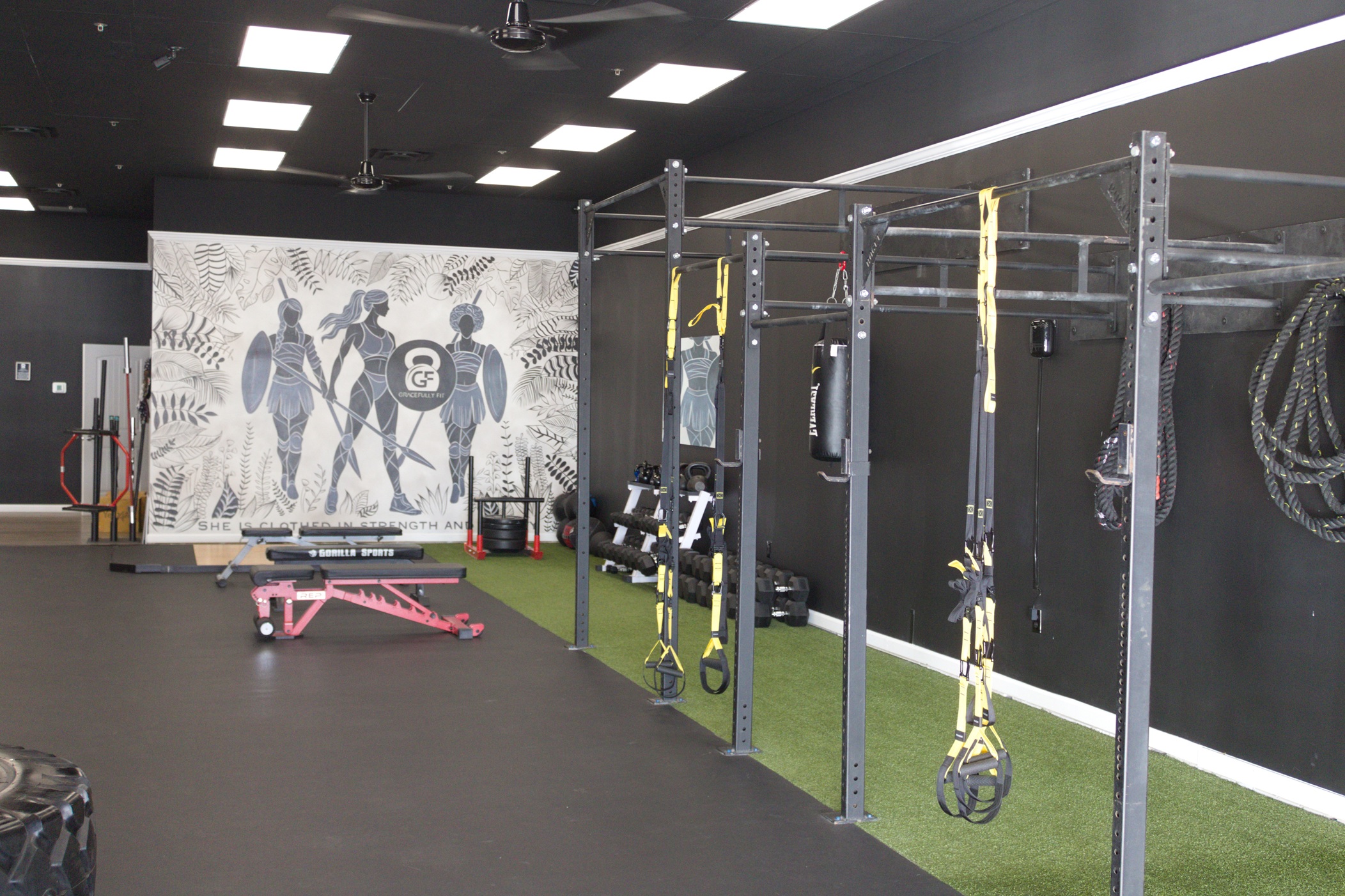
The modern American fitness woman thrives in community training by leveraging collective accountability, expert-led programming, and the psychological benefits of social cohesion. This environment fosters consistent performance through the Köhler effect, where individuals work harder in groups, while providing a vital "third place" for social connection and mental well-being in 2026.
The Evolution of the "Third Place" in 2026 American Wellness
In 2026, the concept of the "third place"—a social environment separate from the two usual social environments of home ("first place") and the office ("second place")—has found its most potent expression in the fitness community. For the American fitness woman, the local gym, CrossFit box, or boutique HIIT studio is no longer just a place to sweat; it is a primary hub for social networking, emotional support, and shared identity.
The shift toward community-based training has been accelerated by the persistence of hybrid work models. As many professional women continue to spend significant portions of their week working from home, the isolation of the digital workspace is countered by the high-energy, high-touch environment of group fitness. These spaces offer a structured way to regain the physical presence and communal interaction that were once inherent to the traditional office, but with the added focus on health and longevity.
Community training provides a level of psychological safety and belonging that solo gym-going often lacks. In these environments, women are not just anonymous participants on a treadmill; they are members of a "tribe" with shared goals. This sense of belonging is a powerful driver of retention. Data from the American Council on Exercise (ACE) suggests that individuals who participate in group-based programs are significantly more likely to maintain their fitness routines over a 12-month period compared to those training in isolation.
Psychological Drivers: Why Women Push Harder Together
The success of the American fitness woman in communal settings is deeply rooted in social psychology. One of the primary drivers is the Köhler effect, a phenomenon where a person works harder as a member of a group than they would when working alone. This is particularly prevalent in women’s fitness communities, where the desire to contribute to the group’s energy or to avoid being the "weakest link" leads to greater physical output and endurance.
The Power of Social Accountability
Social accountability is the backbone of community training. When a woman joins a local training collective, her absence is noticed. This "positive pressure" acts as a deterrent to the common pitfalls of solo training, such as skipping sessions due to low motivation or fatigue. In 2026, this accountability is often bolstered by digital integration. Members often share their "PRs" (personal records) or class attendance on localized apps, creating a loop of positive reinforcement and visibility.
Endorphins and Social Bonding
There is also a neurobiological component to thriving in these groups. Synchronous movement—doing the same exercise at the same time as others—has been shown to increase the release of endorphins beyond what is achieved through exercise alone. For women, this often triggers a "tend-and-befriend" stress response, which prioritizes social connection as a way to manage physical exertion. This leads to higher pain tolerance during difficult intervals and a greater sense of euphoria post-workout, reinforcing the habit loop.
Exploring the Landscape of Community-Based Fitness
The term "community training" encompasses several distinct modalities that have matured significantly by 2026. Each offers unique benefits tailored to different goals, from raw strength to cardiovascular endurance and flexibility.
Functional Fitness and CrossFit
CrossFit remains a dominant force in the American landscape because it prioritizes the "community" aspect as much as the "fitness" aspect. For women, these environments often challenge traditional gender norms regarding strength. The emphasis is on what the body can do rather than just how it looks. The "WOD" (Workout of the Day) serves as a shared trial, creating immediate bonds between participants who have endured the same high-intensity challenge.
Boutique HIIT and Performance Studios
Studios like OrangeTheory, F45, and various independent HIIT (High-Intensity Interval Training) collectives offer a more curated, data-driven community experience. In 2026, these studios utilize advanced biometrics displayed on communal screens, allowing participants to see how their heart rate and effort levels align with the group. This transparency fosters a competitive yet supportive atmosphere where the American fitness woman can benchmark her progress against her peers in real-time.
Mind-Body Collectives: Yoga and Pilates
While often lower in intensity than a CrossFit WOD, yoga and Pilates communities provide a different kind of thriving environment. These spaces focus on "collective mindfulness." The shared silence and synchronized breath in a packed yoga studio create a profound sense of unity. For the busy American professional or mother, these communities offer a sanctuary where the focus shifts to internal awareness and structural health, supported by the quiet energy of the group.
Tangible Benefits of Group Dynamics for Women's Health
Beyond the social and psychological perks, the American fitness woman gains specific physiological advantages from community training. Professional coaching—a staple of these environments—ensures that intensity is matched with proper technique, reducing the risk of injury that often plagues solo lifters.
- Structured Progression: Community programs are typically designed by experts using periodization. This ensures that participants are not just "working out" but are following a long-term plan that leads to measurable gains in strength and aerobic capacity.
- Diverse Stimuli: Group classes often introduce variety that individuals might avoid on their own. A woman might be comfortable on a stationary bike but hesitant to pick up a barbell; in a community setting, the group's momentum encourages her to try new modalities, leading to a more well-rounded physical profile.
- Hormonal Regulation: Regular high-intensity group exercise can help in managing cortisol levels and improving insulin sensitivity. The social support inherent in these groups also aids in reducing chronic stress, which is a significant factor in women's hormonal health.
Comparison of American Community Training Modalities (2026)
The following table compares the primary community training options available to women in the United States, based on 2026 market trends and program structures.
| Modality | Primary Focus | Social Intensity | Technical Difficulty | Typical Monthly Cost (USD) |
|---|---|---|---|---|
| CrossFit | Functional Strength | Very High | High | $150 – $250 |
| Boutique HIIT | Cardiovascular Health | High | Moderate | $160 – $200 |
| Yoga/Pilates | Flexibility & Core | Moderate | Moderate to High | $120 – $180 |
| Running Clubs | Endurance | High | Low | $0 – $50 |
| Hybrid Studios | Strength & Longevity | Moderate | Moderate | $180 – $220 |
Navigating the Selection Process: Finding Your Training Home
For a woman looking to thrive in a community setting, the "vibe" of the gym is often as important as the equipment. To find the right fit in 2026, one should consider several factors beyond mere proximity.
Assessing the Culture
Every community has a "culture." Some are intensely competitive and performance-oriented, while others are more focused on "lifestyle" and general wellness. Before committing to a membership, it is advisable to take advantage of trial classes. Observe the interactions: Do members talk to each other before and after class? Does the coach provide individual corrections within the group setting? A thriving environment is one where the coaches know your name and your specific physical limitations.
Verifying Coaching Credentials
As the fitness industry has expanded, so has the variety of certifications. A reputable community training facility should employ coaches certified by recognized bodies such as the National Academy of Sports Medicine (NASM) or the National Strength and Conditioning Association (NSCA). In 2026, many top-tier studios also require coaches to have specialized training in women’s physiology, covering topics like pre- and post-natal fitness and the impact of the menstrual cycle on training performance.
Overcoming Common Barriers to Entry
Despite the benefits, many women face barriers when entering a community training environment. Addressing these head-on is essential for long-term success.
- Gym Intimidation: The fear of being "not fit enough" to start is common. However, the hallmark of a truly successful community is scalability. Every movement, from a pull-up to a power clean, can be modified to the participant's current ability level.
- Time Constraints: American women often balance demanding careers with family responsibilities. Many community gyms in 2026 offer "express" 30-to-45-minute sessions or early morning classes (5:00 AM) to accommodate these schedules.
- Cost: While community training is more expensive than a "big box" gym membership, it should be viewed as an investment in personal coaching and health insurance. Many women find they can offset the cost by eliminating unused subscriptions or solo training apps that don't provide results.
The Role of Technology in 2026 Community Training
Technology in 2026 acts as a bridge rather than a barrier. Wearable devices now sync directly with studio "leaderboards," but the focus has shifted from pure competition to "personal bests within a community context." Apps like Strava or studio-specific platforms allow women to stay connected to their training partners even when they aren't in the gym, fostering a 24/7 community feel.
Furthermore, many communities now offer "hybrid" options. If a member is traveling for work, they can join the live-streamed version of the class from their hotel room, maintaining their streak and staying visible to their coaches and friends. This flexibility ensures that the "thriving" doesn't stop when life gets busy.
FAQ: Community Training for Women
What makes community training different from a regular gym?
Community training focuses on group-based, coach-led workouts where social interaction is a core component of the experience. Unlike a traditional gym where you work out solo on machines, community training involves shared programming, collective goals, and a high level of accountability from both coaches and fellow members.
Is community training suitable for beginners?
Yes. Most reputable community training programs (like CrossFit or HIIT studios) utilize "scaling" or "modifications." This means the coach will adjust the intensity, weight, or complexity of an exercise to match your current fitness level, ensuring you can participate safely alongside more experienced athletes.
How often should I participate in community training classes?
For most women, 3 to 4 sessions per week provide an optimal balance of stimulus and recovery. The Centers for Disease Control and Prevention (CDC) recommends at least 150 minutes of moderate-intensity aerobic activity plus muscle-strengthening activities at least twice a week, which aligns well with a standard community training schedule.
Can community training help with mental health?
Significantly. The combination of physical exercise and social connection is a powerful tool against anxiety and depression. The sense of belonging and the "dopamine hit" from shared achievements can improve mood and resilience, providing a mental break from daily stressors.
Are these programs safe for women with specific health concerns?
Generally, yes, provided you communicate with the coach. Many community trainers in 2026 are educated in female-specific health issues. However, if you have a chronic condition, you should consult a healthcare provider and ensure the gym you choose has coaches qualified to handle your specific needs, such as orthopedic limitations or cardiovascular concerns.
Practical Recommendations for Next Actions
To begin thriving in a community training environment, follow these steps:
- Audit Your Goals: Determine if you are looking for strength, weight loss, stress relief, or social connection. This will dictate whether you look for a CrossFit box, a Pilates studio, or a HIIT club.
- Research Local Options: Use platforms like Google Maps or specialized fitness apps to find studios with high ratings and positive testimonials from other women.
- Schedule a "No-Sweat" Intro: Many 2026 fitness facilities offer a free consultation to discuss your goals and injuries before you ever pick up a weight.
- Commit to a Trial Month: One class isn't enough to feel the community effect. Commit to a 30-day trial to experience the full cycle of programming and social integration.
- Engage with the Group: Don't just show up and leave. Introduce yourself to the person next to you and participate in the gym’s social events or digital groups to maximize the "thriving" potential of the community.