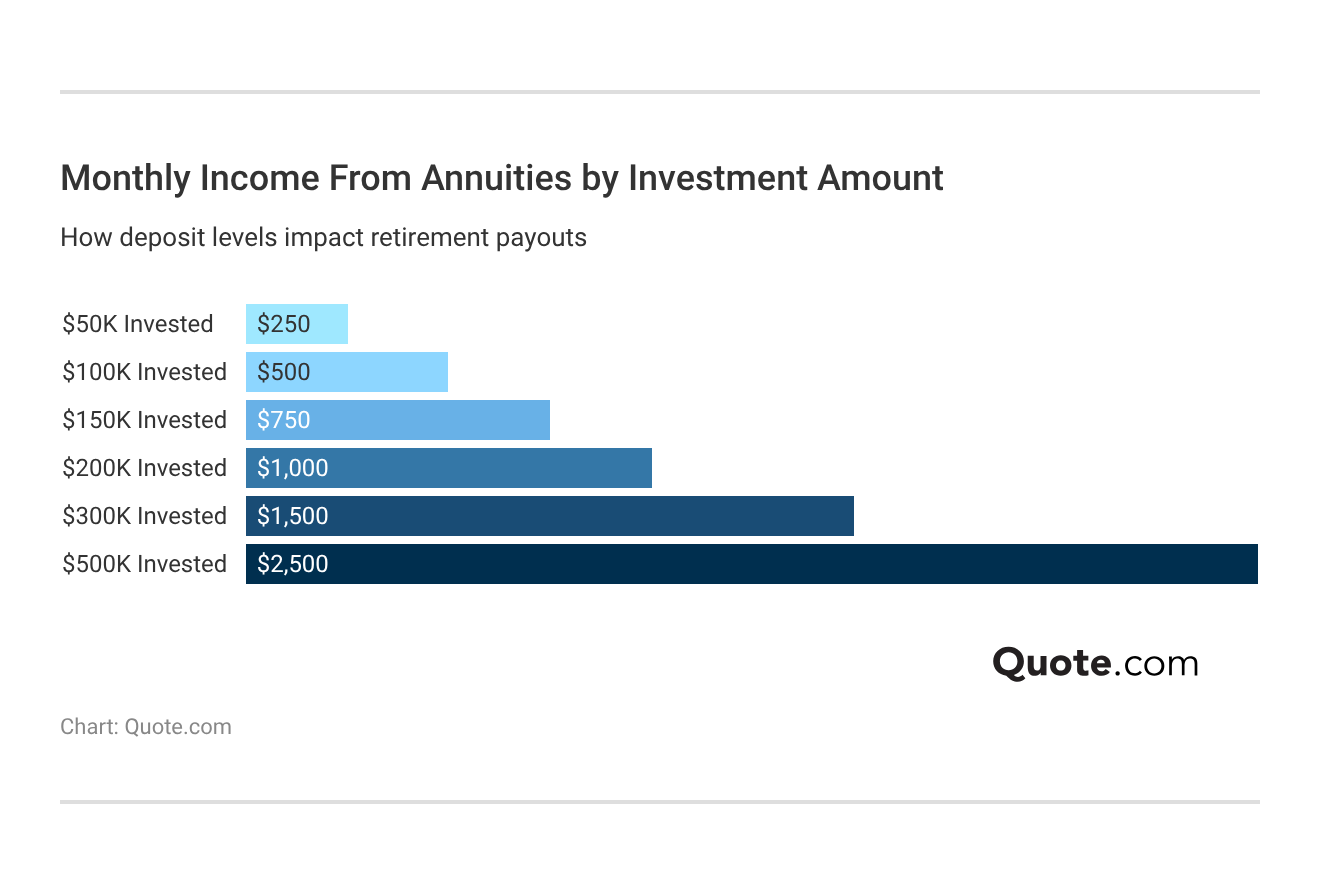
Using an annuity to fund life insurance for burial involves leveraging a lump sum of cash to create a guaranteed stream of income that pays the premiums of a final expense policy. This strategy ensures that funeral costs are covered without draining a senior’s monthly budget, while often providing a death benefit larger than the initial investment.
Final arrangements in 2026 require more than just emotional preparation; they demand a robust financial strategy. As the average cost of a traditional funeral with burial continues to hover between $12,000 and $16,000, many individuals find themselves searching for a reliable way to insulate their families from these rising expenses. Two primary financial instruments—annuities and life insurance—frequently emerge as the leading candidates. However, the most effective solution often involves a sophisticated combination of both.
Understanding how an annuity can interact with or serve as an alternative to life insurance is essential for anyone engaged in legacy planning. This guide explores the mechanics of using an annuity for life insurance to pay for burial, the legal frameworks surrounding these products, and the specific advantages this approach offers in the current economic landscape.
The Mechanics of Using an Annuity to Fund Burial Expenses
At its core, an annuity is a contract between an individual and an insurance company designed to protect against the risk of outliving one’s assets. When applied to burial planning, an annuity can function in two distinct ways: as a direct payment vehicle or as a funding source for a life insurance policy.
Direct Burial Annuities
In some instances, a senior might purchase a specialized "burial annuity." This is typically a single-premium deferred annuity where the primary goal is not long-term growth, but rather the preservation of a specific sum for final expenses. In 2026, these are often structured as Irrevocable Burial Trusts (IBTs). By placing funds into an irrevocable annuity or trust, the assets are generally excluded from Medicaid "spend-down" calculations. This allows the individual to qualify for state assistance for long-term care while ensuring that $15,000 or more is legally protected to pay for their funeral.
The Annuity-to-Life Insurance Strategy
A more leveraged approach involves using a Single Premium Immediate Annuity (SPIA) to fund a permanent life insurance policy. In this scenario, an individual pays a lump sum to an insurance company. The company then issues an annuity that pays out a specific amount every month. That monthly payout is automatically directed to pay the premium on a "Final Expense" or "Burial Insurance" policy.
This strategy is particularly effective for those who have a lump sum of cash—perhaps from the sale of a home or a matured CD—but want to maximize the "death benefit" passed to their heirs. Because life insurance offers a leverage component, a $10,000 annuity might fund a life insurance policy with a $15,000 or $20,000 death benefit, depending on the insured's age and health.
Life Insurance vs. Annuities for Final Expenses
While both products provide financial security, they operate on different mathematical principles. Choosing the right one—or the right combination—requires an understanding of how they treat your capital.
Final Expense Life Insurance (Burial Insurance)
This is typically a whole life insurance policy with a modest face value, usually ranging from $5,000 to $50,000. It is designed to remain in force for the insured's entire life, provided premiums are paid. The primary advantage of life insurance is the instant estate. If you buy a policy today and pass away next month, the full death benefit is paid out, even if you have only made one premium payment.
Annuities for Burial
An annuity does not typically offer the same immediate leverage as life insurance. If you put $10,000 into an annuity and pass away shortly thereafter, your beneficiaries generally receive the $10,000 plus any accrued interest. However, annuities are often easier to obtain for those with severe health issues who might be denied traditional life insurance or who are only eligible for "graded benefit" policies that don't pay the full amount in the first two years.
Comparison of Features in 2026
| Feature | Final Expense Life Insurance | Burial/Medicaid Annuity |
|---|---|---|
| Primary Goal | Immediate leverage for death benefit | Asset protection and income |
| Medical Underwriting | Required (often simplified issue) | None to minimal |
| Medicaid Eligibility | Cash value may count as an asset | Often exempt if irrevocable |
| Tax Treatment | Death benefit is generally tax-free | Interest gains may be taxable |
| Payout Speed | 2-4 weeks after death claim | Can be immediate if tied to a trust |
| Cost | Monthly premiums or single pay | Typically a one-time lump sum |
Medicaid Planning and the Role of Irrevocable Trusts
One of the most technical reasons to use an annuity for burial insurance is to meet the strict asset limits required for Medicaid. As of 2026, most states limit an individual’s "countable assets" to $2,000 or less to qualify for long-term care assistance.
Standard life insurance policies with cash value (like whole life) are usually counted as assets if their face value exceeds a small threshold (often $1,500). If you have a $15,000 burial policy, the government may require you to surrender the policy and spend the cash on your care before Medicaid begins.
To circumvent this, many seniors use an Irrevocable Funeral Trust (IFT) funded by a life insurance policy or an annuity. By making the policy or annuity irrevocable and naming a funeral home or a trust as the owner/beneficiary, the asset is no longer "countable." This ensures the money is there for the burial regardless of the costs of nursing home care. The National Association of Insurance Commissioners (NAIC) provides resources on how these different product types are regulated at the state level to protect consumers.
The Benefits of Combining an Annuity with Life Insurance
Why would someone choose to use an annuity to pay for a life insurance policy instead of just buying the policy directly? The answer lies in cash flow management and asset optimization.
- Eliminating Recurring Bills: For seniors on a fixed income (Social Security or a pension), adding a $100 monthly insurance premium can be a burden. By using a lump sum to purchase an annuity that pays that $100 premium, the individual effectively "pre-pays" the insurance without the risk of the policy lapsing due to a missed payment.
- Tax Efficiency: Under Section 1035 of the Internal Revenue Code, individuals can sometimes exchange existing insurance or annuity contracts for new ones without triggering a taxable event. While using an annuity to pay premiums on a new life policy isn't a 1035 exchange, it allows the individual to keep their core capital in a protected insurance environment.
- Inflation Protection: Some burial annuities or life insurance policies come with an "increasing death benefit" or "participation" feature. This is vital in 2026, as the cost of cemetery plots, caskets, and transportation continues to rise. A policy that grows by 2-3% annually helps ensure that a $15,000 plan today is still sufficient a decade from now.
Standard Costs and Considerations in 2026
When planning for burial, it is important to look at the actual costs associated with the products. In 2026, the premiums for a $15,000 final expense life insurance policy for a 70-year-old non-smoker might range from $80 to $120 per month.
If that same 70-year-old wanted to use an annuity to fund that policy, they would need a lump sum of approximately $12,000 to $15,000, depending on current interest rates and their life expectancy. The insurance company calculates the annuity payout to ensure the life insurance premiums are covered for the duration of the policy.
Hidden Costs and Restrictions
- Surrender Charges: Most annuities have surrender charges if you try to withdraw the bulk of the money early (usually within the first 5-10 years). This is why these are best used as long-term burial solutions.
- Graded Benefits: If you use the annuity to buy a "guaranteed issue" life insurance policy (no health questions), the policy will likely have a two-year graded period. If the insured dies within those two years, the family may only receive a return of premiums plus interest, rather than the full $15,000.
- Inflation Risk: If you purchase a fixed-price pre-need contract through a funeral home using an annuity, ensure the contract is "guaranteed." This means the funeral home agrees to perform the services for the amount in the annuity, regardless of how much prices rise by the time of death.
Practical Steps to Implement a Burial Funding Strategy
Implementing a strategy that uses an annuity for life insurance requires coordination between a financial advisor and an insurance agent familiar with elder law and final expense products.
Step 1: Determine the Required Coverage
Research local funeral costs. In 2026, a "full service" burial includes the professional services of the funeral director, embalming, a casket, a vault, a graveside service, and the plot itself. If you prefer cremation, the costs are significantly lower, often ranging from $2,000 to $6,000.
Step 2: Evaluate Health and Eligibility
If you are in relatively good health, you should prioritize a simplified issue life insurance policy. This will provide the most leverage for your dollar. If you have significant health challenges, an irrevocable annuity or a graded-benefit life insurance policy funded by an annuity may be the only viable options.
Step 3: Choose the Funding Source
Identify where the money will come from. Using "qualified" funds (like an IRA or 401k) to buy an annuity or life insurance has different tax implications than using "non-qualified" cash from a savings account. For detailed information on how Social Security interacts with these burial funds, the Social Security Administration (SSA) offers specific guidelines on burial fund exclusions for SSI recipients.
Step 4: Finalize the Legal Structure
If Medicaid eligibility is a concern, ensure the contract is marked "irrevocable." This usually involves signing a specific amendment that prevents you from cashing out the policy for anything other than funeral expenses.
Frequently Asked Questions
Can I use my existing annuity to pay for a funeral?
Yes. If you have a deferred annuity, you can withdraw funds to pay for a funeral. However, these withdrawals may be subject to income tax on the earnings and, if you are under age 59½, a 10% IRS penalty. A better way is to name the funeral home as a beneficiary or transfer the funds into a dedicated irrevocable burial trust.
Is the death benefit from a burial insurance policy taxable?
Generally, no. Under current federal law in 2026, life insurance death benefits are paid out to beneficiaries tax-free. This is one of the primary advantages of using a life insurance policy rather than a standard bank account or taxable investment to fund a burial.
What happens if the annuity grows to be more than the funeral costs?
If the annuity or life insurance policy is part of an irrevocable trust, any excess funds are usually directed back to the estate or, in some Medicaid cases, to the state to offset the cost of care provided during the individual's life. If it is a standard policy, the remaining cash goes directly to your named beneficiaries.
Can I change my mind after setting up an irrevocable burial annuity?
No. The term "irrevocable" means that the contract cannot be canceled or changed. You cannot "un-fund" it to pay for other emergencies. This is the trade-off required to make the asset exempt for Medicaid purposes.
Does an annuity for burial cover the cost of the cemetery plot?
It depends on how the contract is written. If you use the annuity to fund a life insurance policy, the cash payout can be used for anything, including cemetery plots and headstones. If you are using a "pre-need" contract with a specific funeral home, you must ensure the plot is specifically included in the itemized list of services.
Final Recommendations for Burial Planning
For most individuals in 2026, the most secure way to handle burial expenses is through a permanent life insurance policy because of the immediate death benefit it provides. However, for those with a lump sum of cash who want to automate their monthly premiums or who need to protect assets from Medicaid, using an annuity to fund that life insurance is a superior tactical move.
Before committing to a plan, verify the financial strength rating of the insurance company through agencies like A.M. Best or Demotech. Because burial planning is a long-term commitment, you need an insurer that will remain solvent for decades. Finally, always share the details of your burial annuity or insurance policy with your executor or next of kin to ensure the funds are accessed immediately when the time comes.