Annuities, whole life, and term life insurance are legally binding contracts issued by insurance companies designed to mitigate financial risk. While their primary functions differ—annuities generally provide retirement income whereas life insurance provides a death benefit—they share core similarities including tax-advantaged growth, beneficiary protection, state-level regulatory oversight, and the use of actuarial science to manage long-term financial uncertainty.
The Shared Foundation of Insurance Contracts
At the most fundamental level, annuities, whole life insurance, and term life insurance are all insurance products. In the financial landscape of 2026, this distinction is critical because it dictates how these products are regulated, who can sell them, and the legal protections afforded to the policyholders. Unlike traditional brokerage accounts or bank savings vehicles, these products are contracts between an individual (the owner or policyholder) and an insurance carrier.
The insurance carrier assumes a specific risk in exchange for premium payments. For term and whole life insurance, the carrier assumes the risk of the insured person's premature death (mortality risk). For annuities, the carrier often assumes the risk that the individual will outlive their assets (longevity risk). Despite these different directions of risk, the legal structure remains the same: a promise to pay based on the occurrence of a specific event, backed by the claims-paying ability of the issuing company.
Because they are insurance products, all three are governed by state insurance departments rather than strictly by federal banking or securities laws—though variable products do fall under the purview of the Securities and Exchange Commission (SEC) and the Financial Industry Regulatory Authority (FINRA). This state-level oversight ensures that carriers maintain specific reserve levels to honor their future obligations, providing a layer of security across all three product types.
Risk Mitigation and Financial Security
A primary similarity between these three financial instruments is their role in a comprehensive risk management strategy. While the specific risks addressed are different, the intent is identical: to provide financial certainty in the face of the unknown.
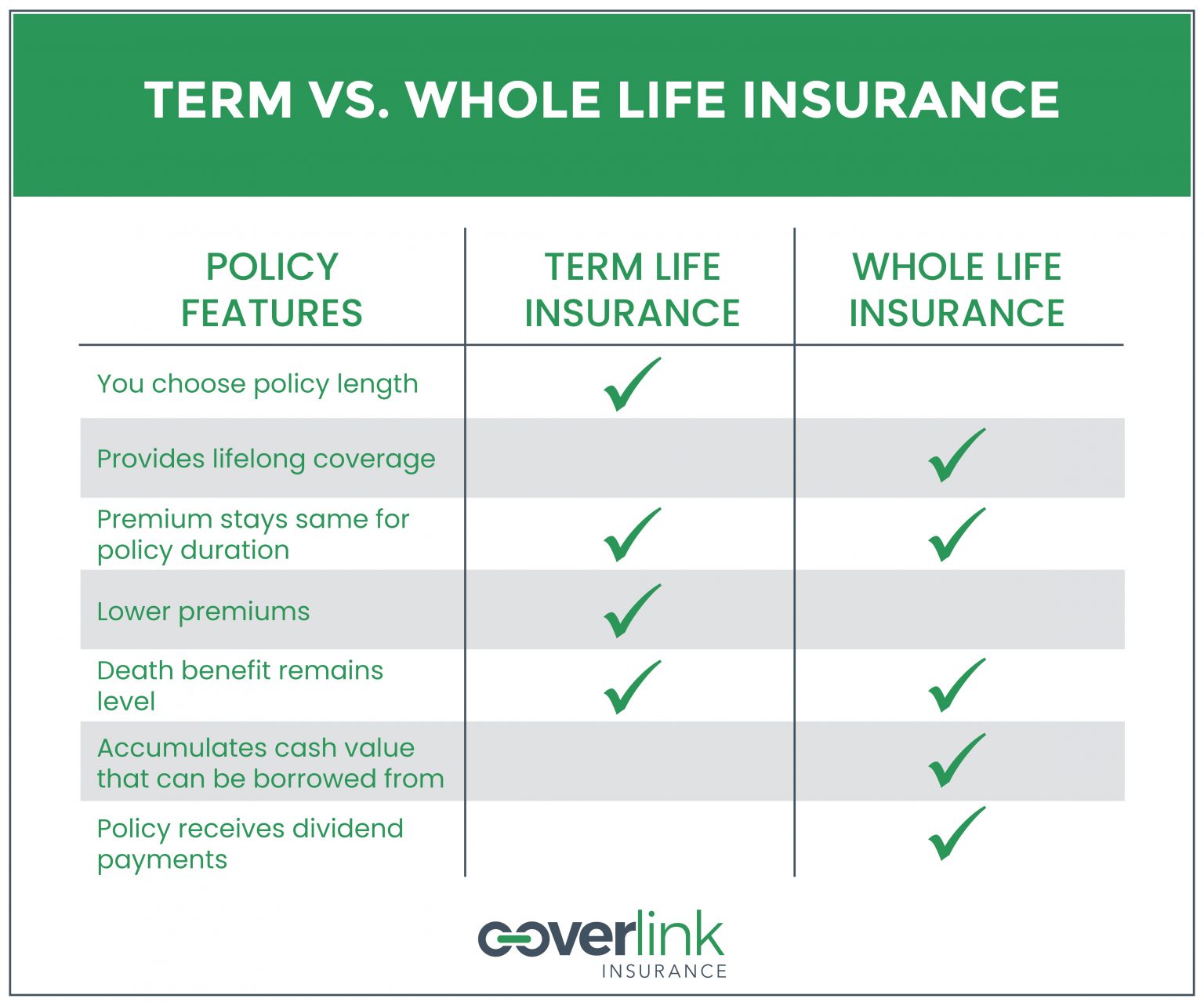
Term life insurance provides a high level of protection for a lower cost, covering a specific "term" or period. It ensures that if the breadwinner passes away, the family can maintain their standard of living. Whole life insurance offers this same protection but adds a "permanent" element, ensuring the benefit is paid regardless of when death occurs, provided premiums are met. Annuities mirror this by providing "income insurance." Just as life insurance protects against the risk of dying too soon, an annuity protects against the risk of living too long.
In 2026, many retirees view annuities as a form of "personal pension." By shifting the burden of investment performance and longevity to the insurance company, the annuity owner gains the same peace of mind that a life insurance policyholder feels knowing their beneficiaries are protected. Both products act as a safety net, allowing individuals to plan their financial futures without the paralyzing fear of catastrophic loss or asset depletion.
Beneficiary Designations and Probate Avoidance
One of the most practical similarities between annuities, whole life, and term life insurance is how they handle the transfer of wealth. All three products allow the owner to name specific beneficiaries. Upon the death of the insured (in life insurance) or the annuitant (in an annuity), the proceeds are paid directly to these named individuals.
This direct payment mechanism allows the assets to bypass probate. Probate is the legal process of validating a will and distributing an estate, which can be time-consuming, public, and expensive. Because insurance contracts are private legal agreements, the death benefit from a term or whole life policy, or the remaining value in an annuity, moves outside of the probate court's jurisdiction.
This feature is a cornerstone of estate planning in 2026. Whether it is a $500,000 term life payout or a $200,000 remaining balance in a fixed indexed annuity, the speed and privacy of the transfer are identical. It ensures that survivors have immediate access to funds for funeral expenses, debt repayment, or ongoing living costs without waiting for the court to settle the broader estate.
Tax-Deferred Growth and Tax Treatment
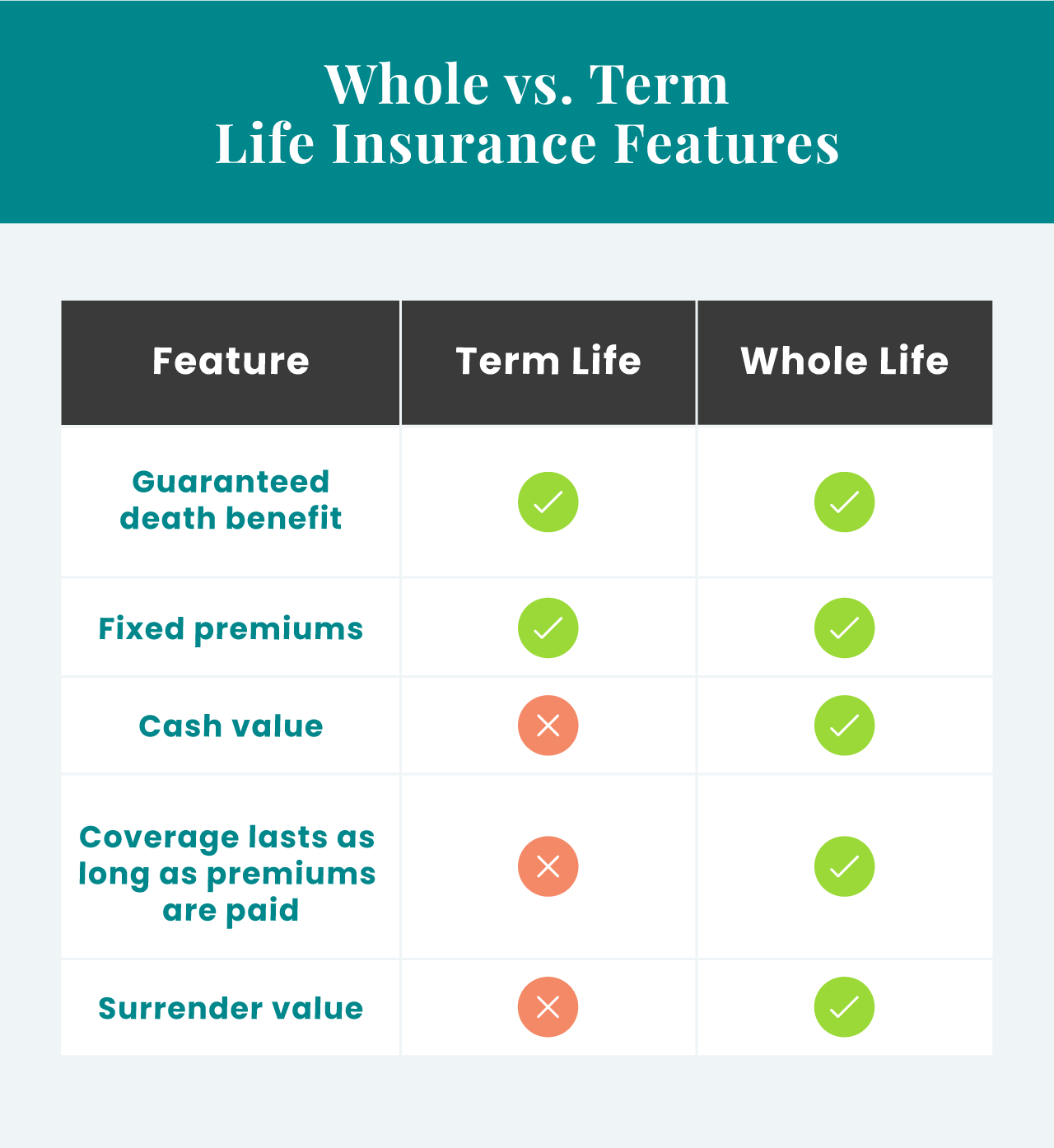
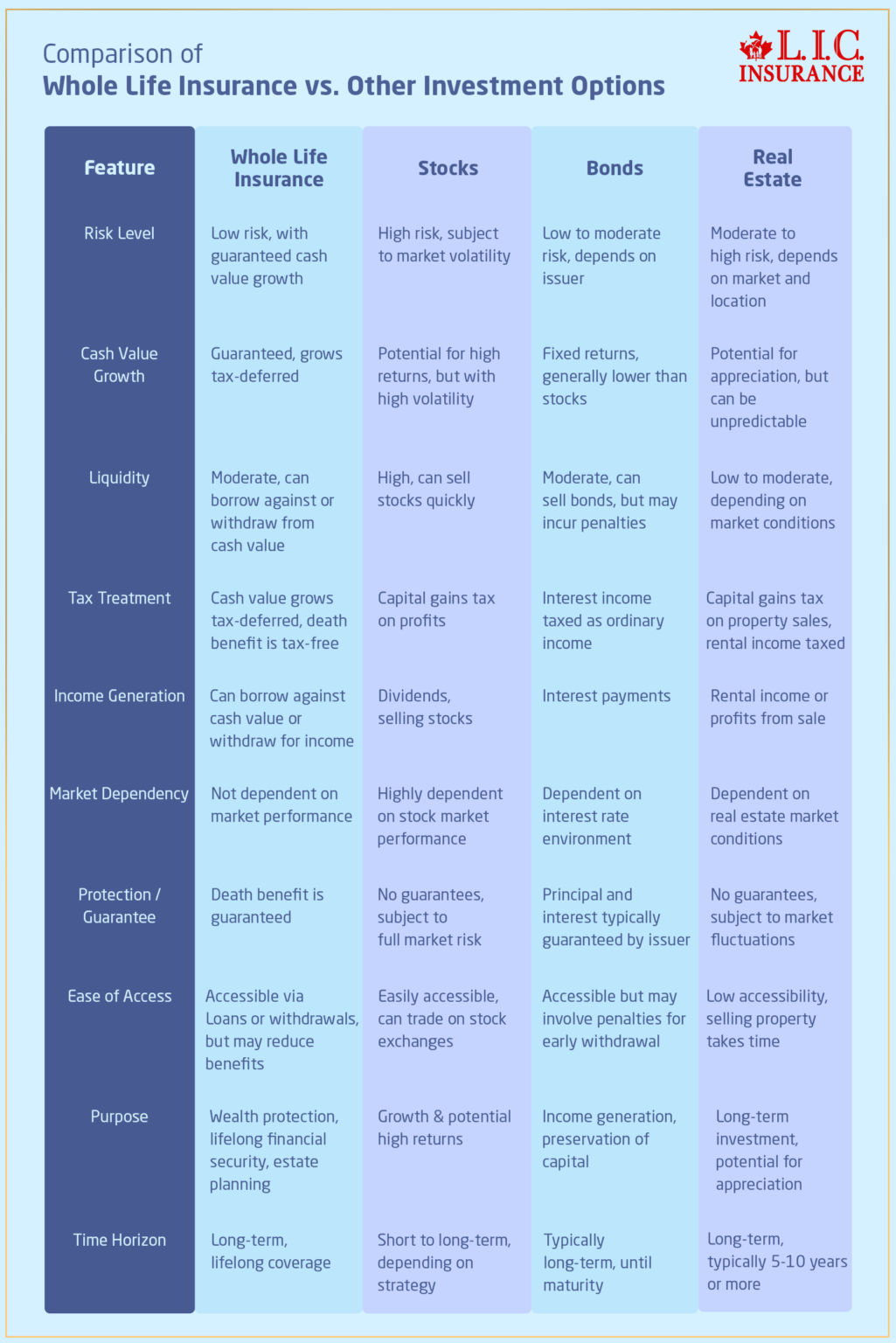
Annuities and whole life insurance share a significant tax advantage known as tax deferral. In both products, the value within the policy can grow over time without being subject to annual income or capital gains taxes. This allows for compound growth on the principal, the interest, and the money that would have otherwise gone to the IRS.
While term life insurance does not have a "growth" component or cash value, it shares a tax similarity with the others regarding the payout. Generally, the death benefit paid from a term life or whole life insurance policy is received by the beneficiary income tax-free under Internal Revenue Code Section 101(a).
Annuities handle taxes slightly differently during the distribution phase, but they often feature a "death benefit" component similar to life insurance. If an annuity owner dies before the contract is fully annuitized, the named beneficiary receives the contract's value. While the growth portion of an annuity death benefit is typically taxable to the beneficiary, the transfer process itself mirrors the death benefit delivery of a life insurance policy. Both products utilize the insurance tax code to provide more efficient wealth accumulation or transfer than traditional taxable accounts.
The Role of Actuarial Science and Underwriting
Every annuity, whole life, and term life policy is built on the foundation of actuarial science. Insurance companies use vast amounts of data to calculate the probability of events—specifically death or survival—to determine how much to charge in premiums and how much they can afford to pay out.
While the underwriting process (the assessment of risk) is most rigorous for life insurance, it exists in various forms for all three. For term and whole life insurance, underwriting typically involves medical exams and a review of health history to determine the premium. For certain types of annuities, such as "medically underwritten" or "substandard" annuities, the insurance company may actually provide a higher payout if the individual has a shorter life expectancy.
Furthermore, all three products are subject to the same institutional rigor. The National Association of Insurance Commissioners (NAIC) sets standards for how these companies must manage their general accounts, which hold the funds for these products. Whether a consumer buys a term policy or a fixed annuity, they are relying on the same actuarial soundness and institutional solvency of the carrier.
Comparing Annuities, Whole Life, and Term Life Insurance
The following table outlines the technical similarities and foundational overlaps between these three financial instruments as they stand in 2026.
| Feature | Term Life Insurance | Whole Life Insurance | Annuities |
|---|---|---|---|
| Contract Issuer | Insurance Company | Insurance Company | Insurance Company |
| Primary Goal | Death Benefit | Death Benefit & Cash Value | Retirement Income |
| Bypasses Probate | Yes (with named beneficiary) | Yes (with named beneficiary) | Yes (with named beneficiary) |
| Tax-Deferred Growth | N/A (No cash value) | Yes | Yes |
| Death Benefit | Yes | Yes | Yes (Optional or remaining value) |
| Regulatory Body | State Insurance Dept (NAIC) | State Insurance Dept (NAIC) | State Insurance Dept / SEC |
| Risk Transferred | Mortality Risk | Mortality Risk | Longevity Risk |
| Guaranteed Returns | No (Fixed payout) | Yes (on cash value) | Yes (in fixed/indexed models) |
Strategic Integration in 2026 Financial Planning
In the modern financial landscape, these products are rarely used in isolation. Instead, they are often layered to provide a comprehensive shield against different types of financial ruin. The similarities in their structure allow them to work together seamlessly.
For example, an individual might use term life insurance during their working years to protect their mortgage and children's education costs because it is the most cost-effective way to secure a large death benefit. Simultaneously, they may contribute to an annuity to build a guaranteed income floor for retirement that social security cannot cover. Whole life insurance might be added to the mix to provide a permanent death benefit that covers final expenses or estate taxes, while also serving as a source of emergency liquidity through its cash value.
The common "insurance" wrapper means that a single agent or financial advisor can often manage all three, and the policyholder deals with similar terminology (premiums, riders, beneficiaries, and surrender periods) across the board. This structural harmony simplifies the management of a complex long-term financial plan.
Operational Limitations and Considerations
Despite their similarities, consumers must be aware of the shared constraints that apply to these insurance-based products. One significant similarity is the presence of surrender charges. Both annuities and whole life insurance policies typically have a period (ranging from 3 to 10+ years) during which withdrawing funds or canceling the policy results in a financial penalty. Term life insurance does not have a surrender charge, but because it has no cash value, "canceling" simply means the coverage stops and no premiums are returned.
Another shared characteristic is the impact of the claims-paying ability of the insurance company. Unlike bank accounts which are insured by the FDIC up to certain limits, the "guarantees" in annuities and life insurance policies are only as strong as the company that issues them. In 2026, checking the ratings from independent agencies like A.M. Best, Moody’s, or Standard & Poor’s is a necessary step for anyone considering any of these three products.
Finally, all three products often offer riders—optional provisions that can be added to the base contract to customize coverage. A life insurance policy might have a "long-term care rider," while an annuity might have a "guaranteed minimum withdrawal benefit rider." This modular nature is a defining trait of the insurance industry, allowing for highly specific financial engineering.
Common Pitfalls and Shared Risks
Understanding the commonalities also means recognizing the shared risks. All three products can be affected by inflation. A $1,000,000 term life policy or a $5,000 monthly annuity payment might seem substantial today, but their purchasing power could be significantly lower in twenty years.
Furthermore, there is a risk of policy lapse. If premiums are not paid on a term or whole life policy, the coverage disappears. While most annuities are funded with a lump sum (single premium), those funded over time (flexible premium) are also at risk of underperforming or failing to meet the owner's goals if contributions stop.
Lastly, the complexity of these contracts is a shared trait. The "fine print" regarding exclusions, participation rates in indexed products, or the internal costs of insurance can be daunting. It is vital for consumers to recognize that while these products share many beneficial similarities, they also share a level of complexity that requires due diligence or professional guidance.
FAQs
Can an annuity have a death benefit like life insurance?
Yes, most modern annuities include a death benefit. If the owner or annuitant dies before the contract has been fully paid out, the insurance company will pay the remaining value—or sometimes the total amount invested—to the named beneficiary. This makes the annuity function very similarly to a life insurance policy during the accumulation phase.
Is the underwriting for an annuity as strict as it is for life insurance?
Generally, no. Life insurance underwriting is focused on making sure the applicant isn't too sick to insure. Annuity underwriting is often much simpler because the insurance company is taking the risk that you will live "too long," not die too soon. However, "structured settlements" or certain immediate annuities might involve medical reviews to determine payout rates.
Do all three products offer a way to access cash in an emergency?
Both whole life insurance and deferred annuities allow the owner to access the "cash value" or "contract value" of the policy. Term life insurance does not, as it has no savings component. However, accessing funds in whole life (via loans) or annuities (via withdrawals) may involve interest charges, taxes, or surrender penalties.
Are the payouts from an annuity tax-free like life insurance?
No. While life insurance death benefits are generally tax-free, annuity payouts are typically taxed as "income" to the extent that they represent earnings. If you bought an annuity with after-tax dollars (non-qualified), only the interest portion is taxed. If bought with pre-tax dollars (qualified), the entire payout is usually taxed as ordinary income.
Who regulates these products in 2026?
All three are primarily regulated by State Insurance Departments. They must also comply with standards set by the National Association of Insurance Commissioners (NAIC). If the product has an investment component where the owner takes on market risk (like Variable Life or Variable Annuities), it is also regulated by the SEC and FINRA.
Recommendation for Next Actions
If you are evaluating how these products fit into your 2026 financial strategy, your first step should be to conduct a comprehensive needs analysis. Determine if your primary gap is a lack of protection for your heirs (pointing toward term or whole life) or a lack of guaranteed income for yourself (pointing toward an annuity).
Because these products share many legal and tax traits, you should consult with a fiduciary financial advisor who can explain how the tax-deferral of an annuity might complement the tax-free death benefit of a life insurance policy. Before signing any contract, request a "specimen policy" to review the specific surrender schedules and internal fees. Finally, always verify the financial strength of the issuing carrier through a reputable rating agency to ensure that the "guarantees" provided are backed by a stable institution.