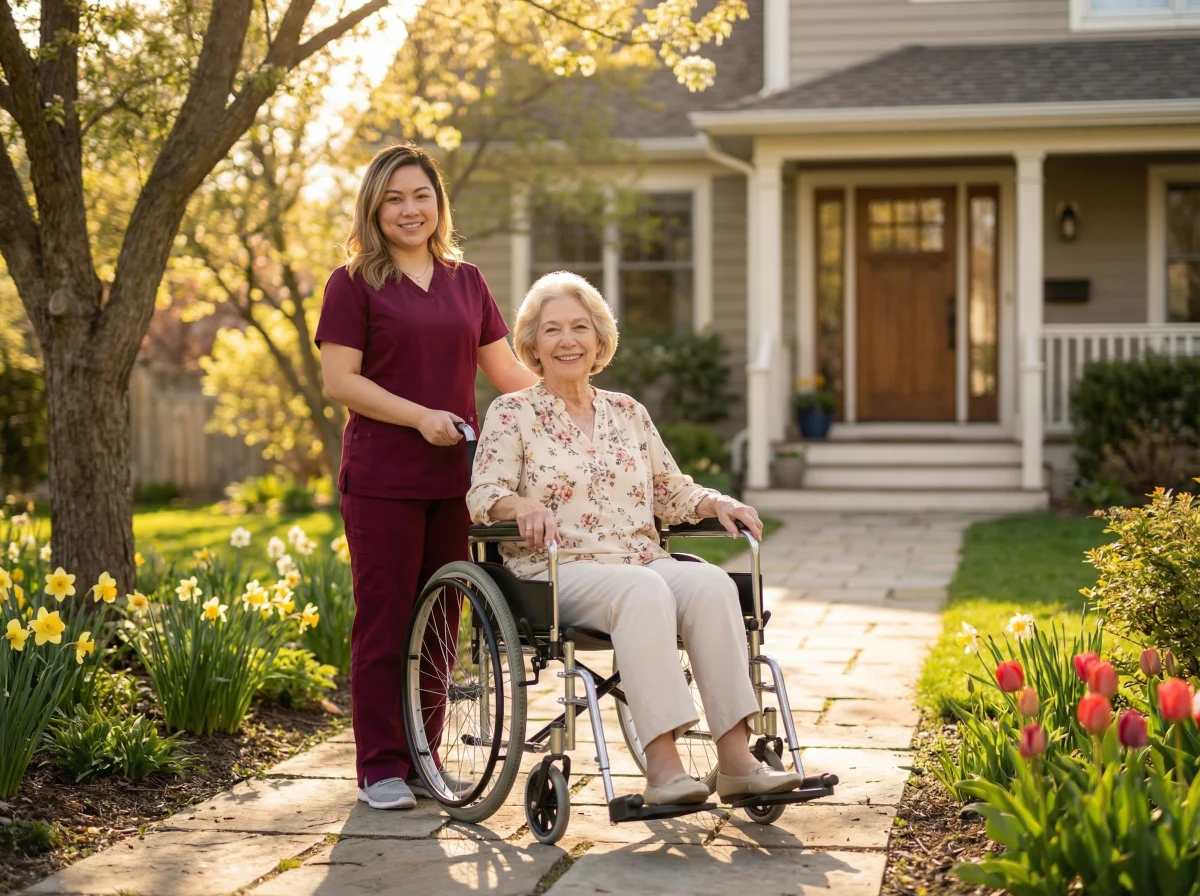
An Alzheimer’s and dementia care facility, commonly known as a memory care unit, provides specialized residential support for individuals with progressive cognitive impairment. These facilities offer 2026-standard safety features, including 24-hour supervised care, specialized therapeutic programming, and secure environments designed to prevent wandering while maintaining the resident's dignity and quality of life.
Understanding the Specialized Nature of Memory Care Facilities
As we move through 2026, the distinction between standard assisted living and a dedicated alzheimers dementia care facility has become increasingly vital for families to understand. While assisted living provides help with activities of daily living (ADLs) such as bathing or dressing, memory care is a distinct tier of service. It is specifically engineered to handle the unique behavioral and cognitive challenges associated with various forms of dementia, including Alzheimer’s disease, Lewy body dementia, and vascular dementia.
The clinical philosophy of these facilities has shifted toward "person-centered care." This approach moves away from a rigid institutional schedule and instead focuses on the individual's remaining strengths, personal history, and preferences. In a modern memory care setting, staff members are trained not just in physical care, but in specialized communication techniques like validation therapy, which emphasizes empathy over correction. This is crucial because, in mid-to-late stage dementia, logical arguments often fail, and emotional connection becomes the primary bridge for interaction.
Furthermore, the physical environment of these facilities is a therapeutic tool in itself. Most units are designed with circular hallways to prevent residents from reaching frustrating "dead ends" while wandering. Enhanced lighting, color-coded doors, and memory boxes outside of resident rooms help with "wayfinding," reducing the anxiety that often triggers agitation. In 2026, many facilities have also integrated circadian lighting systems that mimic natural sunlight patterns to help regulate sleep-wake cycles, a common struggle for those with cognitive decline.
Recognizing the Tipping Point: When is it Time for Memory Care?
Deciding to transition a loved one from home care to a professional facility is one of the most difficult choices a family will face. However, there are specific indicators—often referred to as "tipping points"—that suggest home-based care is no longer safe or sustainable. Safety is the primary driver; if a senior has begun wandering away from home or leaving the stove on, the risk of a catastrophic event outweighs the benefits of staying in a familiar environment.
Caregiver burnout is another critical factor. Providing 24/7 supervision for someone with dementia often leads to physical and mental health decline for the primary caregiver. When the caregiver can no longer manage the "sundowning" effect—a state of increased confusion and restlessness that occurs in the late afternoon and evening—the quality of care for the resident inevitably suffers.
Professional assessments are essential during this stage. A geriatric care manager or a neurologist can provide a cognitive evaluation to determine if the individual’s needs exceed what can be provided at home. In 2026, many facilities use standardized assessment tools that look at "Level of Care" requirements, ranging from basic supervision to total physical assistance. If the individual requires assistance with three or more ADLs alongside significant cognitive support, a specialized dementia care facility is usually the most appropriate setting.
Financial Considerations and Cost Analysis in 2026
The cost of memory care continues to be a significant concern for families. As of 2026, the national average for a private room in a dedicated memory care facility ranges from $6,800 to $11,500 per month, depending heavily on the geographic location and the level of care required. These costs are generally 20% to 30% higher than standard assisted living due to the higher staff-to-resident ratios and the specialized training required for employees.
Understanding the components of these costs is vital for long-term planning. Most facilities utilize a "base rate plus care levels" model. The base rate covers room and board, utilities, and basic amenities, while "care levels" are added based on the amount of hands-on help the resident needs.
2026 Memory Care Funding Options
| Funding Source | Eligibility and Limitations | Typical Coverage Scope |
|---|---|---|
| Private Pay | No eligibility requirements; uses personal savings or home equity. | Covers 100% of costs until funds are depleted. |
| Long-Term Care Insurance | Must have a policy in place prior to diagnosis. | Usually pays a daily or monthly benefit amount for a set period. |
| VA Aid and Attendance | For veterans or surviving spouses who served during wartime. | Provides a monthly pension to help cover the cost of care. |
| Medicaid | Needs-based; requires meeting state-specific asset limits. | Varies by state; may cover "waived" services in some facilities. |
| Medicare | Available to those 65+ or with certain disabilities. | Does not cover long-term room and board; covers medical care only. |
It is important to note that while Medicare does not pay for the "residential" aspect of a dementia care facility, it still covers medical visits, hospice services, and some therapeutic interventions that occur within the facility. Families often bridge the gap by utilizing the equity in the resident's home via a bridge loan or a traditional sale to fund the first few years of care.
Key Features to Evaluate During a Facility Tour
When visiting a potential alzheimers dementia care facility, families should look beyond the aesthetic appeal of the lobby. The quality of a facility is often found in the small details of daily operations. Observant visitors should look for "engaged" residents. Are they participating in activities, or are they sitting passively in front of a television? Passive environments are often a sign of understaffing or a lack of meaningful programming.
Staff-to-resident ratios are a critical metric. While state regulations vary, a high-quality facility in 2026 should ideally maintain a ratio of one caregiver for every five to seven residents during daytime hours. This ensures that residents receive timely assistance with toileting and hydration, which are key to preventing urinary tract infections (UTIs)—a leading cause of sudden behavioral decline in dementia patients.
Security measures must also be scrutinized. Ask about the "delayed egress" systems or "wander-guard" technology. These systems allow residents to move freely within a secure area but alert staff if a resident attempts to exit through an external door. Additionally, check for sensory-friendly design. High-contrast flooring can be confusing for a dementia patient (who may see a dark rug as a hole in the floor), so look for uniform, matte-finished flooring and clear signage.
Therapeutic Programming and Quality of Life
The most effective dementia care facilities in 2026 prioritize non-pharmacological interventions to manage behavioral symptoms. Rather than relying solely on sedative medications, these facilities use specialized activities to reduce anxiety and promote "joy in the moment."
Music therapy is one of the most successful interventions. Research has shown that the parts of the brain that process music are often the last to be affected by Alzheimer's. Facilities that provide personalized playlists for residents can often de-escalate agitation without the need for medical intervention. Similarly, reminiscence therapy, which involves using old photographs, scents, or music to trigger positive memories, helps residents maintain a sense of identity.
Physical activity is equally important. Even in late-stage dementia, residents should have access to secure outdoor spaces. Exposure to natural light helps regulate the internal clock, and gentle movement like supervised walking or "chair yoga" helps maintain muscle tone and prevents falls. When evaluating a facility, ask to see their monthly activity calendar and check if it includes a mix of cognitive, physical, and social engagements.
The Admission Process and Legal Requirements
Transitioning into a memory care facility requires significant documentation and medical clearance. Most states require a Physician’s Report (often a 602 form or similar) completed within 30 days prior to admission. This report must explicitly state that the individual requires the level of supervision provided by a memory care unit and that they do not have medical needs that exceed the facility's license (such as 24-hour nursing care for complex wounds).
Legal preparations are also mandatory. The facility will require copies of the Durable Power of Attorney (DPOA) for both finances and healthcare. If these were not established before the individual lost the capacity to sign legal documents, the family might need to seek a court-ordered guardianship or conservatorship, which can be a lengthy and expensive process.
Furthermore, an Individualized Service Plan (ISP) must be created upon move-in. This document serves as the roadmap for the resident’s care. It details their likes, dislikes, sleep habits, and specific medical needs. In 2026, these plans are increasingly digital and updated in real-time by caregivers, allowing family members to stay informed about their loved one’s daily status through secure portals.
Frequently Asked Questions
Can a resident be asked to leave a dementia care facility?
Yes, a facility may issue a discharge notice if they can no longer meet the resident's needs. Common reasons include the development of aggressive behaviors that pose a risk to other residents or the need for continuous medical nursing (such as a ventilator or complex feeding tube) that the facility's license does not cover. Under federal and state laws, facilities must usually provide a 30-day notice and assist in finding a safe alternative placement.
What is "sundowning," and how do facilities handle it?
Sundowning refers to the increased confusion, anxiety, and agitation that many people with dementia experience as daylight fades. Professional facilities manage this by increasing lighting levels in the late afternoon, providing calming activities like soft music, and avoiding "shift-change" noise or chaos during this sensitive time. They may also offer a late-afternoon snack or "tea time" to distract and soothe residents.
Is Medicaid accepted at all Alzheimer’s care facilities?
No. Many private-pay memory care facilities do not accept Medicaid. However, some states offer "Home and Community-Based Services (HCBS)" waivers that can pay for a portion of the care in participating facilities. It is essential to ask a facility’s admissions director specifically if they have "Medicaid-certified beds" or if they accept the state’s specific waiver program before committing to a move.
How do I know if the staff is properly trained?
In 2026, many states have mandatory "Dementia Care Certification" hours for all staff. You should ask to see the facility's training protocols. High-quality centers provide ongoing education on topics like "de-escalation techniques," "end-of-life care," and "nutrition for dementia." Ask how often the staff receives refresher courses and if the training is developed by recognized organizations like the Alzheimer’s Association.
Are residents allowed to bring their own furniture?
Generally, yes. Most facilities encourage families to bring familiar items like a favorite recliner, family photos, and a familiar bedspread. This helps the resident feel more secure in their new environment. However, there are usually restrictions on items that could be safety hazards, such as rugs (which are trip hazards) or heavy wardrobes that are not anchored to the wall.
Practical Recommendation for Next Actions
If you are beginning the search for an alzheimers dementia care facility in 2026, your first step should be to secure a comprehensive medical assessment from a neurologist or geriatrician. This document will serve as your "passport" for admission and ensure you are looking for the correct level of care.
Once the medical need is established, narrow your search to 3–5 local facilities and conduct at least two visits to each. The first visit should be scheduled with an admissions director, but the second should be unannounced—perhaps during a weekend or mealtime. This allows you to see the "real" environment when the marketing staff is not present. Pay close attention to the smell of the facility, the cleanliness of the residents, and the tone of voice staff members use when speaking to those in their care. Finally, consult with a financial advisor specializing in elder care to ensure your chosen facility is sustainable for your family’s long-term budget.
For further information on resident rights and facility ratings, you can visit the Centers for Medicare & Medicaid Services (CMS) Care Compare website to review state-level inspection reports and safety violations for licensed facilities.