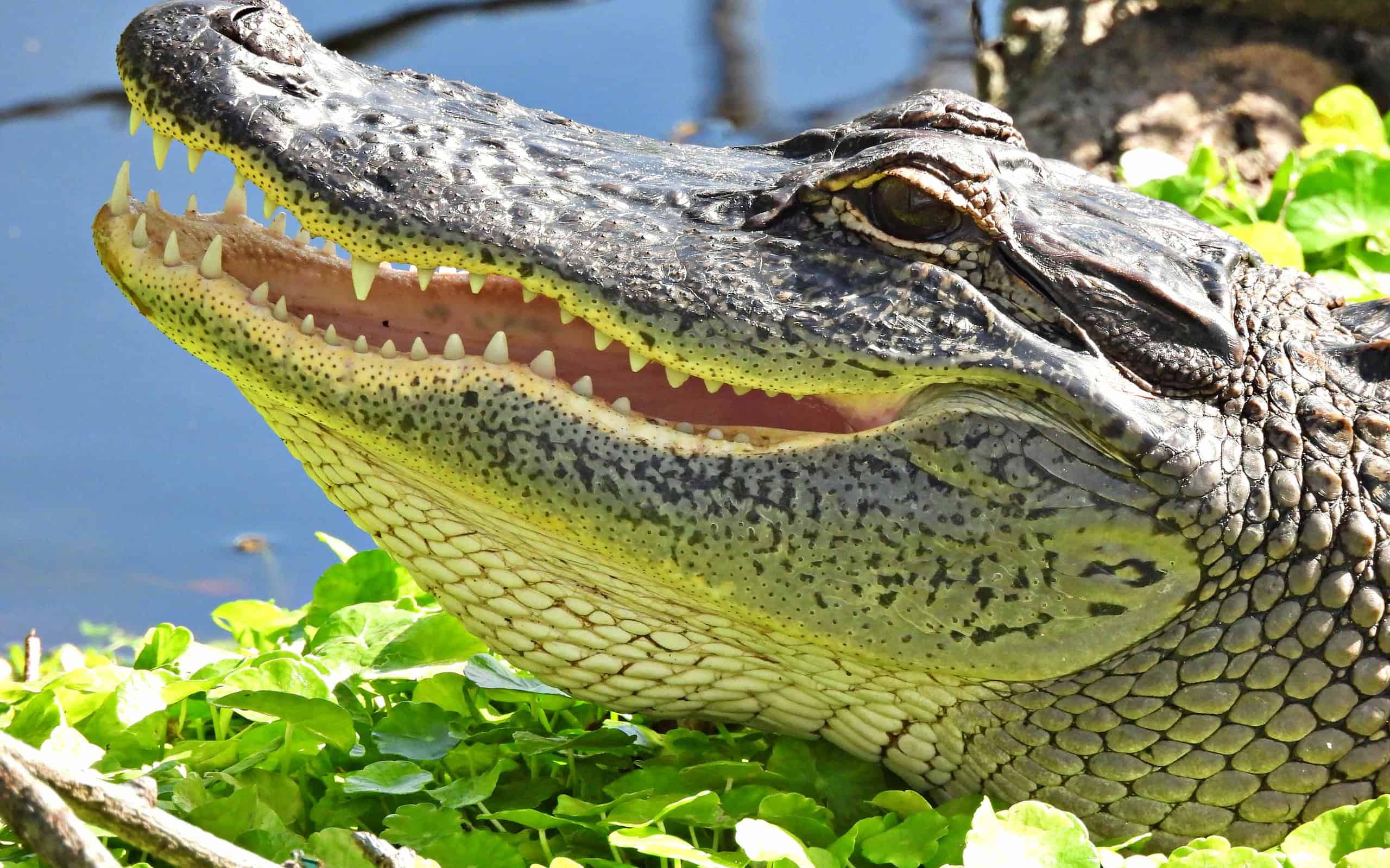
Alligators are naturally occurring inhabitants of the Chattahoochee River, with their primary population concentrated south of the Fall Line in Columbus, Georgia. While infrequent sightings occur as far north as Metro Atlanta, these instances involve fewer individuals. As of 2026, the population remains stable, requiring standard wildlife safety awareness for all river users.
The presence of the American alligator (Alligator mississippiensis) in the Chattahoochee River is a subject that often blends local folklore with biological reality. To understand the presence of these apex predators, one must look at the river not as a single entity, but as a diverse ecological corridor stretching over 430 miles from the Blue Ridge Mountains to the Gulf of Mexico. The distribution of alligators along this path is dictated by geology, water temperature, and habitat availability, making their presence in certain segments of the river a certainty, while in others, it remains a rare curiosity.
The Geography of Alligator Habitats: The Fall Line Divide
The most critical factor in determining where you will find alligators in the Chattahoochee River is the Fall Line. This geological boundary separates the hard, ancient rocks of the Piedmont region from the softer, younger sedimentary rocks of the Coastal Plain. In Georgia, this line runs through Columbus, Macon, and Augusta.
South of the Fall Line in Columbus, the Chattahoochee River slows down and enters the Coastal Plain. Here, the water is generally warmer, and the surrounding terrain consists of swamps, marshes, and oxbow lakes—ideal conditions for alligators. In the 2026 season, the Georgia Department of Natural Resources (DNR) continues to categorize the southern reaches of the Chattahoochee, particularly near the Eufaula National Wildlife Refuge and Lake Seminole, as high-density alligator habitats.
North of the Fall Line, the river environment changes drastically. The water is swifter and often cooler, particularly below Buford Dam (Lake Lanier), where the cold-water release supports a thriving trout fishery. Alligators are ectothermic, meaning they rely on external heat sources to regulate their body temperature. The consistently cold water temperatures in the Upper Chattahoochee act as a natural barrier to large-scale alligator colonization. While an individual alligator may survive a northern winter by entering a state of brumation (a dormant state similar to hibernation), the lack of sustained warmth and appropriate nesting habitat prevents a self-sustaining population from establishing itself in the northernmost reaches of the river.
Documented Sightings in Metro Atlanta and North Georgia
Despite the environmental challenges, sightings of alligators in the Metro Atlanta segment of the Chattahoochee River occur periodically. These reports often center on areas such as the Cochran Shoals unit of the Chattahoochee River National Recreation Area or the waters near Morgan Falls Dam.
In 2026, the prevailing scientific consensus remains that these individuals are often "transients" or "waifs." These are typically younger males looking for new territory or, in some unfortunate cases, individuals that were illegally kept as pets and released into the wild. Because the Chattahoochee acts as a continuous aquatic highway, it is physically possible for an alligator to swim northward from the Fall Line, though it is an arduous journey against the current and through various dam systems.
When a sighting is reported in the Atlanta area, the National Park Service (NPS) and the Georgia DNR typically monitor the animal rather than relocating it, unless it poses a direct threat to public safety or exhibits "nuisance" behavior. Nuisance behavior is usually defined as an alligator that has lost its fear of humans, often because it has been illegally fed.
Biology and Behavior: The Chattahoochee Alligator
Understanding the biology of the American alligator is essential for coexisting with them. These reptiles are apex predators, playing a vital role in maintaining the balance of the river's ecosystem. They help control the populations of fish, turtles, and smaller mammals, and their "gator holes" provide essential water sources for other wildlife during periods of drought.
Size and Growth Rates
In the fertile waters of the Lower Chattahoochee, alligators can grow to impressive sizes. Mature males can exceed 13 feet in length, though the average size is typically between 8 and 11 feet. Females are smaller, rarely exceeding 10 feet. Growth rates are highly dependent on the availability of food and the temperature of the water. In the southern segments of the river, where the growing season is longer, alligators reach maturity faster than those that might find themselves in the cooler northern waters.
Diet and Hunting Patterns
Alligators are opportunistic feeders. Their diet consists primarily of fish, turtles, snakes, and small mammals. Contrary to popular belief, humans are not a natural prey item for alligators. However, they are defensive of their nests and can become aggressive if they feel cornered or if they have been conditioned to associate humans with food.
Reproductive Cycles and Nesting
Nesting occurs in the early summer months. Female alligators construct mounds of vegetation, mud, and debris along the riverbanks or in nearby marshy areas. The heat generated by the decomposing vegetation incubates the eggs. In the Chattahoochee River basin, this process is most successful in the slow-moving, marshy areas south of Columbus. Nesting in the North Georgia segments of the river is extremely rare and often unsuccessful due to the lack of appropriate nesting material and stable temperatures.
Safety Protocols for River Enthusiasts
For those who enjoy kayaking, canoeing, or fishing on the Chattahoochee, the presence of alligators is a manageable risk rather than a reason for panic. Respecting the animal's space and understanding its behavior are the keys to safety.
Guidelines for Kayakers and Paddlers
If you encounter an alligator while on the water, the standard recommendation is to maintain a distance of at least 60 feet. Most alligators will submerge or swim away when approached by a boat. If an alligator remains on the bank and hisses, it is a clear warning that you are too close, likely near a nest or a basking spot.
- Do Not Feed the Alligators: This is the most important rule. Feeding alligators causes them to lose their natural fear of humans and associate people with food. In Georgia and Alabama, feeding alligators is a criminal offense.
- Keep Pets Out of the Water: Dogs are similar in size to an alligator's natural prey and are much more likely to attract an alligator's attention than a human in a boat.
- Be Aware During Dawn and Dusk: Alligators are most active during these low-light periods. If you are in high-density areas south of the Fall Line, exercise extra caution during these times.
- Avoid Heavy Vegetation: When paddling in the Lower Chattahoochee, stay toward the center of the channel or in open water, avoiding dense lily pads or overhanging brush where an alligator might be resting.
Guidelines for Fishers
Anglers should be mindful of their surroundings, especially when bank fishing or wading. If an alligator begins to take an interest in your lure or the fish you are reeling in, it is best to cut the line and move to a different location. Never discard fish scraps into the water in areas where people are likely to congregate, as this acts as an unintentional feeding program.
Comparison of Chattahoochee River Segments (2026 Status)
The following table outlines the differences in alligator presence and habitat across the primary segments of the Chattahoochee River.
| River Segment | Geographic Range | Alligator Density | Primary Habitat Type | Caution Level |
|---|---|---|---|---|
| Upper Chattahoochee | Headwaters to Lake Lanier | Near Zero | Cold-water mountain streams | Minimal |
| Metro Atlanta | Buford Dam to Whitesburg | Very Low (Occasional) | Cold-water river, suburban banks | Low (Awareness) |
| Middle Chattahoochee | Whitesburg to Columbus | Moderate | Transitions to slower, warmer flow | Moderate |
| Lower Chattahoochee | Columbus to Lake Seminole | High | Swamps, oxbow lakes, marshes | High (Standard) |
Management and Legal Framework
The management of alligators in the Chattahoochee River is a collaborative effort between state agencies and federal entities like the U.S. Fish and Wildlife Service.
Hunting Regulations
Georgia and Alabama both host annual alligator harvests to manage the population. These are highly regulated "quota hunts," meaning only a specific number of permits are issued via a lottery system. In 2026, the Georgia DNR continues to manage the state in specific Alligator Management Zones. The Chattahoochee River falls into several of these zones, with the highest quotas allocated to the southern regions. It is illegal to kill an alligator outside of these regulated seasons and without a valid permit.
The Role of the DNR
The Georgia DNR Wildlife Resources Division is responsible for responding to nuisance alligator reports. If an alligator is over four feet long and is deemed a threat to people, pets, or property, the DNR may authorize a licensed nuisance alligator trapper to remove the animal. It is important to note that once an alligator is removed as a nuisance, it is typically not relocated, as alligators have strong homing instincts and would likely return or cause issues in a new location.
Ecological Impact of the American Alligator
Beyond the human-centric view of safety and sightings, the presence of alligators in the Chattahoochee is a sign of a healthy ecosystem. Decades ago, the American alligator was on the brink of extinction due to unregulated hunting and habitat loss. Its successful recovery and subsequent removal from the endangered species list in 1987 is one of the greatest successes of the Endangered Species Act.
In the 2026 environment, alligators serve as "ecosystem engineers." By creating trails through marshy areas, they maintain water flow and help prevent the overgrowth of certain aquatic plants. Their presence also indicates a robust food chain, as they require a significant amount of biomass to survive and reproduce. Protecting the river's water quality and riparian zones (the areas alongside the riverbanks) is essential not just for alligators, but for the hundreds of other species that call the Chattahoochee home.
Common Misconceptions
There are several myths regarding alligators in the Chattahoochee that often lead to unnecessary fear or dangerous complacency.
- Myth: Alligators in Atlanta were put there by the government to control the Canada Goose population. This is entirely false. State and federal agencies do not stock alligators in the Atlanta area. Any alligator found there arrived through its own movement or through illegal human intervention.
- Myth: Alligators can run up to 30 miles per hour on land. While alligators are capable of short "bursts" of speed on land, they are primarily aquatic. They cannot sustain high speeds over any significant distance and would much rather retreat into the water than engage in a chase on land.
- Myth: If you see an alligator, you should run in a zigzag pattern. This is an outdated piece of advice. If you are on land and an alligator moves toward you, simply run in a straight line away from the animal. Alligators are ambush predators and will not pursue a fast-moving target over land for long.
Frequently Asked Questions
Are there alligators in Lake Lanier?
While Lake Lanier is part of the Chattahoochee River system, sightings there are extremely rare. The lake's northern location and deep, often cool waters do not provide an ideal long-term habitat for alligators. However, because the river flows into and out of the lake, an occasional transient alligator is possible, though unlikely to stay permanently.
Can alligators survive the winter in North Georgia?
Yes, alligators are surprisingly resilient. They can survive freezing temperatures by staying in the water and keeping their snouts above the surface as the ice forms around them—a behavior known as "icing." They enter a state of brumation where their metabolism slows down significantly. However, a series of very harsh winters can be fatal to alligators in the northernmost parts of their range.
What should I do if I see an alligator while kayaking?
Maintain your distance. Do not attempt to get closer for a photo or a better look. Keep your paddle in the water and move calmly away from the animal. Most alligators will choose to avoid you. If the alligator follows your boat, it may have been fed by humans previously; in this case, leave the area immediately and report the sighting to the Georgia DNR.
Is it safe to swim in the Chattahoochee River?
In the Metro Atlanta area, the primary risks for swimmers are water quality (bacteria levels) and strong currents rather than alligators. In the Lower Chattahoochee, south of Columbus, swimming is generally discouraged in areas known for high alligator density, especially at night or in areas with heavy vegetation.
How big do alligators get in the Chattahoochee?
In the southern reaches of the river, alligators can reach lengths of 12 to 14 feet, though these specimens are quite old and rare. In the northern sections, most sighted alligators are smaller juveniles or sub-adults, usually between 3 and 7 feet in length.
Next Actions for River Users
If you are planning a trip to the Chattahoochee River in 2026, the best course of action is preparation. Check the current water levels and weather forecasts through the National Weather Service. If you are heading to the Lower Chattahoochee, review the safety guidelines provided by the Eufaula National Wildlife Refuge or the Georgia DNR.
Always carry a cell phone to report any unusual wildlife behavior or emergencies. For those interested in seeing alligators in their natural habitat safely, consider visiting the Phinizy Swamp Nature Park (near the Savannah River but similar habitat) or the Reed Bingham State Park, both of which offer guided opportunities to learn about these prehistoric residents of the American South.