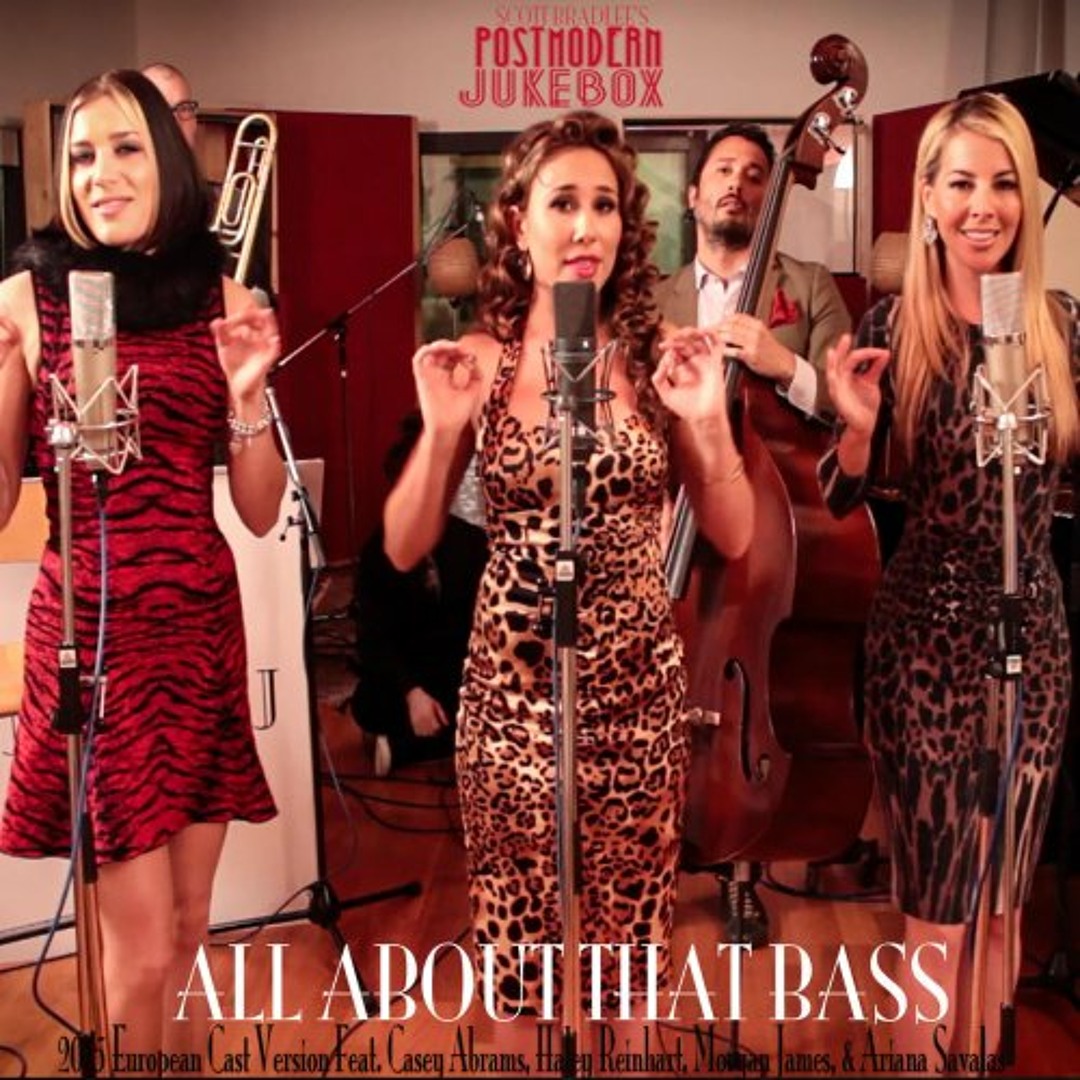
The phrase "all about that bass, no treble" is a metaphorical expression used to celebrate a curvy or full-figured body type while rejecting the societal pressure to conform to a thin, "treble-like" physique. In the context of Meghan Trainor’s 2014 breakout hit, "bass" represents the lower, heavier frequencies of music, symbolizing curves and substance, while "treble" represents the thin, high-pitched frequencies, symbolizing the traditionally slender beauty standards promoted by the media.
The Metaphorical Foundation: Audio Engineering Meets Body Image
To understand the meaning of "all about that bass, no treble," one must look at the technical definitions of the terms and how they are cleverly repurposed as social commentary. In the world of audio and music production, "bass" refers to the low-frequency sounds. These are the vibrations you feel in your chest; they provide the foundation, the "thump," and the weight of a song. Without bass, music can feel hollow or "thin."
Conversely, "treble" refers to the high-frequency range. While treble provides clarity and detail, an excess of treble without sufficient bass results in a sound that is often described as "tinny" or "sharp." By aligning herself with the "bass," Meghan Trainor was making a statement about having a physical presence that is substantial, grounded, and "heavy" in a way that should be celebrated rather than hidden.
In 2014, when the song was released, the pop culture landscape was beginning to shift from the "heroin chic" and ultra-thin aesthetics of the late 1990s and 2000s toward a celebration of the hourglass figure. Trainor used these audio terms to create a catchy, easily understood shorthand for this cultural pivot. As of 2026, the song is viewed as a seminal moment in the mainstreaming of the body-positivity movement, even if its specific approach has been debated over the years.
Deconstructing the Lyrics: A Section-by-Section Analysis
The lyrics of "All About That Bass" go beyond the title's metaphor to address specific issues like digital manipulation in media, maternal advice, and the rejection of "perfect" standards.
The "Silicone Barbie Doll" and Digital Editing
Trainor sings, "I see the magazines workin' that Photoshop / We know that shit ain't real, come on now, make it stop." This was a direct challenge to the fashion industry’s reliance on airbrushing and digital slimming. By 2026, the conversation around "sharenting" and "filter culture" has made these lyrics even more relevant. Trainor was pointing out that the "treble" standard—the extreme thinness seen in media—was often a mathematical impossibility, a product of software rather than biology.
The Role of Maternal Advice
One of the most famous lines is, "My mama she told me, 'don't worry about your size' / She says, 'boys like a little more booty to hold at night'." This section emphasizes the role of domestic upbringing in shaping self-esteem. While some critics argued that this centered a woman’s worth on male attraction, others saw it as a practical, "real-world" way of reframing body image away from the cold, clinical standards of the fashion industry and toward a more human, intimate reality.
The "Skinny Bitches" Controversy
The line "I'm bringing booty back / Go ahead and tell them skinny bitches that" became one of the most controversial aspects of the song. Critics accused Trainor of "skinny-shaming" to uplift "curvy" women. Trainor later clarified that she wasn't attacking thin women inherently, but rather the "thin-is-the-only-way" archetype. In the years following the song's release, the body-positivity movement evolved into "body neutrality," recognizing that all bodies, regardless of their "bass" or "treble" levels, deserve respect without the need for comparison.
The Cultural and Historical Impact (2014–2026)
When "All About That Bass" debuted, it wasn't just a song; it was a commercial juggernaut. It spent eight consecutive weeks at number one on the Billboard Hot 100. Its success was fueled by a colorful, 1950s-inspired music video that utilized "bubblegum" aesthetics to deliver a subversive message.
| Feature | "Bass" Symbolism | "Treble" Symbolism |
|---|---|---|
| Musical Property | Low frequency, heavy, foundational. | High frequency, light, sharp. |
| Physical Representation | Curves, "booty," full-figured silhouettes. | Slenderness, thinness, "stick-thin" frames. |
| Societal Context | Self-acceptance, "realness," substance. | Magazine standards, Photoshop, "Barbie" ideal. |
| Emotional Tone | Confidence, warmth, pride. | Pressure, artificiality, anxiety. |
As we look back from 2026, the song’s impact is seen in the wave of artists who followed. Before the mainstream success of Lizzo or the continued evolution of Adele’s public image, Meghan Trainor provided a "doo-wop" infused entry point for the general public to discuss body image. The song simplified complex feminist theory into a three-minute pop anthem that children and adults alike could sing along to.
Technical Production: Why the Metaphor Worked
The song’s meaning was reinforced by its production. Produced and co-written by Kevin Kadish, the track features a prominent, walking upright bass line. This musical choice was intentional. The song literally "has bass." The choice of the doo-wop genre—a style associated with the 1950s—was also a clever nod to an era before the "waif" look became the dominant fashion editorial standard.
By utilizing a vintage sound, Trainor and Kadish tapped into a sense of nostalgia for a time when "curves" were the celebrated norm (think Marilyn Monroe or Elizabeth Taylor). The production’s "heaviness" in the low-end frequencies provided the physical sensation of the "bass" she was singing about, making the metaphor multi-sensory.
Criticisms and Nuanced Interpretations
While generally praised as an anthem of empowerment, "All About That Bass" has faced academic and social scrutiny over the last decade. Understanding the full meaning of the song requires acknowledging these perspectives:
- The Male Gaze: Critics have pointed out that the lyrics often validate a woman's body based on what men find attractive ("Boys like a little more booty"). In the 2020s, empowerment is more frequently defined as self-satisfaction independent of external romantic validation.
- Intersectionality: Some commentators noted that the "celebration of the booty" has deep roots in Black culture and that Trainor, a white woman, was profiting from an aesthetic that Black women had been both hyper-sexualized and criticized for long before 2014.
- The Binary of Body Types: The song creates a "bass vs. treble" binary. Modern body-positive advocates suggest that body types exist on a spectrum and that "no treble" (the rejection of thinness) is just as exclusionary as the "no bass" standard it sought to replace.
The Legacy of "Bass" in 2026
In 2026, Meghan Trainor is recognized as a staple of "Moms-and-Pop" music—tunes that are catchy, family-friendly, and carry a positive, if somewhat simplified, message. "All About That Bass" remains her signature song. It is frequently used in retrospectives of 2010s culture and remains a popular choice for talent shows and karaoke, largely because its message of "I'm okay just the way I am" is universal.
The song helped bridge the gap between the rigid beauty standards of the early 21st century and the more inclusive, diverse landscape of the 2020s. While the terminology of "bass" and "treble" is specific to that 2014 moment, the core intent—rejecting digital perfection in favor of physical reality—remains a pillar of contemporary social discourse.
Frequently Asked Questions
What does "no treble" mean in the song?
In the song, "no treble" means the rejection of the "thin-only" beauty standard. Treble represents high-pitched, "thin" sounds in music, which Trainor uses as a metaphor for the slender, often airbrushed figures seen in fashion magazines. By saying "no treble," she is stating that she is not interested in conforming to those narrow, artificial standards.
Is the song "All About That Bass" considered skinny-shaming?
Whether the song is "skinny-shaming" is a subject of debate. The line "tell them skinny bitches that" is often cited as a negative attack on thin women. However, Meghan Trainor has stated in multiple interviews that the song is intended to uplift those who feel insecure about their size, not to put down those who are naturally thin. In the context of 2026, most analysts view it as an imperfect early attempt at body-positive activism.
Who wrote "All About That Bass"?
The song was co-written by Meghan Trainor and Kevin Kadish. Kadish also produced the track. They originally pitched the song to several other artists, including Beyoncé and Adele, before Epic Records chairman L.A. Reid heard Trainor’s demo and signed her as a solo artist to perform it herself.
What musical genre is "All About That Bass"?
The song is a blend of bubblegum pop, doo-wop, and R&B. Its retro sound is characterized by a 1950s-style "walking" bass line, vocal harmonies, and a rhythmic "shuffle" that differentiates it from the EDM-heavy pop tracks that dominated the radio in 2014.
Why is the song still relevant in 2026?
The song remains relevant because the issues it addresses—body image, the influence of social media on self-esteem, and the pressure to look "perfect"—are still central to the human experience in 2026. While the specific musical style is nostalgic, the message of self-acceptance serves as a foundational "anthem" for younger generations discovering body positivity for the first time.
Practical Recommendation for Listeners
When engaging with the meaning of "All About That Bass," it is best to view it as a historical milestone in the journey toward body inclusivity. While some of the lyrics may seem dated by 2026 standards of intersectionality and gender theory, the song’s primary value lies in its joyful rejection of "perfection."
If you are using the song for a presentation, a playlist, or a discussion on media literacy, use it as a starting point to talk about how metaphor can be used to simplify complex social issues. The "bass vs. treble" analogy is a perfect example of how technical terms from one field (audio engineering) can be used to describe human experiences in another (sociology and body image).