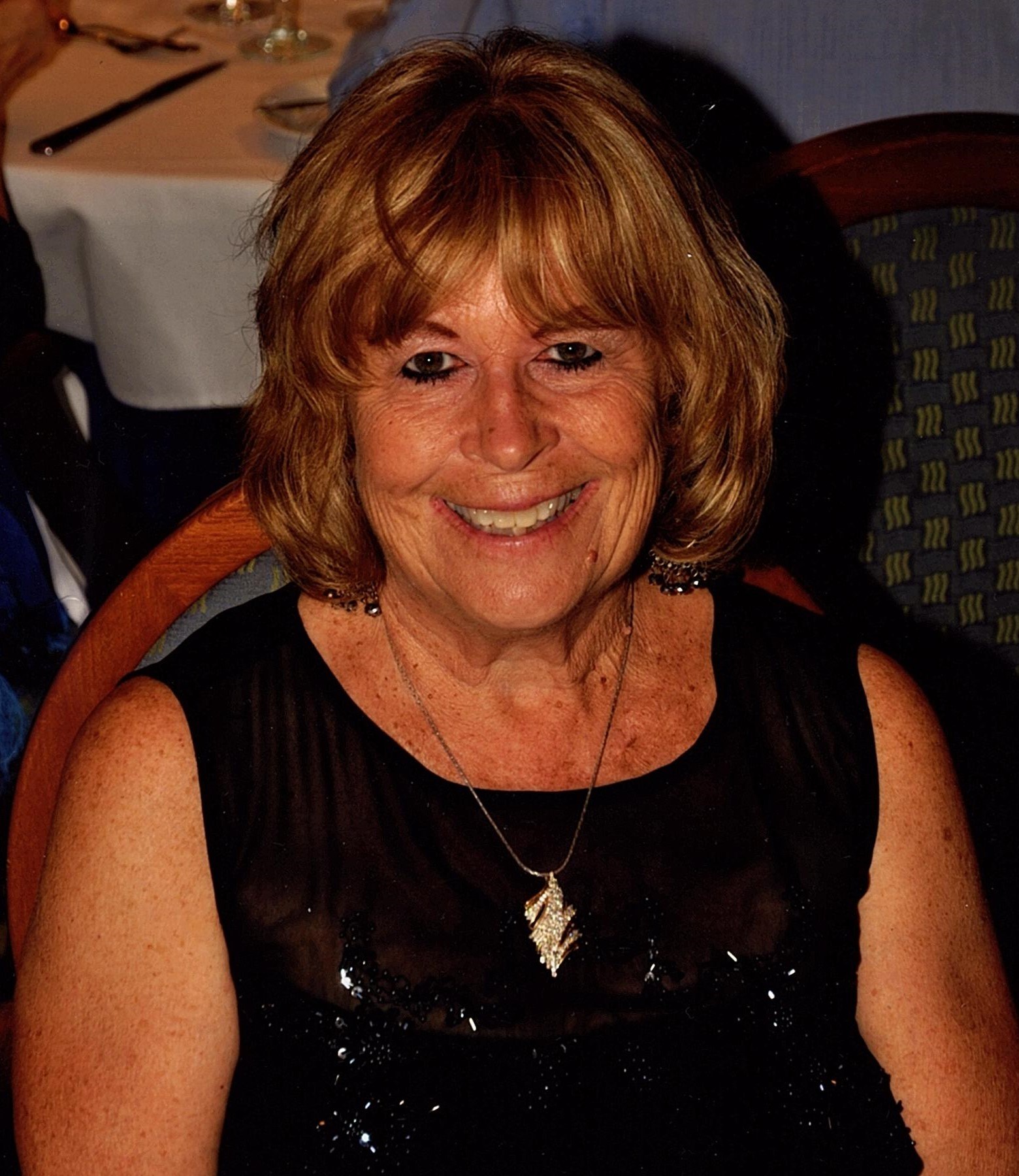
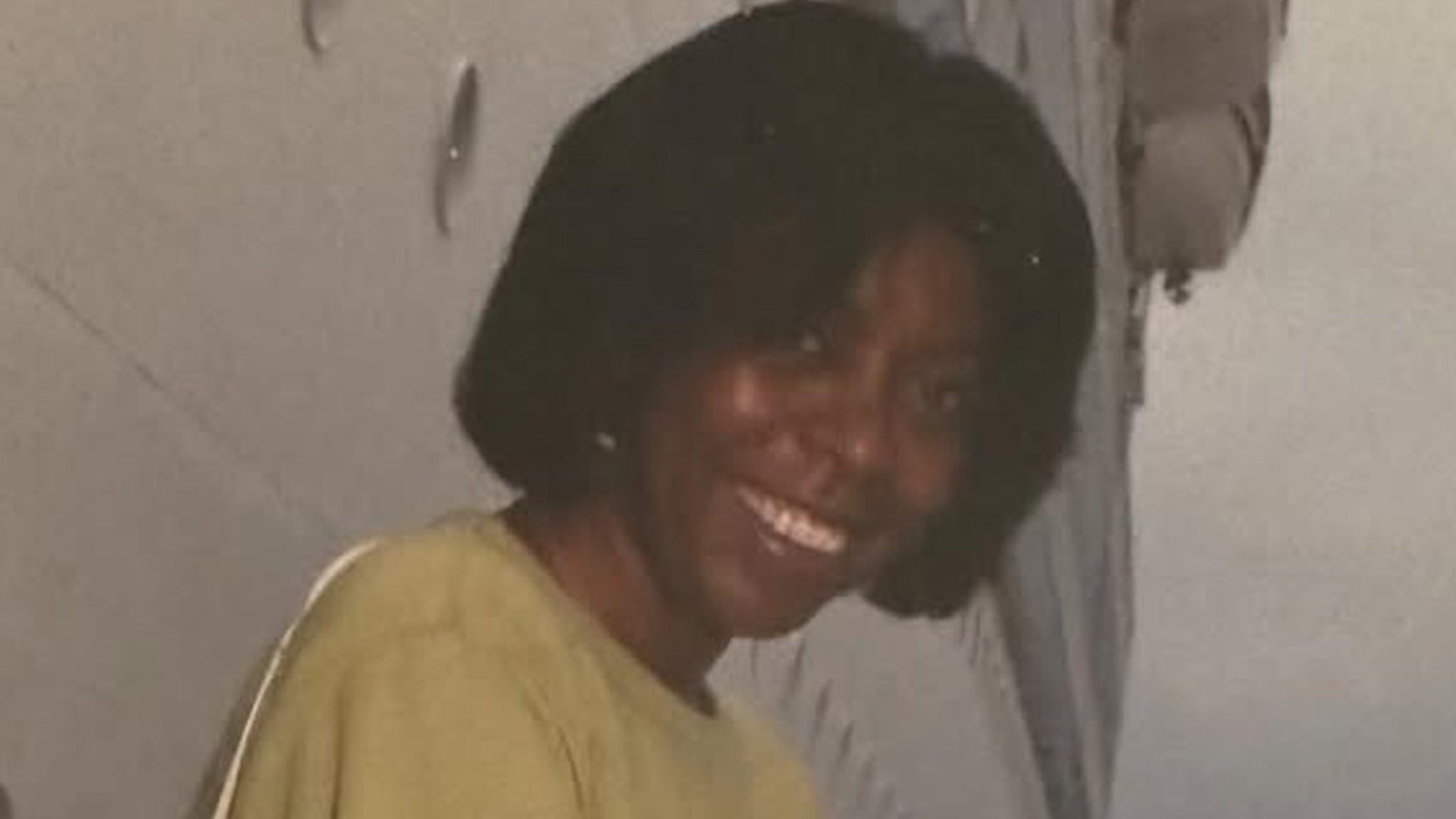
Alice Bell Roker, the beloved mother of NBC’s "Today" show weather anchor Al Roker, passed away on May 12, 2011, at the age of 73. A cornerstone of her family and a source of inspiration for her children, her legacy continues to be celebrated by her family and the millions of viewers who came to know her through her son’s heartfelt tributes.
The Life and Heritage of Alice Bell Roker
To understand the life of Alice Bell Roker is to understand the vibrant tapestry of the Caribbean-American experience in mid-20th century New York City. Born into a family with deep roots in Jamaica, Alice embodied the resilience and cultural richness of the West Indian diaspora. While she lived her life largely away from the blinding lights of television cameras, her influence was the invisible force behind one of America’s most recognizable media personalities.
Growing up in an era defined by significant social change, Alice Bell Roker maintained a steadfast commitment to traditional family values. Her parents, who emigrated from Jamaica, instilled in her a sense of discipline, a love for community, and an unwavering work ethic. These traits would later become the bedrock upon which she built her own family in Queens, New York. The neighborhood of Queens during the 1950s and 60s served as a melting pot for many immigrant families, and the Roker household was no exception, becoming a place where Caribbean traditions blended seamlessly with the American dream.
As a young woman, Alice was known for her grace and her ability to navigate the complexities of life in a bustling metropolis. Her heritage remained a point of immense pride, influencing everything from the food she prepared to the way she raised her children. She ensured that her children understood their roots, fostering a sense of identity that would eventually help Al Roker connect with diverse audiences across the globe.
Marriage and Family Life in Queens
Alice Bell Roker’s life took a definitive turn when she met and married Albert Lincoln Roker Sr. Their union was a partnership built on mutual respect and shared goals. Albert Sr., who worked as a bus driver for the New York City Transit Authority, found in Alice a partner who was equally dedicated to providing a stable and nurturing environment for their children. Together, they raised Al Roker and his siblings in a household where education, curiosity, and humor were prioritized.
Life in the Roker home was characterized by a sense of order and warmth. Alice was the primary caregiver, a role she embraced with both seriousness and joy. She was the one who managed the daily rhythms of the household, ensuring that the children were focused on their studies while also encouraging their creative pursuits. Al Roker has often reflected on his mother’s ability to "keep things moving," a phrase that suggests her logistical skill as a homemaker and her emotional strength as a parent.
The Roker family's residence in Queens was more than just a house; it was a sanctuary. In an era before the hyper-connectivity of the digital age, Alice ensured that the dinner table was a place of connection. It was here that the seeds of Al Roker’s legendary storytelling abilities were likely planted, nurtured by a mother who listened as much as she spoke. Her influence extended beyond the domestic sphere, as she was an active participant in her local community and church, embodying the role of the matriarch in every sense of the word.
The Influence on Al Roker’s Career
While Alice Bell Roker was not a public figure herself, her impact on the world of broadcasting is profound because of the man she helped shape. Al Roker has frequently credited his mother with teaching him the importance of authenticity. In the competitive world of morning television, where personas can sometimes feel manufactured, Al’s genuine warmth—a trait he attributes directly to his mother—allowed him to stand out.
Alice was Al’s "number one fan," but she was also his most honest critic. She watched his broadcasts with a keen eye, often offering feedback that was both supportive and grounding. For Al, his mother represented the "everyman" audience he was speaking to every morning. If a segment resonated with Alice, he knew it would resonate with viewers across the country.
One of the most enduring ways Alice influenced Al’s public persona was through his love of cooking. Al Roker’s culinary segments and cookbooks are steeped in the recipes and techniques he learned at his mother’s side. The "Mama Roker" brand of hospitality, which emphasizes generous portions and even more generous spirits, became a recurring theme on the "Today" show. Through these segments, the American public felt a kinship with Alice, even if they had never met her in person. Her kitchen was a classroom where Al learned that food is a language of love, a lesson he has shared with millions.
The Passing of Alice Bell Roker in 2011
The news of Alice Bell Roker’s death on May 12, 2011, brought a wave of mourning not only to the Roker family but also to the extended "Today" show family. She passed away at the age of 73 following a period of declining health. Her death came just a few years after the passing of her husband, Albert Sr., in 2007, marking the end of an era for the Roker siblings.
At the time of her passing, Al Roker took a brief leave of absence from his duties at NBC to be with his family and to grieve. The "Today" show aired a moving tribute to Alice, highlighting her role as the matriarch and showing clips of her occasional appearances on the show. The outpouring of support from viewers was immense, reflecting the deep connection Al had built with his audience—a connection that made his personal loss feel like a collective one.
The family chose to keep the specific details of her medical struggles private, focusing instead on celebrating her life. Her funeral service was a testament to the lives she touched, attended by family, friends, and Al’s NBC colleagues. It was a service filled with the Caribbean music she loved and stories of her sharp wit and enduring kindness. Even in death, Alice Bell Roker managed to bring people together, reminding them of the importance of family bonds.
A Legacy of Faith and Recipes
In the years since 2011, Alice Bell Roker’s legacy has remained a vibrant part of the Roker family narrative. Al Roker frequently mentions her on social media and during holiday broadcasts, often sharing "Mama Roker’s" recipes for sweet potato pone or traditional Jamaican dishes. These moments serve as a bridge between the past and the present, keeping her memory alive for a new generation of viewers.
Beyond the kitchen, Alice’s legacy is one of faith. She was a devout woman who relied on her spiritual convictions to navigate life’s challenges. This foundation of faith was something she passed down to her children, providing them with a moral compass that has guided them through their own successes and trials. In 2026, as we look back on her life, it is clear that her greatest achievement was not any singular event, but the consistent, quiet strength she provided to those around her.
The Roker family has also used Alice’s memory to support various charitable causes, particularly those focused on healthcare and community support in New York City. By honoring her through service, they ensure that the values she lived by—compassion, hard work, and dedication—continue to make a tangible impact on the world.
Summary of Key Information
| Fact | Detail |
|---|---|
| Full Name | Alice Bell Roker |
| Date of Birth | Late 1930s (Exact date kept private by family) |
| Date of Passing | May 12, 2011 |
| Age at Death | 73 |
| Place of Residence | Queens, New York |
| Heritage | Jamaican-American |
| Spouse | Albert Lincoln Roker Sr. (1932–2007) |
| Famous Children | Al Roker (NBC Weatherman) |
| Notable Influence | Culinary traditions, family values, public persona of Al Roker |
The Enduring Public Interest in Alice Bell Roker
It is rare for the parent of a celebrity to maintain a lasting presence in the public consciousness, but Alice Bell Roker is an exception. This is largely due to the vulnerability and openness with which Al Roker has shared his grief and his gratitude. In a culture that often moves quickly past loss, the Roker family’s commitment to remembering their matriarch offers a model for healthy grieving and legacy-building.
Search interest in "Alice Bell Roker obituary" often peaks around Mother’s Day and the anniversary of her passing. For many, she represents the "Greatest Generation" of parents who worked tirelessly behind the scenes to ensure their children had opportunities they themselves did not. Her story is the story of many American families, making her a relatable and revered figure even years after her departure.
For those looking to honor her memory, Al Roker often suggests supporting local community gardens or food banks—places that reflect her love for nourishing others. Her life serves as a reminder that the most significant legacies are often built in the quiet moments of daily life: in the meals shared, the lessons taught, and the love given without reservation.
Frequently Asked Questions
When did Alice Bell Roker pass away?
Alice Bell Roker passed away on May 12, 2011. She was 73 years old at the time of her death. Her passing was announced by NBC, and her son, Al Roker, took time off from the "Today" show to be with his family during the mourning period.
What was Alice Bell Roker’s cause of death?
While the Roker family acknowledged that she had been dealing with health issues leading up to her passing, they chose to keep the specific medical cause of death private. Al Roker has occasionally spoken about the challenges of caregiving for aging parents, emphasizing the emotional journey rather than clinical details.
How did Al Roker honor his mother?
Al Roker has honored his mother in numerous ways, most notably through his cookbooks and television segments where he shares her recipes. He also frequently posts tributes to her on social media, especially on her birthday and Mother’s Day, highlighting the lessons she taught him about life and family.
What was Alice Bell Roker’s heritage?
Alice Bell Roker was of Jamaican descent. Her parents emigrated from Jamaica to New York City, and she remained very proud of her Caribbean roots throughout her life. This heritage influenced the culture of the Roker household, from the food they ate to the values of hard work and faith they practiced.
Where did Alice Bell Roker live?
Alice spent the majority of her adult life in Queens, New York. Along with her husband, Albert Roker Sr., she raised her children in the borough, contributing to the local community and her church. Queens remained a central part of her identity as a New Yorker and a matriarch.
Recommended Next Steps for Readers
For those interested in learning more about the values and traditions Alice Bell Roker passed down to her family, consider the following actions:
- Explore the Roker Family Recipes: Many of Alice’s signature dishes are featured in Al Roker’s cookbooks, such as "Al Roker's Big Bad Book of Barbecue." Preparing these recipes is a practical way to engage with the legacy of "Mama Roker."
- Support Caregiver Resources: Al Roker has been a vocal advocate for those caring for aging parents. Organizations like AARP provide resources for families navigating the same path the Rokers did in Alice’s final years.
- Reflect on Family History: Use the story of Alice Bell Roker as inspiration to document your own family’s matriarchal or patriarchal history. Preserving stories of heritage and migration is vital for future generations.