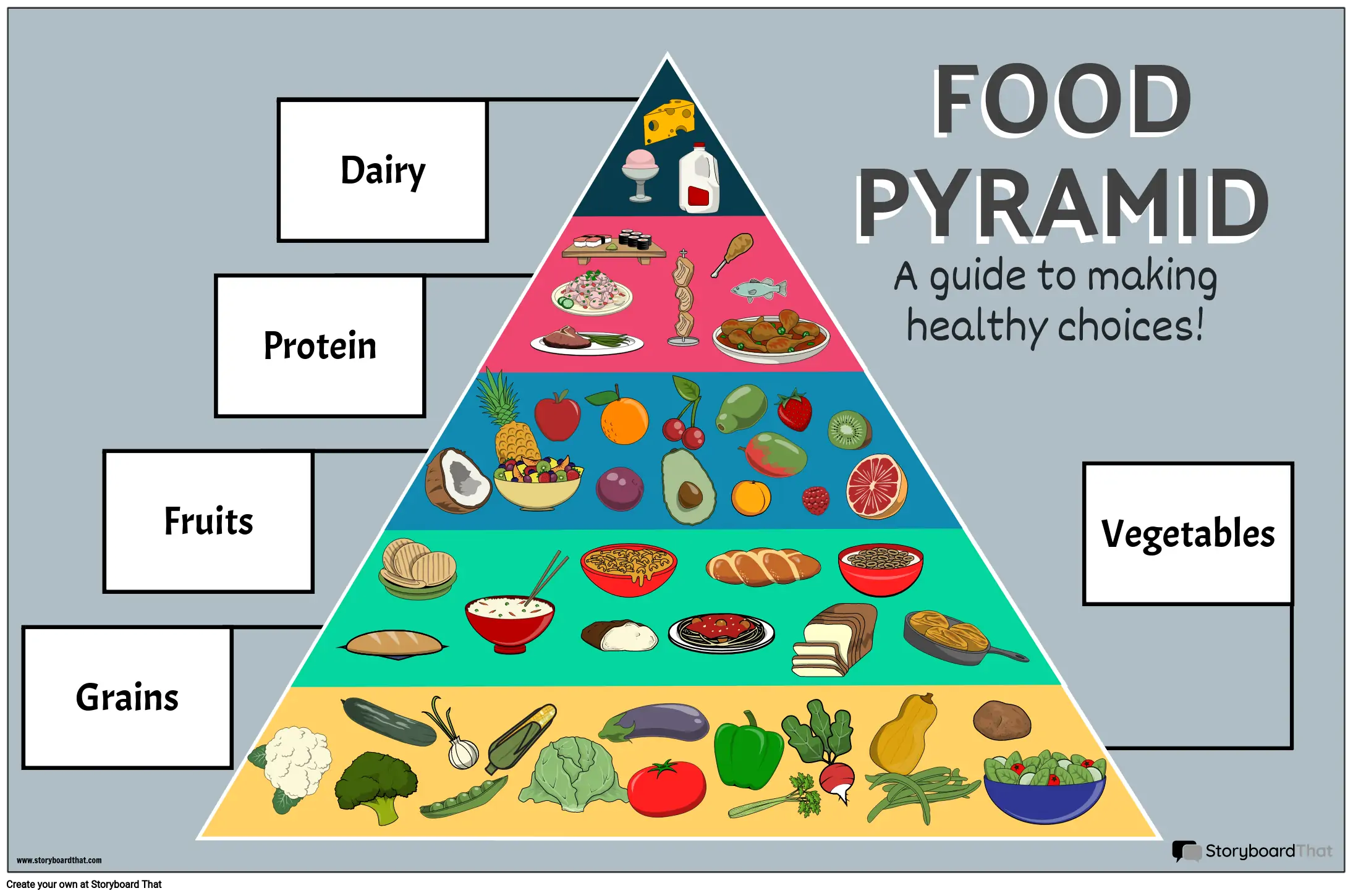
The alcohol food pyramid is a conceptual framework designed to help individuals categorize alcoholic beverages by their potency, caloric content, and health impact. Similar to the traditional nutritional pyramid, it places high-volume, low-alcohol, and hydrating options at the broad base, while reserving high-proof spirits and sugary cocktails for the narrow peak, advocating for a "less is more" approach to maintain long-term physiological health and cognitive function.
Balanced drinking in 2026 is no longer just about avoiding a hangover; it is about understanding the metabolic tax alcohol places on the body. As health consciousness evolves, the alcohol food pyramid serves as a visual and practical roadmap for navigating social environments without compromising wellness goals. This guide examines the tiers of the pyramid, the science of moderation, and practical strategies for integrating alcohol into a balanced lifestyle.
The Foundation of the Alcohol Food Pyramid: Hydration and Non-Alcoholic Bases
In any functional alcohol food pyramid, the foundation—the widest part of the structure—is not actually alcohol. It is water and non-alcoholic "spacers." This tier represents the prerequisite for safe consumption. For every standard serving of alcohol, the pyramid model suggests at least one equal volume of water.
Alcohol is a known diuretic. It inhibits the production of vasopressin, an antidiuretic hormone that helps the kidneys manage the amount of water in the body. When vasopressin is suppressed, the kidneys send water directly to the bladder rather than reabsorbing it into the bloodstream, leading to rapid dehydration. By making water the base of the drinking pyramid, individuals can mitigate the dehydrating effects that lead to headaches, fatigue, and cognitive fog.
Furthermore, 2026 has seen a massive surge in "Zero-Proof" spirits and botanical infusions. These beverages occupy the lower-middle section of the foundation. They provide the ritual of a cocktail—complex flavor profiles, bitters, and sophisticated glassware—without the ethanol content. Utilizing these as "alternators" between alcoholic drinks is a core strategy for maintaining balance.
The Lower Tier: Low-ABV and Fermented Beverages
The first tier of actual alcohol consumption in the pyramid consists of low-alcohol-by-volume (ABV) beverages, typically ranging from 3% to 6%. This includes light lagers, traditional hard seltzers, and low-ABV "session" ales.
The rationale for placing these at the lower tier is twofold: volume and pacing. Because these drinks are more diluted, the body processes the ethanol more gradually. A standard 12-ounce light beer contains approximately 0.6 ounces of pure alcohol. When consumed over an hour, the liver—which generally metabolizes about one standard drink per hour—can keep pace with the intake, preventing a significant spike in Blood Alcohol Concentration (BAC).
Fermented beverages like unpasteurized cider or specific craft beers also contain trace amounts of polyphenols and B vitamins, though these should never be viewed as primary nutritional sources. The key to this tier is mindful selection; opting for "clean" ferments without excessive added sugars ensures that the metabolic load remains focused on the ethanol rather than a dual-front battle against glucose spikes.
The Middle Tier: Wine and Standard Strength Beers
The middle section of the alcohol food pyramid includes standard wines (12%–14% ABV) and traditional ales or stouts (6%–8% ABV). These are the most common "lifestyle" drinks, often paired with meals. In a balanced drinking model, this tier is consumed with moderate frequency—ideally limited to one or two servings in a single sitting, a few times per week.
The Role of Wine in the Pyramid
Wine, particularly red wine, has long been studied for its potential cardiovascular benefits, largely attributed to resveratrol, a polyphenol found in grape skins. However, in 2026, the scientific consensus emphasizes that while these compounds are beneficial, the alcohol itself remains a toxin. Therefore, the "balance" in this tier comes from pairing wine with fiber-rich and protein-rich meals. Food slows the gastric emptying process, meaning the alcohol enters the small intestine (where most of it is absorbed) more slowly, leading to a flatter BAC curve.
Craft Beers and Nutrient Density
Standard strength craft beers are often higher in calories than light lagers, sometimes reaching 200–300 calories per pint. In the context of a food pyramid, these are treated more like "liquid bread." They provide a sense of satiety but can contribute to "hidden" caloric intake that leads to metabolic dysfunction if consumed daily.
The Upper Tier: Spirits and Neat Pours
As we move toward the top of the pyramid, the concentration of alcohol increases significantly. This tier consists of spirits like whiskey, gin, vodka, and tequila, typically bottled at 40% ABV (80 proof) or higher.
Spirits are placed near the peak because their high concentration makes it easy to overshoot moderate drinking limits. A single 1.5-ounce shot contains the same amount of ethanol as a 12-ounce beer. Because the volume is so small, it is frequently consumed too quickly, leading to rapid intoxication.
To maintain balance within this tier, the "neat" or "on the rocks" approach is often preferred over mixing. Drinking spirits slowly allows the palate to appreciate the complexity of the distillation process while naturally slowing the rate of consumption. For those following a balanced drinking guide, spirits are best reserved for occasional tasting rather than high-volume consumption.
The Peak: High-Sugar Cocktails and Liqueurs
The very tip of the alcohol food pyramid—the smallest section—is reserved for high-sugar cocktails, dessert wines, and heavy liqueurs. These beverages represent the highest metabolic "cost" to the body.
When alcohol is consumed alongside high amounts of refined sugar (as found in margaritas, daiquiris, or cream-based liqueurs), the liver is forced to prioritize the processing of ethanol over the regulation of blood glucose. This often results in a "sugar crash" several hours later, which compounds the lethargy associated with alcohol consumption.
Characteristics of Peak-Tier Drinks:
- High Caloric Density: A single frozen cocktail can exceed 500 calories.
- Rapid Absorption: Sugar can speed up the rate at which alcohol enters the bloodstream in some individuals.
- Increased Inflammation: The combination of ethanol and fructose is particularly taxing on the liver and can promote systemic inflammation.
In a balanced drinking guide, these items are "treats" rather than staples. They are the "candy" of the alcohol world, to be enjoyed sparingly and with full awareness of their impact on daily nutritional targets.
Comparative Overview of Alcohol Tiers
The following table provides a breakdown of standard servings and their relative positions within the 2026 alcohol food pyramid framework.
| Beverage Type | Standard Serving Size | Avg. ABV | Pyramid Tier | Metabolic Impact |
|---|---|---|---|---|
| Water / 0.0% Alternatives | 8 - 12 oz | 0% | Foundation | Hydrating; mitigates toxicity |
| Light Beer / Hard Seltzer | 12 oz | 4.2% | Lower Tier | Low calorie; manageable pacing |
| Standard Wine | 5 oz | 12% | Middle Tier | Moderate; best with food |
| Craft Ale / IPA | 12 oz | 7% | Middle Tier | Higher calorie; nutrient-dense |
| 80-Proof Spirits | 1.5 oz | 40% | Upper Tier | High concentration; needs pacing |
| Sweet Cocktails / Liqueurs | 4 - 8 oz | Varies | The Peak | High sugar; maximum liver load |
The Science of Moderation: Defining the "Standard Drink"
To use the alcohol food pyramid effectively, one must understand the definition of a "standard drink." In the United States, a standard drink contains approximately 14 grams of pure alcohol. According to the National Institute on Alcohol Abuse and Alcoholism (NIAAA), this equates to:
- 12 fl oz of regular beer (about 5% alcohol).
- 5 fl oz of wine (about 12% alcohol).
- 1.5 fl oz of distilled spirits (about 40% alcohol).
In 2026, many craft beverages far exceed these percentages. A single 16-ounce "tall boy" of a 9% ABV Double IPA is actually equivalent to 2.4 standard drinks. Without adjusting one's position on the pyramid, it is easy to accidentally enter "heavy drinking" territory while only consuming two physical servings.
Physiological Factors Influencing Balance
Balanced drinking is not a one-size-fits-all metric. Several biological factors determine how an individual moves through the tiers of the pyramid.
Biological Sex and Body Composition
On average, women have less body water than men of similar weight. Because alcohol is distributed in body water, a woman’s BAC will typically rise faster than a man’s after drinking the same amount. Additionally, women usually have lower levels of alcohol dehydrogenase (ADH), the enzyme that breaks down alcohol in the stomach. Consequently, the "Middle Tier" of the pyramid for a woman may be more restrictive than for a man.
Age and Metabolism
As we age, the liver's ability to process toxins efficiently can decrease. Furthermore, the percentage of body fat typically increases while muscle mass (which holds water) decreases. This means that the same "standard drink" consumed at age 25 will result in a higher BAC and a longer recovery time at age 55. A balanced drinking guide in 2026 emphasizes "down-shifting" tiers as one enters middle and late adulthood.
The "J-Curve" and Cardiovascular Health
For decades, researchers observed a "J-shaped" curve in alcohol data, suggesting that moderate drinkers had lower risks of heart disease than both heavy drinkers and abstainers. However, modern analysis—as noted by the World Health Organization (WHO)—suggests that many of these benefits were overstated or influenced by other lifestyle factors. The current 2026 stance is that while moderate drinking can fit into a healthy life, "no level of alcohol consumption is completely safe for health."
Practical Strategies for Implementing the Pyramid
Maintaining balance requires more than just knowledge; it requires tactical execution during social events.
- The "Rule of One": Limit consumption to one standard drink per hour. This aligns with the liver’s metabolic rate and prevents the "stacking" of ethanol in the bloodstream.
- The "Spacer" Method: For every drink from the middle or upper tiers, consume 12 ounces of water or a non-alcoholic botanical beverage from the foundation tier.
- Front-Loading Hydration: Drink 16–24 ounces of water before the first alcoholic beverage. This ensures you are not drinking for thirst, which often leads to rapid consumption.
- The "Hard Stop" Time: Set a time to stop drinking (e.g., two hours before sleep). Alcohol significantly disrupts REM sleep, and stopping early allows the body to begin processing the ethanol before the sleep cycle starts.
Managing the "Empty Calories" of Alcohol
One of the primary reasons for the pyramid structure is to manage weight. Alcohol provides 7 calories per gram, making it more energy-dense than carbohydrates (4 cal/g) and protein (4 cal/g), and nearly as dense as fat (9 cal/g).
Unlike carbohydrates or proteins, alcohol calories are "empty," meaning they provide no essential vitamins or minerals. When the body detects acetate (a byproduct of alcohol metabolism), it stops burning fat and carbohydrates to focus on clearing the acetate. Frequent movement into the "Upper Tier" and "Peak" of the pyramid can lead to metabolic stalling, where the body’s ability to utilize stored fat is suppressed for hours or even days.
Frequently Asked Questions
Is red wine better for you than white wine?
While red wine contains more polyphenols like resveratrol due to longer contact with grape skins during fermentation, the difference is marginal in the context of a standard diet. From a balanced drinking perspective, the alcohol content remains the primary concern. One should choose the variety they enjoy most but adhere to the serving size limits of the middle tier.
Does mixing different types of alcohol cause worse hangovers?
The "mixing" itself isn't the culprit; rather, it is the total amount of ethanol and congeners (fermentation byproducts) consumed. Switching from beer to spirits often leads to a higher total volume of alcohol than sticking to one type. Additionally, different drinks contain different congeners (darker spirits generally have more), which can compound the severity of a hangover.
How does food affect the alcohol food pyramid?
Food is the "anchor" of the pyramid. Protein and healthy fats are especially effective at slowing alcohol absorption. Drinking on an empty stomach allows alcohol to pass almost immediately into the small intestine, leading to a rapid BAC spike that bypasses the "balanced" intent of the pyramid.
Can "Dry January" or "Sober October" reset my tolerance?
Periodic abstinence can allow the liver to recover and reduce systemic inflammation. It also helps recalibrate the brain's reward system, which can become desensitized by regular alcohol use. However, these breaks are most effective when they lead to a permanent shift toward the lower tiers of the alcohol pyramid rather than a return to heavy drinking.
Are "organic" or "natural" wines healthier?
Organic wines are produced without synthetic pesticides, and "natural" wines typically have fewer additives like sulfites. While this may reduce the intake of specific chemicals, the ethanol content—the primary driver of health impact—remains the same. They should be treated as "Middle Tier" beverages regardless of their production method.
Moving Toward Mindful Consumption
The alcohol food pyramid is not about prohibition; it is about intentionality. By viewing alcoholic beverages through a hierarchical lens, you can make informed choices that prioritize your long-term health while still participating in the social rituals associated with drinking.
For 2026 and beyond, the most effective path to balance is to treat alcohol as a "condiment" to life—something used to enhance a meal or a social occasion in small quantities, rather than a central pillar of daily routine. If you find it difficult to stay within the lower tiers of the pyramid or if your consumption regularly reaches the "Peak" without control, it may be beneficial to consult with a healthcare professional to discuss your relationship with alcohol and explore strategies for a healthier lifestyle.