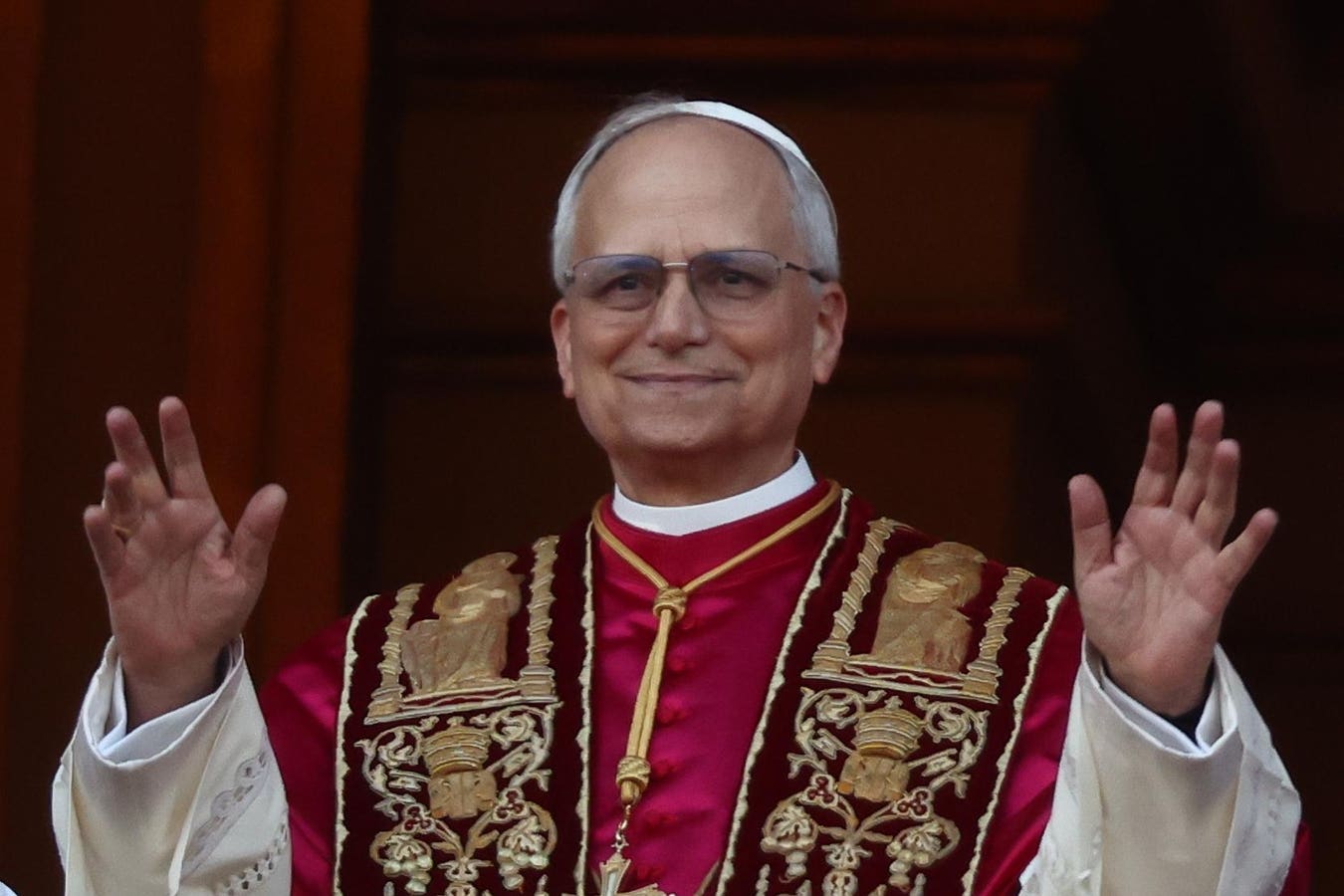
The viral photograph depicting Pope Francis in a stylish, oversized white puffer jacket, generated by the artificial intelligence tool Midjourney in early 2023, became a landmark moment in the evolution of synthetic media. It sparked a worldwide debate concerning the erosion of visual trust, the ethics of AI-generated misinformation, and the urgent need for robust digital literacy in an era where seeing is no longer believing.
The Origin and Rapid Proliferation of the Image
In March 2023, a user posted an image of Pope Francis wearing a high-fashion, white puffer jacket to a Reddit community dedicated to Midjourney, a generative AI program. The image was remarkably convincing; it utilized accurate lighting, realistic textures, and the familiar iconography of the Pontiff to create a scene that appeared entirely authentic. Within hours, the image moved from niche internet forums to mainstream social media platforms like X (formerly Twitter), Instagram, and TikTok.
Because the image did not initially carry any watermark or disclosure, thousands of users shared it under the assumption that it was a genuine photograph captured during an official Vatican appearance. The lack of context allowed for a rapid, unchecked spread, demonstrating how quickly synthetic media can bypass traditional gatekeepers of news and information. By the time reputable fact-checking organizations confirmed the image was a fabrication, it had already garnered millions of views and established itself in the collective consciousness as a defining example of modern digital manipulation.
Why the Image Was So Persuasive
The technical success of the "AI Pope" image can be attributed to several factors inherent to the architecture of contemporary diffusion models. Midjourney, at that time, had recently undergone significant updates that allowed for greater nuance in rendering clothing textures—such as the sheen of nylon—and complex human anatomy.
- Plausibility Bias: The image relied on a trope of "unexpected reality." It was just strange enough to be interesting but not so fantastical that the human brain immediately rejected it as a CGI construct.
- Contextual Mismatch: Users often judge the authenticity of an image based on the surrounding environment. Because the Pope is frequently photographed in various settings, viewers were primed to accept an image that looked consistent with the aesthetic of photojournalism.
- The "Uncanny Valley" Threshold: In this instance, the AI successfully crossed out of the uncanny valley, where images appear "almost" human but clearly synthetic. By focusing on clothing rather than the complexities of skin texture or micro-expressions, the generator minimized the common artifacts that usually reveal AI-produced imagery.
The Societal Impact and Distrust
The fallout from the image was not merely about the absurdity of a fashionable Pope; it signaled a profound shift in the relationship between citizens and digital information. For decades, the photograph was considered the gold standard of objective truth. The AI Pope incident effectively invalidated that heuristic.
This debate moved quickly from tech enthusiasts to political and sociological spheres. Critics argued that if a harmless image of the Pope could be mistaken for truth, the potential for malicious actors to create deepfake videos of politicians, military figures, or business leaders—designed to influence elections or financial markets—was high. The incident served as a wake-up call for legislators and social media companies regarding the need for "provenance" or "watermarking" technologies.
Technical Limitations and Identification
Identifying AI-generated images requires a blend of algorithmic detection and human skepticism. While specialized software is being developed to detect pixel-level inconsistencies, manual identification often relies on observing the "hallucinations" common in early to mid-2023 generation models.
| Feature Type | AI-Generated Characteristics (circa 2023) | Real Photograph Indicators |
|---|---|---|
| Anatomical Integrity | Hands, fingers, or jewelry often merge into objects or become distorted. | Proportions are consistently accurate and grounded in physics. |
| Background Detail | Text in the background is frequently garbled or inconsistent. | Signs, documents, and environment details remain legible. |
| Lighting Consistency | Light sources may conflict or fail to cast proper shadows on objects. | Consistent light temperature and directional shadow falloff. |
| Texture Smoothing | Skin or fabrics often appear unnaturally plastic or "over-sharpened." | Natural grain, pores, and fabric weave are visible under zoom. |
The Ethics of Generative AI
The debate surrounding the Pope image highlighted the ethical vacuum in which generative AI tools were operating. Unlike traditional photography, which requires physical presence and light interaction, synthetic generation is a process of predictive modeling. When an AI generates an image, it is not "capturing" reality; it is predicting the most likely arrangement of pixels based on a vast dataset.
The ethical tension lies in the lack of transparency. When platforms allow the generation of realistic figures without mandatory metadata tagging—which would embed "AI-generated" status directly into the file's information—the burden of proof falls entirely on the viewer. This is increasingly unsustainable for an average user who may encounter hundreds of images daily across various feeds.
Legislative and Platform Responses
Following the 2023 incident, various stakeholders began implementing guardrails to mitigate the risk of viral misinformation.
- Content Provenance and Authenticity (C2PA): This industry-wide standard began gaining traction as a way to "digitally sign" images. By attaching a tamper-evident metadata manifest to a file, software can verify the history of the image from camera to cloud.
- Platform Labeling: By 2026, many major social media platforms now automatically flag content identified as AI-generated. While not perfect, these labels serve as a mandatory warning to users that the visual data may not represent a historical fact.
- Generative Policy Changes: Companies like Midjourney, OpenAI, and Adobe have updated their terms of service and technical filters to restrict the generation of specific high-profile individuals to prevent similar incidents from causing mass confusion.
Digital Literacy in the Era of Synthetic Media
As the sophistication of generative models increases, the strategy for consuming media must change. Users must move from a state of "passive consumption" to "active verification."
- Reverse Image Search: Always attempt to verify the origin of a striking photo using tools that track the image's first appearance on the web.
- Examine the Source: If an image is presented without a link to a credible news organization or a primary source, exercise extreme caution.
- Look for Inconsistencies: Train the eye to look for the "hallucinations" mentioned in the technical table above. AI struggles with the logic of reality; it understands patterns, not physics.
- Cross-Reference: Ask if the event reported in the image is being covered by major, reliable news outlets. If an image is the only "proof" of a significant event, it is likely fabricated.
FAQs on AI Media Risks
How can I tell if an image is real or AI-generated? Start by looking for artifacts: distorted fingers, blurred text, or nonsensical background objects. If you cannot confirm the source through a reputable news entity, use a reverse image search to see if the file has been widely debunked.
Is it illegal to create AI images of public figures? In many jurisdictions, the legality depends on the intent. If the image is created for satire or artistic expression, it is often protected under free speech, but if it is used to commit fraud, defamation, or to incite panic, it may violate specific local laws regarding digital impersonation.
What is C2PA? C2PA (Coalition for Content Provenance and Authenticity) is a technical standard that allows photographers and creators to attach verifiable metadata to their work. This tells the viewer who created the image, when it was created, and whether it has been edited by AI.
Why are images like the Pope puffer jacket so effective? These images succeed because they tap into "contextual plausibility." Because the subject is a known, real person, our brains are already prepared to believe it is a genuine photograph. The novelty of the image also drives viral engagement, which overrides our natural skepticism.
Does AI eventually become indistinguishable from reality? Technically, yes. As models improve, the visible artifacts that help us identify AI imagery disappear. This is why the future of verification will likely rely on cryptographic signatures and metadata rather than human observation alone.
Next Steps for Digital Safety
The "AI Pope" was a formative lesson in the risks of a post-truth visual culture. To stay informed and protected, verify the source of any viral image before sharing it. If you suspect an image is AI-generated, use platform reporting tools to flag it for review. As of 2026, the best defense against synthetic misinformation is a combination of technological metadata standards and an educated, skeptical public.