Earning a psychology degree in the United States does not require taking on insurmountable student loan debt, as numerous public institutions, regional universities, and online platforms offer high-quality, regionally accredited undergraduate programs with low tuition rates. Finding an affordable pathway involves evaluating in-state tuition benefits, public university systems, financial aid structures, and credit transfer options to minimize the overall cost of higher education.
Understanding the True Cost of an Undergraduate Psychology Degree
When evaluating affordable colleges for psychology in the US, prospective students must look beyond the sticker price of tuition. The total cost of attendance (COA) encompasses mandatory institutional fees, textbook expenses, digital learning software licenses, and housing or commuting costs. Public institutions generally offer the lowest tuition rates for residents of their home states, while out-of-state students face significantly higher price points unless they qualify for regional tuition reciprocity agreements.
Furthermore, psychology programs often require specialized resources, such as access to statistical software packages (like SPSS), psychological journals, and laboratory equipment for experimental psychology tracks. Prospective majors should check whether these tools are included in student fees or require out-of-pocket purchases. Understanding these baseline financial obligations helps students build a realistic budget before submitting applications.
Public University Systems and In-State Tuition Advantage
For most students, the most financially viable route to a bachelor's degree in psychology is attending a public, state-funded university within their state of legal residence. State legislatures subsidize public institutions for local taxpayers, making in-state tuition a fraction of the cost charged by private, non-profit, or for-profit universities.
Regional Tuition Reciprocity Programs
Students living in specific regions of the United States can access reduced tuition rates outside their home states through interstate compacts. These agreements allow students to pay in-state or discounted tuition (usually 150% of in-state costs) at participating out-of-state public institutions if their home state does not offer a specific major or if the regional program is closer geographically.
- Academic Common Market (SREB): Serves Southern states, enabling students to pursue specific degree programs not offered in their home state at in-state tuition rates.
- WUE (Western Undergraduate Exchange): Operated by the Western Interstate Commission for Higher Education (WICHE), allowing students from western states to enroll in designated programs across participating states at reduced rates.
- MSEP (Midwest Student Exchange Program): Connects students in Midwestern states with reduced-tuition options at participating public universities.
- Northeast Student Exchange (NESEP): Provides tuition savings for eligible students attending public institutions across participating northeastern states.
Top Affordable Public and Online Universities for Psychology
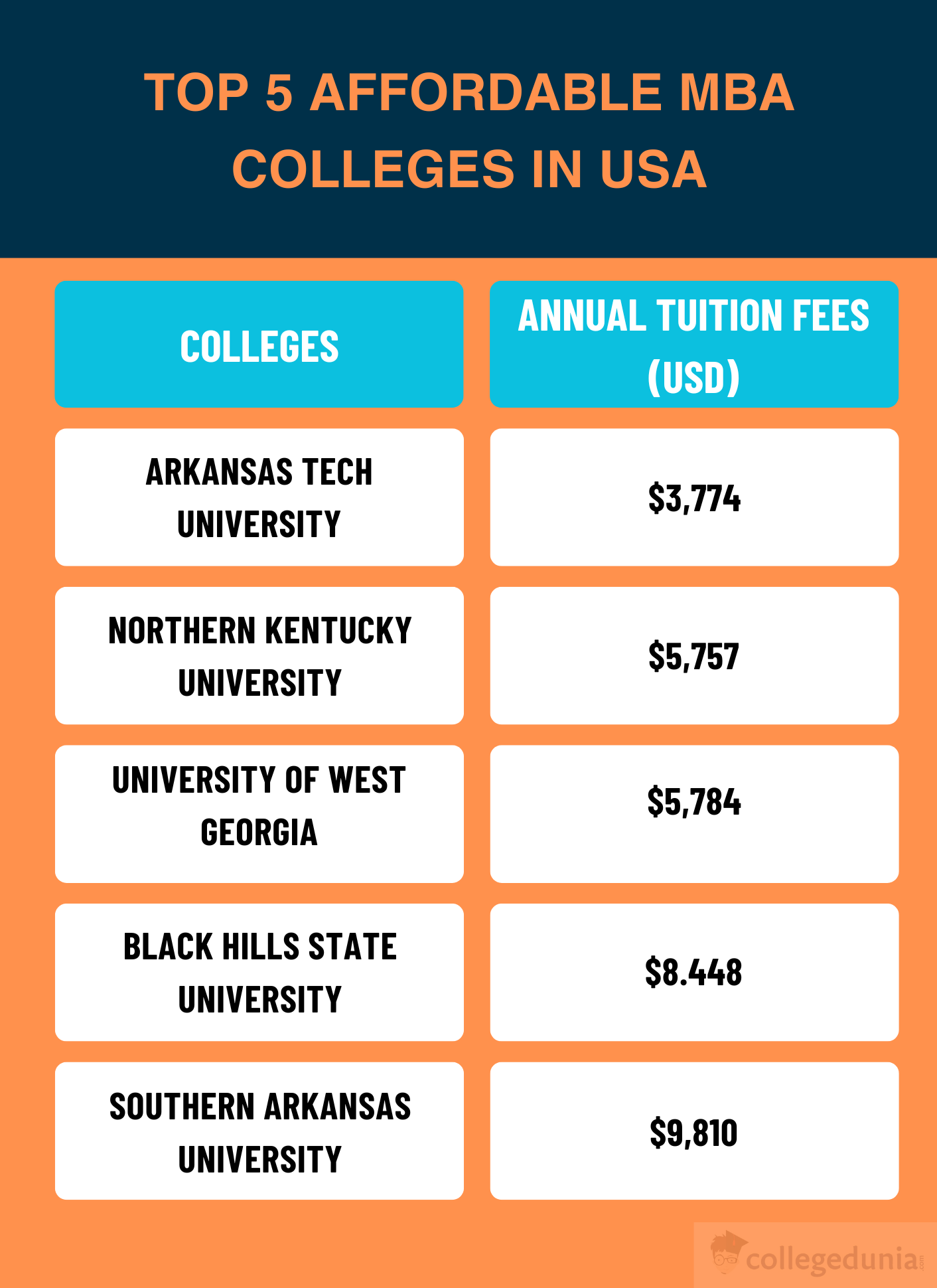
Several institutions stand out for offering rigorous psychology curricula alongside highly competitive tuition rates. The table below outlines select public and non-profit institutions known for accessible undergraduate psychology programs.
| Institution | Location / Format | Estimated In-State Tuition (Annual) | Estimated Out-of-State Tuition (Annual) | Accreditation |
|---|---|---|---|---|
| CUNY Hunter College | New York, NY (On-Campus) | ~$7,000 | ~$15,000 | Middle States Commission on Higher Education |
| University of Florida | Gainesville, FL / Online | ~$6,380 | ~$28,650 | Southern Association of Colleges and Schools |
| Arizona State University | Tempe, AZ / Online | ~$11,300 | ~$30,500 | Higher Learning Commission |
| Western Governors University | Online (Competency-Based) | ~$8,000 (Flat Rate) | ~$8,000 (Flat Rate) | Northwest Commission on Colleges and Universities |
| Fort Hays State University | Hays, KS / Online | ~$5,400 | ~$16,000 | Higher Learning Commission |
Note: Tuition figures are approximate base rates for full-time undergraduate enrollment and exclude housing, meal plans, and course-specific fees. Rates are subject to change by institutional governing boards.
Maximizing Financial Aid and Scholarships for Psychology Majors
Securing an affordable education extends beyond choosing a low-tuition institution. Students must aggressively pursue federal, state, and institutional financial aid to bridge any remaining funding gaps.
Completing the FAFSA
Every prospective and current college student should complete the Free Application for Federal Student Aid (FAFSA) annually. The FAFSA determines eligibility for federal Pell Grants, subsidized and unsubsidized federal student loans, and federal work-study programs. Many state governments and individual universities also use FAFSA data to award institutional merit- and need-based grants.
Psychology-Specific Scholarships
While general academic scholarships help offset costs, numerous professional organizations offer funding specifically for psychology undergraduates:
- Psi Chi (The International Honor Society in Psychology): Offers various research grants, travel awards, and undergraduate scholarships for active members.
- American Psychological Association (APA): Provides resources, minority fellowship information, and links to regional grants for psychology students.
- Local Mental Health Agencies: Community mental health centers and hospital networks sometimes sponsor tuition assistance programs or service-commitment scholarships for students agreeing to work locally post-graduation.
Alternative Pathways to Lower Psychology Degree Costs
Traditional four-year enrollment is not the only way to earn a bachelor's degree in psychology. Strategic planning can drastically reduce the time and money required to graduate.
Community College Transfer Pathways
Starting at a local community college for the first two years of general education and introductory psychology courses is one of the most effective cost-saving strategies. Most community colleges maintain articulation agreements with four-year state universities, guaranteeing that credits transfer seamlessly and count toward the major requirements. Students should verify transfer equivalencies early to prevent taking redundant coursework.
Credit-by-Exam Programs
Students can earn college credit for introductory psychology concepts by passing standardized exams such as the College-Level Examination Program (CLEP) Introductory Psychology test. Passing scores are accepted by thousands of colleges and universities, allowing students to bypass introductory courses and save hundreds of dollars in tuition and textbook fees per exam.
Evaluating Program Quality and Accreditation
When seeking affordability, students must not compromise on institutional quality. Attending a non-accredited or predatory institution can render a degree useless for graduate school admissions or professional licensing.
Regional Accreditation
Ensure that any college or university under consideration holds institutional accreditation from one of the recognized regional accrediting agencies approved by the U.S. Department of Education. Regional accreditation ensures that credits can transfer easily and that the degree will be respected by employers and graduate admissions committees.
Programmatic Considerations for Future Careers
A bachelor's degree in psychology serves as a stepping stone for various career paths, including human resources, social services, marketing, and research. However, practicing clinical or counseling psychology independently requires a graduate degree (master's or doctorate). Students choosing an affordable undergraduate program should ensure the curriculum offers robust foundational courses in research methods, statistics, and biopsychology to build a competitive profile for future graduate studies.
Common Mistakes to Avoid When Choosing an Affordable College
Navigating the higher education landscape involves avoiding several financial and academic pitfalls:
- Ignoring Net Price Calculators: Relying solely on the sticker price of tuition without factoring in institutional aid, grants, and scholarships can lead students to overlook more affordable options.
- Overlooking Out-of-State Fees in Online Programs: Some students assume online programs charge flat in-state rates regardless of where the student lives. Many public universities charge higher non-resident tuition rates for online learners residing outside state lines.
- Failing to Check Transfer Credit Caps: Students transferring from community colleges must verify the maximum number of credits a four-year institution will accept to avoid repeating coursework.
- Neglecting Textbook and Software Costs: Specialized psychology textbooks and statistical software subscriptions can add hundreds of dollars per semester to educational expenses.
Frequently Asked Questions
Can I earn an accredited psychology degree entirely online affordably?
Yes. Many reputable public and non-profit universities offer fully online bachelor's degrees in psychology at competitive tuition rates. Institutions like Arizona State University, the University of Florida, and Fort Hays State University provide structured online programs backed by regional accreditation, ensuring the degree holds the same professional weight as an on-campus credential.
Are for-profit online colleges a good option for budget-conscious psychology students?
Generally, no. For-profit colleges often charge higher tuition rates per credit hour than public or non-profit institutions, and their credits frequently do not transfer to traditional universities. Furthermore, some for-profit programs face scrutiny regarding graduation rates and regional accreditation status. Stick to public or private non-profit institutions for better value and academic recognition.
Do I need a master's degree to work in the psychology field?
A bachelor's degree in psychology qualifies graduates for entry-level positions in human services, case management, psychiatric technician roles, sales, and human resources. However, practicing as a licensed psychologist, counselor, or therapist requires a graduate-level degree (master's or doctorate) and supervised clinical experience.
How do regional tuition reciprocity programs work for psychology majors?
Reciprocity programs allow students to attend participating public universities outside their home state at a significantly reduced tuition rate—typically lower than standard non-resident tuition. To qualify, students must reside in a participating member state and enroll in an approved program of study, which sometimes includes psychology if the home state lacks certain specialized tracks.
What is the most cost-effective way to complete prerequisites for a psychology major?
Completing lower-division general education requirements and introductory psychology courses at an accredited local community college is the most cost-effective route. Additionally, utilizing CLEP exams for introductory subjects can save both time and money before transferring to a four-year university.
Next Actions for Prospective Psychology Students
- Calculate Your Budget: Determine your maximum out-of-pocket budget per semester, factoring in potential financial aid, part-time work, and family contributions.
- Complete the FAFSA: Submit your FAFSA early to establish eligibility for federal grants, loans, and institutional aid packages.
- Explore In-State and Reciprocity Options: List public universities in your home state and check eligibility for regional exchange programs like WUE or the Academic Common Market.
- Verify Accreditation: Check the institutional accreditation status of every college on your shortlist using the U.S. Department of Education database before submitting applications.