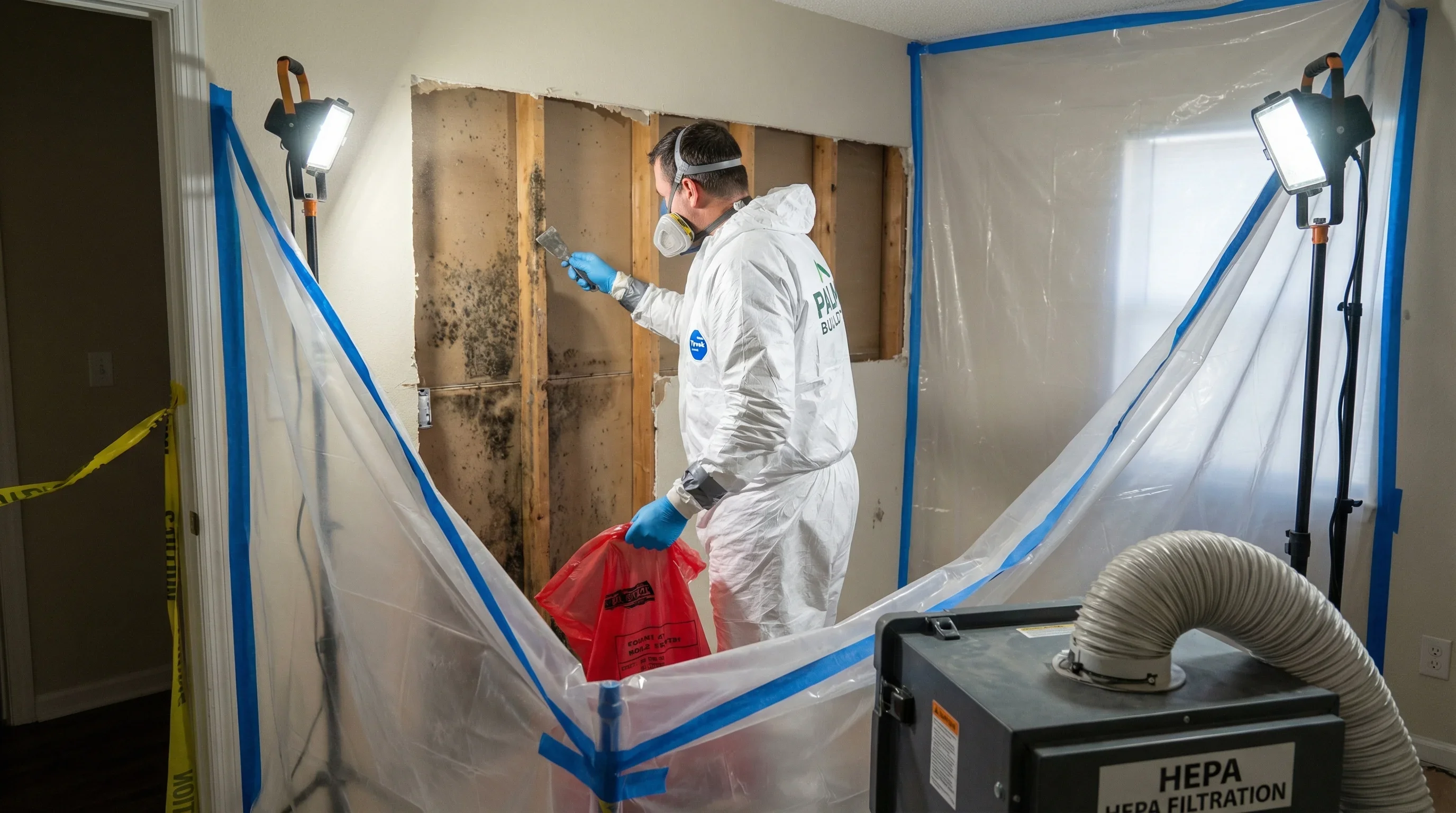
Affected mold interior dwelling remediation is the systematic process of identifying, containing, and removing fungal growth from residential living spaces while addressing the underlying moisture source. This professional procedure ensures that indoor air quality is restored to a healthy state (Condition 1) by utilizing specialized equipment, antimicrobial treatments, and strict containment protocols to prevent cross-contamination.
Mold growth within a residential dwelling is a significant concern that impacts both the structural integrity of the property and the health of its occupants. In 2026, the standards for remediation continue to be governed by the IICRC S520 (Standard for Professional Mold Remediation), which emphasizes that the primary goal is the physical removal of mold and the correction of the moisture conditions that allowed it to flourish. Simply killing mold with bleach is no longer considered an acceptable industry practice; true remediation requires a comprehensive approach that addresses spores, hyphae, and the environment that supports them.
Understanding the Scope of Interior Mold Contamination
Before any physical work begins, it is essential to understand the extent of the "affected" area. In a dwelling, mold is rarely isolated to what is visible on a wall. It often thrives in hidden cavities—behind wallpaper, under floorboards, or within HVAC ductwork.
The Three Conditions of Mold Assessment
The industry categorizes the state of a dwelling based on the level of mold presence:
- Condition 1 (Normal Fungal Ecology): An indoor environment that may contain settled spores or fragments, but they are reflective of the outdoor environment and do not indicate active growth.
- Condition 2 (Settled Spores): An area that is "affected" by an accumulation of mold spores that are not currently growing but have settled in higher concentrations than normal, often due to nearby growth.
- Condition 3 (Actual Growth): An area with active fungal growth, characterized by visible colonies, odors, or laboratory-confirmed mycelial development.
Remediation is primarily focused on bringing Condition 2 and Condition 3 environments back to Condition 1. Failure to distinguish between these can lead to "re-cleans" or failed post-remediation verification (PRV) testing.
The Professional Remediation Process: Step-by-Step
Professional remediation in 2026 follows a strict sequence of events designed to protect the rest of the dwelling from contamination during the cleanup.
1. Identifying and Fixing the Moisture Source
Mold cannot exist without moisture. Whether it is a slow pinhole leak in a copper pipe, hydrostatic pressure in a basement, or high humidity (above 60%) in a poorly ventilated bathroom, the source must be eliminated first. If remediation is performed without fixing the leak, the mold will inevitably return within 24 to 48 hours of completion.
2. Area Isolation and Containment
To prevent spores from becoming airborne and migrating to unaffected rooms, technicians establish containment.
- Source Containment: Using 6-mil polyethylene sheeting to wrap a small, localized area of growth.
- Critical Barriers: Sealing off HVAC vents, doors, and windows within the work zone.
- Negative Air Pressure: Utilizing High-Efficiency Particulate Air (HEPA) air scrubbers to create a vacuum effect. This ensures that whenever a door to the containment area is opened, air flows into the contaminated zone rather than out of it.
3. Removal of Impacted Materials
Materials are categorized by their porosity, which dictates whether they can be cleaned or must be discarded:
- Porous Materials (Drywall, Insulation, Carpet): These materials act like sponges. Mold roots (hyphae) grow deep into the fibers. Generally, these cannot be fully remediated and must be removed and disposed of in sealed bags.
- Semi-Porous Materials (Wood Framing, Concrete): These can often be saved through "abrasive cleaning" (sanding, wire brushing, or media blasting) followed by HEPA vacuuming.
- Non-Porous Materials (Metal, Glass, Plastic): These can typically be cleaned and sanitized using antimicrobial wipes or immersion.
4. HEPA Vacuuming and Damp Wiping
Once the bulk removal is complete, the remaining structural elements and surfaces undergo "sandwich cleaning." This involves HEPA vacuuming all surfaces, followed by a damp wipe with an EPA-registered antimicrobial solution, and a final round of HEPA vacuuming. This process captures microscopic spores that the human eye cannot see.
Technical Specifications for Remediation Equipment
The effectiveness of a remediation project relies heavily on the quality of the equipment used. In 2026, the following specifications are the industry standard for interior dwelling work:
| Equipment Type | Purpose | Technical Requirement |
|---|---|---|
| HEPA Air Scrubber | Removes airborne spores and creates negative pressure. | Must be CADR rated for the room volume; 99.97% efficiency at 0.3 microns. |
| Dehumidifier | Lowers ambient humidity to prevent regrowth during drying. | LGR (Low Grain Refrigerant) preferred for faster moisture removal. |
| Moisture Meter | Detects hidden water within walls and floors. | Must have both "pin" and "pinless" (non-invasive) modes. |
| Antimicrobial/Biocide | Sanitizes surfaces and inhibits future growth. | Must be EPA-registered for the specific mold genus if known. |
| PPE (Personal Protective Equipment) | Protects workers from spore inhalation and skin contact. | N-95 or P-100 respirators, Tyvek suits, and nitrile gloves. |
Post-Remediation Verification (PRV)
The remediation is not considered complete until it passes a Post-Remediation Verification. This is an objective evaluation performed by a third-party Industrial Hygienist or Mold Inspector who was not involved in the actual cleanup. This avoids a conflict of interest.
PRV typically includes:
- Visual Inspection: Checking for dust, debris, or visible mold residue.
- Moisture Testing: Confirming all building materials have reached their "dry standard."
- Air Sampling: Comparing indoor spore counts within the containment zone to the outdoor air. The indoor count should be significantly lower than or equal to the outdoor count, and the "fingerprint" (types of mold) should match. If high levels of "indicator molds" like Stachybotrys or Chaetomium are found indoors but not outdoors, the remediation fails.
Cost Considerations for Residential Remediation in 2026
The cost of affected mold interior dwelling remediation varies based on the size of the area and the complexity of the building systems involved. While localized attic or crawlspace remediation might be at the lower end of the spectrum, whole-house remediation involving HVAC systems can be substantial.
On average, homeowners can expect the following price ranges for professional services in 2026:
- Small Localized Project (e.g., Bathroom wall): $1,500 – $3,500
- Basement Remediation (Partial): $4,000 – $7,000
- Whole-House Remediation: $10,000 – $30,000+ (depending on square footage)
- HVAC Duct Cleaning & Sanitizing: $2,000 – $5,000
These costs generally cover labor, equipment rental, and disposal fees, but may not include the "build-back" (installing new drywall and flooring) or the third-party PRV testing fees, which usually range from $500 to $1,500.
Common Mistakes in Interior Remediation
Even well-intentioned DIY efforts or low-cost contractors often make critical errors that exacerbate the problem:
- Using Bleach on Porous Surfaces: Bleach is mostly water. On drywall or wood, the chlorine stays on the surface while the water soaks in, essentially "watering" the mold roots and encouraging deeper growth.
- Failing to Use Containment: Tearing out moldy drywall without plastic barriers sends millions of spores into the air, which then land in other rooms, creating new colonies.
- Overspraying Foggers: While antimicrobial fogging can help with airborne spores, it is not a substitute for the physical removal of the mold source. You cannot "kill" your way out of a mold problem; you must remove the biomass.
- Ignoring the HVAC System: If mold is present in the living area, there is a high probability that spores have entered the return air vents. Failing to inspect and clean the HVAC system ensures that spores will be redistributed once the AC or heater is turned on.
Health and Safety Protections
Remediation is a hazardous task. Mold spores produce mycotoxins and allergens that can cause respiratory distress, skin irritation, and long-term health complications for sensitive individuals.
Technicians must utilize full-face respirators in high-contamination environments. Homeowners should ideally vacate the dwelling during the active demolition phase of remediation, especially if they suffer from asthma, allergies, or immunocompromised conditions. According to the Environmental Protection Agency (EPA), any mold growth covering more than 10 square feet (roughly a 3ft x 3ft patch) should be handled by a professional rather than a resident.
Frequently Asked Questions
Is all mold in a dwelling dangerous?
While many types of mold are common and harmless in small amounts, any mold growing indoors is an indication of a moisture problem. Certain species, such as Stachybotrys chartarum (black mold), produce mycotoxins that are more likely to cause health issues. Regardless of the species, the IICRC S520 recommends the removal of all indoor mold growth for safety.
Does homeowners insurance cover mold remediation?
Coverage depends heavily on the "cause of loss." If the mold was caused by a sudden, accidental water discharge (like a burst pipe), it is often covered. However, mold resulting from long-term seepage, high humidity, or lack of maintenance is typically excluded from standard policies. Many policies in 2026 also include a "mold cap," limiting the payout for remediation to a specific amount, such as $5,000 or $10,000.
Can I just paint over the mold?
Painting over mold is a temporary cosmetic fix that will eventually fail. Mold can grow through the paint, and the underlying structural damage to the drywall or wood will continue. "Mold-resistant" paints are designed to prevent mold from starting on a clean surface; they are not designed to kill or encapsulate existing active growth.
How long does the remediation process take?
A typical residential remediation project takes between 3 and 7 days. This includes 1 day for setup and containment, 1-3 days for removal and cleaning, and 1-2 days for the air scrubbers to "scrub" the air before the final clearance testing can be performed.
What is the difference between a mold inspection and mold remediation?
A mold inspection is the diagnostic phase where a professional identifies the type and location of the mold. Remediation is the actual "surgery" or cleanup phase where the mold is removed. To ensure ethical standards, the person who inspects and tests the mold should not be the same person who performs the cleanup.
Recommendation for Next Actions
If you suspect your dwelling is affected by mold, the first step is to perform a moisture audit. Use a moisture meter to check for dampness in walls and floors near the suspected area. If the growth exceeds 10 square feet, contact a certified mold professional to perform an initial assessment. Ensure that any contractor you hire provides a detailed work plan that includes containment strategies and negative air pressure protocols. Always insist on a third-party Post-Remediation Verification (PRV) test before making the final payment to ensure the dwelling has been successfully returned to a healthy Condition 1 state.