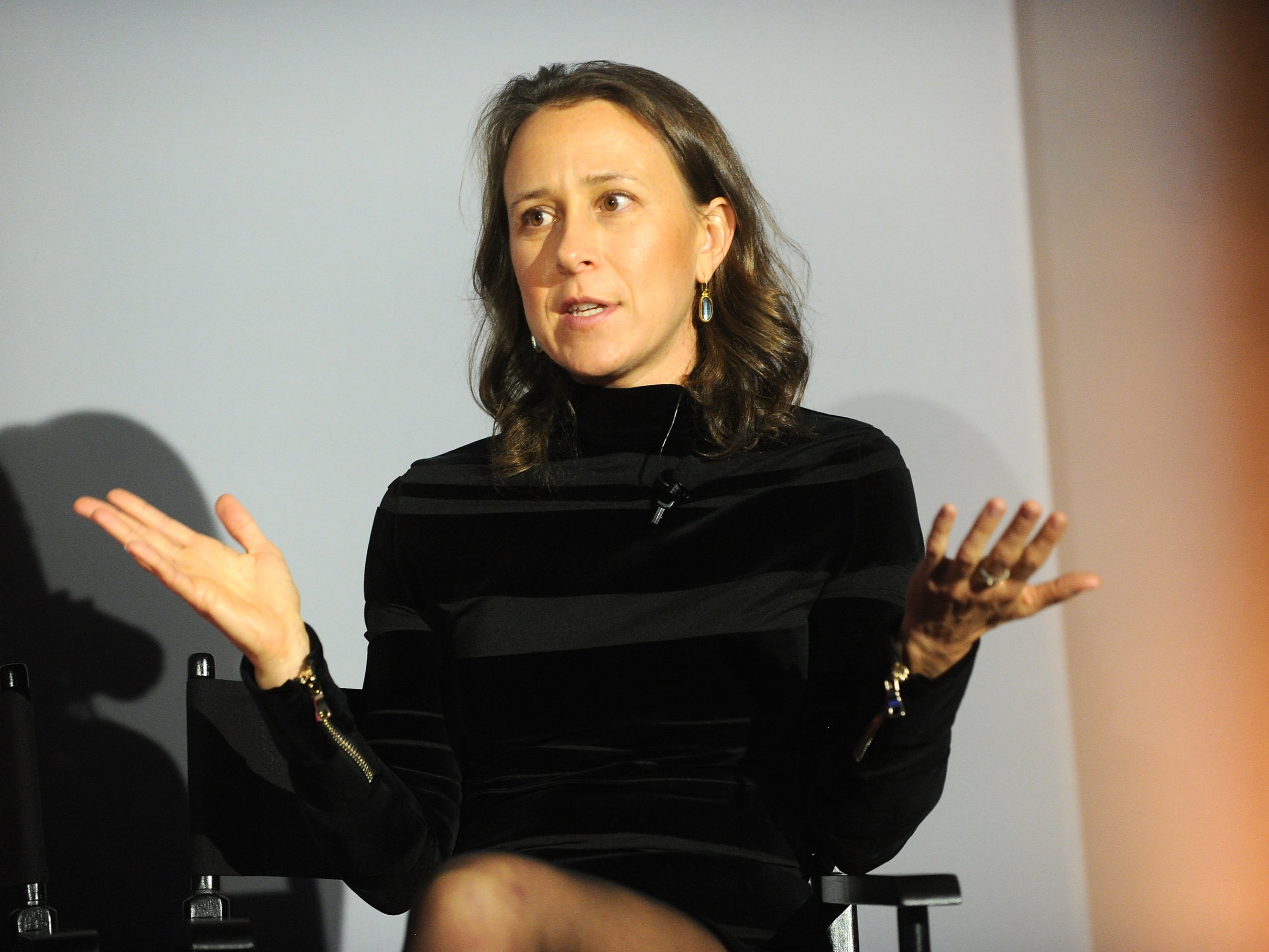
Anne Wojcicki co-founded 23andMe in 2006 with a revolutionary vision: to put personal genetic data directly into the hands of consumers, transforming healthcare from a reactive model into a proactive, data-driven science. Over nearly two decades, the company popularized direct-to-consumer DNA testing, navigated complex regulatory battles with the U.S. Food and Drug Administration (FDA), and built one of the world's largest crowdsourced genetic research databases. However, the journey has also been marked by steep financial challenges, privacy debates, data security incidents, and strategic pivots that have tested Wojcicki's leadership and the long-term viability of the consumer genomics business model.
The Visionary Beginnings of 23andMe and Anne Wojcicki
Anne Wojcicki launched 23andMe alongside Linda Avey and Paul Cusenza in Mountain View, California, during a period when commercial biotechnology was largely confined to clinical laboratories and specialized academic research. Named after the 23 pairs of chromosomes in human cells, the company aimed to democratize genetics by allowing everyday individuals to spit into a small plastic tube, mail it to a lab, and receive insights into their ancestry, traits, and health predispositions.
Wojcicki’s background in healthcare investment analysis provided her with a clear view of systemic inefficiencies in traditional medicine. She recognized that patients were routinely treated as passive recipients of care rather than active managers of their biological data. By bypassing traditional physician gatekeepers for informational genetic testing, 23andMe sought to empower individuals to explore their genealogical roots and understand their inherited health risks before symptoms manifested.
In its early years, the company captured widespread public attention. It was named Time magazine's Invention of the Year in 2008, and it attracted significant venture capital and high-profile partnerships, most notably with Google—cofounded by Sergey Brin, to whom Wojcicki was married at the time. This cultural momentum propelled direct-to-consumer (DTC) genetic testing from an expensive novelty into a mainstream consumer phenomenon.
Regulatory Hurdles and the FDA Warning
The rapid expansion of 23andMe hit a major regulatory roadblock in November 2013, when the FDA issued a warning letter ordering the company to halt the marketing of its health-related genetic kits. At the time, 23andMe provided customers with actionable health risk assessments for various conditions, including breast cancer (BRCA mutations), diabetes, and celiac disease, without having secured formal premarket clearance or approval.
The FDA argued that inaccurate health reports could lead consumers to take unnecessary medical actions, such as undergoing unwarranted preventive surgeries or altering medication regimens based on false positives or negatives. This regulatory confrontation forced a fundamental restructuring of the company's business model.
| Era | Core Focus & Regulatory Status |
|---|---|
| 2006–2013 (Early Growth) | Unregulated health & ancestry reports; rapid consumer acquisition. |
| 2013–2017 (Regulatory Pivot) | FDA warning letter; suspension of health reports; pivot to ancestry. |
| 2017–2021 (FDA Clearances) | Gradual reintroduction of FDA-cleared health risks and pharmacogenetics. |
| 2021–Present (Public & Financial) | SPAC merger, commercial expansion, and ongoing financial restructuring. |
To comply with federal regulators, 23andMe temporarily suspended its health risk reports in the United States, pivoting heavily toward ancestry-focused marketing. Over the next several years, Wojcicki and her regulatory affairs teams worked closely with the FDA to validate the analytical and clinical validity of their tests. By 2017, the company secured the first-ever FDA authorization to sell direct-to-consumer tests for genetic risk factors related to specific health conditions, establishing a regulatory compliance benchmark for the entire commercial genomics industry.
Building the Research Database and Pharma Partnerships
A cornerstone of Anne Wojcicki's long-term strategy for 23andMe has always extended beyond simple ancestry and wellness reports. The true corporate value, according to leadership, lies in the massive, consented genetic and phenotypic database contributed by millions of users. Customers who opt into research share their survey responses alongside their DNA data, creating a powerful engine for epidemiological and drug discovery studies.
This repository enabled 23andMe to forge lucrative, multi-year partnerships with major pharmaceutical corporations, most notably a $300 million collaboration established with GlaxoSmithKline (GSK) in 2018. The partnership aimed to utilize 23andMe's genetic database to identify novel drug targets, accelerate clinical trials, and develop precision therapeutics.
While these partnerships validated the scientific utility of crowdsourced genomics, they also sparked ongoing debates regarding user privacy, informed consent, and whether consumers adequately benefit financially from commercial entities capitalizing on their genetic information. Although users retain the right to opt out of research at any time, the monetization of aggregated genomic data remains a central pillar of the company's business model.
Financial Pressures, Going Public, and Strategic Shifts
In February 2021, amidst a booming market for special purpose acquisition companies (SPACs), 23andMe announced a merger with VG Acquisition Corp., a blank-check company backed by billionaire Richard Branson. The deal valued the combined entity at approximately $3.5 billion, and the company began trading on the NASDAQ under the ticker symbol ME in June 2021, raising roughly $592 million in gross proceeds.
Despite the injection of public capital, the company struggled to maintain profitability as consumer demand for one-time DNA test kits plateaued. Unlike software-as-a-service (SaaS) companies, 23andMe faced high customer acquisition costs and a limited repeat-purchase rate, since a consumer generally only needs to map their genome once.
Efforts to diversify revenue streams included the launch of Total Health, a subscription-based healthcare membership introduced in late 2023 that combined advanced genetic screening with clinical lab testing and telehealth consultations. However, these subscription models faced stiff competition from traditional healthcare providers and boutique concierge medicine services.
Data Security Incidents and Governance Challenges
As 23andMe's financial valuation declined sharply in the years following its public debut, the company faced significant operational and reputational crises. In late 2023, 23andMe experienced a major credential-stuffing cyberattack where unauthorized actors accessed the profiles of approximately 6.9 million users, specifically targeting data associated with users who utilized the "DNA Relatives" feature to find biological family members.
The breach exposed sensitive demographic data and genealogical connections, triggering multiple class-action lawsuits and intense scrutiny from privacy regulators in the United States and international jurisdictions. Critics questioned the company's data retention policies and security infrastructure, placing renewed pressure on Anne Wojcicki and the board of directors to safeguard sensitive biomedical assets.
Internal governance tensions also surfaced. In July 2024, all independent members of 23andMe’s board of directors resigned following a disagreement with Wojcicki over a potential go-private acquisition proposal. Wojcicki, who retained substantial voting control through dual-class shares, sought to take the struggling company private to execute restructuring plans away from the immediate pressures of public market quarterly earnings reports.
The Future of Consumer Genomics Under Wojcicki
As the landscape of personal genetics evolves, Anne Wojcicki remains central to 23andMe's operational identity. The company continues to navigate a complex balancing act: maintaining consumer trust in data privacy, rebuilding financial stability, and demonstrating that a direct-to-consumer genetic database can successfully translate into commercially viable therapeutics.
The trajectory of 23andMe serves as a cautionary tale and a pioneering blueprint for the commercial biotechnology sector. It highlights the immense hurdles of building a consumer-facing medical market, the strict realities of federal regulatory compliance, and the profound ethical responsibilities associated with aggregating human genetic information on a global scale.