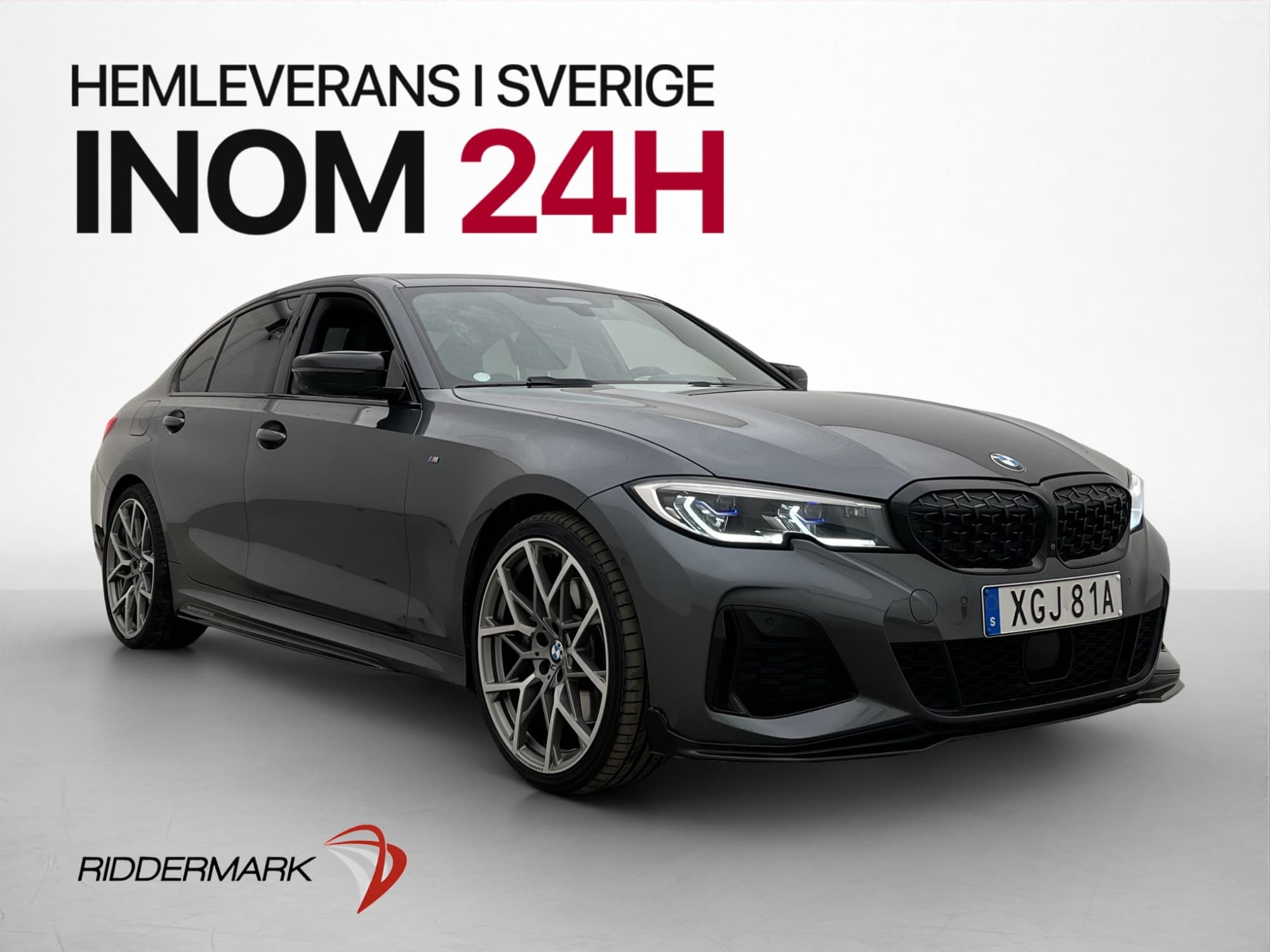
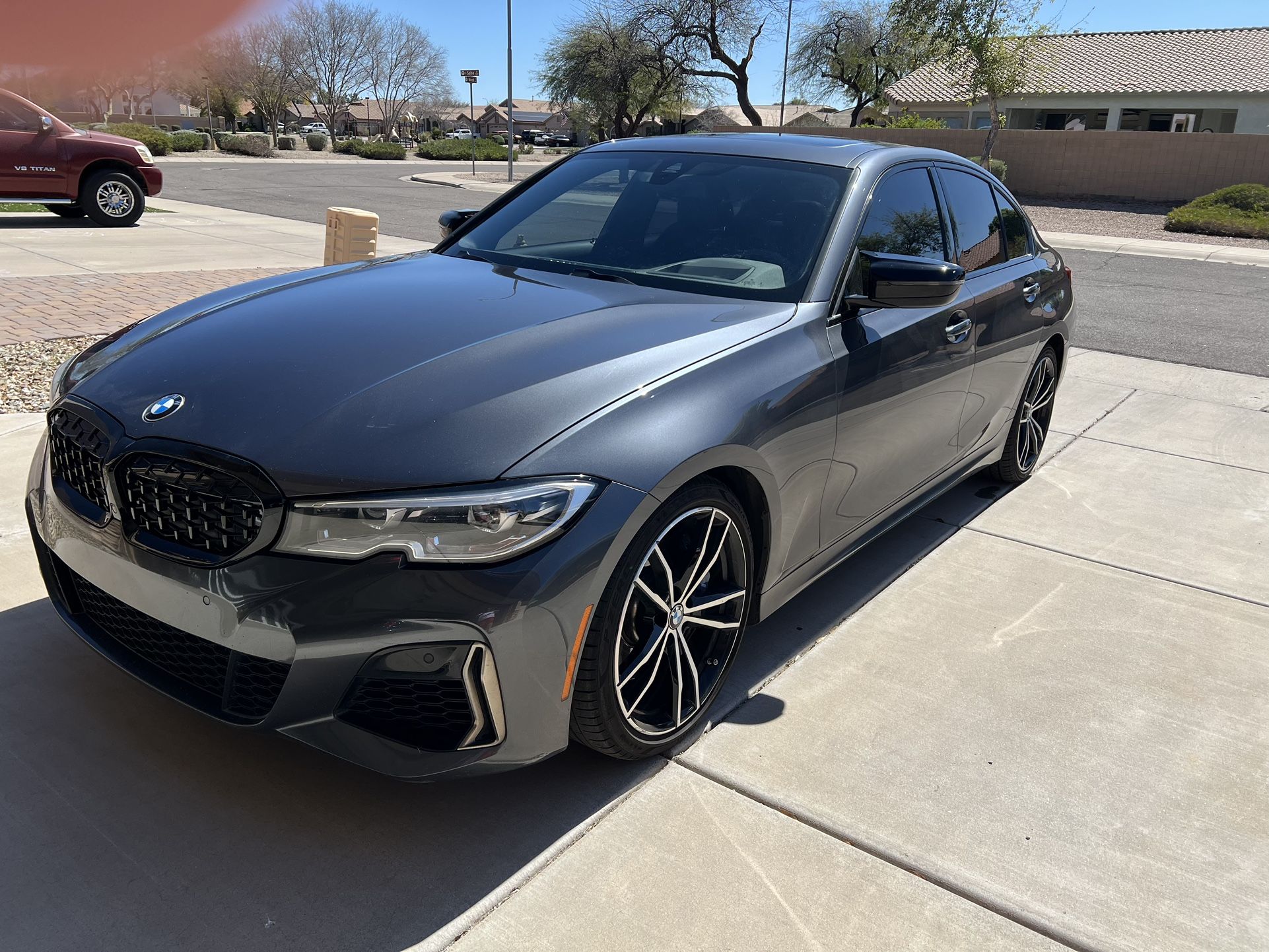
The 2020 BMW M340i depreciates at a rate heavily influenced by its B58 engine reputation, post-pandemic automotive market stabilization, and luxury vehicle mileage thresholds. As an entry point to modern high-performance sedans, it retains value better than its V8 predecessors and standard 3-series siblings due to strong enthusiast demand and reliability perceptions.
Understanding the 2020 BMW M340i in the Secondary Market
The introduction of the G20 generation for the 2020 model year marked a significant shift in BMW’s compact executive sport sedan lineup. At the heart of the M340i is the turbocharged 3.0-liter inline-six B58 engine, paired with a ZF 8-speed automatic transmission. This powertrain has earned a stellar reputation for both robust power delivery and impressive mechanical durability. Consequently, the secondary market treats the 2020 M340i differently than typical luxury lease returns.
When analyzing vehicle depreciation, historical automotive economics typically dictate a steep drop-off within the first three years of ownership, often losing 30 to 40 percent of the original MSRP. However, macroeconomic factors in the early 2020s—including supply chain constraints, inflation, and elevated new vehicle prices—significantly cushioned early-model depreciation curves. As the market normalizes, the 2020 M340i has settled into a more predictable, moderate depreciation trajectory. Buyers and sellers must look past the initial sticker price to evaluate how configuration, condition, and maintenance history dictate actual market value.
Factors Influencing M340i Residual Values
Vehicle depreciation is never a uniform percentage across an entire model range. Several distinct variables dictate whether a specific 2020 BMW M340i commands top dollar on the used market or trades at a steep discount.
Powertrain and Drivetrain Configurations
The 2020 M340i was offered in both rear-wheel drive (sDrive) and all-wheel drive (xDrive) variants. In regions subject to harsh winters, the xDrive variant often commands a minor premium and resists depreciation slightly better. However, driving purists frequently seek out the rear-wheel-drive variant for its traditional dynamics, maintaining steady demand for both configurations.
Factory Options and Packages
The original option sheets heavily influence used market liquidity. Vehicles equipped with the Driving Assistance Package, the Cooling and High-Performance Tire Package, and the Executive Package retain their value more effectively because they feature highly desirable amenities like a head-up display, adaptive M suspension, and upgraded braking components. Conversely, heavily modified examples often experience compressed market values due to concerns over mechanical stress and non-factory modifications.
Mileage and Condition Milestones
Luxury performance sedans are sensitive to mileage brackets. Vehicles falling below the 45,000-mile threshold retain strong appeal for extended warranty eligibility. Once a vehicle crosses 60,000 miles, depreciation curves flatten, but the upfront cost of impending scheduled maintenance begins to weigh more heavily on prospective buyers, shifting the negotiation leverage toward the purchaser.
Historical Depreciation Breakdown by Year
To understand where the 2020 M340i stands today, it is essential to trace its historical value retention from its initial release through the current market. Original MSRPs for a well-equipped 2020 M340i typically ranged from $56,000 to over $65,000 depending on options.
| Vehicle Age / Milestone | Estimated Market Value Range (USD) | Approximate Retention of Original MSRP |
|---|---|---|
| Year 1 (2021) | $48,000 – $54,000 | 80% – 85% |
| Year 3 (2023) | $38,000 – $44,000 | 65% – 72% |
| Year 5 (2025) | $31,000 – $37,000 | 52% – 60% |
| Current Market (2026) | $28,000 – $34,000 | 45% – 55% |
Note: Values reflect clean-title vehicles with average annual mileage (10,000 to 12,000 miles per year) and comprehensive service records.
Cost of Ownership Beyond Initial Depreciation
Depreciation is only one component of the total cost of ownership for a performance-oriented BMW. Prospective buyers should factor in ongoing maintenance, insurance premiums, and consumable replacement costs, all of which directly influence real-world budgeting.
The B58 engine requires strict adherence to oil change intervals, typically every 5,000 to 7,500 miles, utilizing high-grade synthetic oil. Brakes and tires represent significant recurring expenditures. Because the M340i is a heavy, powerful sedan equipped with performance rubber, rear tires frequently require replacement every 15,000 to 25,000 miles. Furthermore, out-of-warranty electronic diagnostics and component replacements at specialized independent shops or dealerships can accelerate financial exposure if preventative maintenance is neglected.
Common Pitfalls and Inspection Points for Used Buyers
Purchasing a pre-owned 2020 M340i requires meticulous due diligence to avoid inheriting deferred maintenance or hidden structural damage.
- Service History Verification: Always request a complete electronic service history via the iDrive system or official dealer records. Gaps in oil changes are major red flags for turbocharged engines.
- Cooling System Integrity: While the B58 is vastly more reliable than older N54 and N55 powerplants, auxiliary coolant lines and the expansion tank should be inspected for minor leaks or seepage.
- Suspension and Alignment: The adaptive M suspension provides exceptional ride quality, but electronic damper failures or worn control arm bushings can cause premature tire wear and compromised handling dynamics.
- Modifications and ECU Tunes: Many owners subject these cars to aftermarket engine management software (tunes). Verify whether the vehicle's DME (Digital Motor Electronics) has been flagged or locked by BMW for tuning history, which can void remaining powertrain coverage.
Is the 2020 BMW M340i a Smart Financial Purchase?
For buyers seeking a balance of daily usability, modern technology, and sports car performance, the 2020 M340i represents a stabilizing asset in the used luxury market. Because the steepest depreciation has already occurred during the vehicle's first three to four years, subsequent depreciation slows significantly. Buyers purchasing a well-maintained, pre-owned unit in 2026 can expect a much more gradual loss of equity compared to the sharp initial drop seen during the vehicle's early lifecycle.
Frequently Asked Questions
Is the 2020 BMW M340i considered reliable?
Yes. The 2020 M340i utilizes the B58 inline-six engine, which is widely regarded by automotive journalists and technicians as one of the most reliable modern turbocharged engines produced by BMW. Routine maintenance is still required, but catastrophic mechanical failures are rare compared to previous generations.
How does the 2020 M340i depreciation compare to an M3?
The M340i depreciates faster in raw dollar terms and percentage than a full-fledged BMW M3. True M cars often hold their value more aggressively due to limited production volumes and high-performance pedigree, whereas the M340i follows a standard luxury sport sedan depreciation curve.
What is the average mileage to look for when buying a used M340i?
An ideal target is between 30,000 and 50,000 miles. This mileage range ensures the vehicle has been driven regularly enough to avoid issues associated with prolonged sitting, while still leaving substantial runway before major high-mileage service intervals arrive.
Does modifying a 2020 M340i hurt its resale value?
In most cases, yes. Heavy modifications such as aftermarket exhausts, suspension drops, and especially engine tuning reduce the pool of potential buyers and often lower the resale value. Buyers on the secondary market overwhelmingly prefer unmodified, stock examples with documented maintenance.
Should I purchase an extended warranty for a used 2020 M340i?
Purchasing a reputable third-party extended warranty can provide financial peace of mind, especially regarding complex electronics, driver-assistance sensors, and transmission components. Ensure you thoroughly read the fine print regarding coverage exclusions for high-performance vehicles before signing.
Prioritize finding a clean-title, single-owner example with a comprehensive dealer service history, and budget an extra ten to fifteen percent of the purchase price for immediate preventative maintenance or tire replacement.