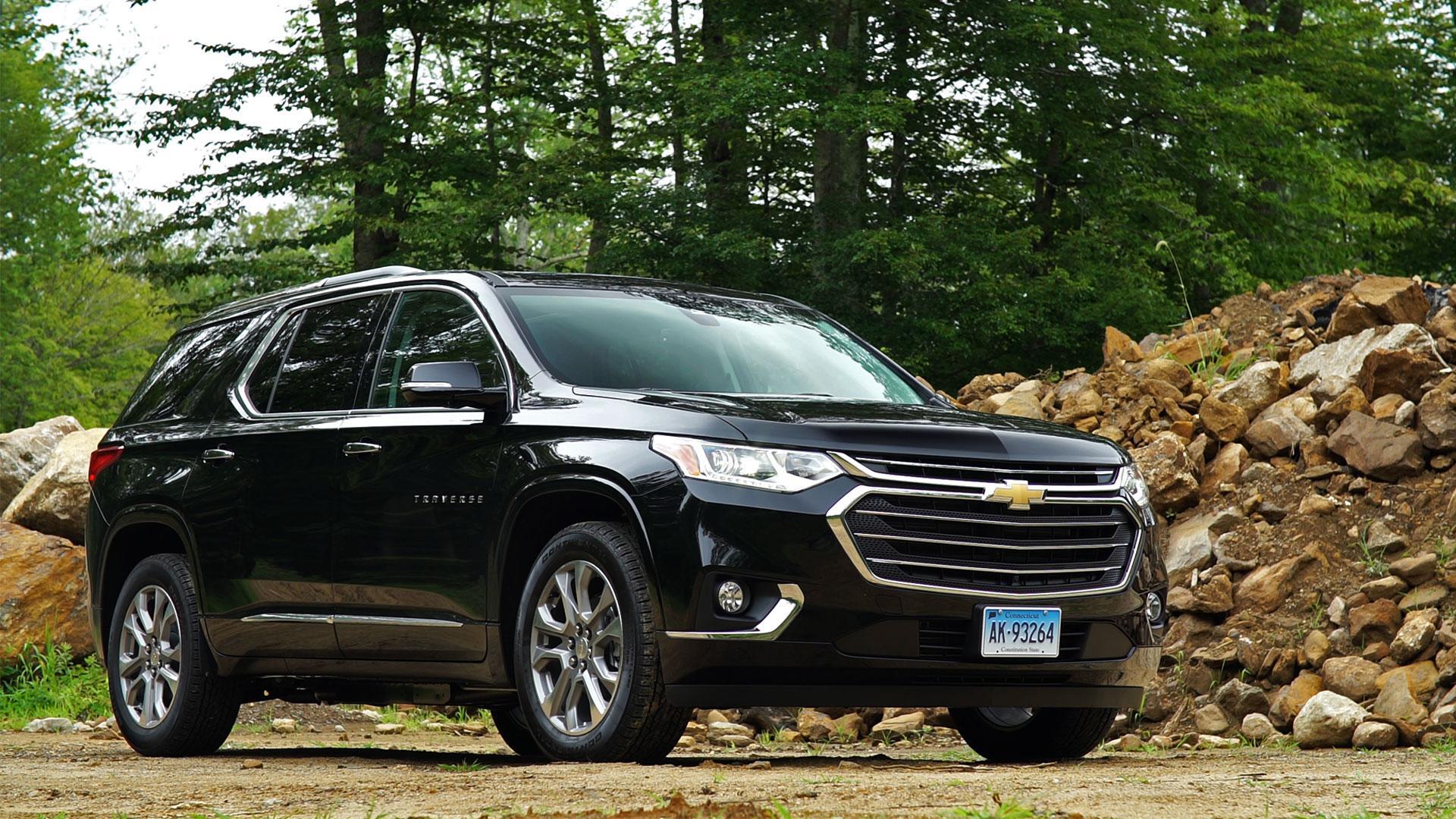
The 2016 Chevrolet Traverse is generally considered one of the more reliable years for the first-generation model, yet it still suffers from persistent issues including timing chain stretch, transmission hesitation, power steering pump leaks, and HVAC actuator failures. While General Motors addressed many of the catastrophic engine flaws found in earlier 2009–2012 models, 2016 owners still face high-cost repairs as these vehicles surpass the decade mark in 2026.
Navigating the Reliability of a Ten-Year-Old Traverse
As we look at the 2016 Chevrolet Traverse from the perspective of 2026, this mid-size three-row SUV has transitioned into the high-mileage category for most owners. The 2016 model represented the penultimate year of the first-generation Traverse (built on the GM Lambda platform). Because it was near the end of its production cycle, Chevrolet had rectified several of the assembly line errors that plagued its predecessors. However, the inherent design of the 3.6L V6 LFX engine and the 6T75 six-speed automatic transmission continues to present specific challenges for long-term owners.
Understanding these problems is essential for current owners looking to extend the life of their vehicle and for used-car buyers evaluating the 2016 Traverse against competitors like the Honda Pilot or Toyota Highlander.
Engine Performance and Internal Mechanical Issues
The heart of the 2016 Traverse is the 3.6-liter V6 engine. While this engine provides a respectable 281 to 288 horsepower, it is a complex dual-overhead-cam (DOHC) design that requires meticulous maintenance to avoid failure.
Timing Chain Stretch and Wear
The most notorious issue across the entire first generation of the Traverse is the premature wear of the timing chains. By 2016, GM had updated the chain design and improved the oiling system, but the problem was not entirely eliminated. As these vehicles age into 2026, many are hitting the 120,000 to 150,000-mile mark where even the "improved" chains begin to stretch.
When the chain stretches, it throws off the synchronization between the crankshaft and the camshafts. This typically triggers the Check Engine Light (CEL) with diagnostic trouble codes P0008, P0009, P0016, or P0017. If left unaddressed, a stretched chain can jump teeth, leading to catastrophic engine failure as pistons strike valves.
Carbon Buildup and Direct Injection
The 2016 Traverse utilizes Direct Injection (DI) technology. Unlike traditional port injection, DI sprays fuel directly into the combustion chamber. While this improves efficiency, it means fuel does not wash over the intake valves. Over time, carbon deposits bake onto the valves, leading to:
- Reduced fuel economy
- Rough idling
- Engine hesitation under acceleration
- Misfire codes (P0300 series)
Excessive Oil Consumption
Many owners report that the 3.6L engine consumes oil at a rate higher than expected, sometimes losing a quart every 1,500 to 2,000 miles. This is often due to the design of the Positive Crankcase Ventilation (PCV) system. If the oil level drops too low, it accelerates the timing chain wear mentioned above, creating a snowball effect of mechanical degradation.
Transmission and Drivetrain Complications
The 6T75 6-speed automatic transmission was a joint venture between GM and Ford. In the 2016 Traverse, it is generally sturdier than the versions found in 2009 models, but it is not without faults.
Shifting Hesitation and "Hunting"
Owners frequently complain about the transmission "hunting" for gears, particularly when climbing slight inclines or when the vehicle is heavily loaded with passengers. This can manifest as a momentary delay followed by a harsh "thud" or jerk when the gear finally engages. This is often a software calibration issue, but as the vehicle ages, it can indicate internal wear of the clutch plates.
Transmission Fluid Leaks
The transmission cooling lines and the seals around the CV axles are known weak points. Even a small leak can lead to a low fluid condition, which causes increased heat and friction. In a vehicle that is now a decade old, the rubber components in these lines are prone to cracking and brittleness.
All-Wheel Drive (AWD) Transfer Case Failure
For models equipped with AWD, the transfer case (often called the Power Take-Off or PTU) is a common failure point. The fluid capacity in these units is quite small, and the fluid can "cook" due to its proximity to the exhaust system. If you hear a high-pitched whine or a grinding noise from the center of the vehicle, the transfer case may be failing.
Steering and Suspension Weaknesses
The Chevy Traverse is a heavy vehicle, weighing nearly 5,000 pounds. This mass puts significant strain on the steering and suspension components.
Power Steering Pump and Rack Failures
A recurring theme in NHTSA owner complaints for the 2016 Traverse involves the power steering system. Symptoms often begin with a low-speed "whining" or "moaning" noise when turning the steering wheel. This usually points to a failing power steering pump or a leak in the steering rack. In some cases, the steering may suddenly become very heavy, requiring significant physical effort to turn, which poses a safety risk during low-speed maneuvers.
Front Strut and Sway Bar Link Wear
Due to the vehicle's weight, the front struts often lose their dampening ability by 80,000 miles. Furthermore, the sway bar end links and bushings frequently wear out, leading to a "clunking" or "rattling" noise when driving over small bumps or uneven pavement.
Electrical Systems and Interior Component Failures
The 2016 Traverse features the Chevrolet MyLink infotainment system and various electronic comfort controls that are prone to aging-related glitches.
HVAC Actuator Failures (The "Clicking" Noise)
Perhaps the most annoying common problem is the failure of the HVAC blend door actuators. These small electric motors control the flow and temperature of air. When the plastic internal gears strip, they produce a loud, repetitive "clicking" or "knocking" sound behind the dashboard that can last for several minutes after starting or turning off the car. Replacing these is labor-intensive because of their location deep within the dash.
Airbag Sensor and Wiring Issues
A major safety concern for this generation involves the side-impact airbag wiring harnesses located in the front doors. Over time, the wiring can become pinched or the connectors can loosen, causing the "Service Airbag" light to illuminate. If this light is on, the airbag system may not deploy in a collision. There have been several recalls and service bulletins regarding these connectors across the Lambda platform.
Liftgate Actuator Failure
The power-operated rear liftgate is a convenient feature that often fails on older Traverse models. The motor may lose power, or the struts may fail to hold the weight of the gate. In some instances, the liftgate may begin to close unexpectedly, which led to earlier recalls for certain model years.
Summary of 2016 Traverse Repair Costs
The following table outlines the most common significant repairs for a 2016 Chevrolet Traverse as it reaches its ten-year service mark.
| Component | Common Issue | Typical Symptoms | Estimated Repair Cost (Parts & Labor) |
|---|---|---|---|
| Engine | Timing Chain Stretch | Check Engine Light (P0008), Poor Idle | $2,500 – $4,200 |
| Transmission | 6T75 Internal Failure | Harsh Shifting, Slipping, No Reverse | $3,500 – $5,000 |
| Steering | Power Steering Pump/Rack | Whining Noise, Hard Steering | $800 – $1,600 |
| HVAC | Blend Door Actuator | Clicking Sound, Air Temp Stuck | $350 – $700 |
| Engine | Carbon Buildup (Valves) | Hesitation, Loss of Power | $400 – $800 (Cleaning) |
| Cooling | Water Pump Leak | Coolant Smell, Overheating | $600 – $900 |
| Suspension | Front Strut Replacement | Bouncy Ride, Leaking Fluid | $700 – $1,100 |
Safety Recalls and Technical Service Bulletins (TSBs)
Before purchasing or performing major repairs on a 2016 Traverse, it is critical to verify that all recall work has been completed. Owners can check their specific VIN on the official Chevrolet Recall website.
- Airbag Deployment Issues: Various TSBs exist regarding the side-impact airbag connectors. While many were addressed under warranty earlier in the vehicle's life, second or third owners in 2026 should ensure these connections are secure.
- Liftgate Struts: Though the 2016 model benefited from a redesigned liftgate motor, the gas-charged struts are wear items. If the gate feels heavy or fails to stay up, replace the struts immediately to prevent injury.
- Chassis Bolts: Some units were inspected for improperly tightened chassis bolts which could affect crashworthiness or cause unusual suspension noises.
Frequently Asked Questions (FAQ)
Is the 2016 Chevrolet Traverse a reliable used car in 2026?
The 2016 Traverse is a "middle-of-the-pack" SUV in terms of reliability. It is significantly more reliable than the 2009–2012 models but lacks the long-term durability of competitors like the Toyota Highlander. At ten years old, its reliability depends entirely on its maintenance history—specifically, how often the oil was changed.
How long does a 2016 Chevy Traverse engine last?
With meticulous maintenance, the 3.6L LFX engine can last between 200,000 and 250,000 miles. However, many engines fail before 150,000 miles due to timing chain issues caused by extended oil change intervals. Using high-quality synthetic oil and changing it every 5,000 miles is the best way to ensure longevity.
Why is my 2016 Traverse making a clicking sound in the dashboard?
This is almost certainly a failed HVAC blend door or mode door actuator. The internal plastic gears break, causing the motor to slip and create a rhythmic clicking sound. While not a safety issue, it prevents the climate control system from properly directing air or adjusting the temperature.
Does the 2016 Traverse have transmission problems?
While it does not suffer from the "wave plate" failures common in earlier years, it can still experience solenoid failures and torque converter shudder. Regular transmission fluid exchanges (every 45,000 to 60,000 miles) are necessary to prevent these issues, especially if the vehicle is used for towing.
What should I look for when test-driving a used 2016 Traverse?
Listen for any whining from the steering, clicking from the dash, or rattling from the engine on a cold start (a sign of a loose timing chain). Ensure the transmission shifts smoothly through all gears and check the service records for evidence of frequent oil changes and transmission fluid services.
Final Recommendation
The 2016 Chevrolet Traverse offers a spacious interior and a comfortable ride that remains competitive even by 2026 standards. However, it is a vehicle that "punishes" neglect. If you are an owner, prioritize oil changes and address power steering leaks immediately to avoid more expensive rack replacements.
For prospective buyers, only consider a 2016 Traverse if it comes with a comprehensive service history. If the vehicle shows any signs of a "Check Engine" light or transmission hesitation, the repair costs could easily exceed the vehicle's current market value. Investing in a pre-purchase inspection by a mechanic familiar with the GM Lambda platform is highly recommended to identify hidden timing chain or transfer case issues.