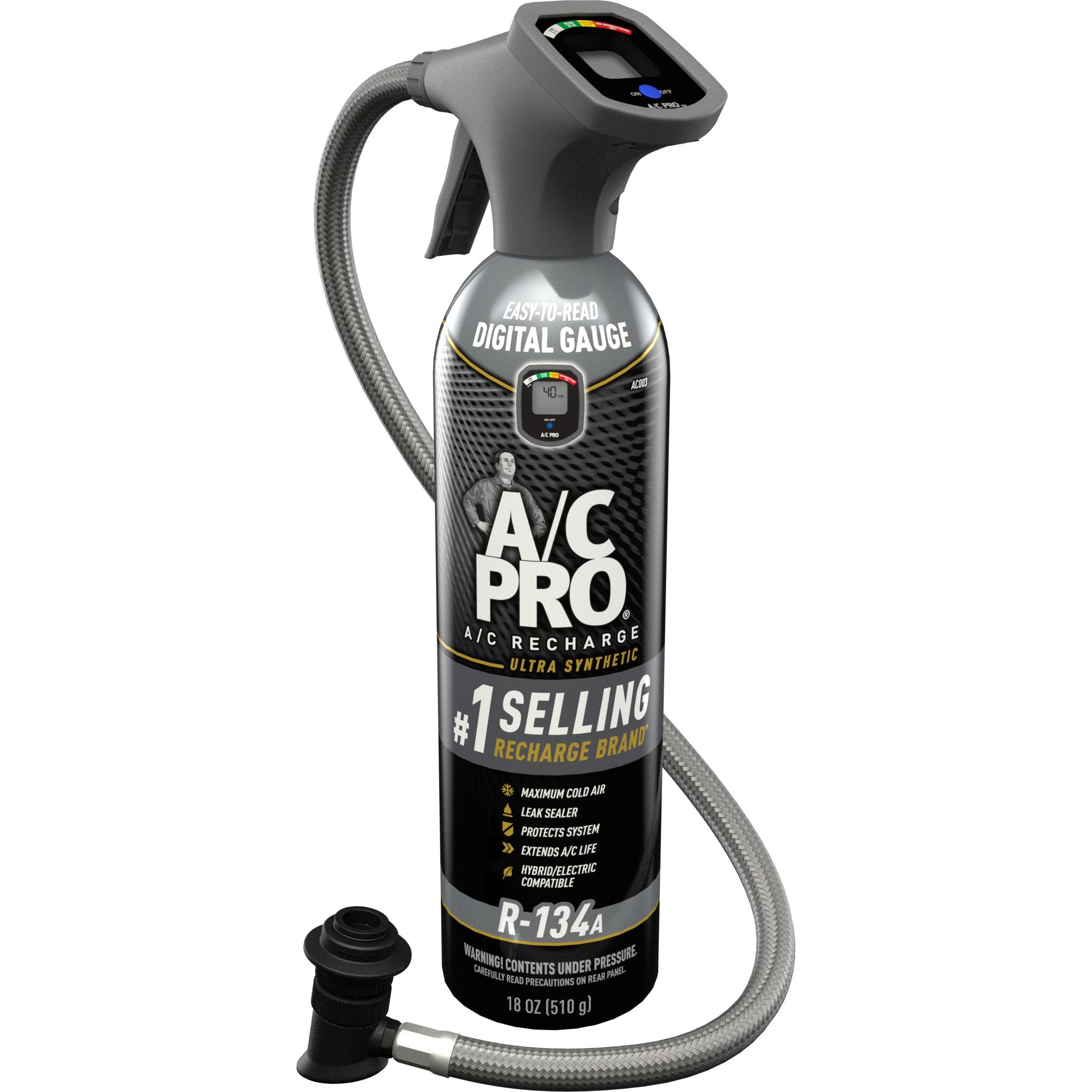
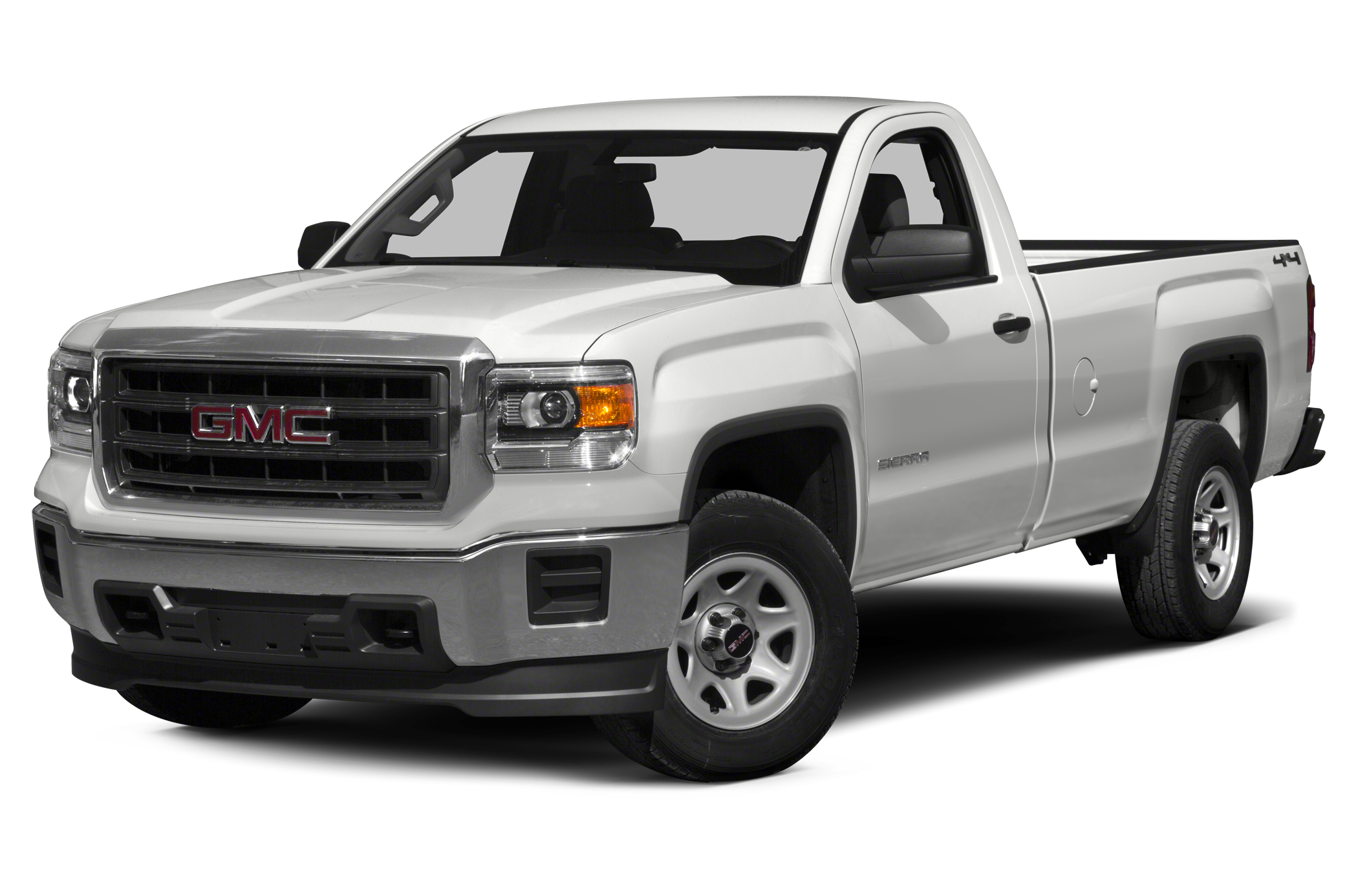
Understanding the service history of an air conditioning recharge on a 2015 GMC Sierra involves looking at factory specifications, common leak points, and proper maintenance procedures to keep the cabin comfortable. When evaluating the HVAC history of this specific half-ton truck generation, owners and prospective buyers must examine whether a simple refrigerant top-off was performed or if technicians addressed underlying mechanical failures such as evaporator leaks or compressor wear.
Decoding the HVAC System on the 2015 GMC Sierra
The 2015 GMC Sierra utilizes an automotive air conditioning system designed around R-134a refrigerant, a standard across General Motors vehicles of that era before the industry-wide transition to R-1234yf in later model years. The system integrates an engine-driven variable displacement compressor, a high-pressure condenser mounted ahead of the radiator, an orifice tube (or expansion block depending on dual-zone configurations), and an evaporator core housed within the dashboard assembly.
When reviewing service documentation for a 2015 Sierra, the term "AC recharge" can mean different things. A routine maintenance recharge implies that minor, natural permeation of refrigerant occurred over several years—a normal occurrence in automotive plumbing. However, an AC recharge history that shows multiple interventions within a short window typically points to a chronic systemic issue. Documented technician notes should always accompany a recharge entry to clarify whether dye was added, pressure tests were conducted, or specific components were replaced.
Factory Specifications and Capacities for 2015 Models
Knowing the exact fluid capacities and component specifications is essential for evaluating past service quality. Overcharging or undercharging an air conditioning system on a GMTK2 platform Sierra leads to poor cooling performance, excessive head pressures, and potential compressor failure.
| Specification Category | Factory Parameter | Technical Details |
|---|---|---|
| Refrigerant Type | R-134a (HFC) | Standard chemical agent used in 2015 GM trucks |
| Refrigerant Capacity | 1.50 to 2.00 lbs (Approx.) | Varies slightly by single-cab, double-cab, or crew-cab configurations with single or dual-zone climate control |
| Compressor Oil Type | PAG 46 (ISO 46) | Low-viscosity polyalkylene glycol oil specific to R-134a systems |
| System High-Pressure Cutout | Approx. 425–450 PSI | Safety switch designed to protect lines and condenser from bursting |
| Low-Pressure Cycling Switch | Approx. 22–28 PSI | Cycling threshold to prevent evaporator freeze-up |
Note: Always verify the exact refrigerant weight requirement by checking the under-hood vehicle emission control information (VECI) label, as capacities differ depending on whether the truck features rear cabin auxiliary climate controls.
Interpreting AC Recharge Entries in Vehicle History Reports
When pulling a CARFAX, AutoCheck, or dealership service history report for a 2015 GMC Sierra, entries regarding the climate control system demand close inspection. A single AC recharge logged at an independent shop or authorized dealership after several years of operation is generally benign. It indicates routine wear where ambient moisture or minor seal degradation allowed refrigerant levels to drop below the optimal threshold.
Conversely, a fragmented history tells a different story. If a vehicle report indicates an AC recharge every spring or summer for two or three consecutive years, previous owners likely attempted a low-cost band-aid solution rather than fixing a refrigerant leak. Refrigerant is a closed-loop substance; if it escapes, there is a physical hole, cracked o-ring, or failing component that needs replacement. Relying solely on DIY aerosol recharge cans from auto parts stores without addressing the root cause introduces moisture and stop-leak additives into the system, which can gum up expansion valves and ruin recovery equipment.
Common Mechanical Failure Points on 2015 Sierra Air Conditioning
To truly understand a Sierra's AC recharge history, one must look at the mechanical weaknesses native to the 2015 model year. While the truck is generally robust, several areas are known to compromise system integrity over time:
- Evaporator Core Leaks: Located deep inside the dashboard housing, the evaporator core is notoriously difficult to inspect visually. Micro-leaks in the core cause gradual refrigerant loss, leading to an annual need for a recharge. Replacing this component requires extensive labor, as the entire dashboard framework must be unbolted and extracted.
- Condenser Seams and Tube Leaks: Positioned at the front of the vehicle, the condenser takes the brunt of road debris, rocks, and corrosive winter road salts. Punctures or stress cracks along the aluminum brazing joints are a primary source of pressure loss.
- Compressor Shaft Seals: The front shaft seal on the variable displacement compressor can wear out, resulting in a distinct oily residue around the compressor pulley and a slow loss of refrigerant charge.
- Schrader Valves: High and low-side service port valves frequently fail to seat properly after diagnostic gauges or recharge hoses are disconnected, leading to slow, continuous atmospheric venting.
Diagnostic Procedures Used During Professional Service
A professional-grade air conditioning service goes far beyond injecting a can of refrigerant. When a service history notes a proper diagnostic and recharge procedure, it typically follows a strict engineering protocol designed to ensure long-term reliability.
1. Recovery and Evacuation
Technicians connect a specialized recovery machine to draw out any remaining refrigerant and residual moisture. Pulling a deep vacuum (typically down to 29.9 inches of mercury or lower) for a minimum of 20 to 30 minutes is critical. This negative pressure boils off any trapped moisture inside the aluminum lines, as water mixed with R-134a and PAG oil forms corrosive hydrofluoric acid.
2. Electronic Leak Detection and UV Dyes
Before charging the system with fresh refrigerant and precise amounts of PAG oil, technicians pressurize the empty system with nitrogen or introduce ultraviolet (UV) dye. Electronic sniffer tools or high-intensity blacklights are then used to scan evaporator drains, hose crimps, compressor housings, and condenser fins for glowing residue or acoustic leak signatures.
3. Precise Weight Charging
Modern automotive AC systems cannot be accurately charged by reading low-side pressure gauges alone, especially variable displacement units used in the 2015 GMC Sierra. Technicians use digital scales to charge the exact manufacturer-specified weight of liquid refrigerant into the high side of the system.
Financial and Maintenance Considerations for Buyers
For prospective buyers inspecting a used 2015 GMC Sierra, a clean or transparent AC recharge history can influence valuation. If the truck requires a mechanical overhaul—such as replacing an evaporator core or a seized compressor—repair bills can easily range from $1,000 to $2,500 due to the high labor hours involved.
Sellers who provide detailed repair orders showing that a leak was diagnosed and a specific hose or seal was replaced offer much higher confidence than those whose service records simply state "A/C recharged - customer notes warm air." Prioritizing documented preventative maintenance ensures that the climate control system operates efficiently through extreme summer heat waves without unexpected failures.
Frequently Asked Questions
How often should a 2015 GMC Sierra air conditioning system need a recharge?
Under normal operating conditions, a healthy automotive AC system is a sealed loop and should never need a refrigerant recharge. If a 2015 Sierra requires a recharge, it indicates a leak or component failure that needs professional diagnosis rather than routine top-offs.
Can I use DIY stop-leak products on my 2015 GMC Sierra AC system?
Using canned refrigerant containing chemical stop-leak additives is strongly discouraged by professional technicians. These sealants can react with moisture in the system, solidify prematurely, clog expansion valves, ruin expensive recovery machinery at professional repair shops, and contaminate the entire climate control architecture.
What is the difference between an AC recharge and an AC repair?
An AC recharge simply replenishes the lost refrigerant and compressor oil to restore cooling capacity temporarily. An AC repair identifies and replaces the broken component—such as a leaking condenser, faulty pressure switch, or degraded o-ring—ensuring the newly added refrigerant remains sealed inside the system permanently.
Does the 2015 GMC Sierra use R-134a or R-1234yf refrigerant?
The 2015 GMC Sierra relies on R-134a refrigerant. General Motors transitioned most of its light-duty truck lineup to the environmentally friendlier R-1234yf refrigerant in subsequent model years, making R-134a the correct chemical agent for factory specifications on 2015 models.
Why does my Sierra blow cold air on the highway but warm air at idle?
This symptom usually points to insufficient airflow across the condenser coils rather than a lack of refrigerant. Common causes include a failing electric cooling fan, a blocked radiator/condenser assembly packed with debris, or a malfunctioning fan clutch in mechanical auxiliary setups.
Next Steps for Sierra Owners and Evaluators
If you are currently troubleshooting cooling issues or reviewing service records for a 2015 GMC Sierra, start by inspecting the under-hood service ports for oil residue and listening for rapid compressor cycling. Schedule a professional diagnostic test featuring a nitrogen pressure test and dye inspection rather than immediately purchasing retail DIY refrigerant cans. Addressing the underlying mechanical root cause protects the compressor, preserves cabin comfort, and prevents recurring repair expenses.