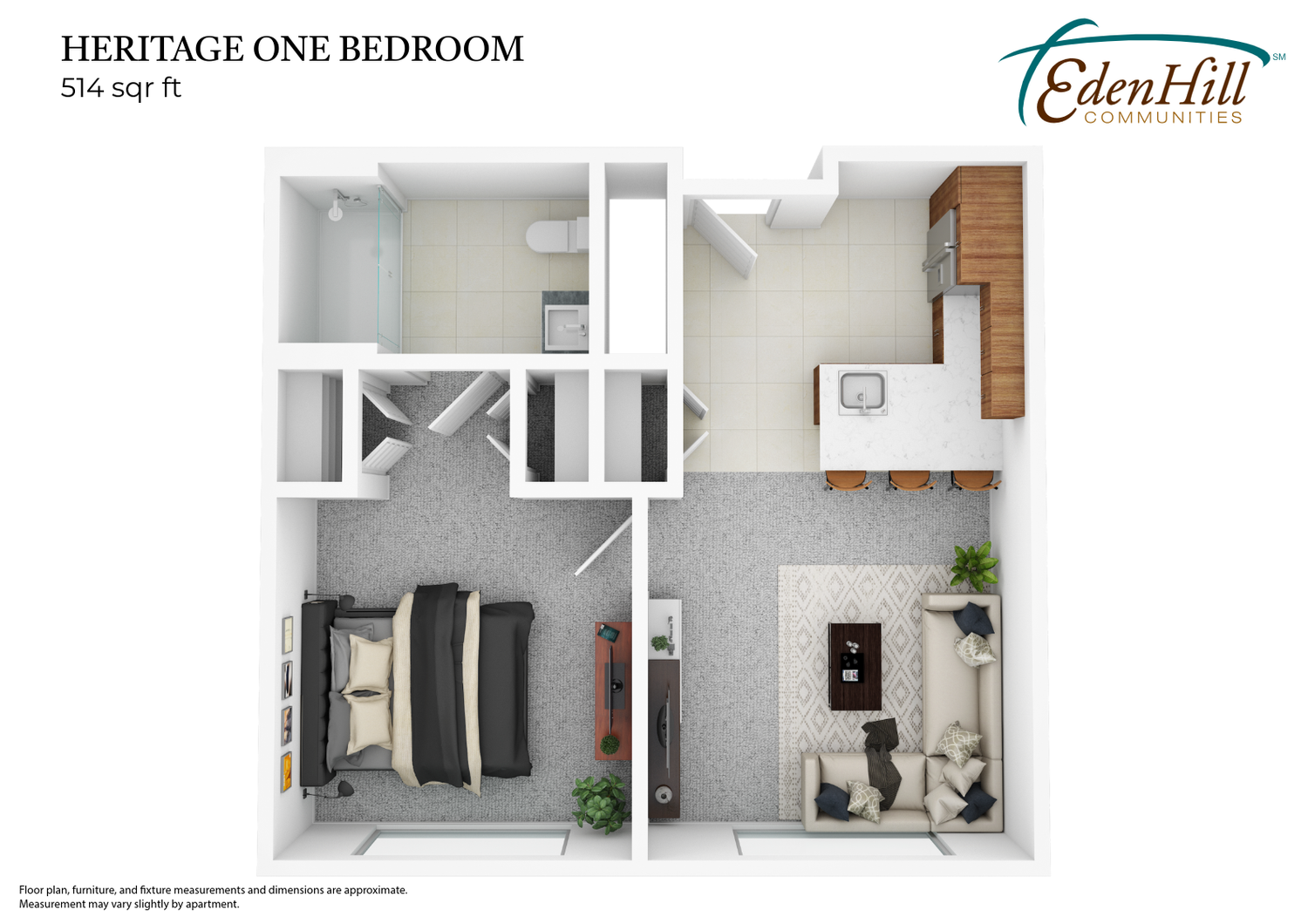
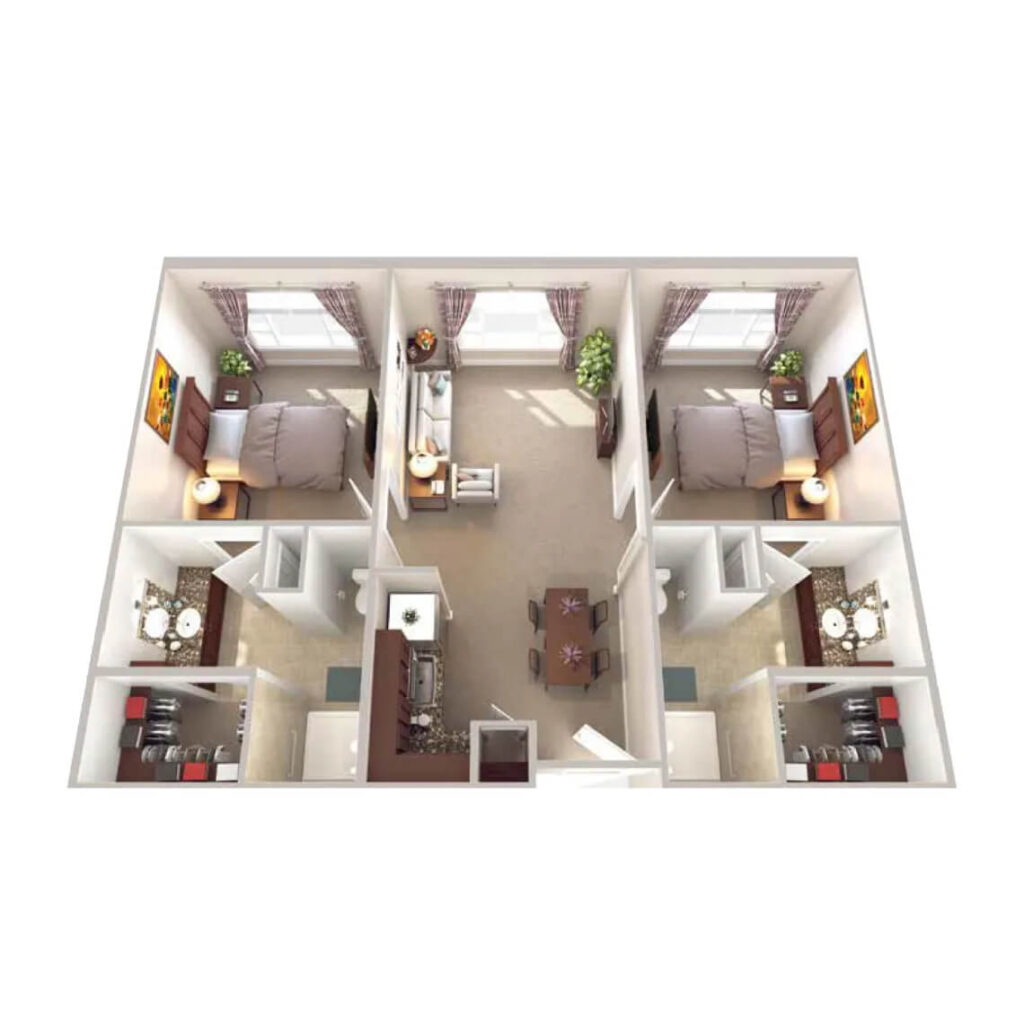
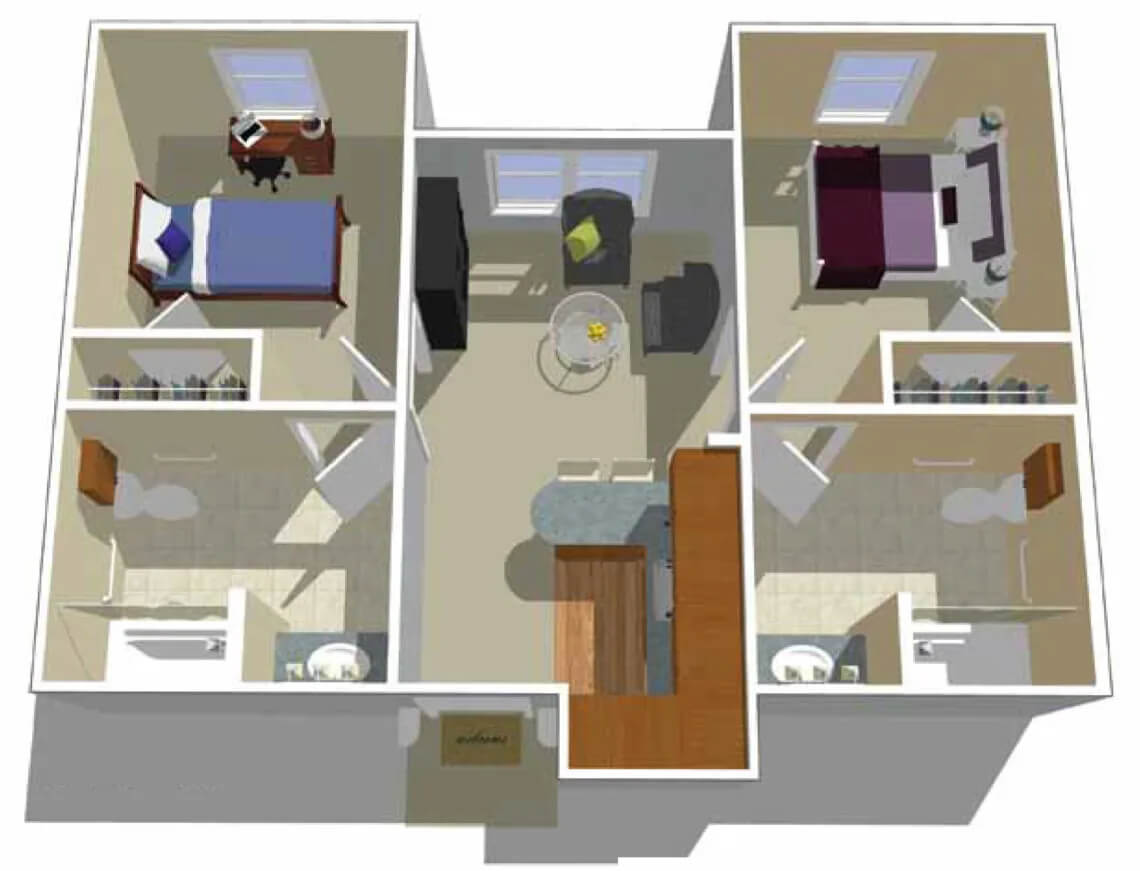
Choosing a two-bedroom senior living arrangement provides older adults and their families with expanded space, flexibility, and comfort. These configurations typically range from independent living apartments and continuing care retirement communities to assisted living and companion-sharing setups, allowing space for a partner, live-in caregiver, home office, or visiting family.
Understanding the Landscape of Senior Living Accommodations
Transitioning into a senior living community marks a significant lifestyle change. While studio apartments and one-bedroom units are standard across the industry, two-bedroom senior living options cater to individuals who refuse to downsize completely, couples with differing care needs, or those who desire a dedicated guest room and workspace.
The primary driver for selecting a larger footprint is functional independence. A two-bedroom layout generally offers between 800 and 1,200 square feet of living space, featuring a master suite, a secondary bedroom or den, a shared or en-suite bathroom arrangement, and a full or partial kitchen. Understanding the architectural and operational structures of these spaces helps families match their financial and medical realities with the right community type.
Core Categories of Senior Living Offering Two-Bedroom Floor Plans
Not all senior living communities are structured the same way. The availability of two-bedroom units heavily depends on the care model and the licensing of the facility. Below are the primary models where these configurations are commonly found.
Independent Living Communities
Independent living communities are designed for active, healthy older adults who require minimal to no personal care assistance. These environments prioritize socialization, maintenance-free living, and recreational amenities.
- Space Utilization: Two-bedroom independent living apartments or cottages often feature full kitchens, washer-dryer hookups, patios, and walk-in closets.
- Ideal For: Active retirees, couples who want extra space for hobbies, or individuals who frequently host family members overnight.
Assisted Living Facilities (ALFs)
Assisted living communities bridge the gap between independent living and skilled nursing. They provide help with Activities of Daily Living (ADLs) such as medication management, bathing, dressing, and mobility.
- Space Utilization: Two-bedroom units in assisted living are less common than studios and one-bedroom units, often commanding premium monthly rates. They allow spouses with different care levels to live together under one roof, even if only one partner requires daily assistance.
- Ideal For: Couples where one partner needs care and the other remains independent, or residents who simply want more room to maneuver mobility devices without feeling cramped.
Continuing Care Retirement Communities (CCRCs)
Also known as life plan communities, CCRCs offer a continuum of care on a single campus—ranging from independent living and assisted living to memory care and skilled nursing.
- Space Utilization: CCRCs frequently feature expansive two-bedroom independent living cottages, townhomes, and multi-room apartments. If a resident's health declines, they can often transition to higher care tiers, though they may have to move to a smaller unit depending on campus availability.
- Ideal For: Long-term planners looking for lifetime care security without having to relocate to a completely new neighborhood as health needs evolve.
Financial Considerations and Cost Structures
Securing a two-bedroom senior living option involves a more complex financial commitment than standard entry-level units. Square footage, community tier, and geographic location heavily influence monthly expenses and entry fees.
Monthly Rental Models vs. Continuing Care Buy-Ins
- Rental Communities: Residents pay a predictable monthly fee that covers rent, utilities, maintenance, housekeeping, and baseline amenities. Two-bedroom units usually add a significant premium—often $500 to $1,500 more per month—over a one-bedroom unit in the same facility.
- Life Plan/CCRC Entrance Fees: CCRCs often require a hefty upfront entrance fee (ranging from $150,000 to over $500,000) alongside monthly service fees. Many of these entrance fees are partially refundable to the resident or their estate, depending on the contract type (Type A, B, or C contracts).
Comparative Breakdown of Senior Living Unit Types
| Senior Living Type | Typical Square Footage (2-Bedroom) | Average Monthly Cost Range | Primary Care Inclusion |
|---|---|---|---|
| Independent Living | 850 – 1,200 sq. ft. | $3,000 – $6,500+ | Maintenance, dining plans, social activities |
| Assisted Living | 750 – 1,100 sq. ft. | $4,500 – $8,500+ | ADL assistance, medication management, meals |
| CCRC / Life Plan | 900 – 1,400 sq. ft. | $3,500 – $7,000+ (plus entry fee) | Scales from independent living to skilled nursing |
Note: Costs vary dramatically based on geographic region, state licensing mandates, and custom interior finishes.
Assessing Accessibility, Safety, and Design Features
When touring or evaluating two-bedroom senior living options, prospective residents and their families must look beyond cosmetic aesthetics. Safety and universal design principles are paramount for aging in place safely.
Universal Design and Mobility Standards
A well-designed senior living floor plan should eliminate physical barriers that increase fall risks. Key architectural features to verify include:
- Doorway and Hallway Widths: Hallways should be at least 36 to 42 inches wide, and doorways should accommodate wheelchairs or walkers (ideally 36 inches wide).
- Bathroom Adaptability: Look for step-in or roll-in showers with built-in bench seating, grab bars placed near the toilet and shower, and comfort-height toilets.
- Flooring: Low-pile carpets or non-slip luxury vinyl tile (LVT) reduce tripping hazards. Avoid thick area rugs that can catch a walker's legs.
- Kitchen Safety: Front-control stoves, lever-style faucet handles, and pull-out shelving minimize awkward reaching and bending.
Evaluating Healthcare and Caregiving Flexibility
A major advantage of choosing a two-bedroom unit is the flexibility it provides for care management. However, communities have strict rules regarding who can live in the unit and how outside care agencies operate.
Bringing in Third-Party Home Health Care
If a resident lives in an independent living two-bedroom unit but eventually requires assistance with ADLs, many communities permit families to hire private, licensed home care aides to visit the apartment. Families must verify:
- Whether the facility allows outside home health aides or restricts care to internal staff only.
- Parking availability and registration policies for external caregivers.
- Whether the second bedroom can comfortably accommodate a live-in companion or round-the-clock nurse if health declines significantly.
Step-by-Step Guide to Finding and Securing the Right Unit
Finding the ideal two-bedroom senior living arrangement requires a methodical approach. Because two-bedroom floor plans are often in high demand and limited supply within a given facility, early planning is essential.
- Define Current and Future Care Needs: Determine whether the resident is entirely independent or requires medical oversight. This narrows the search between independent living, assisted living, or a CCRC.
- Establish a Realistic Budget: Calculate total monthly income, assets, long-term care insurance policies, and veteran benefits (such as the VA Aid and Attendance benefit) to establish a sustainable price ceiling.
- Draft a Shortlist of Communities: Research facilities within the desired geographic radius that explicitly advertise two-bedroom inventory.
- Schedule In-Person Tours: Visit during peak activity times (such as lunch service or an afternoon activity) to observe community culture, staff responsiveness, and resident engagement.
- Review the Residency Agreement Carefully: Have an elder law attorney or financial advisor review the contract, specifically examining refund clauses, rate hike histories, and health-based transfer policies.
- Join the Priority Waitlist: Because two-bedroom units are scarce, placing a refundable deposit on a waitlist ensures priority access when a unit opens up.
Frequently Asked Questions
Can two non-related friends or siblings share a two-bedroom senior living apartment?
Yes. Many independent and assisted living communities permit platonic roommates, siblings, or friends to share a two-bedroom unit to split housing and operational costs. Each resident typically undergoes an individual health assessment and signs a separate occupancy agreement, though monthly fee structures vary by facility.
Do two-bedroom senior living options include two full bathrooms?
It depends on the specific floor plan. While master suites almost always feature an en-suite bathroom, the second bathroom is frequently a guest half-bath (powder room) or a shared full bath accessible from the hallway. Reviewing the exact architectural blueprint during the tour is critical for privacy.
What happens to the living arrangement if one spouse requires memory care?
If a couple lives in a two-bedroom independent or assisted living unit and one partner develops advanced dementia, most traditional communities require the affected partner to transfer to a secure memory care unit. Some CCRCs allow couples to remain close by placing them in a campus where memory care is adjacent, though sharing the exact same two-bedroom unit may no longer be feasible due to safety regulations.
Are utilities usually included in the monthly fee for two-bedroom senior apartments?
In most rental-based independent and assisted living communities, baseline utilities (water, trash, basic cable, and Wi-Fi) are bundled into the monthly service fee. Electricity and climate control (heating and cooling) may be separately metered and billed to the resident depending on the community's operational model.
How far in advance should I look for a two-bedroom senior living unit?
Because two-bedroom units represent a smaller percentage of total inventory in most senior communities, waitlists can span anywhere from six months to several years. Initiating the search and joining waitlists well before an urgent move is required ensures a smoother transition.
Conclusion and Next Actions
Selecting a two-bedroom senior living option balances the desire for personal space with the peace of mind that comes from a supportive community environment. To begin, audit current household assets, list must-have accessibility features, and schedule tours with at least three local facilities that feature multi-room floor plans. Engaging early with community directors and financial planners will secure a comfortable, safe, and sustainable home for the years ahead.