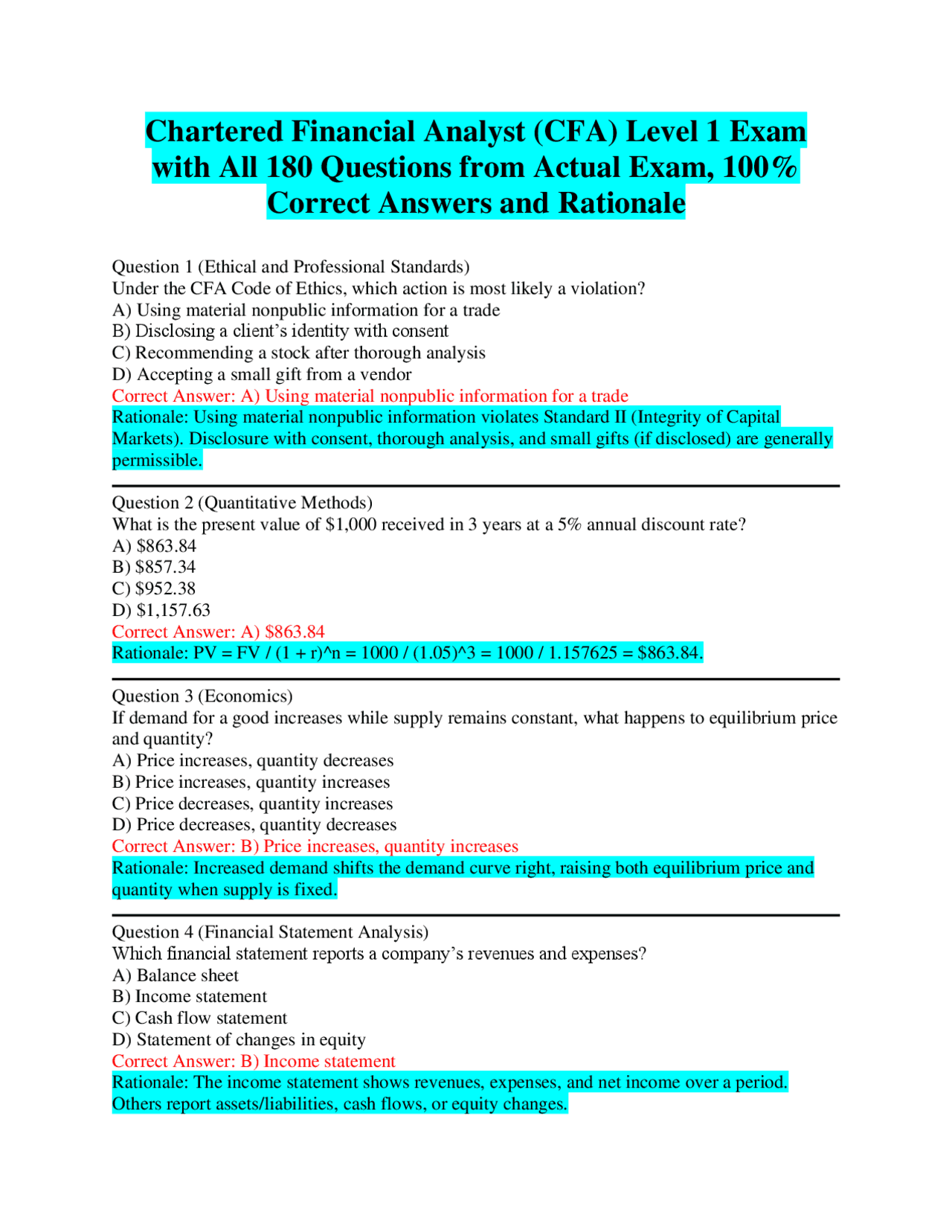
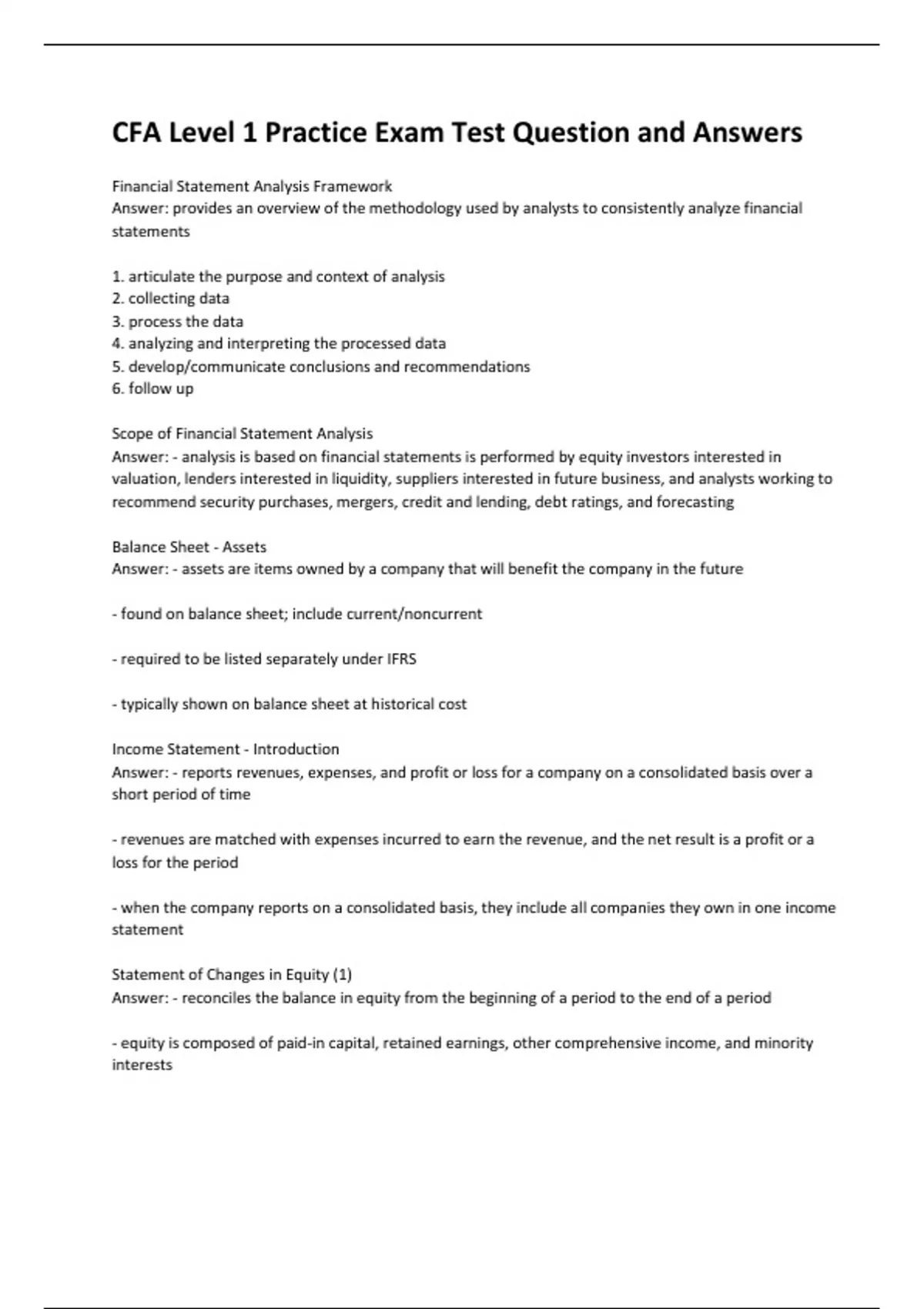
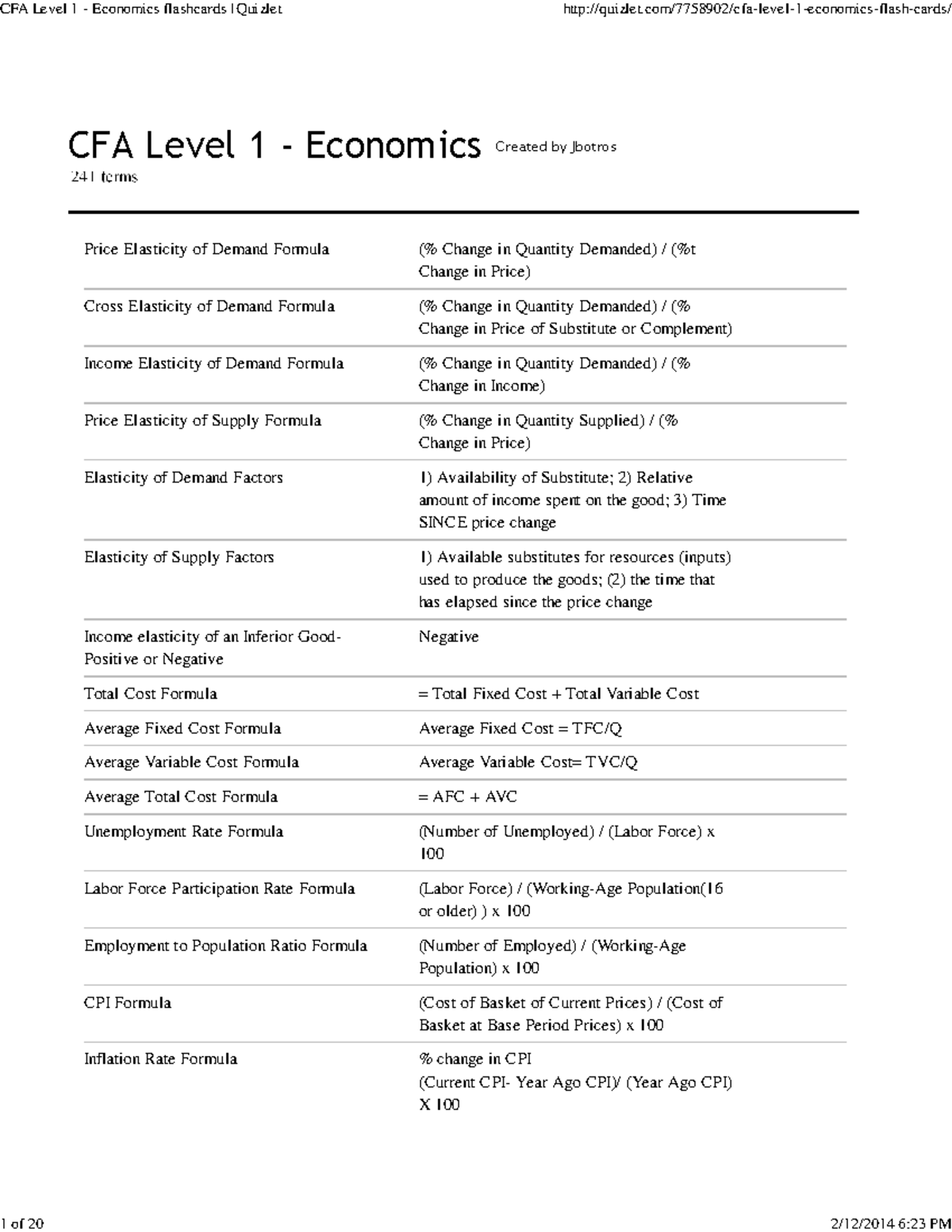
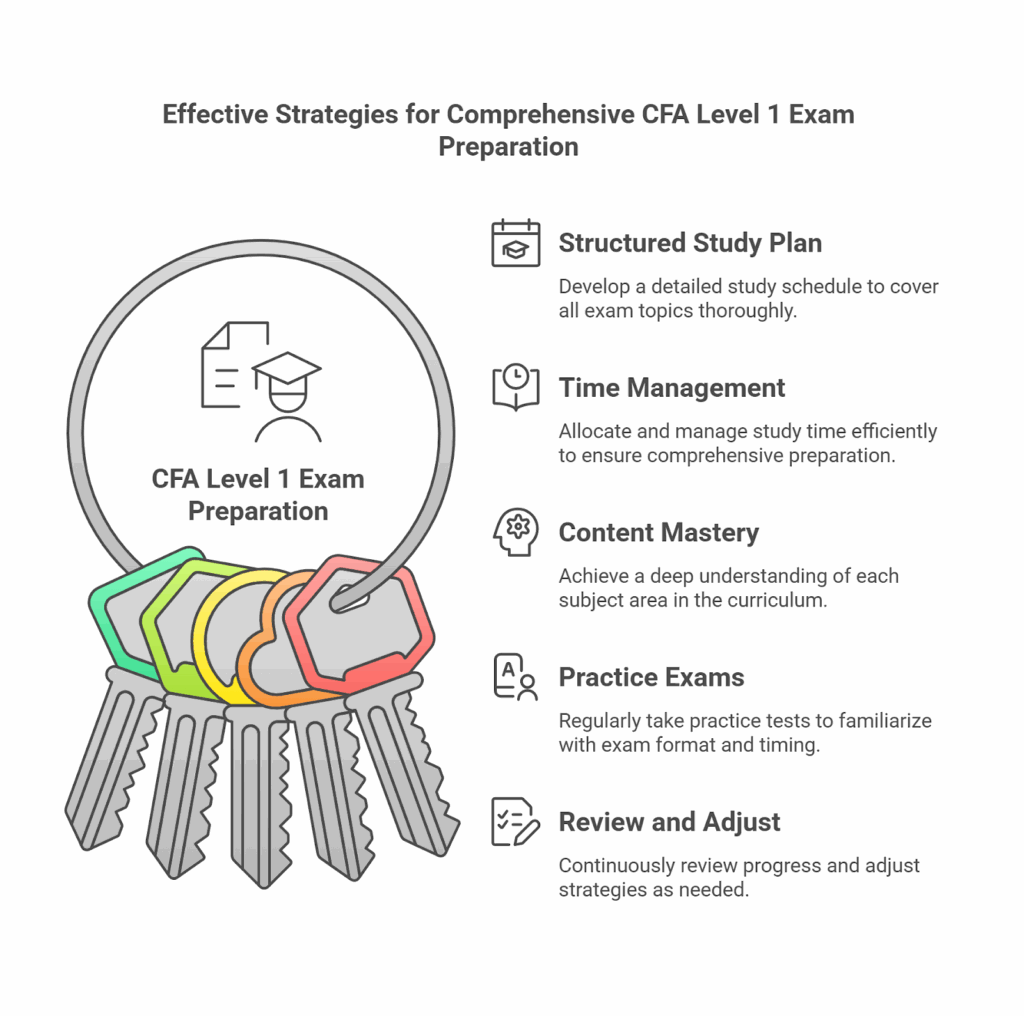
Deciding to embark on the Chartered Financial Analyst (CFA) journey is a major commitment that requires hundreds of hours of rigorous study, financial investment, and personal dedication. For aspiring finance professionals, analysts, and portfolio managers, enrolling in CFA Level 1 serves as the foundational gateway to one of the most respected designations in the global investment management industry. Administered by CFA Institute, the program tests a broad spectrum of fundamental knowledge, ranging from ethical and professional standards to corporate finance, financial reporting, and asset classes. Understanding the driving motivations behind this professional pursuit can help candidates align their career trajectories with the substantial rewards the credential offers. Below are ten compelling reasons to enroll in CFA Level 1, detailing how it shapes professional competence, enhances global credibility, and unlocks advanced career opportunities in the financial sector.
1. Establishing a Comprehensive Foundation in Finance
One of the primary benefits of entering the CFA program is the sheer breadth and depth of the curriculum. Unlike specialized academic degrees that may focus narrowly on corporate accounting, quantitative methods, or portfolio theory, CFA Level 1 introduces candidates to a holistic view of the investment industry.
The curriculum is structured around ten key topic areas:
- Ethical and Professional Standards
- Quantitative Methods
- Economics
- Financial Statement Analysis
- Corporate Issuers
- Equity Investments
- Fixed Income
- Derivatives
- Alternative Investments
- Portfolio Management and Wealth Planning
By studying these diverse subjects, candidates build an interconnected framework of financial knowledge. An equity analyst, for instance, gains a deeper appreciation for macroeconomic indicators and ethical compliance, while a corporate finance professional develops stronger skills in financial statement interpretation and quantitative analysis. This foundational overview ensures that every charterholder speaks a universal financial language, equipping them to navigate complex multi-asset scenarios with confidence.
2. Gaining Global Recognition and Prestige
The CFA charter is widely recognized as the gold standard of professional excellence in investment management across the globe. Employers in major financial hubs from New York and London to Singapore and Tokyo look upon the designation as proof of elite competence, dedication, and integrity.
While holding the charter requires passing all three exams and fulfilling work experience requirements, passing Level 1 is the critical first public signal to employers that an individual is serious about mastering the discipline. Listing CFA Level 1 registration or completion status on a resume demonstrates commitment to rigorous professional standards. Because the curriculum is standardized worldwide, multinational financial institutions recognize the uniform difficulty and rigor of the exams, making the credential universally respected across international borders.
3. Advancing Career Opportunities and Employability
In a competitive job market, standing out among hundreds of applicants is a persistent challenge for graduates and early-career professionals. Enrolling in CFA Level 1 provides an immediate competitive advantage by signaling ambition and capability to recruiters and hiring managers.
Financial institutions, asset management firms, investment banks, and consulting practices frequently look for candidates who have cleared Level 1 as proof of foundational technical competence. It can serve as a decisive factor when transitioning from a back-office or administrative role to a front-office analytical or advisory position. Furthermore, many employers actively encourage or require progress through the CFA program for upward mobility, linking career promotions and pay increases directly to examination milestones.
4. Demonstrating Uncompromising Ethical Standards
At the core of the CFA Institute's mission is a commitment to professional ethics and investor protection. Ethics is not merely a peripheral chapter in the CFA curriculum; it is a foundational pillar that permeates every single topic area. The Global Investment Performance Standards (GIPS) and the CFA Institute Code of Ethics and Standards of Professional Conduct are heavily emphasized from Level 1 onward.
Employers value professionals who not only understand financial modeling and market valuation but also possess an unwavering commitment to fiduciary duty and ethical decision-making. Passing CFA Level 1 signals to clients, regulators, and colleagues that the candidate has internalized these high standards, reducing reputational risk for employing firms and fostering trust in client relationships.
5. Bridging Educational and Practical Gaps
Many professionals enter the finance industry from diverse academic backgrounds, including engineering, mathematics, physics, or the humanities. While quantitative and analytical thinking skills from these fields are valuable, candidates may lack formal training in core financial concepts such as double-entry accounting, capital budgeting, or fixed-income valuation.
CFA Level 1 functions as an intensive bridge program that imparts practical, industry-standard knowledge. It takes theoretical concepts taught in business schools and translates them into practical tools used daily by portfolio managers and financial analysts. For career changers, this structured learning pathway provides the technical credibility necessary to transition smoothly into the financial sector without requiring an additional master’s degree.
6. Developing Self-Discipline and Time-Management Skills
Preparing for CFA Level 1 is an exercise in extreme personal management. CFA Institute recommends a minimum of 300 hours of study for each level of the exam. Juggling these intensive study hours alongside full-time employment, family responsibilities, and personal commitments demands rigorous time management and unyielding self-discipline.
The process of building a structured study schedule, mastering dense readings, solving practice problems, and reviewing mock exams transforms a candidate's work habits. The resilience and organizational skills developed during Level 1 preparation translate directly into professional life, enhancing an individual's ability to handle high-pressure environments, tight deadlines, and complex, multi-layered projects.
7. Cost-Effective Alternative to a Master’s Degree
Pursuing a graduate degree, such as a Master of Business Administration (MBA) or a specialized Master in Finance, often requires a substantial financial investment and a temporary departure from the workforce. Tuition costs can run into tens or hundreds of thousands of dollars, alongside opportunity costs from lost wages.
In contrast, the CFA program offers a highly cost-effective, self-paced alternative for professional development. While registration fees and study materials require a financial commitment, the total cost is a fraction of traditional graduate tuition. Candidates can study while maintaining full-time employment, allowing them to apply newly acquired knowledge directly to their current jobs on a daily basis.
8. Joining a Powerful Global Professional Network
Enrolling in the CFA program grants candidates access to a vast, influential global community of financial professionals. While full charterholders enjoy full membership benefits in local societies, candidates can often engage with local CFA society events, networking sessions, and educational seminars.
This professional network spans virtually every major financial institution worldwide. Interacting with seasoned portfolio managers, charterholders, and fellow candidates opens doors to mentorship, career guidance, and exclusive job opportunities. The shared experience of preparing for the rigorous CFA exams creates a unique bond among members of the global finance community.
9. Enhancing Analytical and Quantitative Competence
Modern finance is increasingly driven by data, quantitative models, and complex market instruments. CFA Level 1 places a strong emphasis on quantitative methods, hypothesis testing, financial statement analysis, and valuation techniques.
Candidates learn how to dissect corporate balance sheets, evaluate the cash flow implications of various accounting choices, apply time-value-of-money calculations, and assess statistical risk measures. This rigorous training hones an individual's critical thinking and analytical precision, enabling them to evaluate investment opportunities objectively, spot financial anomalies, and make data-driven recommendations.
10. Building a Lifelong Habit of Continuous Learning
The financial markets are dynamic, evolving constantly in response to regulatory shifts, technological innovations, macroeconomic trends, and new asset classes such as digital assets and sustainable finance. Enrolling in CFA Level 1 cultivates a mindset of continuous professional development.
The study habits and intellectual curiosity required to conquer the exam lay the groundwork for a career defined by lifelong learning. Once candidates experience the satisfaction of mastering complex financial frameworks, they are better equipped to adapt to future industry disruptions and maintain their edge throughout their professional lives.
Comparison of Financial Qualification Pathways
To understand how the CFA Level 1 journey compares with other common financial credentials, review the structured comparison below.
| Feature / Attribute | CFA Level 1 / Program | Master in Finance (MiF) | Financial Risk Manager (FRM) | Certified Public Accountant (CPA) |
|---|---|---|---|---|
| Primary Focus | Investment management, valuation, portfolio analysis | General advanced financial theory and research | Risk management, credit risk, market risk | Accounting, auditing, taxation, corporate compliance |
| Time Commitment | 300+ study hours (self-paced) | 1 to 2 years (full-time or part-time campus study) | 200–300 study hours per part | 300–400 study hours across 4 sections |
| Cost Structure | Moderate registration and enrollment fees | High university tuition fees | Moderate registration and exam fees | Moderate to high exam and licensing fees |
| Work Environment | Asset management, equity research, investment banking | Corporate finance, banking, academia | Risk departments, compliance, quantitative analysis | Public accounting, corporate accounting, auditing |
| Global Portability | Extremely high (standardized global curriculum) | Moderate to high depending on university reputation | High within specialized risk management roles | Region-specific (varies heavily by country/jurisdiction) |
Frequently Asked Questions
What are the eligibility requirements to register for CFA Level 1?
To register for CFA Level 1, candidates must meet specific criteria established by CFA Institute. You must have a bachelor's degree (or equivalent) or be in the final year of your bachelor's degree program at the time of registration, or have a combination of professional work experience and education totaling at least 4,000 hours. Candidates must also have a valid international passport and be prepared to take the examination in English.
How many hours should I study for CFA Level 1?
CFA Institute recommends a minimum of 300 hours of study for each level of the CFA program. However, actual study times vary significantly depending on an individual's academic background, familiarity with financial concepts, and professional experience. Candidates with non-finance backgrounds often require 350 to 450 hours to feel fully prepared for the breadth of the material.
Is CFA Level 1 difficult to pass?
Yes, CFA Level 1 is widely recognized as a challenging examination, historically reflecting pass rates that range between 35% and 45%. The difficulty arises not from any single complex topic, but from the immense breadth of the curriculum combined with the depth of understanding required across ten distinct subject areas. Diligent preparation, consistent practice questions, and mock exams are essential for success.
Can I use CFA Level 1 on my resume before passing the exam?
Yes, you can list your status on your resume, but you must adhere to strict CFA Institute guidelines regarding professional conduct and trademark usage. You should state that you are a "CFA Level 1 Candidate" or that you are "Enrolled in the CFA Program for Level 1." You must never claim to hold any partial designation or imply that Level 1 completion confers a professional certification on its own.
What career roles are accessible after passing CFA Level 1?
Passing CFA Level 1 enhances employability for entry-level and mid-level roles such as junior financial analyst, equity research associate, portfolio analyst, credit analyst, and wealth management associate. While the full charter is typically required for senior portfolio manager or chief investment officer positions, clearing Level 1 provides the necessary momentum and technical credentials to secure foundational roles in investment firms.