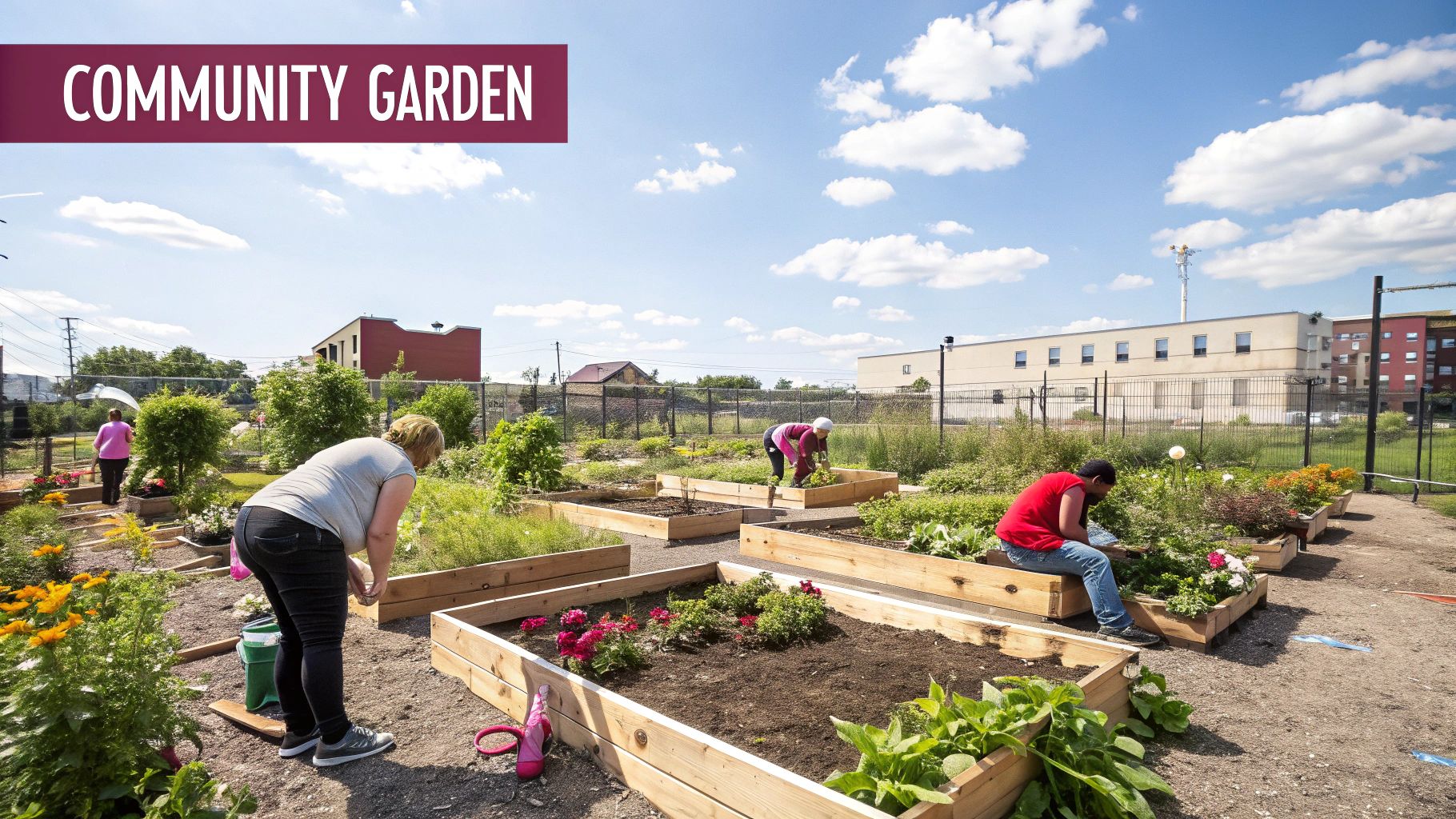
Effective community engagement transforms casual outdoor club members into a vibrant, loyal, and proactive network that drives conservation, education, and sustained club growth.
Community engagement for outdoor groups involves deliberate strategies designed to connect members, foster environmental stewardship, and build collaborative partnerships within local neighborhoods. By combining digital tools with in-person experiences, outdoor organizations can boost retention, recruit diverse participants, and cultivate long-term advocacy for natural spaces.
Understanding Community Engagement in Outdoor Groups
Outdoor organizations—ranging from hiking clubs and climbing societies to conservation volunteers and trail-building coalitions—face unique challenges. Unlike commercial businesses or digital-only communities, outdoor groups rely heavily on shared physical experiences, volunteerism, and environmental ethics. Community engagement serves as the lifeblood of these groups, bridging the gap between passive membership and active participation.
When an outdoor group implements targeted engagement strategies, it creates a self-sustaining ecosystem of outdoor enthusiasts. Experienced members mentor novices, local businesses sponsor conservation projects, and public land managers gain reliable volunteer power. To achieve this, leaders must understand that engagement is not merely event attendance; it is a continuous cycle of welcome, education, participation, and recognition.
1. Host Interactive Skill-Building Workshops
Many people feel intimidated by the outdoors due to a lack of technical knowledge. Outdoor groups can break down these barriers by organizing regular, hands-on skill-building workshops led by experienced members or certified professionals.
- Foundational Topics: Offer sessions on Leave No Trace principles, map and compass navigation, wilderness first aid, and basic gear selection.
- Format Flexibility: Combine indoor classroom sessions with practical field applications in local parks or front-country trailheads.
- Inclusivity: Design beginner-specific tracks to ensure newcomers feel welcome without judgment regarding their current fitness level or equipment quality.
By positioning the group as an educational resource, you attract individuals who want to learn safely while building confidence in natural environments.
2. Organize Collaborative Trail Maintenance and Conservation Days
Stewardship is the core responsibility of any outdoor organization. Organizing collaborative trail maintenance, invasive species removal, or litter cleanup days connects members directly to the landscapes they enjoy.
- Agency Partnerships: Coordinate with local park districts, state foresters, or federal land management agencies to identify high-priority maintenance needs.
- Gamification and Rewards: Make stewardship fun by offering small tokens of appreciation, such as custom stickers, branded bandanas, or post-event barbecues.
- Corporate Partnerships: Invite local outdoor retailers or businesses to sponsor these events, providing tools, refreshments, or raffle prizes in exchange for community visibility.
When members invest physical labor into protecting a trail, their emotional investment and loyalty to the group increase significantly.
3. Launch a Mentorship Program for Novice Adventurers
The gap between wanting to explore the backcountry and actually doing it can be vast. A structured mentorship program pairs seasoned outdoor veterans with novices or individuals from underrepresented backgrounds in outdoor recreation.
- Structured Pairing: Match mentors and mentees based on shared interests, such as backpacking, rock climbing, or bird-watching.
- Goal Setting: Establish clear objectives for the mentorship period, whether it is completing a first overnight backpacking trip or mastering lead-belaying techniques.
- Safety Protocols: Provide clear guidelines and liability considerations to ensure all mentorship outings adhere to safe outdoor practices.
This initiative builds deep interpersonal connections within the group, transforming isolated members into tight-knit adventure partners.
4. Curate Community-Led Digital Storytelling and Photo Contests
In an era of digital connectivity, content creation is a powerful tool for community building. Encourage members to share their outdoor experiences through structured storytelling and photography initiatives.
- Themed Challenges: Run monthly photo or trip-report prompts, such as "Best Sunrise Summit," "Wildlife Encounters," or "My Biggest Trail Fail and What I Learned."
- Platform Diversity: Feature winning submissions in a monthly newsletter, on social media channels, or as a dedicated section on the group's website.
- Authenticity Focus: Emphasize authentic narratives over polished perfection, highlighting the emotional rewards and humorous moments of outdoor pursuits.
This gives a voice to quieter members who may not dominate in-person meetings but excel at capturing or writing about their adventures.
5. Implement Accessible Micro-Adventures and Local Excursions
Large-scale expeditions require significant time, gear, and financial investment, which can alienate busy or budget-conscious members. Counter this by organizing low-barrier micro-adventures.
- Urban Green Spaces: Lead evening walks in local city parks, twilight bird-watching sessions, or morning coffee hikes before the workday begins.
- Public Transit Friendly: Plan outings that start and end near public transportation stops, reducing carpooling requirements and parking hassles.
- Pace Variations: Offer distinct pace groups on every outing, ensuring that walkers, runners, and slow-paced explorers all feel accommodated.
Making outdoor activities accessible on a weekly basis ensures that the group remains active in members' lives year-round, rather than just during peak vacation seasons.
6. Establish a Gear Library and Sharing Economy
Outdoor gear is notoriously expensive, serving as a primary barrier to entry for hiking, camping, and climbing. Establishing a community gear library fosters mutual aid and expands group accessibility.
- Donation Drives: Ask long-time members to donate lightly used tents, sleeping pads, backpacks, and stoves that are gathering dust in their garages.
- Inventory Management: Utilize simple reservation software or a shared spreadsheet to track check-outs, returns, and maintenance schedules.
- Safety Inspection: Implement a mandatory gear check protocol to ensure all shared equipment remains in safe, functional condition before every loan.
A functioning sharing economy lowers financial hurdles while strengthening trust and cooperation among members.
7. Host Guest Speaker Series and Adventure Film Nights
Community engagement extends beyond physical activity; it involves intellectual and cultural connection around shared passions.
- Diverse Perspectives: Invite guest speakers—such as Indigenous land stewards, adaptive athletes, climate scientists, or historic thru-hikers—to share their stories and insights.
- Film Screenings: Host indoor watch parties featuring independent adventure documentaries, conservation films, or short clips submitted by club members.
- Interactive Q&A: Always allocate time for open dialogue, allowing members to engage directly with presenters and discuss relevant local environmental issues.
These events provide valuable programming during inclement weather or off-seasons, keeping the community connected year-round.
8. Create Special Interest Sub-Groups and Affinity Circles
As outdoor groups grow larger, general meetings can feel impersonal. Breaking the broader community down into specialized affinity circles helps members find their niche.
| Sub-Group Type | Focus Area | Example Activities |
|---|---|---|
| Demographic Affinity | Inclusive spaces for specific groups | Women-in-the-Wild, LGBTQ+ outdoor meetups, Youth & Family hikes |
| Activity-Specific | Technical skill development | Ultralight backpacking, winter mountaineering, bouldering crews |
| Conservation-Focused | Environmental advocacy and science | Citizen science bird counts, watershed monitoring, trail advocacy |
Allowing members to self-select into these smaller hubs prevents burnout among organizers and ensures everyone finds peers who share their exact passion.
9. Recognize and Celebrate Member Contributions
Volunteer burnout is a silent killer of community groups. Regularly acknowledging the efforts of active members sustains motivation and sets a positive cultural standard.
- Annual Awards: Host an end-of-year celebration recognizing milestones such as "Most Miles Hiked," "Top Volunteer Hours," or "Best Newcomer Mentor."
- Spotlight Features: Highlight dedicated volunteers in newsletters or social media posts, sharing their personal background and why they give back to the group.
- Low-Cost Appreciation: Handwritten thank-you notes, custom patches, or shout-outs during meetings go a long way in making individuals feel valued.
When people feel appreciated, they are far more likely to renew their involvement and step into leadership roles.
10. Engage in Local Environmental Advocacy and Policy Forums
Outdoor groups have a collective voice that carries significant weight in local government and land-use decisions. Mobilizing this community around advocacy protects the very environments you enjoy.
- Public Comment Campaigns: Educate members on upcoming municipal zoning changes, national monument designations, or local park funding bills, and provide templates for submitting public comments.
- Town Hall Attendance: Organize group outings to local city council or county commissioner meetings when public lands or recreational infrastructure are on the agenda.
- Coalition Building: Partner with neighboring conservation groups and outdoor clubs to amplify your collective impact on regional environmental policy.
Connecting recreation with civic duty transforms a recreational club into a powerful force for environmental preservation.
Summary Comparison of Engagement Strategies
To help outdoor group leaders prioritize resources, the following table compares the operational requirements and primary benefits of key community engagement ideas.
| Engagement Idea | Cost / Resource Level | Primary Benefit | Best For |
|---|---|---|---|
| Skill-Building Workshops | Low to Moderate | Lowers barriers to entry, builds safety | Beginners and safety-conscious groups |
| Trail Maintenance Days | Low (mostly labor) | Direct environmental stewardship | Active clubs seeking community impact |
| Gear Libraries | Moderate to High | Removes financial hurdles to participation | Budget-conscious or diverse urban groups |
| Affinity Sub-Groups | Low (organizational) | Deepens personal connections and retention | Growing communities with diverse interests |
| Advocacy Campaigns | Low (administrative) | Protects local recreational resources | Established groups with civic-minded members |
Frequently Asked Questions
How do I measure the success of community engagement in my outdoor group?
Success is measured through a mix of quantitative metrics—such as event attendance rates, member renewal percentages, and volunteer hours logged—and qualitative indicators, including member feedback surveys, newcomer retention, and the organic formation of independent adventure sub-groups.
What is the best way to recruit new members to an outdoor group?
Begin by partnering with local outdoor retailers, posting community notices on local bulletin boards, and maintaining an active, welcoming social media presence. Offering low-barrier, beginner-friendly introductory hikes is often the most effective conversion tool for interested prospects.
How can outdoor groups maintain engagement during the off-season?
Shift focus from physical expeditions to indoor activities. Host gear-repair workshops, adventure film nights, winter survival seminars, conservation advocacy planning sessions, and social gatherings to maintain community cohesion until weather conditions improve.
How do we handle liability and safety during group outdoor events?
Always require participants to sign standard liability waivers, establish clear communication protocols, designate experienced trip leaders with first-aid certifications, and maintain strict group-size limits that comply with local land management regulations.
Can small outdoor groups with zero budget implement these engagement ideas?
Yes. Many high-impact engagement strategies—such as peer-led skill shares, trail cleanups coordinated with public agencies, community photo contests, and affinity walking groups—require virtually zero financial investment, relying instead on member participation and enthusiasm.
Next Actions for Outdoor Group Leaders
To begin improving community engagement today, select one strategy from this list that aligns with your group's current capacity. If your members are struggling with gear costs, start planning a low-stakes gear swap or donation drive. If retention is lagging, pilot a single beginner-friendly workshop or establish an affinity sub-group. Consistency and authentic communication remain the ultimate drivers of a thriving outdoor community.