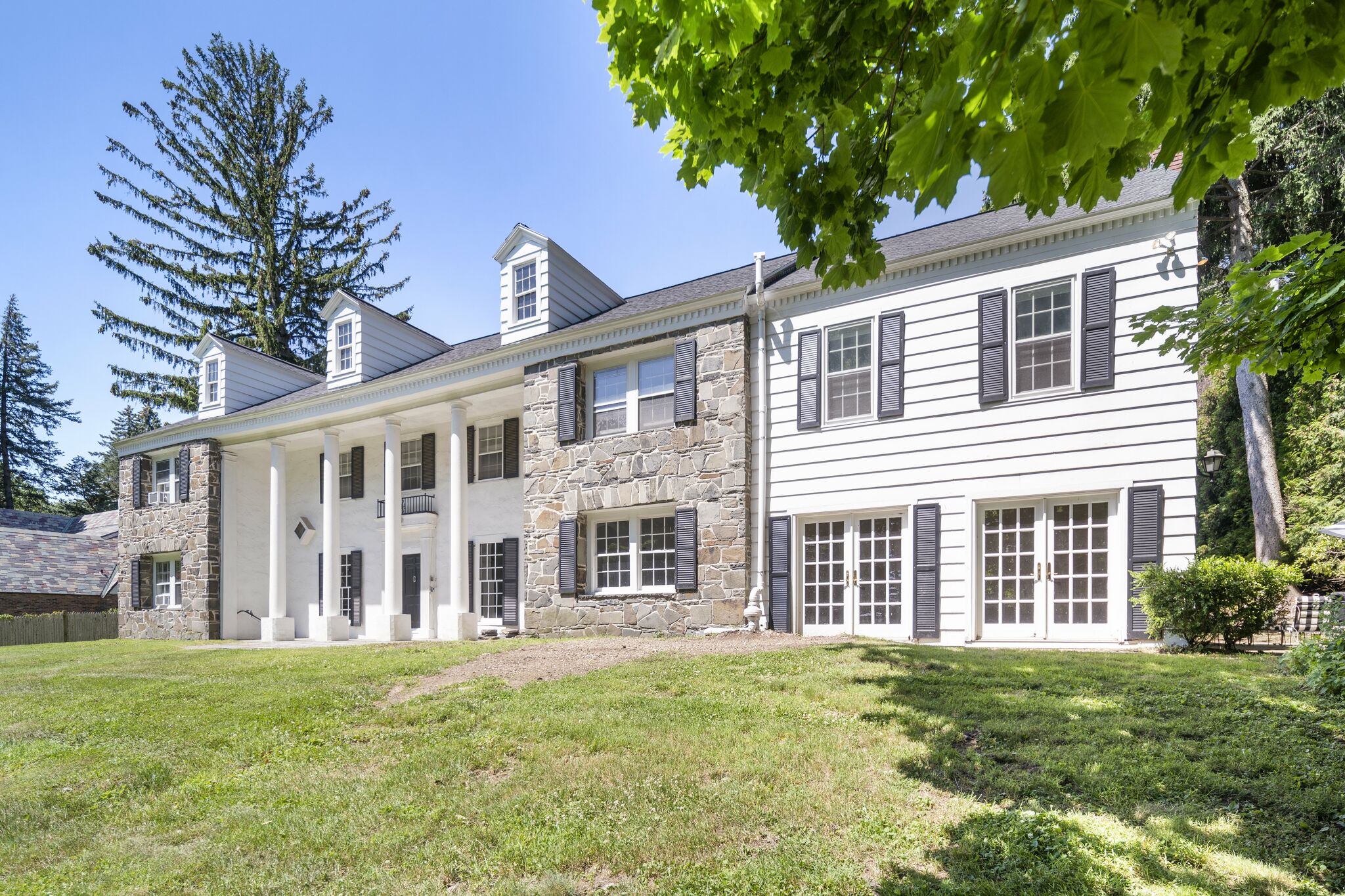
Anthony Gucciardo is a prominent licensed real estate broker and the founder of Gucciardo Real Estate Group, headquartered in Latham, New York. Specializing in residential property sales across Albany, Saratoga, Schenectady, and Rensselaer counties, his firm focuses on high-volume listing representations, luxury home marketing, and local real estate advisory services throughout the Capital District.
Background and Profile of Anthony Gucciardo
Anthony Gucciardo built his reputation within the Capital Region real estate market through a combination of intensive local marketing, high transaction volumes, and consistent representation of single-family homes, townhouses, and luxury estates. Based in Latham, New York—a centralized suburb within the Albany Metropolitan Area—his independent brokerage serves as a key player in the regional housing market.
Over his career spanning more than two decades, Gucciardo established a distinct business model centered around aggressive advertising, professional media production for listings, and direct seller representation. Rather than operating under a major national franchise umbrella, he developed an independent brand standard designed to offer dedicated local focus tailored specifically to Upstate New York housing trends.
Scope of Practice and Regional Reach
The Gucciardo Real Estate Group operates primarily within four core counties in New York State:
- Albany County: Covering the city of Albany, Colonie, Latham, Bethlehem, Guilderland, and Voorheesville.
- Saratoga County: Including Saratoga Springs, Clifton Park, Wilton, Ballston Spa, and Halfmoon.
- Schenectady County: Encompassing Niskayuna, Schenectady, and Rotterdam.
- Rensselaer County: Serving Troy, East Greenbush, North Greenbush, and Schodack.
Because the Capital Region features diverse residential environments—ranging from historic downtown brownstones and suburban tract developments to sprawling equine properties in Saratoga—navigating this market requires specialized knowledge of local school districts, property tax variations, municipal zoning regulations, and regional pricing dynamics.
How Gucciardo Real Estate Group Operates in the Capital District Market
Understanding the operational structure of a specialized local brokerage helps buyers and sellers evaluate whether its service delivery aligns with their real estate goals. The real estate market in Upstate New York operates under specific legal and commercial frameworks, where brokerage firms execute defined tasks to guide clients through complex transactions.
PROPERTY LISTING LIFECYCLE:
- Consultation & Comparative Market Analysis (CMA)
- Professional Media, Staging & Digital Syndication
- Active Marketing & Managed Showing Schedule
- Offer Negotiation & NYS Contract Execution
- Inspection, Appraisal & Closing Formalities
High-Impact Marketing Strategies for Sellers
A defining hallmark of high-volume real estate agents like Anthony Gucciardo is the emphasis on broad media reach. When listing a home, visibility directly impacts the final sales price and days on market (DOM). Key components of modern listing representation in the regional market include:
- Professional Architectural Photography and Videography: Highlighting interior layouts, premium finishes, and exterior grounds using high-definition imagery and aerial drone photography.
- Targeted Digital Advertising: Leveraging social media, Search Engine Marketing (SEM), and display ads to reach out-of-market buyers relocating to the Capital Region for major employment hubs (such as healthcare networks, state government, research institutions, and semiconductor manufacturing).
- Multiple Listing Service (MLS) Optimization: Syndicating listings across the Global MLS network to guarantee exposure to thousands of participating regional agents and national portals like Zillow, Realtor.com, and Redfin.
- Targeted Direct Mail and Print Campaigns: Utilizing high-gloss mailers and regional print media to capture passive local buyers within specific neighborhoods.
Dual Role: Buyer Representation vs. Seller Listings
While high-volume agents frequently focus on representing property sellers, navigating real estate transactions effectively requires clarity regarding agency relationships under New York State real estate law.
- Seller Representation (Listing Agent): The primary fiduciary duty is owed to the seller. Responsibilities include advising on market pricing, preparing disclosure forms, marketing the asset, managing agent communications, negotiating purchase offers, and navigating seller concessions.
- Buyer Representation (Buyer Agent): The agent represents the buyer's financial interests, assisting with comparative price evaluations, structuring competitive purchase offers, advising on home inspection contingencies, and facilitating communications with mortgage lenders and closing attorneys.
- Dual Agency Disclosures: Under New York Real Estate Law (Section 443 of the Real Property Law), if a brokerage represents both the buyer and the seller in the same transaction, explicit written consent is mandatory. Dual agency requires informed acknowledgment, as the agent cannot advocate exclusively for one party over the other during price negotiations.
Evaluating Real Estate Brokerage Models in the Capital Region
Selecting the right real estate professional involves evaluating structure, responsiveness, and marketing investment. Homeowners looking to sell in Albany, Clifton Park, or Saratoga Springs must weigh the differences between independent regional brokerages, national franchise networks, and low-fee alternative models.
| Evaluation Metric | High-Volume Independent (e.g., Gucciardo Real Estate) | National Franchise Network | Flat-Fee / Discount MLS Service |
|---|---|---|---|
| Primary Focus | Hyper-local market dominance & concentrated advertising | Brand recognition & nationwide agent referral networks | Transactional cost reduction & basic listing syndication |
| Marketing Investment | Dedicated local media, print, direct mail, customized digital ads | Shared corporate templates, localized MLS distribution | Standard MLS entry; seller handles photography and marketing costs |
| Agent Direct Access | Lead broker and direct transaction coordination team | Individual associate broker or independent agent | Limited to minimal digital correspondence or basic support |
| Pricing Strategy Support | In-depth hyper-local Comparative Market Analysis (CMA) | Agent-driven CMA using franchised reporting tools | Automated valuation models (AVM) or self-directed pricing |
| Commission Structure | Standard full-service percentage model (negotiable by contract) | Standard full-service percentage split | Flat fee upfront or reduced percentage with unbundled services |
| Negotiation Experience | Specialized regional volume experience across economic cycles | Varies widely based on the specific individual agent | Minimal to none; seller negotiates directly with buyer agents |
Key Considerations Before Hiring a Broker in Upstate New York
Enlisting a real estate broker requires careful review of legal requirements, contractual terms, and performance expectations. Whether selling a suburban home in Colonie or buying property in Saratoga Springs, buyers and sellers should complete standard due diligence.
1. Verifying Licensure and Credentials
In New York, real estate brokers and salespeople are licensed by the New York Department of State (NYS DOS) Division of Licensing Services. Prior to signing an exclusive listing or buyer representation agreement, verify:
- License Status: Confirm that the agent or broker holds an active New York Real Estate Broker or Associate Broker license via the NYS eAccessNY database.
- Disciplinary History: Review official regulatory records for administrative actions or license suspensions.
- Professional Designations: Look for active participation in the Greater Capital Association of REALTORS® (GCAR) and the New York State Association of REALTORS® (NYSAR).
2. Understanding the Exclusive Right to Sell Agreement
When hiring a broker to list a home, property owners execute an Exclusive Right to Sell Agreement. This legally binding contract outlines the operational parameters of the partnership:
- Duration of Agreement: Standard terms range from 90 to 180 days. Ensure the contract includes clear terms regarding renewal or cancellation protocols.
- Commission Structure: Real estate commissions are negotiable by law. The contract specifies total commission percentages, split arrangements with buyer-brokerages, and any administrative fees.
- Included Services: The contract should clearly specify agreed-upon marketing deliverables, such as professional staging consultations, high-resolution photography, floor plans, virtual tours, and digital advertising spend.
- Excluded Items and Personal Property: Clarify which fixtures (e.g., light fixtures, window treatments, appliances) are included or excluded from the property sale prior to marketing execution.
3. Reviewing Local Market Metrics
Evaluating an agent’s performance requires looking beyond total transaction volume. Home sellers should analyze standard performance metrics within their specific price bracket:
- List-to-Sale Price Ratio: The percentage difference between the initial listing price and the final executed contract price. A consistent ratio near or above 100% signals realistic initial pricing strategies.
- Average Days on Market (DOM): The time elapsed between initial MLS publication and an accepted purchase offer. Lower DOM relative to regional averages indicates effective pricing and targeted marketing.
- Cancellation/Expired Rates: The frequency with which listed properties fail to sell during the contract period, offering insight into long-term listing success rates.
Step-by-Step Guide to Working with a Real Estate Brokerage
Navigating a home transaction from initial consultation through closing involves clear operational phases. Following a structured process ensures transparency and legal compliance.
- PHASE 1: INITIAL CONSULTATION & VALUATION
- Conduct home walk-through and identify necessary pre-listing repairs.
- Review Comparative Market Analysis (CMA) based on recent comps.
- Execute NYS Agency Disclosure Form and Exclusive Listing Contract.
- PHASE 2: PREPARATION & MEDIA CREATION
- Complete Property Condition Disclosure Statement (PCDS).
- Schedule professional architectural photography, floor plans & video.
- Prepare high-gloss print collateral and targeted digital campaigns.
- PHASE 3: ACTIVE MARKETING & SHOWINGS
- Publish listing on Global MLS and syndicated real estate portals.
- Coordinate private showings, broker open houses, and public tours.
- Collect structural feedback from visiting agents and buyers.
- PHASE 4: OFFER EVALUATION & CONTRACT EXECUTION
- Review incoming purchase offers, pre-approval letters, and proof of funds.
- Negotiate purchase price, closing terms, seller credits, and dates.
- Submit executed binder/contract to buyer and seller attorneys.
- PHASE 5: UNDER-CONTRACT MANAGEMENT TO CLOSING
- Facilitate structural home inspections and radon testing.
- Coordinate municipal search, title insurance, and lender appraisal.
- Conduct final walkthrough and complete legal closing with attorneys.
Phase 1: Initial Consultation and Property Evaluation
The process begins with an in-person assessment of the residential asset. The broker conducts a walkthrough to evaluate structural updates, interior finishes, and curb appeal. Following the property review, the agent presents a detailed Comparative Market Analysis (CMA), detailing recently sold homes, pending sales, and active competing inventory within the same school district or municipality.
During this stage, clients sign the New York State Disclosure Form for Buyer and Seller, establishing the agency relationship, along with the standard commission agreement.
Phase 2: Property Preparation and Media Assets
Before listing a property publicly, seller preparation is key. Recommendations typically include decluttering, painting neutral tones, and staging key living spaces.
Once preparation is complete, media production begins. High-resolution interior photography, 3D virtual walking tours, schematic floor plans, and aerial drone imagery are collected to build a complete digital media portfolio.
Phase 3: Launch, Syndication, and Showing Management
Upon official publication on the Global MLS system, listing alerts are pushed to registered buyers and local real estate professionals. Showings are managed via centralized scheduling software (such as ShowingTime), enabling home sellers to approve appointments, receive immediate security notifications, and review buyer agent feedback.
Phase 4: Offer Negotiation and Legal Framework in New York
New York follows a specific legal procedure for real estate transactions that differs from standard escrow practices in other states:
- Offer Acceptance: The seller accepts a formal written offer outlining purchase price, financing terms, earnest money deposit amounts, and desired closing dates.
- Attorney Representation: In New York, real estate transactions are legally finalized by licensed real estate attorneys. Once an offer binder is accepted, the file is forwarded to the legal representatives of both seller and buyer.
- Property Inspections: The buyer schedules independent physical, structural, pest, and environmental inspections (e.g., radon gas or well/septic testing) during an agreed-upon contingency window.
- Formal Purchase and Sale Contract: Following successful inspection negotiations, the buyer's and seller's attorneys draft and execute the binding formal Purchase and Sale Contract.
Phase 5: Closing Protocols and Settlement
During the contract phase, the buyer's mortgage lender processes the formal loan application, dispatches an independent appraiser to verify property value, and orders title searches to ensure the property transfers clear of liens or encumbrances.
Immediately prior to closing, the buyer completes a final walkthrough to confirm the property's condition remains consistent with contract terms. Finally, the transaction closes at an attorney's office or title company venue, where loan documents are signed, deed transfers are recorded, and funds are disbursed.
Frequently Asked Questions
What areas does Anthony Gucciardo and his team cover?
Anthony Gucciardo and the Gucciardo Real Estate Group primarily serve the New York Capital Region, including Albany County, Saratoga County, Schenectady County, and Rensselaer County. Key municipalities include Latham, Albany, Colonie, Saratoga Springs, Clifton Park, Niskayuna, and Guilderland.
What is the typical commission structure when working with a local brokerage?
Real estate commissions in New York are fully negotiable between property owners and listing brokerages. Full-service brokerages generally charge a total percentage commission fee split between the listing brokerage and the buyer's brokerage. Specific terms, service inclusions, and marketing allocations are finalized within the formal Exclusive Right to Sell Agreement.
How does New York's attorney requirement impact the home selling process?
Unlike states that rely entirely on title companies or escrow officers to execute real estate transfers, New York State customary practice requires buyers and sellers to retain independent legal counsel. Real estate agents negotiate price, basic terms, and contingencies, but licensed attorneys draft, review, and finalize the binding Purchase and Sale Contract, conduct title searches, and execute the final transaction closing.
How are home inspections managed during high-volume sales?
Once a purchase binder is accepted by a seller, the transaction enters an inspection contingency window (typically 7 to 10 business days). The buyer hires a licensed New York State Home Inspector to evaluate structural elements, mechanical systems, roofing, plumbing, electrical infrastructure, and environmental factors like radon. Results may lead to request for repairs, monetary credits at closing, or price adjustments.
What is the difference between an Associate Real Estate Broker and a Licensed Real Estate Salesperson in NY?
In New York, a Licensed Real Estate Salesperson has completed mandatory pre-licensing education and passed state examinations to conduct real estate activities under the direct supervision of a licensed broker. An Associate Broker has met additional educational requirements, accumulated years of transaction experience, and passed the master broker examination, yet chooses to operate under an established brokerage firm rather than opening their own agency.
Recommended Next Steps for Buyers and Sellers
Whether you are evaluating Anthony Gucciardo, another high-volume local agent, or a specialized boutique agency in Upstate New York, follow these actionable steps before signing representation agreements:
- Request a Detailed Marketing Plan: Ensure your prospective broker outlines specific advertising channels, photography standards, print collateral distribution, and digital campaign budgets in writing.
- Verify Licensing Credentials: Cross-reference prospective agents on the official New York eAccessNY portal to verify current license status and active standing.
- Interview Multiple Agents: Speak with at least two or three real estate professionals specializing in your specific municipality or price point to compare Comparative Market Analyses (CMAs) and communication approaches.
- Consult a Local Real Estate Attorney: Secure legal counsel early in the process so your attorney can review purchase offer terms and custom listing contract clauses prior to binding execution.