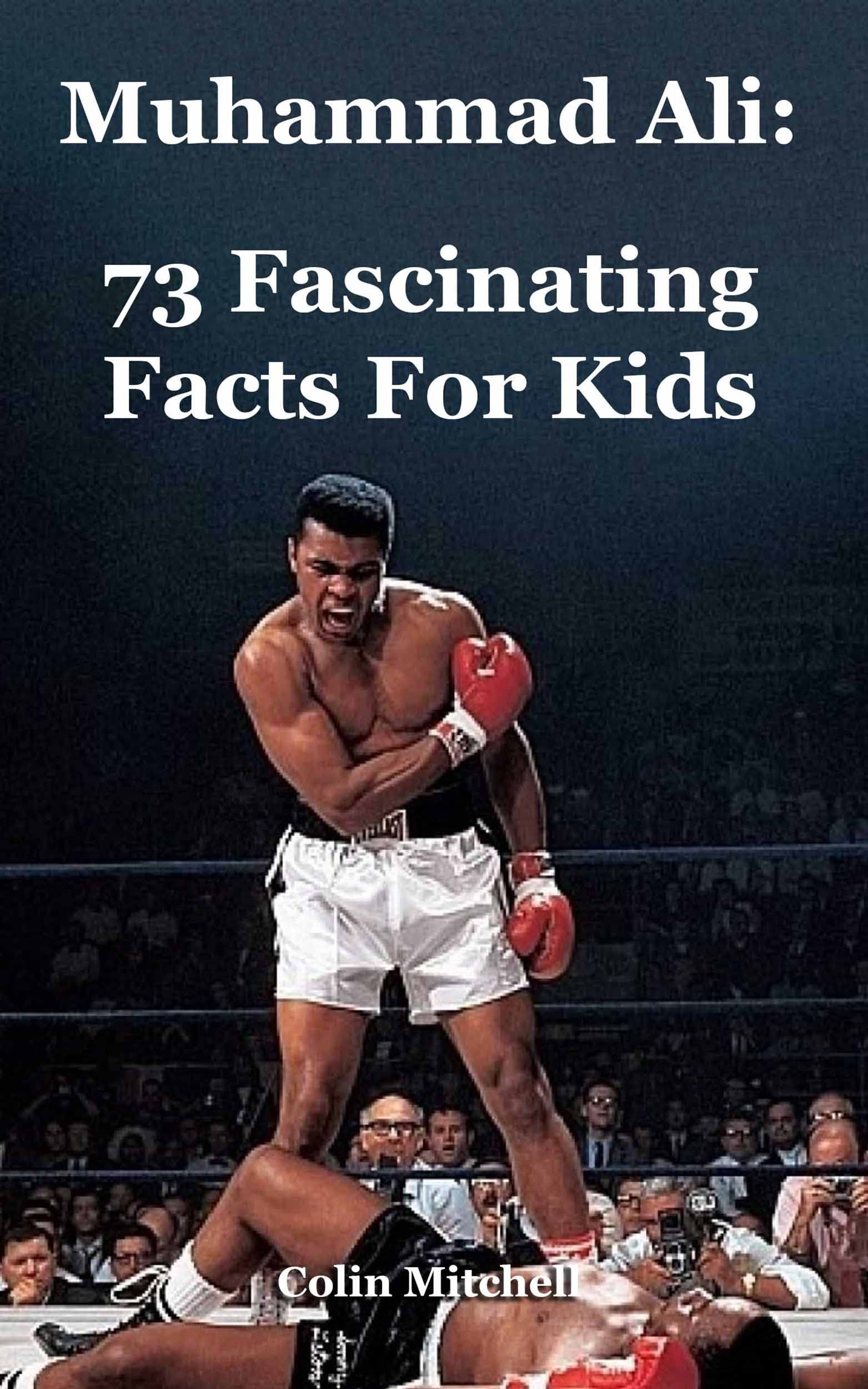
In 2015, Muhammad Ali—the legendary three-time world heavyweight boxing champion, cultural icon, and humanitarian—continued to generate global headlines through rare public appearances, philanthropic milestones, and the ongoing preservation of his monumental legacy, highlighted by the establishment of the Muhammad Ali Center's educational initiatives and a profound re-examination of his civil rights impact.
Introduction: The Lasting Resonance of the Champ in 2015
To understand the cultural and historical weight of Muhammad Ali’s life, one must look beyond his legendary victories inside the squared circle—such as the Rumble in the Jungle and the Thrilla in Manila—and examine his enduring presence during his later years. By 2015, Ali was managing the daily realities of Parkinson's syndrome, a neurological condition he had lived with since the 1980s. Yet, despite physical limitations, his influence remained intensely vibrant across sports, global diplomacy, and social justice advocacy.
Analyzing this period requires separating confirmed historical milestones from popular mythologies that frequently circulate online. While internet trivia often attributes sudden, unbelievable events to various years, the reality of Ali’s life in 2015 was anchored in steady, meaningful engagement with his legacy, hometown revitalization efforts in Louisville, Kentucky, and significant public acknowledgments of his lifelong fight for equality. This exploration details what actually defined Ali's world in 2015, providing a comprehensive look at the surprising truths, public appearances, and institutional milestones that marked that specific year in the Champ's storied life.
Historical Context: Muhammad Ali’s Life and Status in 2015
By the mid-2010s, Muhammad Ali had long transitioned from an active athlete into a global symbol of peace and resilience. Born Cassius Marcellus Clay Jr. in Louisville, Kentucky, in 1942, his journey took him from a local amateur boxing prodigy to an Olympic gold medalist, a global heavyweight champion, and a conscientious objector who sacrificed the prime years of his boxing career to stand up for his religious and political convictions.
In 2015, Ali was 73 years old. He lived primarily in Arizona and Michigan, cared for by his wife, Lonnie Ali, and surrounded by a vast extended family. While his public appearances had become increasingly rare due to the advancement of his Parkinson's syndrome, every sighting or major institutional announcement carried immense emotional and cultural weight for millions of admirers worldwide. The year 2015 was not marked by a single, miraculous athletic comeback or a sudden cinematic plot twist, but rather by quiet, powerful reminders of his enduring stature as "The Greatest."
Key Milestones and Activities Associated with Ali in 2015
To contextualize what made headlines regarding Muhammad Ali in 2015, it is helpful to examine the primary areas of activity surrounding his name, his foundation, and his museum:
- The Muhammad Ali Center: Located in his hometown of Louisville, Kentucky, the center served as the primary hub for educational programming, youth development, and human rights exhibitions throughout 2015.
- The Celebrity Fight Night Foundation: This annual philanthropic event, which raises vital funds for Parkinson’s research through the Muhammad Ali Parkinson Center at Barrow Neurological Institute, continued to draw global celebrities and substantial donations in Ali's honor.
- Archival and Cultural Preservation: Historians, biographers, and documentary filmmakers increasingly focused on re-evaluating Ali’s exile years (1967–1970), bringing renewed academic and public attention to the personal sacrifices he made during the Vietnam War era.
Unpacking the "Surprising Fact": Separating Myth from Reality
Internet culture often thrives on sensationalized trivia, leading to viral claims about famous figures that lack historical backing. When examining assertions about Muhammad Ali in 2015, researchers and biographers must differentiate between verified news reports, institutional press releases, and internet fabrication.
One of the most persistent misconceptions involves the idea that Ali made a sudden, unannounced return to competitive sports or engaged in unexpected commercial ventures in 2015. In reality, Ali's life in 2015 was characterized by quiet dignity, health management, and active oversight of his philanthropic legacy. The genuinely surprising aspect of Ali's life in 2015 was not a radical change in his lifestyle, but the remarkable, undiminished global reach of his moral authority at a time when racial justice, civil disobedience, and athletic activism were once again surging to the forefront of American culture.
Comparative Overview of Ali's Public Profile: Myth vs. 2015 Reality
| Category | Viral Internet Rumors | Historical Reality (2015) |
|---|---|---|
| Physical Status | Claims of sudden physical recovery or secret training regimens. | Living privately with advanced Parkinson’s syndrome, making selective public appearances. |
| Public Appearances | Rumors of surprise international travel and commercial bouts. | Focused primarily on family life in Arizona and Michigan, supported by his wife Lonnie. |
| Philanthropic Focus | Speculation regarding sudden corporate takeovers or new ventures. | Continued support for the Muhammad Ali Center and Parkinson’s disease research initiatives. |
| Cultural Relevance | Often framed as a forgotten historical relic of the 20th century. | Recognized globally as a foundational pioneer for modern athlete activism and social justice. |
The Muhammad Ali Center in 2015: Preserving a Legacy
A vital anchor for understanding Muhammad Ali’s ongoing impact in 2015 is the Muhammad Ali Center. Opened in 2005, the award-winning museum and cultural center in Louisville celebrated its tenth anniversary in 2015. Throughout that year, the facility hosted numerous exhibitions, educational workshops, and community outreach programs designed to instill Ali’s core principles—Confidence, Conviction, Dedication, Giving, Respect, and Spirituality—in younger generations.
The center operated not merely as a shrine to boxing triumphs, but as a dynamic international educational institution. In 2015, curators emphasized exhibits highlighting Ali's humanitarian missions, his opposition to war, and his tireless work with organizations like UNICEF and the Special Olympics. This institutional focus ensured that Ali's identity as a peacemaker and global citizen remained central to how visitors understood his life, overshadowing even his immense athletic achievements.
Core Principles Promoted by the Ali Center
- Confidence: Believing in oneself, one's abilities, and one's future potential.
- Conviction: Having the firmness of character to stand up for beliefs, regardless of personal cost.
- Dedication: Demonstrating the sustained effort and discipline required to achieve long-term goals.
- Giving: Sharing time, resources, and compassion with those in need.
- Respect: Treating all human beings with dignity, fairness, and empathy.
- Spirituality: Recognizing a higher power and maintaining a deep sense of moral purpose.
Health, Advocacy, and Parkinson's Awareness in 2015
Managing Parkinson's syndrome for over three decades required immense resilience from Muhammad Ali and unwavering support from his family and medical team. By 2015, Ali's public visibility had decreased significantly, but his name remained a powerful catalyst for neurological research and patient advocacy.
The Muhammad Ali Parkinson Center at St. Joseph’s Hospital and Medical Center (part of the Barrow Neurological Institute in Phoenix, Arizona) remained a leading destination for comprehensive care, patient education, and clinical research. In 2015, funding generated through events like Celebrity Fight Night continued to provide vital resources for families affected by movement disorders. Ali's courage in living openly with Parkinson's for decades helped destigmatize the condition, offering hope and practical guidance to millions of patients worldwide.
Medical Management and Support Systems
- Multidisciplinary Care: Emphasizing physical therapy, speech therapy, and specialized neurological care to manage symptom progression.
- Family-Led Advocacy: Lonnie Ali served as his primary spokesperson, public advocate, and caregiver, guiding public understanding of the disease.
- Research Funding: Directing philanthropic contributions toward cutting-edge clinical trials and patient support programs.
Frequently Asked Questions
What was Muhammad Ali’s health status in 2015?
By 2015, Muhammad Ali was managing advanced Parkinson’s syndrome, a neurological condition he had lived with since 1984. While his public appearances were limited due to his health, he remained mentally engaged, surrounded by his family in Arizona and Michigan, and deeply committed to his philanthropic foundations.
Did Muhammad Ali make any public appearances in 2015?
Ali’s public appearances in 2015 were extremely rare. He occasionally appeared at select events, such as the Celebrity Fight Night charity fundraiser in Arizona, where his presence continued to inspire massive support for Parkinson’s disease research and humanitarian causes.
What was the role of the Muhammad Ali Center in 2015?
In 2015, the Muhammad Ali Center in Louisville, Kentucky, celebrated its tenth anniversary. The center served as an international cultural and educational institution, hosting exhibitions on human rights, youth development programs, and events promoting Ali’s six core life principles.
How did Muhammad Ali contribute to Parkinson's research late in life?
Through his association with the Muhammad Ali Parkinson Center at Barrow Neurological Institute and the annual Celebrity Fight Night foundation, Ali helped raise tens of millions of dollars for neurological research, patient care, and education programs supporting individuals living with movement disorders.
Are viral internet claims about Muhammad Ali in 2015 reliable?
Many viral claims circulating online regarding sudden, miraculous events or unexpected career changes involving Ali in 2015 are internet myths. Verified historical accounts confirm that his life during this period was focused on family, health management, and preserving his institutional legacy.
Practical Next Actions and Recommendations
For researchers, educators, and fans seeking to understand Muhammad Ali’s enduring legacy with historical accuracy, relying on verified documentation and official institutional archives is essential.
- Visit Official Archives: Explore the educational resources and digital exhibits provided by the Muhammad Ali Center to examine primary documents, photographs, and historical timelines.
- Support Neurological Research: Learn more about patient care and clinical advancements through the Muhammad Ali Parkinson Center at Barrow Neurological Institute.
- Read Authoritative Biographies: Consult thoroughly researched historical biographies—such as Jonathan Eig's Ali: A Life—to gain a comprehensive, nuanced understanding of his complex journey, civil rights battles, and global cultural impact.