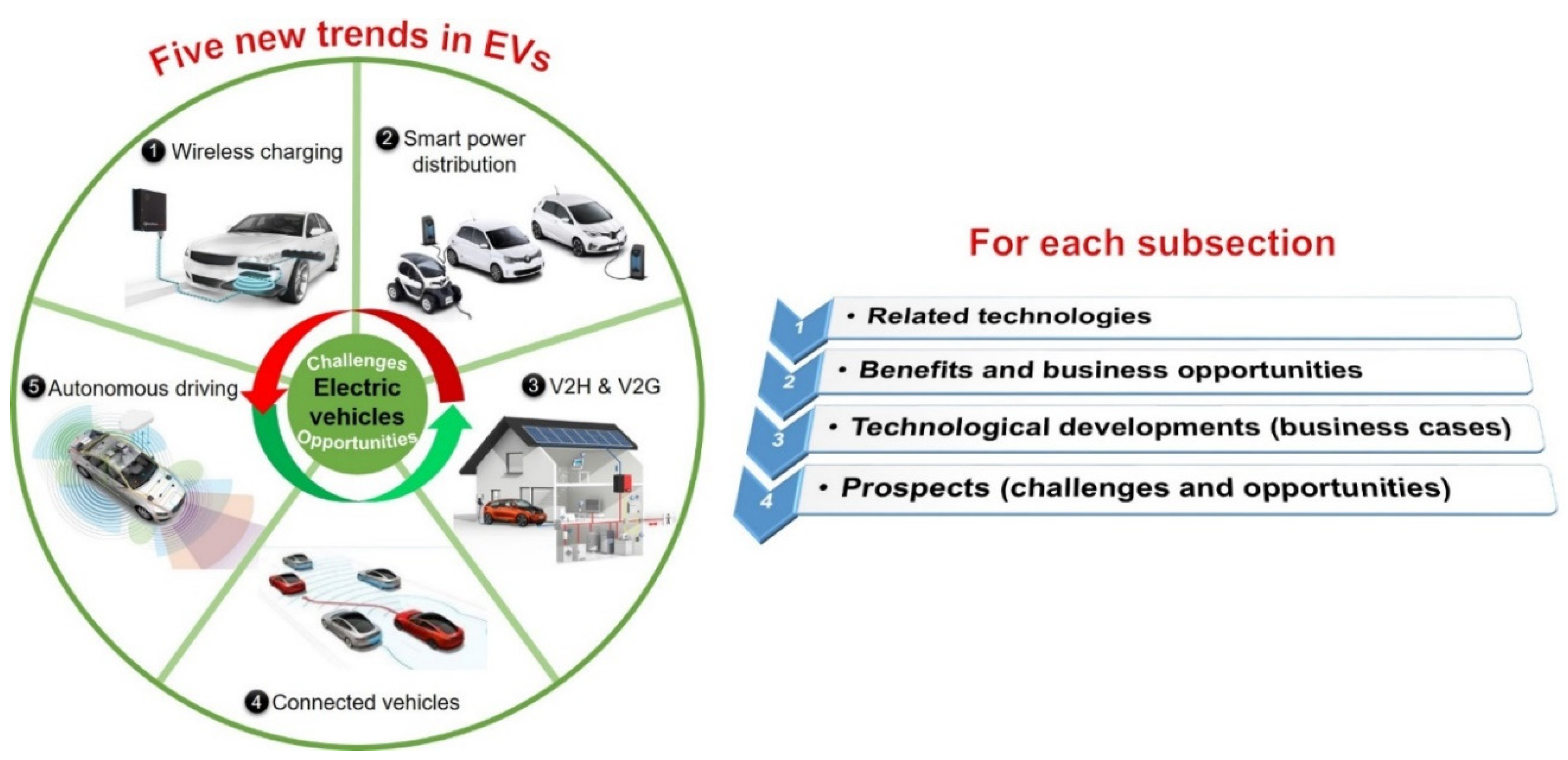
The concept of a "Recipe of Me" in emerging automotive technology refers to the digital personalization profile—a structured data set of driver preferences, biometric markers, and behavioral patterns used to configure vehicle environments automatically. By synthesizing these user-specific parameters, automotive systems transition from reactive interfaces to predictive, intelligent environments that align cabin settings, safety parameters, and software configurations with the specific needs of the current operator.
The Foundation of Personalized Automotive Computing
In the rapidly evolving landscape of 2026, the vehicle has transformed from a mechanical tool into a highly connected mobile platform. Central to this transformation is the "Recipe of Me," an architectural approach to user profile management that goes beyond simple seat memory settings. This framework functions by aggregating data across multiple domains—including physiological states, infotainment habits, and driving dynamics—to create a unified, portable digital identity that the vehicle can interpret and enact.
When an occupant interacts with an emerging automotive platform, the "Recipe" is pulled from localized edge storage or cloud-based secure enclaves. This data determines everything from the damping characteristics of the suspension to the specific curation of audio content and the level of intervention provided by Advanced Driver Assistance Systems (ADAS). The objective is to eliminate the cognitive load associated with manual setup, allowing the vehicle to "know" its user before the engine is even started.
Components of a Comprehensive Personalization Recipe
To understand how these systems function, one must break down the data layers that constitute a "Recipe of Me." These are not merely static preferences; they are dynamic, evolving data points that the car learns over time.
- Biometric Authentication and Physiological State: Modern vehicles equipped with interior sensing cameras and heart-rate monitoring sensors capture the driver’s physical state. If the "Recipe" identifies signs of fatigue, the vehicle may proactively adjust the cabin lighting, activate haptic seat alerts, or shift the infotainment system to a "low-distraction" mode.
- Environment and Ergonomic Preferences: This includes the traditional seat position, mirror angles, and steering wheel tilt, but extends to climate control strategies, such as preferred temperature gradients and air distribution patterns optimized for individual metabolism.
- Driving Behavior Profiles: By analyzing throttle response patterns, braking sensitivity, and lane-keeping behavior, the vehicle builds a model of the driver’s preferred dynamics. A "sporty" driver profile might stiffen the chassis response and sharpen steering inputs, while a "relaxed" profile prioritizes comfort-oriented suspension tuning and predictive coasting.
- Content and Connectivity Ecosystem: This involves the integration of external digital lives—calendars, navigation history, and preferred media platforms. The car acts as an extension of the user’s personal digital workspace, automatically syncing upcoming meeting locations to the navigation unit and loading preferred streaming playlists.
Comparative Analysis: Static Profiles vs. Dynamic Recipes
The automotive industry is moving away from the static, "User 1 / User 2" memory settings that characterized vehicles of the early 2020s. The following table illustrates the shift toward dynamic, intent-aware systems.
| Feature Category | Traditional Memory Profiles | Dynamic "Recipe of Me" Systems |
|---|---|---|
| Configuration Scope | Limited to seat and mirror positions | Total vehicle behavior and UI adaptation |
| Learning Capability | None (manual input only) | Machine learning-based refinement |
| Data Synchronization | Vehicle-specific storage | Cloud-enabled portability across fleets |
| Environmental Context | Ignored | Adjusted based on weather and route |
| Predictive Ability | Reactive (after selection) | Proactive (upon driver approach) |
Implementation Challenges in Modern Automotive Architecture
While the promise of a personalized vehicle is significant, the deployment of "Recipe of Me" architectures faces substantial technical and ethical hurdles. Privacy remains the most critical concern. When a vehicle constructs a detailed "Recipe" of its owner, it creates a high-value target for data breaches. Manufacturers are currently transitioning to decentralized identity models, where the "Recipe" is encrypted on a hardware security module (HSM) within the vehicle or on a user-owned mobile device, ensuring that sensitive biometric data is never transmitted in raw form to external servers.
Furthermore, interoperability remains a bottleneck. Currently, a "Recipe" created for one manufacturer’s software stack is rarely portable to a vehicle from a different brand. Industry standards bodies are working to define schemas for personal data exchange, but as of 2026, the ecosystem remains largely fragmented. Users often find that their personalization journey is locked within the "walled garden" of a specific automotive OEM’s ecosystem.
Operational Requirements and Verification
For users seeking to verify or manage their personal recipes, the process generally involves three distinct steps within the vehicle's infotainment hub:
- Initial Calibration: Upon taking delivery of a new vehicle, the system will undergo a "calibration phase" where it records inputs across different scenarios (night driving, highway commutes, urban traffic). During this phase, the user must explicitly approve the types of data the system is permitted to collect.
- Active Modulation: The system provides an interface—usually an app or a settings menu—where users can toggle specific features of their "Recipe." For instance, a user might disable automatic seat adjustments while keeping climate and media preferences active.
- Verification of Sync: Users should verify that their profile is successfully cloud-synchronized. This ensures that in the event of a vehicle service or a switch to a rental vehicle of the same make, the profile can be migrated instantly.
Troubleshooting Common Configuration Errors
When the "Recipe" fails to deploy or operates incorrectly, it is usually due to a conflict between current sensor readings and stored data.
- Ghost Profiles: If the vehicle confuses drivers (often when two keys are in close proximity), ensure that the "Recipe" is mapped specifically to a unique digital key or biometrically assigned to a specific seat position.
- Stale Data: If the vehicle is not reflecting recent changes in preference, check for firmware update status. Automotive software often requires periodic connectivity to sync user data patches across the vehicle's internal control units (ECUs).
- Sensor Obstruction: If the vehicle fails to recognize the user, verify that interior cameras are clean and not blocked by aftermarket accessories, such as cabin cameras being obstructed by dash-mounted phone holders.
Ethical Considerations and Future Outlook
The trajectory of this technology points toward the concept of the "Autonomous Personal Assistant." As vehicles become more capable of Level 3 and Level 4 automation, the "Recipe of Me" will eventually include instructions on how the vehicle should behave in autonomous mode—such as whether the passenger prefers a fast, efficient route or a scenic, slower path, or how the interior lighting should change to facilitate reading or resting.
However, users should remain vigilant about data permanence. It is essential to understand the "delete" protocol. As of 2026, reputable manufacturers are required to offer a "factory reset" or "profile wipe" function that removes all personal data from the vehicle’s persistent storage. Before selling or returning a leased vehicle, performing this audit is a necessary step to ensure that the personal recipe does not follow the user into someone else's hands.
Frequently Asked Questions
What happens if I lose my mobile device linked to my vehicle's profile? Most modern systems allow for secondary authentication. If your primary device is lost, you can use a secondary registered key or a pre-set PIN at the vehicle interface to access and recover your profile from the cloud.
Can I opt out of the "Recipe" data collection? Yes. All major automotive manufacturers provide a privacy dashboard that allows you to disable specific data tracking modules. Be aware that opting out may limit the vehicle’s ability to perform proactive personalization.
Does my "Recipe" store credit card or financial information? Generally, financial information is stored in a separate, encrypted payment gateway module within the infotainment system. The "Recipe" typically contains operational preferences rather than sensitive financial tokens.
Will my "Recipe" work in a different car model? Currently, no. Because each manufacturer uses proprietary software architectures for vehicle control, profiles are not yet cross-compatible between different automotive brands.
How often should I update my profile settings? It is recommended to review your profile settings every six months or whenever you undergo a major change in driving environment, such as moving to a new city with different traffic patterns or climate conditions.
Next Steps for Implementation
To maximize the benefits of this technology, start by performing a deep audit of your current vehicle's personalization settings. Locate the "Driver Profile" section within your infotainment menu and identify which sensors are active. If you frequently share your vehicle, ensure that the system is set to prompt for identification upon entry rather than defaulting to the last used profile, which can lead to skewed behavioral data. Finally, keep your companion mobile app updated to ensure seamless synchronization between your digital life and your vehicle’s cabin environment.