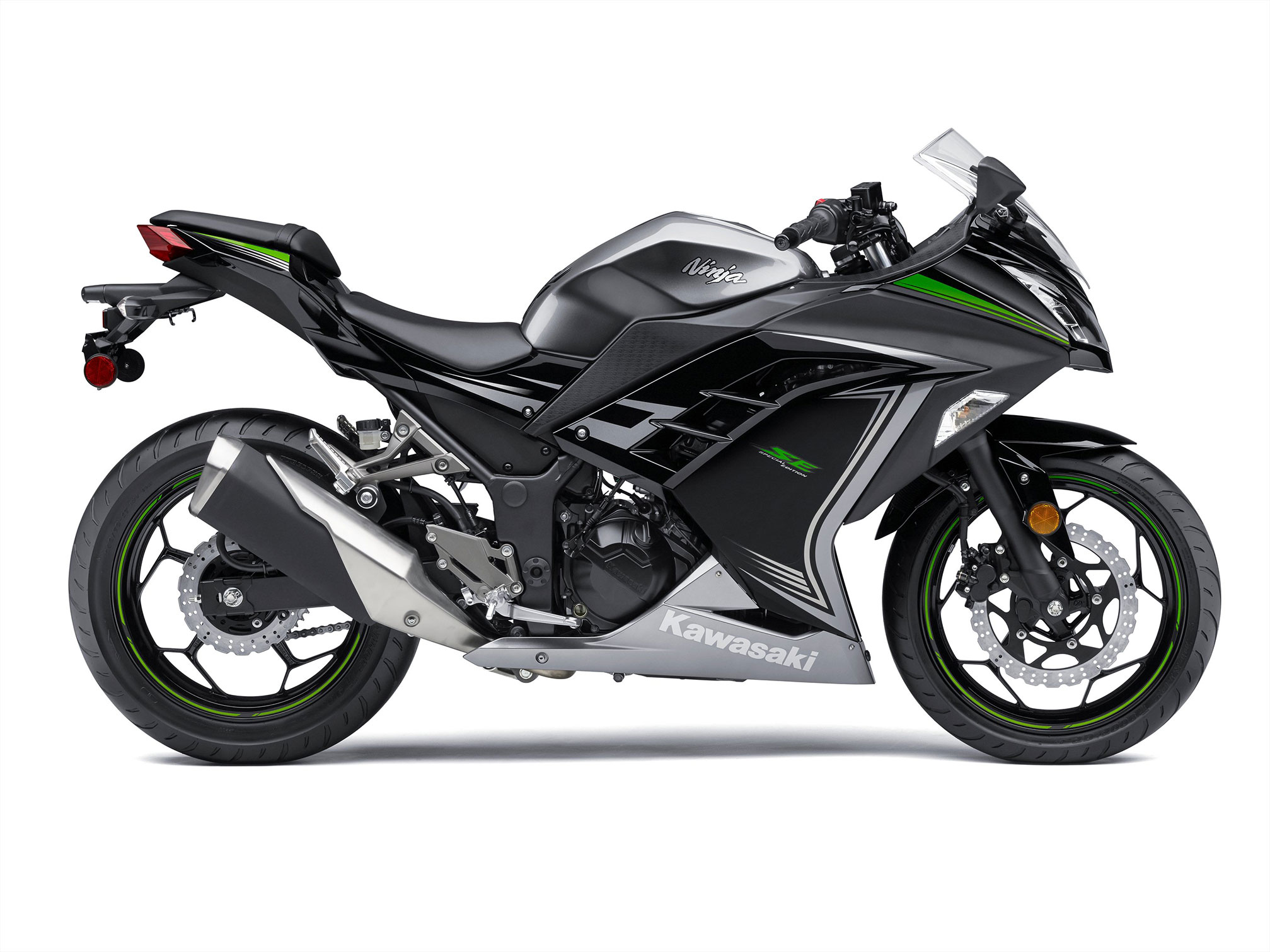
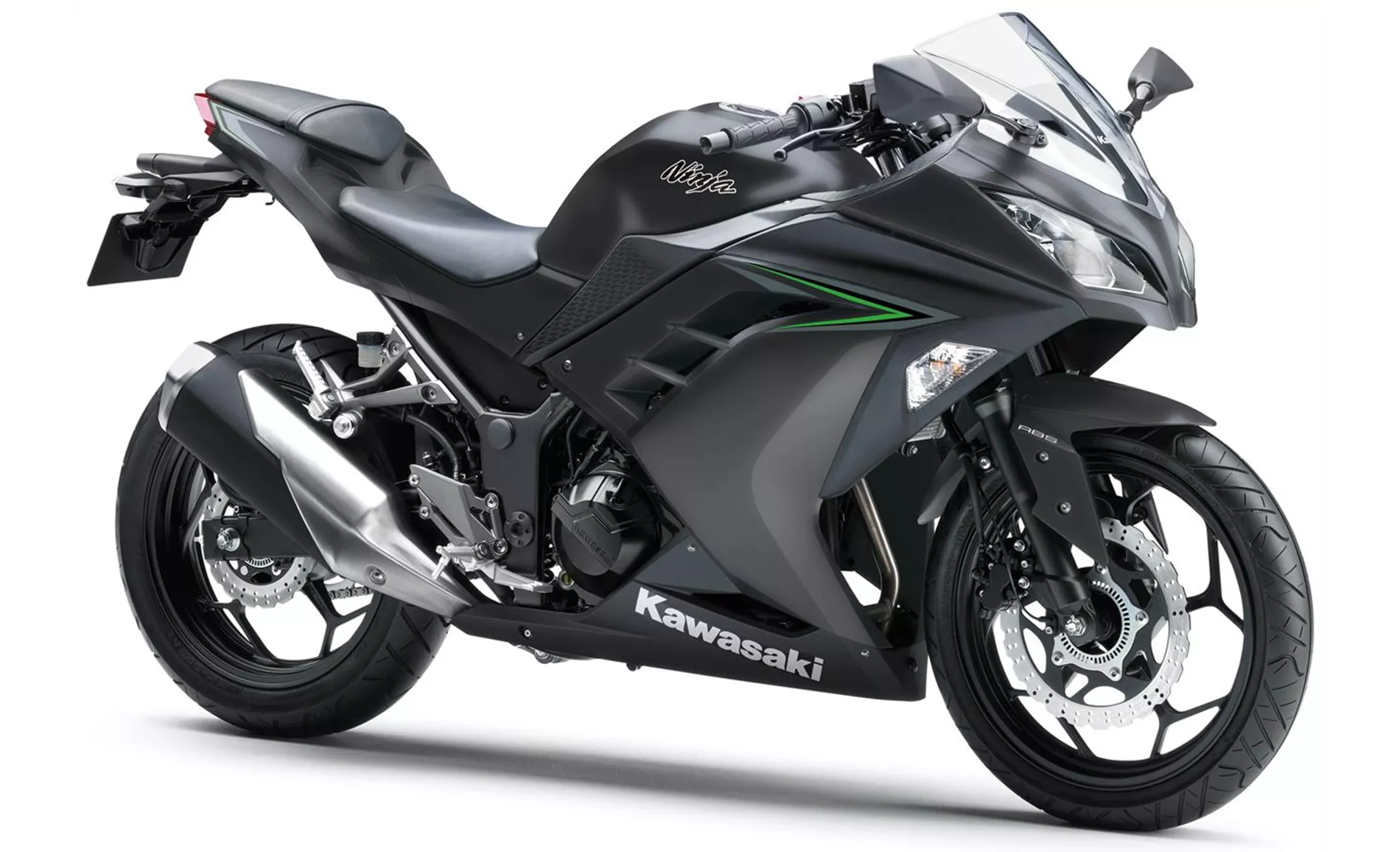
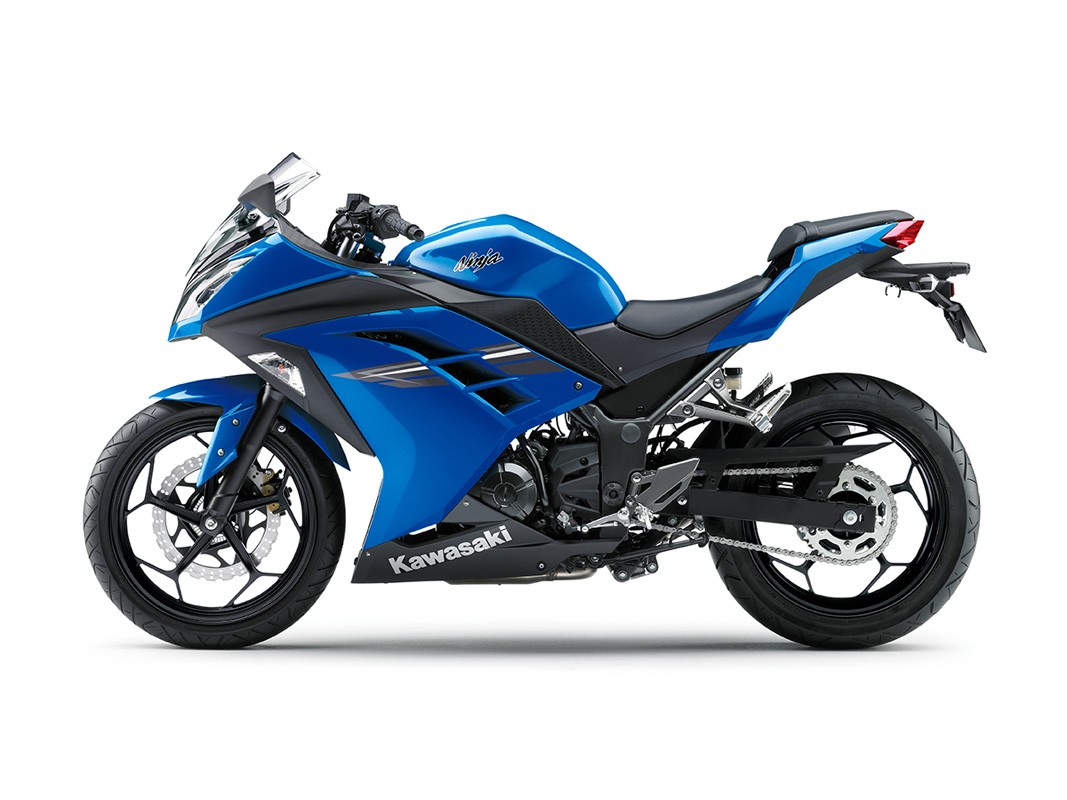
The standard tire size for the Kawasaki Ninja 300 (EX300) is 110/70-17 for the front and 140/70-17 for the rear. These dimensions are designed to balance the bike's lightweight agility with the stability required for highway speeds, ensuring the 296cc engine’s power is delivered effectively to the pavement while maintaining "flickable" handling.
Selecting the right tires for your Ninja 300 involves more than just matching numbers; it requires understanding how width, aspect ratio, and carcass construction influence your riding experience. As we move through 2026, the Ninja 300 remains a favorite for commuters and track-day beginners alike. This guide provides a technical deep dive into everything you need to know about Ninja 300 tire specifications, upgrade options, and maintenance.
Understanding the OEM Specifications
Kawasaki engineers selected the 110/70-17 and 140/70-17 combination to complement the Ninja 300's chassis geometry. The bike features a 17-inch wheel diameter both front and rear, which is the industry standard for sportbikes, allowing riders access to a wide variety of rubber compounds ranging from budget-friendly commuting tires to high-grip track tires.
The Front Tire: 110/70-17
The front tire is the primary point of contact for steering input. A 110mm width is relatively narrow compared to 600cc supersports, which typically use a 120mm front. This narrower profile reduces the effort required to initiate a turn, making the Ninja 300 feel light and responsive. The "70" aspect ratio provides a sufficient sidewall height to absorb minor road imperfections, protecting the rim and providing a predictable "feel" during cornering.
The Rear Tire: 140/70-17
The rear tire must manage the bike's 39 horsepower (at the crank) and provide a stable footprint during acceleration. The 140mm width is optimized for the Ninja 300's 4.00-inch rear rim. While many riders are tempted to install wider tires for aesthetic reasons, the 140mm width is the "sweet spot" for maintaining the bike's intended lean-angle geometry.
Decoding the Tire Markings
To choose the best tire for your Ninja 300, you must be able to read the sidewall markings. Each number and letter provides critical data regarding the tire’s capabilities and limitations.
- Width (e.g., 140): The first number is the nominal width of the tire in millimeters, measured from sidewall to sidewall.
- Aspect Ratio (e.g., 70): This is the height of the tire’s cross-section expressed as a percentage of the width. For a 140/70 tire, the height is 70% of 140mm (98mm).
- Construction (e.g., R or -): An "R" indicates radial construction, while a dash "-" usually indicates bias-ply. The Ninja 300 often comes stock with bias-ply tires (like the IRC Road Winner), but many owners upgrade to radials for better heat dissipation and grip.
- Wheel Diameter (e.g., 17): The diameter of the wheel rim in inches.
- Load Index and Speed Rating (e.g., 66H): The number (66) represents the maximum weight the tire can carry, and the letter (H) represents the maximum speed (H is rated for up to 130 mph or 210 km/h).
The Radial vs. Bias-Ply Debate for the Ninja 300
One of the most common questions for Ninja 300 owners is whether to stick with bias-ply tires or move to radial tires.
Bias-ply tires are constructed with internal "plies" that run diagonally from bead to bead. They generally have stiffer sidewalls, which can be beneficial for carrying heavy loads or resisting punctures. They are often more affordable and have a longer lifespan, making them ideal for strict commuters.
Radial tires have plies that run at 90 degrees to the direction of travel. This allows the sidewall to flex independently of the tread, resulting in a larger contact patch and better heat management. For a Ninja 300 rider looking to improve cornering confidence or participate in track days, radials are a significant performance upgrade. However, radials are typically more expensive and may wear out faster than bias-ply equivalents.
Popular Tire Size Upgrades: Should You Go Wider?
A frequent modification in the Ninja 300 community is the installation of a 150/60-17 rear tire. While this is a common practice, it is essential to understand the technical trade-offs involved.
Pros of a 150/60-17 Rear Tire
- Visual Appeal: A wider tire gives the motorcycle a more "big bike" look, filling out the rear fender more effectively.
- Increased Contact Patch at Lean: The 150-series tire can provide more rubber on the road when the bike is leaned over, potentially increasing grip in corners.
- Availability: Many premium sport tires are more readily available in the 150/60 size than the 140/70 size.
Cons of a 150/60-17 Rear Tire
- Pinched Profile: The Ninja 300’s rear rim is 4.00 inches wide. A 150mm tire is ideally suited for a 4.25 or 4.50-inch rim. Forcing it onto a 4.00-inch rim "pinches" the tire, making the profile taller and more pointed.
- Slower Handling: The increased rotating mass and the altered profile can make the bike feel "sluggish" or heavier when transitioning from left to right.
- Speedometer Inaccuracy: Since the 150/60 tire has a shorter sidewall (90mm) compared to the stock 140/70 (98mm), the overall diameter of the wheel changes, which may slightly affect speedometer readings and effective gearing.
| Specification | Stock Front | Stock Rear | Optional Rear Upgrade |
|---|---|---|---|
| Size | 110/70-17 | 140/70-17 | 150/60-17 |
| Width | 110 mm | 140 mm | 150 mm |
| Sidewall Height | 77 mm | 98 mm | 90 mm |
| Recommended Rim | 2.75" | 4.00" | 4.00" - 4.50" |
| Primary Benefit | Agility | Balanced Performance | Aesthetic/Grip |
Recommended Tire Models for 2026
As of 2026, tire technology has advanced to provide better wet-weather performance and longevity without sacrificing dry grip. Depending on your riding style, here are the top recommendations for the Ninja 300:
1. The All-Rounder: Michelin Road 6
The Michelin Road series has long been the benchmark for sport-touring. The Road 6 offers exceptional longevity and class-leading wet grip. For the Ninja 300 rider who uses their bike for daily commuting regardless of the weather, this is the premier choice.
2. The Performance Choice: Pirelli Diablo Rosso IV
If you live for the twisties or occasional track use, the Diablo Rosso IV provides high-performance radial technology tailored for small and mid-sized motorcycles. It offers rapid warm-up times and excellent feedback at high lean angles.
3. The Budget-Friendly Radial: Dunlop GPR-300
The GPR-300 remains a staple for the Ninja 300 because it offers the benefits of radial construction at a price point that rivals bias-ply tires. It provides a significant step up in grip from the stock IRC tires without breaking the bank.
4. The Longevity Champion: Bridgestone Battlax BT-46
For those who prioritize mileage above all else, the BT-46 is a bias-ply tire that utilizes modern silica compounds to provide reliable grip in both wet and dry conditions while offering impressive tread life.
Tire Pressure and Maintenance
Correct tire pressure is the most critical factor in ensuring tire longevity and rider safety. For the Kawasaki Ninja 300, the factory-recommended pressures are typically:
- Front: 28 psi (193 kPa)
- Rear: 32 psi (225 kPa)
These figures are for a "cold" tire (one that hasn't been ridden for at least three hours). If you are carrying a passenger or heavy luggage, you may need to increase the rear pressure to 36 psi to prevent excessive tire deformation and heat buildup.
Inspecting for Wear
You should inspect your tires weekly for the following:
- Tread Depth: Use the Tread Wear Indicators (TWI)—the small bumps located inside the tire grooves. When the tread surface is flush with these bumps, the tire is legally worn out and must be replaced.
- Squaring Off: Commuting mostly on straight highways causes the center of the tire to wear flat while the sides remain tall. This "squaring off" makes the bike feel unstable when leaning into a turn.
- Dry Rot/Cracking: Even if the tread is deep, tires older than five years should be inspected for sidewall cracking. The rubber compounds harden over time (oxidize), losing their ability to grip the road.
Installation and Safety Precautions
When having new tires installed on your Ninja 300, there are several safety factors to keep in mind:
- Directional Rotation: Almost all modern motorcycle tires are directional. Look for an arrow on the sidewall indicating the direction of rotation. Installing a tire backward can lead to poor water evacuation and potential structural failure at high speeds.
- Wheel Balancing: Never skip wheel balancing. A wheel that is out of balance by even a few grams can cause significant vibrations at highway speeds, leading to rider fatigue and uneven tire wear.
- The "Scrub-In" Period: New tires are often coated in a mold-release agent from the factory, which can be slippery. Additionally, the tire needs to go through several heat cycles to reach its optimal grip level. It is recommended to ride conservatively for the first 100 miles (160 km), avoiding extreme lean angles or heavy braking.
- Valve Stems: When replacing tires, it is best practice to replace the rubber valve stems as well, as they can become brittle and leak over time.
Solving Common Issues
Vibration in the Handlebars: If you feel a "head shake" or vibration in the bars after a tire change, it is likely due to an improper balance or a tire that wasn't seated correctly on the bead. Re-check the balance and ensure the bead line is uniform around the entire rim.
Bike Feels "Tippy": If you have just switched from a worn, squared-off tire to a new, round tire, the bike will feel significantly more eager to turn. This is normal, though it can be startling for the first few miles.
Uneven Front Wear (Cupping): If the front tire develops a scalloped or "cupped" wear pattern, it is often a sign of incorrect tire pressure or tired front fork oil/springs. The Ninja 300's soft front suspension can contribute to this if the rider uses the front brake aggressively.
Frequently Asked Questions
Can I put a 120/70-17 on the front of a Ninja 300?
While a 120/70-17 is a common front tire size for larger bikes, it is wider and taller than the stock 110/70. On the Ninja 300's 2.75-inch front rim, a 120mm tire will be "pinched," potentially making the steering feel heavy and unresponsive. Stick to the 110/70 for the best handling balance.
How many miles do Ninja 300 tires last?
Lifespan varies significantly based on tire compound and riding style. A sport-oriented radial like the Pirelli Diablo Rosso IV might last 5,000 to 7,000 miles, while a touring-oriented bias-ply like the Bridgestone BT-46 can last 10,000 to 12,000 miles.
Is it okay to mix different brands of front and rear tires?
While it is physically possible, it is generally not recommended. Tires are designed in pairs to work together regarding water displacement, grip levels, and carcass stiffness. Mixing brands can result in unpredictable handling, especially in wet conditions.
Can I use tubeless tires on the Ninja 300?
Yes. The Ninja 300 comes from the factory with alloy wheels designed for tubeless tires. Ensure that the tire you purchase is marked "Tubeless" (TL).
What tools do I need to change the tires myself?
Changing motorcycle tires at home requires a rear stand, a front stand (or a way to lift the front), 27mm and 19mm sockets for the axles, tire irons, rim protectors, a bead breaker, and a way to balance the wheels (like a static balancer). For many riders, the cost of these tools makes taking the wheels to a professional shop a more attractive option.
Final Recommendation
For the majority of Kawasaki Ninja 300 riders in 2026, the best performance-to-value ratio is found by sticking to the OEM sizes (110/70-17 front and 140/70-17 rear) but upgrading the tire quality. Moving from the stock bias-ply tires to a modern radial tire, such as the Michelin Road 6 for commuters or the Pirelli Diablo Rosso IV for canyon carvers, will transform the bike’s handling and confidence more than any wider tire ever could. Always prioritize tire pressure maintenance, as even the most expensive tire will perform poorly if it is under-inflated.