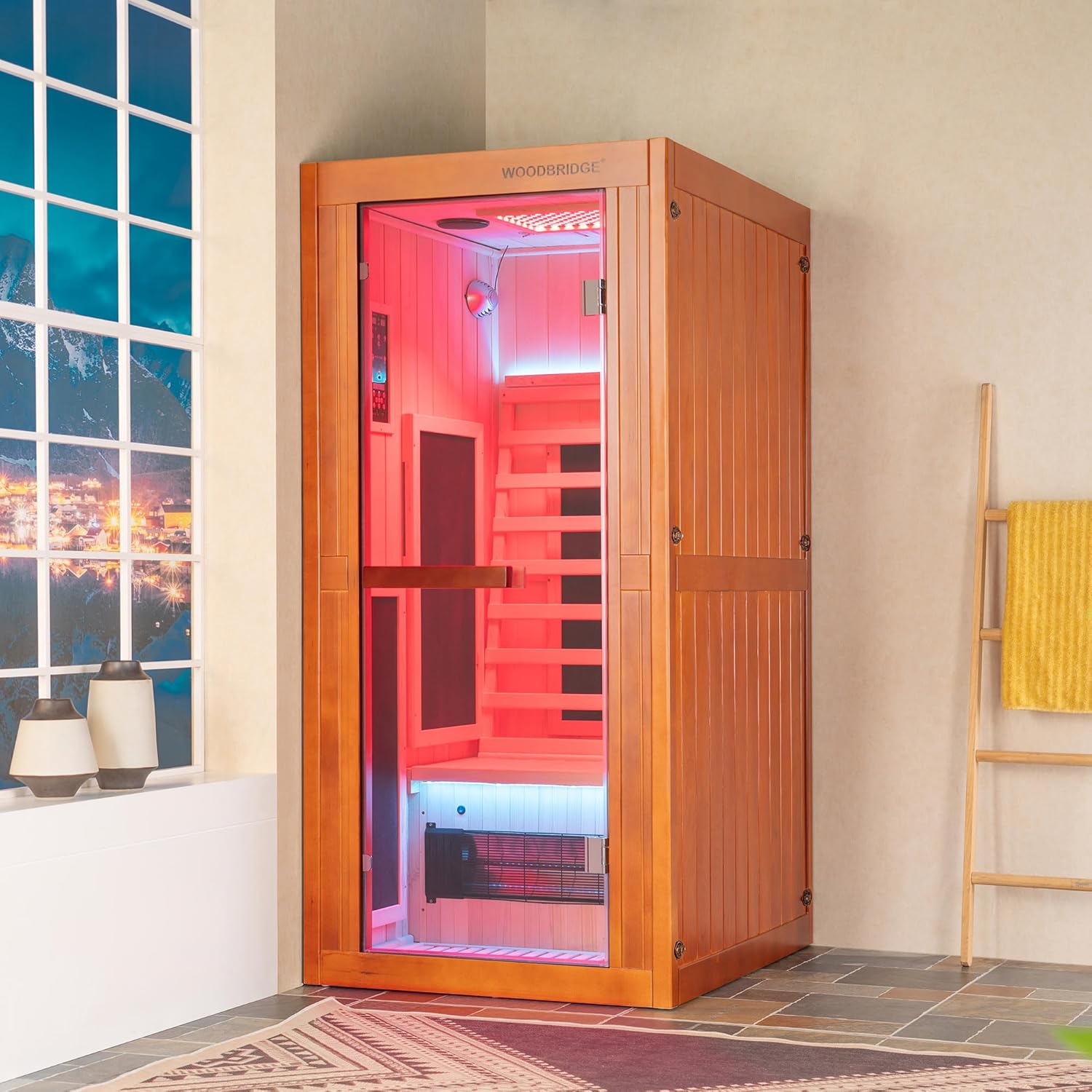
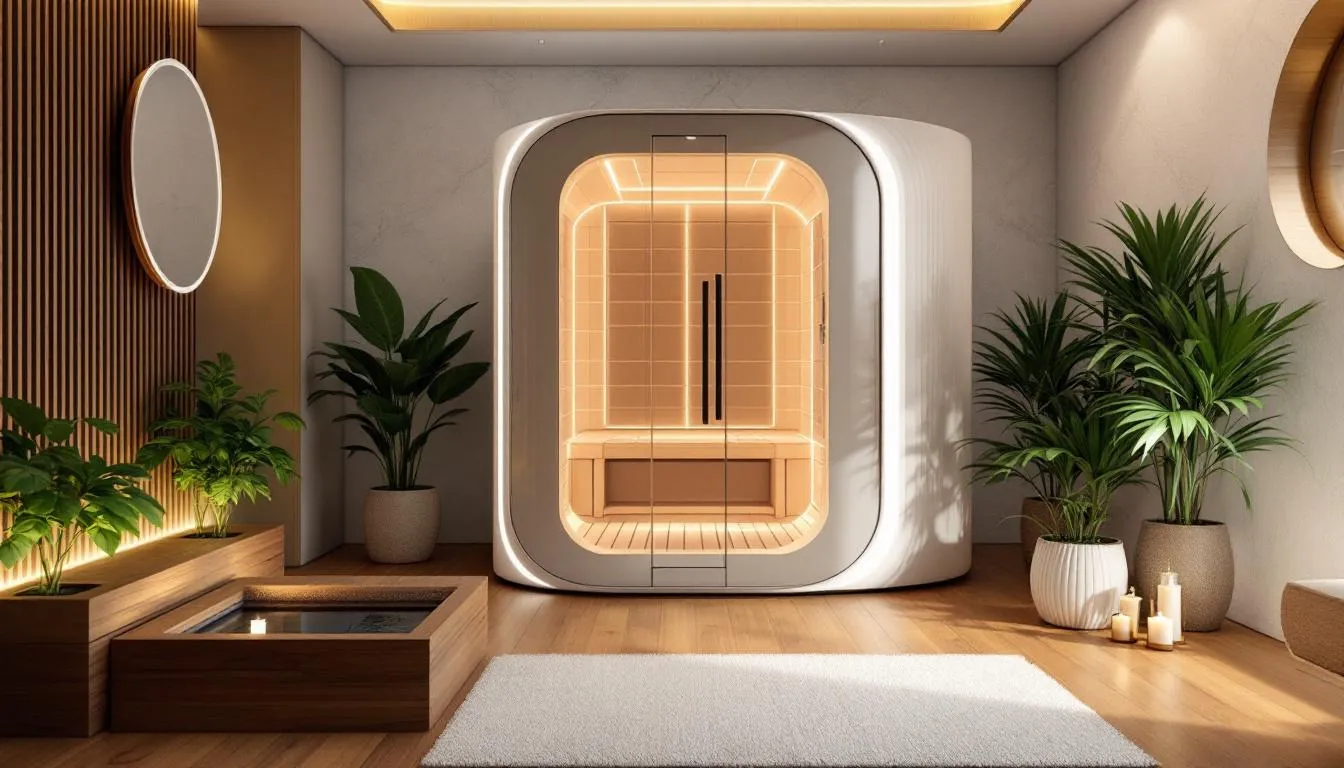
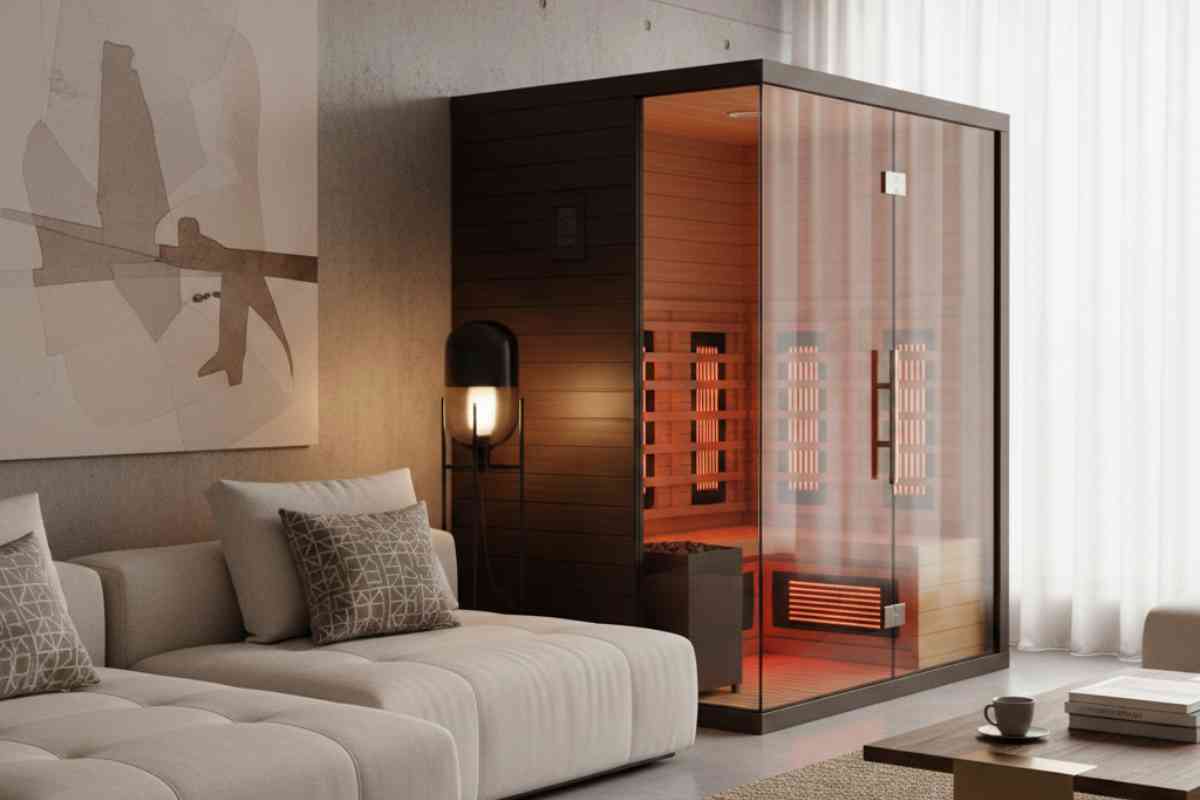
Choosing the best infrared sauna for your home involves evaluating heater technology, wood types, EMF ratings, spatial dimensions, and electrical requirements to match your health goals and living space. A high-quality residential infrared sauna delivers deep-tissue therapeutic heat at lower ambient temperatures than traditional steam saunas, providing a seamless wellness experience tailored to domestic environments.
Understanding Infrared Sauna Technology
To properly evaluate residential saunas, you must first understand how infrared heating differs from traditional rock-and-water saunas. Traditional units heat the surrounding air to high temperatures—often between 150°F and 190°F—which then warms your body via convection. In contrast, infrared saunas use specialized panels that emit invisible infrared light waves. These waves penetrate human tissue directly, heating the body at lower ambient temperatures ranging from 120°F to 140°F.
This mechanism allows for a more comfortable breathing experience and longer, more tolerable sessions while still inducing a deep, profuse sweat. Infrared technology is further categorized by the spectrum of light it produces: Far Infrared (FIR), Mid Infrared (MIR), and Near Infrared (NIR).
- Far Infrared: Penetrates deepest into the body's tissues, stimulating cardiovascular activity and deep detoxification.
- Mid Infrared: Reaches deeper into soft tissue layers to assist with pain relief and circulation.
- Near Infrared: Operates on the shortest wavelength, targeting skin surface rejuvenation and cellular health.
Most residential saunas utilize carbon or ceramic heaters to generate these spectrums, with full-spectrum units combining all three types. Understanding these wavelengths ensures you select a unit aligned with your specific wellness objectives, whether those involve muscle recovery, skin health, or general relaxation.
Key Factors When Evaluating Home Infrared Saunas
Selecting the right unit requires looking beyond aesthetic appeal and examining the engineering specifications that dictate performance, safety, and longevity.
Heater Types: Carbon vs. Ceramic vs. Low-EMF
The heating element is the heart of any infrared sauna. Ceramic heaters were historically the industry standard; they heat up very quickly and produce intense, direct infrared heat, though they can create hot spots within the cabin. Carbon heaters, on the other hand, distribute heat over a much wider surface area, resulting in a gentle, even warmth with fewer hot spots. Many modern high-end saunas use a hybrid system or advanced carbon panels engineered for optimal coverage.
Electromagnetic fields (EMF) and Extremely Low Frequency (ELF) radiation are critical safety considerations. Because you sit inches away from the heating panels for 30 to 45 minutes at a time, reputable manufacturers engineer their panels to emit virtually undetectable levels of EMF and ELF. Always request third-party lab testing verification for EMF compliance before purchasing.
Timber Selection and Build Quality
The wood used in your sauna dictates its durability, aroma, and thermal insulation properties. Common choices include:
- Canadian Red Cedar: Highly prized for its natural resistance to moisture, warping, and decay. It emits a pleasant, aromatic scent and has natural antimicrobial properties. However, individuals with severe chemical sensitivities should note that cedar contains natural oils that can trigger allergic reactions.
- Basswood: A hypoallergenic, neutral-colored hardwood that lacks strong aromas, making it an ideal choice for chemically sensitive users. It offers stable thermal insulation and resists splintering.
- Eucalyptus and Hemlock: Alternative woods offering varying degrees of density, aesthetic finish, and cost-effectiveness.
Regardless of the wood species, verify that the cabin is constructed from non-toxic, untreated lumber and uses zero-VOC (volatile organic compound) glues and finishes to prevent off-gassing under high heat.
Spatial Planning and Electrical Requirements
Before ordering a home infrared sauna, you must account for the physical footprint and the electrical infrastructure required to power it safely.
Most single-person to two-person saunas can run on standard household current, typically a dedicated 15-amp, 120-volt outlet. However, larger three-person units, commercial-grade models, or full-spectrum saunas with multiple heater zones often require a dedicated 20-amp or even a 240-volt electrical circuit installed by a licensed electrician. Reviewing the manufacturer’s technical specifications beforehand prevents costly electrical modifications after delivery.
| Sauna Capacity | Typical Power Requirements | Space Requirements (W x D x H) | Ideal Installation Zone |
|---|---|---|---|
| 1-Person | 120V / 15 Amp (Standard Outlet) | 36" x 36" x 75" | Corner of a bedroom, home gym, or walk-in closet |
| 2-Person | 120V / 15 or 20 Amp | 48" x 42" x 75" | Master bathroom, basement finished space, or large spare room |
| 3-Person | 240V / 20 Amp (Dedicated Circuit) | 60" x 50" x 77" | Dedicated wellness room, basement, or garage enclosure |
| 4+ Person | 240V / 30 Amp (Dedicated Circuit) | 72" x 60" x 77+" | Dedicated home spa area or well-ventilated outbuilding |
Space planning must also account for clearance around the exterior walls. While infrared saunas are modular and designed to fit indoor environments, leaving two to three inches of clearance around the top and sides ensures proper air circulation and prevents heat buildup against drywall or furniture.
Comparing Outdoor Versus Indoor Models
Deciding whether to place your sauna inside your living space or outdoors depends entirely on your climate, available square footage, and lifestyle preferences.
Indoor saunas are protected from weather elements, making them easier to maintain and more efficient to heat since the ambient indoor temperature is already moderate. They integrate seamlessly into master bathrooms, basement retreats, or dedicated home gyms.
Outdoor saunas, by contrast, require robust weatherproofing, including sloped shingled roofs, waterproof exterior sealants, and thicker insulation to combat freezing winter temperatures or high humidity. If you choose an outdoor model, ensure the electrical components carry a high Ingress Protection (IP) rating to withstand moisture and dust ingress safely.
Operational Costs and Maintenance Best Practices
Owning a home infrared sauna involves minimal ongoing maintenance, but understanding operational realities ensures long-term satisfaction.
Energy consumption is relatively modest compared to traditional saunas. Because infrared units operate at lower temperatures and draw between 1,500 and 3,000 watts, running a sauna for 45 minutes typically consumes about as much electricity as a residential hair dryer or space heater, translating to a nominal impact on monthly utility bills.
Maintenance is straightforward:
- Wipe down the bench seats and backrests with a damp, lint-free cloth after each session to remove sweat and body oils.
- Periodically clean the glass doors with standard glass cleaner.
- Avoid harsh chemical cleaners or varnishes that could off-gas when heated.
- Use removable cedar floor mats or towels on the benches to maintain wood hygiene effortlessly.
Frequently Asked Questions
How long does it take for an infrared sauna to heat up?
Most infrared saunas take approximately 15 to 30 minutes to reach their target operational temperature of 120°F to 135°F. You can step inside while the sauna is preheating, as the infrared panels begin emitting beneficial wavelengths immediately upon activation, though most users prefer to enter once the cabin air has warmed.
Do I need a licensed electrician to install a home infrared sauna?
It depends on the electrical draw of the unit. Smaller one- and two-person saunas that plug into a standard 120-volt, 15-amp household outlet require no special electrical work. However, any sauna requiring 240 volts or a dedicated 20-amp/30-amp breaker must be installed by a licensed professional to comply with local building and electrical codes.
Are home infrared saunas difficult to assemble?
Modern residential infrared saunas feature modular tongue-and-groove panel designs that latch, buckle, or screw together easily. Most units can be assembled by two people in one to two hours using basic household tools like a screwdriver and a ladder.
How often should I use my home infrared sauna?
For general wellness, detoxification, and relaxation, most users benefit from sessions lasting 30 to 45 minutes, three to four times per week. Always listen to your body, stay thoroughly hydrated before and after each session, and consult a primary healthcare provider if you have underlying cardiovascular conditions or take medications that affect your body's ability to regulate heat.
What is the difference between carbon and ceramic heaters?
Ceramic heaters reach high temperatures quickly and provide intense, localized infrared heat. Carbon heaters distribute heat across a wider surface area, producing a softer, more uniform ambient warmth with lower surface temperatures on the heater guards themselves.
Next Actions for Buyers
Before making a final purchase, measure your intended installation space twice, verify your electrical capacity against the manufacturer's specifications, and request independent laboratory reports confirming low EMF output. Selecting a reputable manufacturer with a comprehensive warranty on heaters, wood structure, and electrical components ensures your home sauna investment provides reliable therapeutic benefits for years to come.