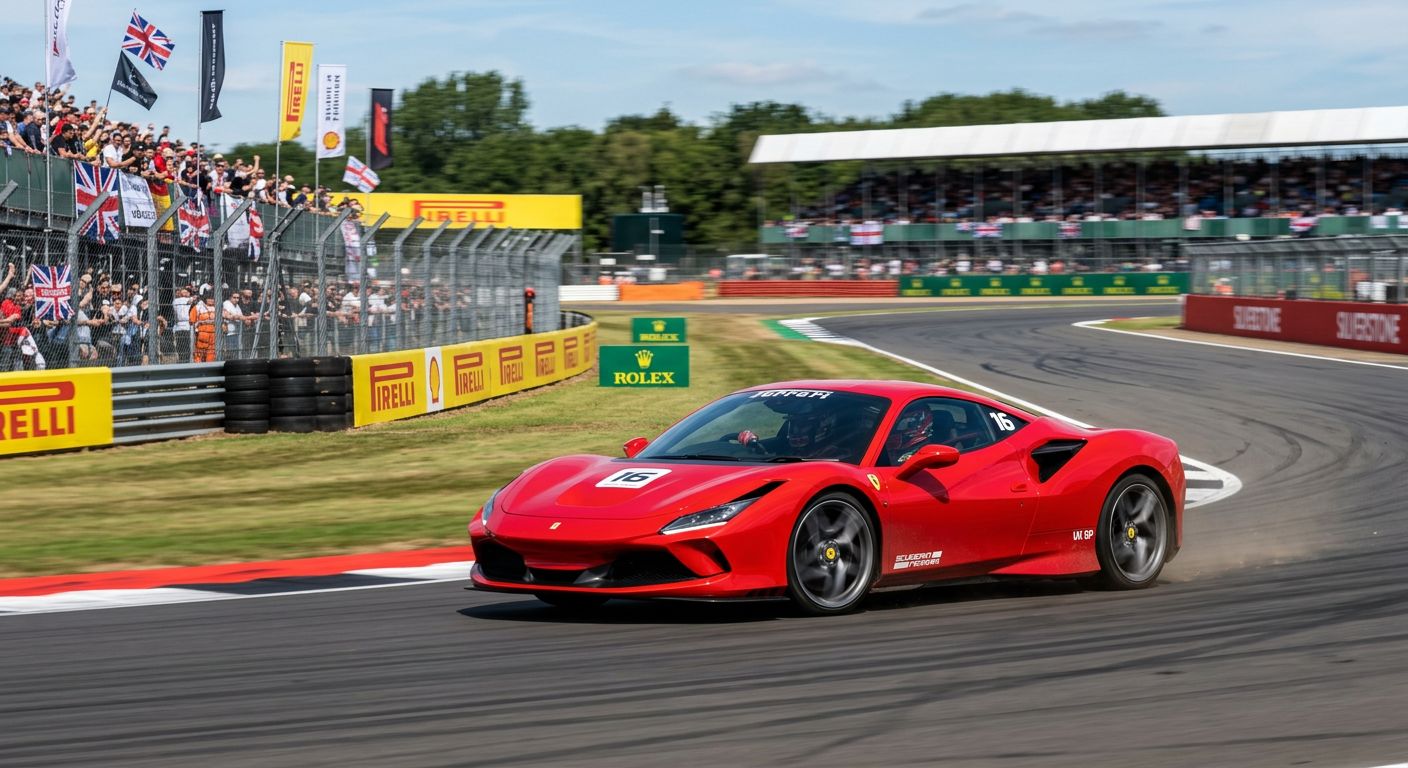
A supercar is a high-performance, street-legal vehicle that represents the pinnacle of automotive engineering, characterized by exotic materials, extreme speed, and high exclusivity. Navigating the world of supercars in 2026 requires understanding the shift toward hybrid-electric powertrains, managing complex acquisition processes for limited-run models, and accounting for substantial ongoing maintenance and insurance costs.
Defining the Supercar in 2026: Beyond the Speedometer
The definition of a supercar has evolved significantly over the last decade. While the term was once reserved for mid-engined Italian exotics with V12 engines, the 2026 landscape is more diverse yet technically more demanding. Today, a vehicle qualifies as a supercar not just through its top speed—which now frequently exceeds 210 mph—but through its power-to-weight ratio, aerodynamic efficiency, and technological integration.
In 2026, the "entry-level" supercar typically produces between 700 and 850 horsepower. The integration of High-Performance Battery (HPB) technology has become standard, even among traditionalists like Ferrari and Lamborghini. These hybrid systems are no longer just for fuel efficiency; they are used for "torque filling," where electric motors provide immediate acceleration while internal combustion engine (ICE) turbochargers spool up. This eliminates turbo lag and creates a linear power delivery that was previously only possible with large-displacement, naturally aspirated engines.
Exclusivity remains a primary pillar. A supercar is distinguished from a "sports car" (like a standard Porsche 911 or Chevrolet Corvette) by its production volume and price point. Most supercars in 2026 carry a starting MSRP of at least $250,000, with production often limited to a few thousand units globally per year. This scarcity drives the secondary market and defines the ownership experience as both a lifestyle choice and a financial asset management task.
The Performance Hierarchy: Supercars vs. Hypercars
It is essential to distinguish between supercars and hypercars, as the terms are often used interchangeably but represent different tiers of investment and performance.
Supercars are the flagship series-produced models of elite brands. Examples include the Ferrari 296 GTB, the Lamborghini Temerario (the successor to the Huracán), and the McLaren 750S. These cars are designed for both spirited road driving and occasional track use. They offer modern creature comforts, such as advanced infotainment and climate control, and are generally "serviceable" through a standard dealership network.
Hypercars, by contrast, represent the absolute limit of what is legally permissible on the road. These are often million-dollar-plus vehicles like the Aston Martin Valkyrie, the Mercedes-AMG One, or the Rimac Nevera. Hypercars utilize Formula 1-grade carbon fiber monocoques, active aerodynamics that can shift the car’s balance in milliseconds, and powertrains that often exceed 1,500 horsepower. Ownership of a hypercar often involves "application-only" purchase rights, where the manufacturer chooses the buyer based on their brand loyalty and car collection history.
Technical Foundations: The Engineering of Speed
The brilliance of a 2026 supercar lies beneath its sculpted bodywork. To justify their price tags, these vehicles utilize aerospace-grade engineering.
Advanced Materials and Weight Management
Weight is the enemy of performance. In 2026, the use of Carbon Fiber Reinforced Polymer (CFRP) is ubiquitous. Manufacturers have moved beyond simple carbon panels to "forged carbon" and complex weaves that allow for varying degrees of stiffness throughout the chassis. This allows the car to be rigid enough for high-speed cornering while remaining light enough to maximize the efficiency of the hybrid battery systems.
Active Aerodynamics
Modern supercars are no longer static shapes. They feature Active Aero systems where rear wings, front flaps, and underbody diffusers adjust their position based on speed, steering angle, and braking force. For instance, under heavy braking, the rear wing may tilt upward to act as an "air brake," significantly shortening stopping distances. This technology ensures that the car remains "sucked" to the road (downforce) without creating excessive drag during straight-line acceleration.
The Hybrid Revolution
The 2026 model year is dominated by Plug-in Hybrid Electric Vehicle (PHEV) architectures. Models like the Lamborghini Revuelto utilize a V12 engine paired with three electric motors. This setup provides all-wheel-drive capability with precise torque vectoring—the ability to send different amounts of power to each individual wheel. This allows a supercar to rotate through a corner with a level of agility that defies its physical weight.
The Acquisition Process: How to Buy a Supercar
Buying a supercar is rarely as simple as visiting a lot and picking a color. The process is often a multi-stage journey involving relationships, specifications, and patience.
New Purchases and Allocations
For the most desirable models, manufacturers use an allocation system. Established customers who have previously owned models from the brand are given priority. If you are a first-time buyer, you may find that the "flagship" models are sold out years in advance. In these cases, buyers often start with a "pre-owned" certified vehicle from a dealer to build a relationship before being offered a new build slot.
Personalization (Ad Personam / Tailor Made)
One of the hallmarks of 2026 supercar ownership is bespoke customization. Programs like Ferrari’s Tailor Made or Lamborghini’s Ad Personam allow buyers to choose unique paint pigments, interior materials (such as Alcantara, technical silks, or specialized leathers), and even custom stitching patterns. This process can add $50,000 to $150,000 to the base price of the vehicle but is often considered a "value-add" for future resale, provided the choices are not too eccentric.
The Used Market and Provenance
When buying pre-owned, provenance is everything. A supercar with a full service history from an authorized dealer is worth significantly more than one with gaps in its records. Due to the high cost of repairs, many buyers opt for Certified Pre-Owned (CPO) programs, which extend the factory warranty. In 2026, checking the health of the hybrid battery system is a critical step in the pre-purchase inspection (PPI).
Comparing Leading 2026 Supercar Models
| Feature | Ferrari 296 GTB | Lamborghini Revuelto | McLaren 750S | Porsche 911 GT3 RS |
|---|---|---|---|---|
| Engine Type | 3.0L V6 Hybrid | 6.5L V12 Hybrid | 4.0L V8 Twin-Turbo | 4.0L Flat-6 (NA) |
| Horsepower | 819 hp | 1,001 hp | 740 hp | 518 hp |
| 0-60 mph | 2.9 Seconds | 2.5 Seconds | 2.7 Seconds | 3.0 Seconds |
| Top Speed | 205+ mph | 217+ mph | 206 mph | 184 mph |
| Drive Type | RWD | AWD | RWD | RWD |
| Approx. Base Price | $342,000 | $608,000 | $330,000 | $241,000 |
The Financial Reality: Total Cost of Ownership
The purchase price is only the beginning of the financial commitment. Potential owners must budget for several high-cost categories that do not apply to standard luxury vehicles.
Maintenance and Consumables
Supercars require specialized fluids and components. A standard annual service—including oil changes and system checks—can range from $2,000 to $5,000. Consumables like tires and brakes are particularly expensive. A set of high-performance tires (such as Michelin Pilot Sport Cup 2) can cost $2,500 and may only last 5,000 miles if the car is driven aggressively. Carbon-ceramic brake rotors, while designed to last a long time, can cost upwards of $20,000 to replace if damaged.
Specialized Insurance
Traditional insurance carriers often refuse to cover vehicles over a certain value or performance threshold. Owners typically use specialized providers like Hagerty or Grundy, which offer "agreed value" policies. Premiums are influenced by the owner's driving history, the car’s storage location, and annual mileage limits. For a $400,000 supercar, expect annual premiums between $5,000 and $12,000.
Depreciation and Market Volatility
While some limited-edition supercars appreciate, most "standard" production models depreciate. A supercar can lose 15-25% of its value in the first two years. However, in 2026, the market has shown that the final generations of pure internal combustion engines or high-revving naturally aspirated engines (like the Porsche GT3) are holding their value better than early-generation hybrids, as collectors value the "mechanical" experience.
Practical Considerations: Driving and Storage
Driving a supercar is a skill that requires adaptation. These vehicles are wider, lower, and have significantly less visibility than standard cars.
- Ground Clearance: Most 2026 supercars come equipped with a Front-Axle Lift System. This allows the driver to raise the front of the car by 30-50mm to navigate speed bumps and steep driveways without damaging the expensive carbon fiber front splitter.
- Storage Environment: A supercar should be stored in a climate-controlled environment. Modern electronics and sensitive interior leathers do not react well to extreme temperature fluctuations or high humidity. Furthermore, because of the high parasitic drain from the vehicle's computers, most owners keep their cars on a battery tender (trickle charger) when not in use.
- Logistics: Driving a supercar on a 500-mile road trip can be taxing due to noise and firm suspension. Many owners use specialized enclosed transport services to move their vehicles to track events or summer homes to keep mileage low and avoid road debris damage.
Common Pitfalls and How to Avoid Them
Even experienced car enthusiasts can make mistakes when entering the supercar market.
- Ignoring the PPI: Never buy a supercar without a third-party Pre-Purchase Inspection from a specialist. Small issues, like a leaking hydraulic line or a worn clutch (on older models), can lead to five-figure repair bills.
- Underestimating the "Attention" Factor: Owning a supercar means being a public figure whenever you drive. You will be filmed, photographed, and approached at gas stations. For some, this is part of the appeal; for others, it can become a burden.
- Failing to Drive the Car: Modern supercars are designed to be used. Vehicles that sit for years without being driven often develop brittle seals and battery degradation. Regular, moderate use is generally better for the car’s longevity than perpetual storage.
Frequently Asked Questions
Can I use a supercar as a daily driver in 2026?
Technically, yes. Modern supercars like the Porsche 911 Turbo S or the McLaren GT are designed with "comfort" modes, decent cargo space, and manageable ground clearance. However, the high cost per mile (depreciation plus maintenance) makes daily driving financially impractical for most. Furthermore, parking a supercar in public lots carries a high risk of "door dings" or vandalism.
How does the 2026 EV transition affect supercar values?
The transition has created a bifurcated market. High-tech hybrid supercars are favored by those seeking the fastest possible performance. Meanwhile, older, purely mechanical supercars (manual transmissions, naturally aspirated engines) have become "analog" collectibles, often commanding higher prices than their more modern counterparts due to their perceived "purity" and sensory experience.
What is the most reliable supercar brand?
Historically, Porsche is regarded as the leader in reliability and build quality. Their cars are often engineered to withstand the rigors of daily use and track abuse with fewer "glitches" than their Italian or British counterparts. However, manufacturers like Ferrari have significantly improved their reliability, now offering 7-year maintenance programs to alleviate owner concerns.
Are supercars a good investment?
Generally, no. Most supercars should be viewed as a high-end luxury expense. While specific "halo" cars (like the Ferrari LaFerrari or McLaren P1) have seen massive appreciation, the average production supercar will depreciate. Only cars with extremely low production numbers, unique heritage, or "last-of-the-breed" mechanical configurations tend to act as successful financial investments.
Final Recommendation for Prospective Owners
If you are considering a supercar in 2026, your first step should be to define your use case. If you intend to spend time on the track, prioritize a Porsche GT-series or a "Longtail" McLaren (LT). If your goal is "grand touring" and presence, a V12 Lamborghini or a Ferrari Roma might be more appropriate. Always secure a storage solution and an insurance quote before signing the purchase agreement. Finally, join a reputable owners' club; the community knowledge found in these groups is often more valuable than any technical manual when it comes to long-term maintenance and market trends.