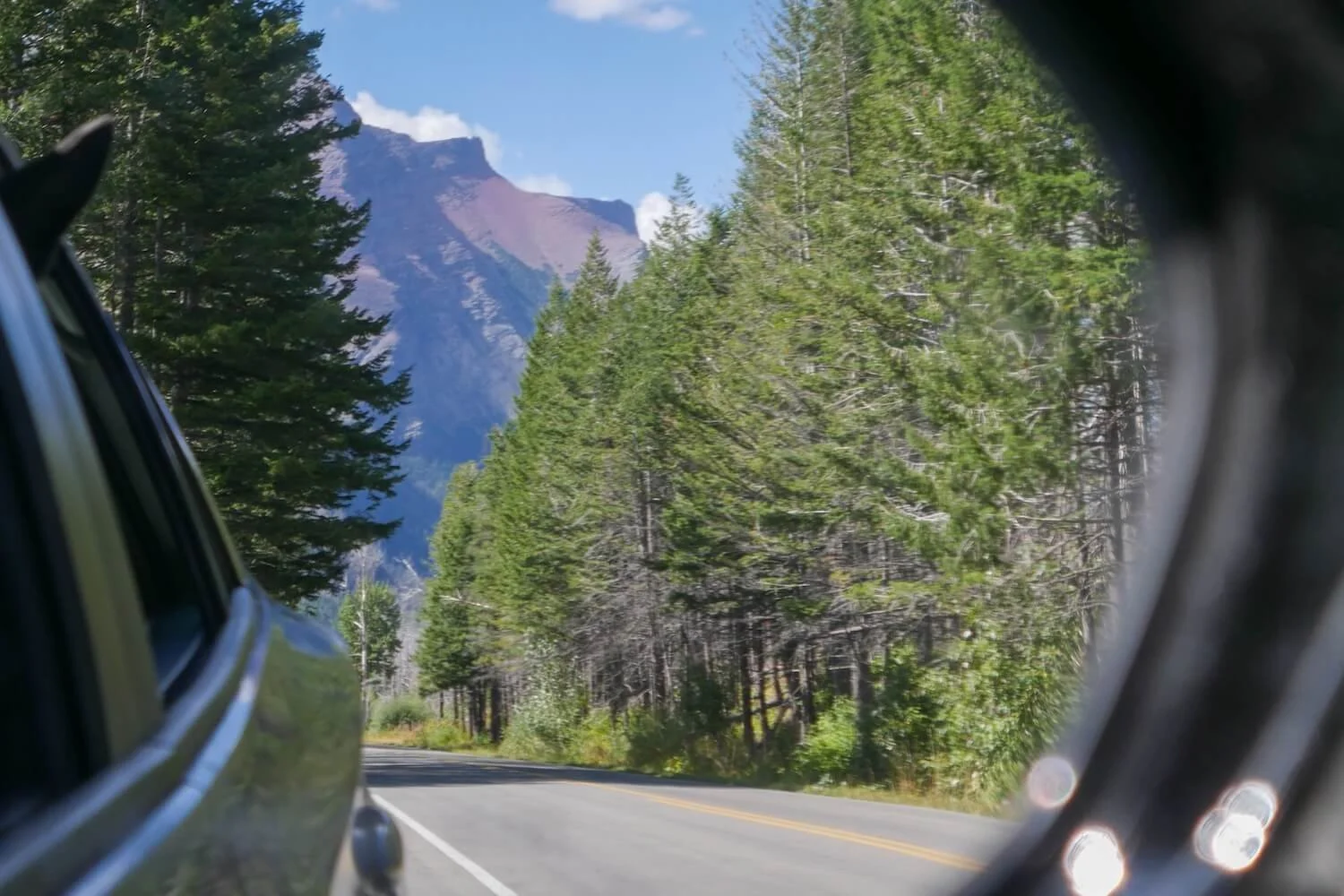
Striving for a perfect road trip often results in diminishing returns because the high financial premium for luxury accommodations, rigid itineraries, and top-tier rentals eliminates the spontaneity and grit that define the authentic road trip experience. True value lies in a balanced, adaptable journey where the "good enough" moments allow for organic discovery, rather than an expensive, over-engineered itinerary that creates unnecessary pressure.
The Psychological Burden of the "Perfect" Itinerary
The pursuit of perfection in travel is often driven by a desire for control and a response to the curated images seen on social media platforms. By 2026, the travel industry has leaned heavily into "hyper-personalized" experiences, promising seamless transitions and "flawless" execution. However, this perfection comes at a significant psychological and financial cost. When every mile is mapped and every meal is pre-booked at a Michelin-starred roadside stop, the traveler is no longer an explorer; they are a project manager.
The psychological concept of the Hedonic Treadmill suggests that as we increase our spending to achieve higher levels of comfort, our baseline for satisfaction also rises. If you spend $500 a night for a luxury lodge on a road trip, a slightly lumpy pillow or a slow check-in process becomes a major grievance. Conversely, in a moderately priced, "good enough" motel, those same minor inconveniences are often viewed as part of the adventure. By over-investing in the "perfect" version of a trip, travelers inadvertently raise the stakes so high that any minor deviation from the plan feels like a failure, rather than a detour.
The Law of Diminishing Returns in Travel Spending
In economics, the law of diminishing returns states that as more investment is made in a particular area, the marginal gain from each additional unit of investment eventually decreases. This principle is vividly applicable to road trips. There is a baseline level of spending required for safety, reliability, and basic comfort. Beyond that, the correlation between dollars spent and memories made begins to decouple.
Consider the vehicle choice. For a 2,000-mile journey in 2026, renting a high-end, luxury Electric Vehicle (EV) with the latest autonomous driving features might cost $2,500. Using a reliable, mid-range personal vehicle or a standard rental might cost only $800 in fuel and maintenance. While the luxury EV offers a quieter cabin and smoother ride, does it provide three times the enjoyment? In most cases, the answer is no. The core experience—the scenery, the conversations, and the sense of freedom—remains largely identical regardless of the leather quality on the seats.
Where the Extra Costs Accumulate
Extra costs usually manifest in three primary areas:
- Premium Accommodations: Paying for "the view" or "the brand" rather than the utility of a clean bed.
- Over-Scheduling: Booking non-refundable tours and activities months in advance to ensure a "perfect" slot.
- Convenience Fees: Opting for the most expensive, central parking or high-speed charging stations because they are 10 minutes closer than the standard options.
The Hidden Value of Spontaneity and "The Middle Path"
A road trip is, by definition, a journey of transit. When the focus shifts entirely to the destinations and the high-cost "perfect" moments within them, the transit itself becomes a chore to be endured rather than an experience to be enjoyed. The most memorable moments of a road trip are rarely the ones that were paid for in advance; they are the unexpected discoveries—the diner with the world's best pie in a town not on the map, or the sunset viewed from a random pull-off because the traffic was slower than expected.
By leaving room for the "imperfect," travelers save money and gain flexibility. This flexibility is a form of currency. If you aren't tied to a $400 non-refundable hotel reservation 300 miles away, you can choose to stay an extra night in a location you've unexpectedly fallen in love with. This "opportunity profit" is lost when you prioritize a pre-paid, perfect schedule.
Comparative Cost Analysis: Perfection vs. Pragmatism
To visualize the financial gap, let’s look at a hypothetical 10-day cross-country trip in 2026. This comparison looks at the "Perfectionist Route," which prioritizes high-end convenience, and the "Adventurer Route," which prioritizes value and flexibility.
| Expense Category | The Perfectionist Route (High Cost) | The Adventurer Route (Pragmatic) | Estimated Savings |
|---|---|---|---|
| Vehicle Choice | Premium 2026 Luxury SUV Rental ($180/day) | Personal Vehicle or Standard Rental ($65/day) | $1,150 |
| Lodging | Boutique Hotels/Glamping (Avg $350/night) | Clean Motels/National Park Lodges ($130/night) | $2,200 |
| Dining | Pre-booked "Must-Eat" Restaurants ($150/day) | Mix of Local Diners & Grocery Stops ($50/day) | $1,000 |
| Activities | Guided Private Tours & Fast-Passes ($800) | Self-Guided Hikes & Public Sites ($150) | $650 |
| Buffer/Fees | Valet, Premium Charging, Concierge ($400) | Standard Parking, Off-Peak Charging ($100) | $300 |
| TOTAL | $7,050 | $1,750 | $5,300 |
The data suggests that the "Perfect" road trip can easily cost four times as much as a well-planned, pragmatic one. While the Perfectionist Route offers more luxury, the Adventurer Route offers a $5,300 surplus that could fund three additional trips of the same length.
Evaluating Vehicle and Maintenance Costs in 2026
By 2026, the cost of road-tripping has been influenced by fluctuating energy prices and the widespread adoption of EV infrastructure. While EVs offer lower "fuel" costs per mile, the premium for high-speed charging in "perfect" locations (like those directly adjacent to national park entrances) has risen.
According to the U.S. Department of Energy, maintaining a vehicle for long-haul travel involves more than just fuel. If you are driving your own vehicle to avoid rental costs, you must account for the "perfect" maintenance trap. Many travelers feel the need to perform an overhaul of their vehicle before a trip. While safety checks (tires, brakes, fluids) are essential, replacing parts that still have 10,000 miles of life just for "peace of mind" is an unnecessary pre-trip expense.
A technical inspection by a certified mechanic is a smarter investment than blindly replacing components. The American Automobile Association (AAA) recommends a basic "TRIP" inspection: Tires, Radio (electronics), Indicators (lights), and Pans (leaks). Spending $150 on a professional inspection is far more cost-effective than spending $1,500 on a rental "just in case" your own car has an issue.
The Pitfalls of Luxury Accommodations on the Road
One of the largest "perfection" traps is the high-end accommodation. In 2026, the rise of "experience-based" lodging has led to astronomical prices for stay-overs that are essentially just places to sleep. If you are spending 10 hours a day driving and 4 hours sightseeing, you are only in your hotel for about 10 hours—most of which are spent sleeping.
Paying a $200 premium for a heated pool or a designer lobby you won't use is a poor allocation of travel capital. Furthermore, luxury hotels are often located in high-traffic urban centers, adding the "hidden costs" of city driving, expensive parking, and time lost in congestion. Choosing a reputable mid-range chain located on the outskirts of a city often saves $100 in room rates and another $50 in parking fees, while also providing easier access back to the highway the following morning.
Managing Expectations: The Social Media Effect
The "extra cost" of perfection is often a tax paid to satisfy an imaginary audience. In the current 2026 landscape, the pressure to document a "flawless" journey for social media leads many to choose photogenic spots over authentic ones. This often involves paying "photography fees" at private overlooks or dining at "Instagrammable" cafes where the food quality does not justify the price.
True road trip value is found in subjective satisfaction rather than objective perfection. Research in the Journal of Consumer Psychology indicates that experiential purchases (like travel) provide more lasting happiness than material ones, but only when those experiences are not marred by the stress of overspending. When a traveler is constantly checking their bank balance because they overspent on a "perfect" hotel, the cortisol levels rise, effectively neutralizing the dopamine hit of the vacation.
Common Mistakes When Chasing the Perfect Trip
- Booking Every Minute: This leads to "time-scarcity stress." If you are 30 minutes late to a pre-paid "sunset tour," the beauty of the sunset is replaced by the frustration of the lost deposit.
- Over-Packing Gear: Buying "perfect" new roof racks, specialized coolers, and high-tech gadgets for a single trip. Most travelers find that 30% of what they bring for "perfection" goes unused.
- Ignoring Local Advice: Focusing so much on "Top 10" lists from major publications that you ignore the local gas station attendant's tip about a better, free viewpoint just five miles away.
- Premium Fuel/Charging: Using premium 93-octane fuel in a car designed for 87, or using the most expensive "Level 3" chargers for every stop when a "Level 2" charger at a park-and-ride would suffice during a long lunch.
FAQs
Is it ever worth it to pay more for a "perfect" rental car?
Only if the rental provides a functional necessity your current vehicle lacks, such as 4WD for a winter mountain trip or significantly better fuel/range efficiency for a multi-week journey. Paying extra purely for brand prestige or aesthetic "perfection" rarely translates into a better trip experience.
How do I balance safety and cost-cutting?
Never cut costs on safety. Tires, brakes, and emergency kits are non-negotiable. However, "safety" is often used as a marketing term to sell more expensive services. A well-maintained 2020 vehicle is statistically as safe for a highway trip as a 2026 model. Focus your spending on mechanical reliability rather than the latest safety gadgets.
Doesn't a "perfect" plan reduce stress?
A plan reduces stress only until it meets reality. Traffic, weather, and closures are inevitable. A "perfect" plan is brittle; it breaks under pressure. A "good" plan is resilient; it has buffers. The extra cost of a rigid, perfect plan often creates more stress when things inevitably go wrong.
Is "glamping" worth the extra cost over traditional camping?
Glamping is a lifestyle choice, not a road trip necessity. If the goal is to experience nature, a $30 campsite and $200 in quality gear (which you keep) is more cost-effective than a $450-a-night luxury tent. Glamping often costs more than a high-end hotel while offering fewer amenities.
How can I find "good enough" food without overspending?
Avoid restaurants located within two blocks of major tourist attractions. Use apps to find where locals eat, or visit local grocery stores for high-quality regional snacks. This not only saves money but often provides a more authentic taste of the region's culture.
Final Recommendation: The "80% Rule" for Road Trips
The most successful road trips—those that provide the highest return on investment—usually follow the 80% Rule. Aim for a trip that is 80% planned and 20% spontaneous. Invest in the top 20% of experiences that truly matter to you (perhaps one specific national park or one bucket-list activity) and allow the rest of the trip to be "good enough."
By accepting that things will go wrong, that some meals will be mediocre, and that some hotels will be plain, you strip away the financial and emotional pressure of perfection. The money you save can then be used to extend your trip, fund your next adventure, or simply provide a "buffer fund" that allows you to handle real emergencies with ease. In 2026, the ultimate luxury isn't a perfect itinerary—it's the freedom to change your mind without losing a fortune.