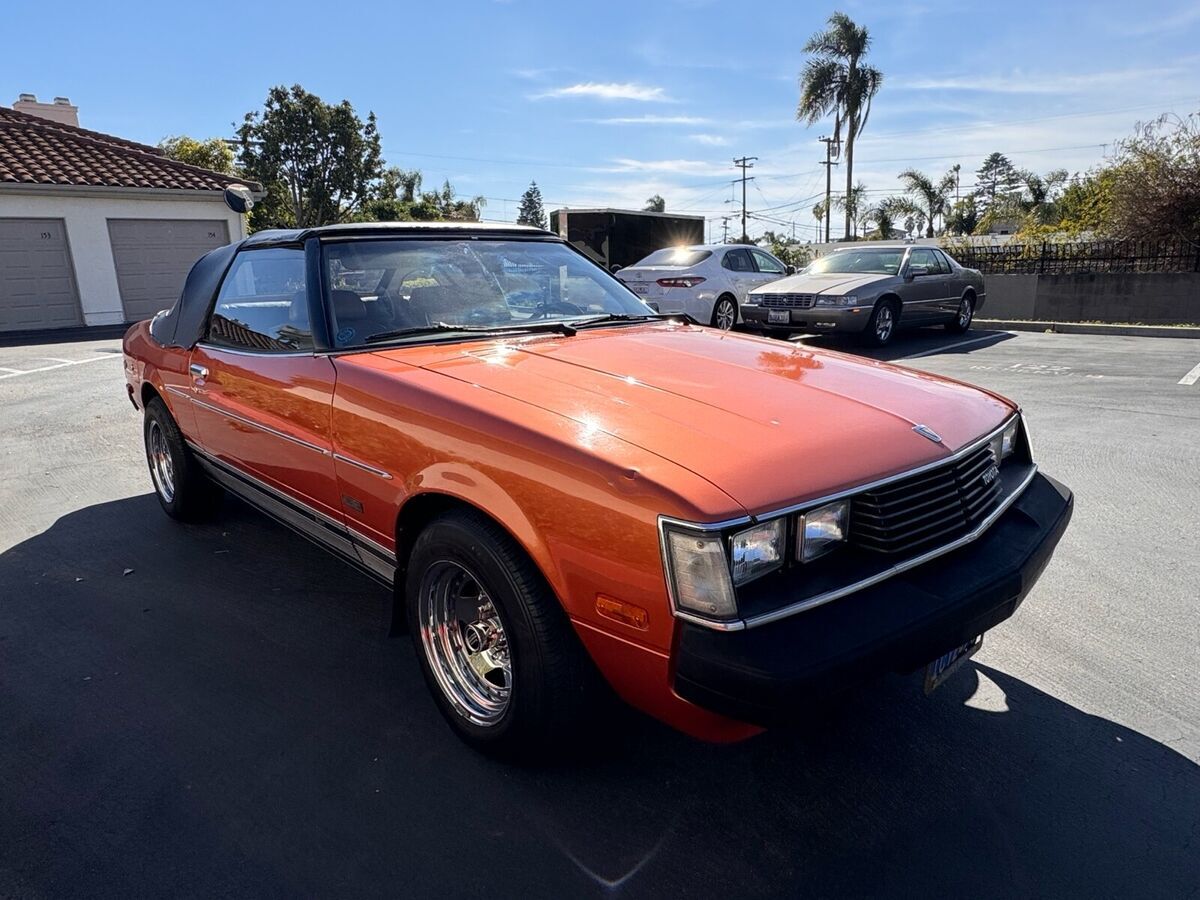
The Toyota Celica, particularly the classic coupe variants spanning from its 1970 debut to its final seventh generation in 2006, represents a transformative era in Japanese automotive design. To look inside the cabin of a Celica is to witness the evolution of the driver-focused cockpit, transitioning from minimalist analog simplicity to the ergonomic, technology-integrated standards that defined the turn of the millennium.
The Philosophy of the Celica Cockpit
When Toyota introduced the Celica in 1970, the internal design was heavily influenced by the "pony car" trend popularized in the United States, yet refined with Japanese manufacturing precision. The primary intent of the Celica’s interior design throughout its lifespan was to provide a "driver-centric" environment. Unlike the luxury-focused sedans of the era, the Celica coupe prioritized the connection between the pilot and the machine.
In the first-generation models (A20/A30), this meant deep-set analog gauges, a thin-rimmed wooden or padded steering wheel, and a center console oriented toward the driver. As the decades progressed, the interior moved from an exercise in mechanical tactile feedback to an ergonomic study in comfort and safety, eventually incorporating features like lumbar support, side-impact airbags, and sophisticated climate control systems by the early 2000s.
Generations and Interior Evolution
To understand the "look inside" a Celica, one must categorize the interior experience by its generational shifts. Each iteration reflected the cultural and technological zeitgeist of its time.
The Classic Era (1970–1981)
The early Celica interiors were defined by simplicity. The dashboards were typically flat, linear, and utilitarian, utilizing hard-wearing plastics and vinyl. A key hallmark of these interiors was the extensive use of round, clear-faced gauges set within a wood-grain or brushed-metal bezel. The gear shifter was positioned for quick, short throws—a nod to the model's racing pedigree. These cabins were notoriously compact, reflecting the coupe’s role as a personal commuter rather than a family vehicle.
The Wedge and Technical Revolution (1982–1989)
During the third and fourth generations, the interior underwent a radical transformation. With the adoption of "wedge" styling, the dashboard became more wrap-around and integrated. Digital instrumentation began appearing as an optional luxury, and the seats evolved into true "bucket" designs with more substantial bolsters. This was the era where ergonomics became a measurable metric for Toyota, with buttons and switches grouped by frequency of use.
The Curvy Integration (1990–1999)
The fifth and sixth generations saw the introduction of organic, flowing lines. The interior plastics softened, and ergonomics focused on "cockpit feel." By the mid-1990s, the Celica interior featured complex curves that flowed from the dashboard into the door panels, creating a sense of being "cocooned" in the driver's seat. Safety features such as dual front airbags and pre-tensioning seatbelts became standard, fundamentally changing the layout of the steering wheel hub and the dashboard's crash-protection zones.
The Millennium Refinement (2000–2006)
The final iteration (T230) remains the most recognizable "modern" Celica interior. It shifted toward a more industrial, functional aesthetic. Designers utilized metallic-look trim, deeply recessed "tube" gauges, and highly bolstered seats that were essentially lifted from sportier performance platforms.
Material Selection and Tactile Quality
One of the most frequent questions regarding the Celica's interior concerns the longevity of the materials. Toyota’s approach to interior construction changed significantly over 35 years:
- Hard Plastics (1970s–1980s): Early interiors were built to withstand extreme heat and UV exposure. While these plastics are durable, they are prone to cracking after five decades of exposure.
- Cloth and Velour (1980s–1990s): Many mid-generation Celicas featured high-quality velour upholstery, which was prized for its comfort but proved difficult to clean and susceptible to color fading.
- Modern Synthetics (2000s): The final generation utilized injection-molded plastics designed to reduce interior glare and maintain a uniform texture, prioritizing ease of maintenance over the luxurious soft-touch materials found in luxury Lexus counterparts.
Comparative Analysis of Interior Configurations
The following table compares the typical interior features across three distinct eras of the Toyota Celica coupe to help collectors and enthusiasts understand what to expect during an inspection.
| Feature Category | Early Era (1970–1979) | Mid Era (1986–1993) | Final Era (2000–2006) |
|---|---|---|---|
| Instrumentation | Analog round dials | Analog/Digital hybrid | Deep-set circular pods |
| Seat Design | Fixed-back bucket | Adjustable bolsters | Sport-integrated bucket |
| Primary Material | Vinyl & Metal trim | Velour & Soft plastic | Textured polymer & Cloth |
| Ergonomic Focus | Driver-side console | Integrated wrap-around | Functional minimalism |
| Safety Tech | Lap belts | 3-point harnesses | SRS Airbags (Front/Side) |
Troubleshooting Common Interior Issues
When looking inside a classic Toyota Celica today, prospective owners or restorers should focus on three critical failure points that occur due to age, regardless of the vehicle's specific maintenance history.
1. Dashboard Cracking
The most pervasive issue in all pre-2000s Celicas is UV-induced cracking of the dashboard pad. Because the Celica was a popular daily driver, many were parked outside for years. When inspecting a vehicle, use a flashlight to look for hairline fractures near the passenger-side airbag cover (if applicable) and the instrument binnacle. Repairing these requires either a professional upholstery wrap or sourcing a "new old stock" (NOS) dash, which is increasingly rare.
2. Electrical Connectivity
In the electronic-heavy 1990s and early 2000s models, brittle wiring insulation can cause intermittent faults in the power windows, sunroof motors, and instrument cluster lighting. If the dash lights flicker, the issue is rarely the bulbs themselves; it is usually a degradation of the copper ground contacts within the dashboard harness. Cleaning these contacts with an electrical contact cleaner is a common, cost-effective first step.
3. Seat Bolster Wear
The Celica was designed to be entered and exited frequently. The side bolsters on the driver’s seat are almost always the first to show wear. In the 2000–2006 models, the fabric often frays on the outer edge. If the frame itself is sagging, it indicates significant wear to the high-density foam underneath. A professional foam rebuild is often necessary to restore the original "supportive" feel of the cockpit.
Practical Tips for Interior Preservation
If you own or acquire a Toyota Celica, preserving the interior is paramount to maintaining its value.
- UV Protection: Use a high-quality, non-greasy UV protectant on vinyl and plastic surfaces. Avoid products that leave a high-gloss finish, as these can increase glare on the windshield.
- Climate Control Maintenance: In older models, the vacuum-operated climate control systems can seize if not used regularly. Cycle through all vent positions—defrost, floor, and dash—at least once every two months to keep the seals supple.
- Weight Management: While the seats are robust, avoid storing heavy items in the rear seats for long periods. The rear upholstery in the coupe is notoriously thin, and pressure points from heavy cargo can cause permanent deformation in the seat cushioning.
Frequently Asked Questions (FAQ)
Is the interior of the Toyota Celica coupe spacious enough for tall drivers? Generally, the Celica is designed for a lower seating position. While legroom is usually sufficient for drivers over six feet tall, headroom can be limited, particularly in models equipped with a factory sunroof, which lowers the ceiling liner by approximately one to two inches.
How difficult is it to source replacement parts for a 1980s Celica interior? Sourcing specific trim pieces is difficult due to the age of the vehicle. Most interior components are no longer in production. Enthusiasts typically rely on "parting out" donor vehicles or using 3D-printing technology to replicate plastic knobs, clips, and trim bezels.
Why does my Celica interior smell musty even after cleaning? If the cabin smells musty, the issue is often not the upholstery but the cabin air ventilation system. In models equipped with cabin filters (mostly post-1999), a clogged filter traps moisture. In older models, leaves and debris can accumulate in the HVAC plenum, requiring removal of the blower motor to clean out the debris.
Are the seat belts in a 1975 Celica still safe to use? Safety experts strongly recommend inspecting seat belts for fraying, stiffening, or "dog-ear" folds. If the webbing feels brittle or does not retract smoothly, the tensioner and the belt itself may no longer meet safety standards. It is advisable to have these professionally inspected or replaced with period-correct, refurbished units.
Can I upgrade the sound system without ruining the original interior look? Yes. Modern "retro-style" head units are available that provide Bluetooth and digital connectivity while retaining the aesthetic of a classic 1980s or 1990s stereo. This allows for modern functionality without the need to cut into the dashboard or door cards, which preserves the car's originality.
Final Next Steps
For those intending to restore or maintain a Toyota Celica, the next action should be a thorough "clean-room" audit of your cabin. Remove loose mats, vacuum beneath the carpets to check for floor-pan rust (a silent killer of interiors), and inspect all rubber seals around the doors and windows. Water ingress is the primary cause of interior degradation. By ensuring the cabin is weather-tight, you protect the investment you have made in the vehicle's history and performance. Whether you own the iconic 1970s notchback or the final 2006 sport-coupe, the interior is the heart of the Celica experience—treat it with the same technical rigor you apply to the engine and chassis.