A Christmas Carol house primarily refers to 48 Doughty Street in London, the only surviving residence of Charles Dickens, now the Charles Dickens Museum. It also encompasses the fictional "gloomy suite of rooms" inhabited by Ebenezer Scrooge and the modest Camden Town cottage of the Cratchit family, which defined Victorian architectural symbolism.
While Charles Dickens wrote his 1843 masterpiece at 1 Devonshire Terrace (now demolished), the term "A Christmas Carol House" usually points to the locations that inspired the novella or the museum that preserves the author’s legacy. In 2026, these sites remain central to literary tourism, offering a tangible link to the social conditions and festive traditions Dickens immortalized. Understanding these spaces requires a look at both the historical reality of 19th-century London and the vivid descriptions within the text.
The Physical Legacy: 48 Doughty Street (The Charles Dickens Museum)
The most prominent physical "Christmas Carol House" is the Charles Dickens Museum, located at 48 Doughty Street in Bloomsbury, London. Although Dickens lived here from 1837 to 1839—a few years before publishing A Christmas Carol—this Georgian terraced house is where he rose to international fame. It serves as the primary repository for artifacts related to the novella, including original manuscripts and personal items.
Architectural Significance
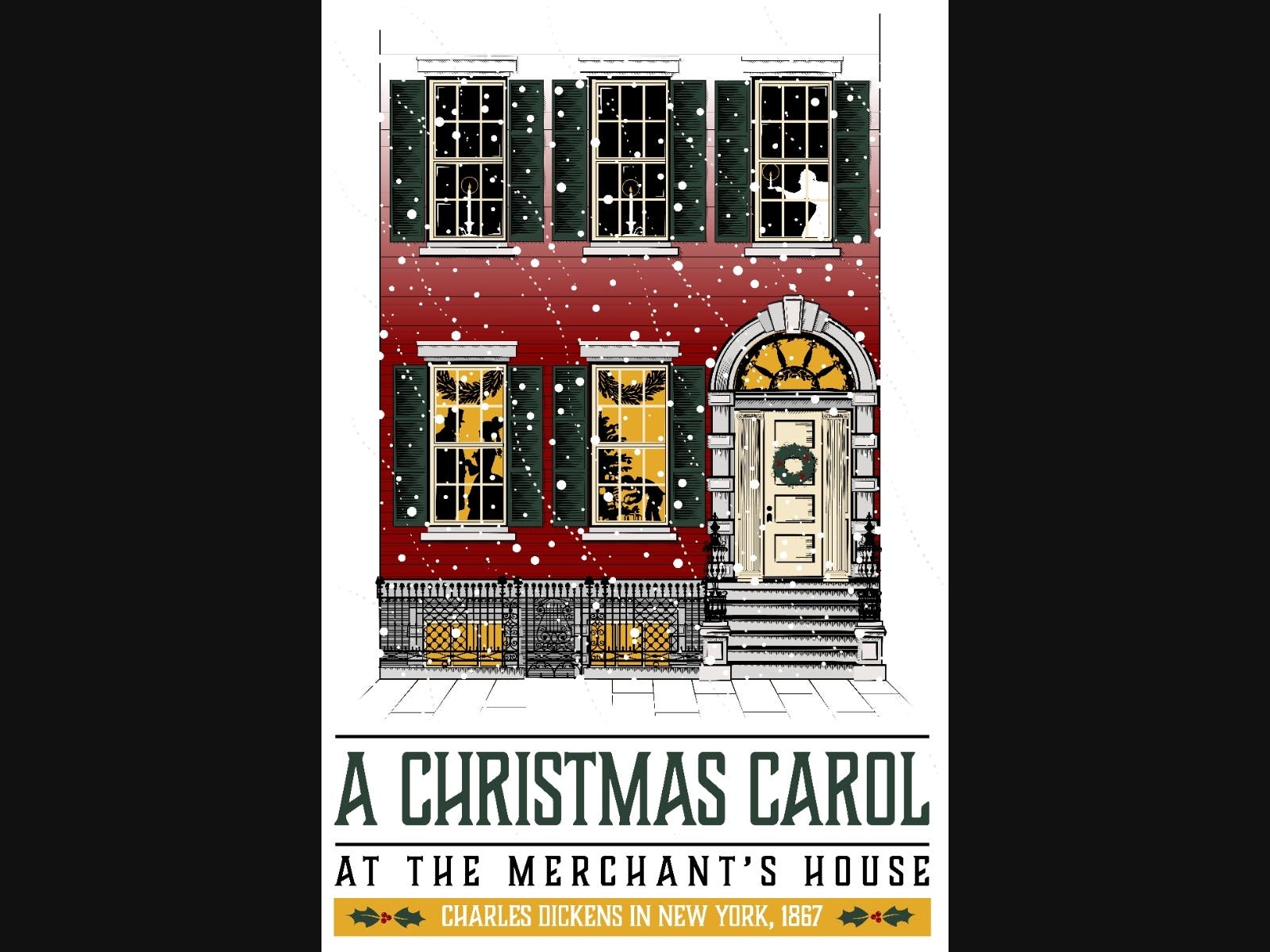
48 Doughty Street is a classic example of a middle-class Georgian townhouse. It features four floors, including a basement kitchen and servant quarters, which provide a stark contrast to the opulence of the drawing rooms. For modern visitors, the house offers a blueprint of the domestic hierarchy Dickens frequently critiqued. The preservation of the washhouse and the copper—similar to the one Mrs. Cratchit used to boil the Christmas pudding—makes this location the closest physical experience to the world of the story.
Visiting in 2026
In the current 2026 season, the museum has expanded its immersive "Dickensian Christmas" programming. Visitors can view the author’s study, where he penned works like Oliver Twist, and participate in candlelight readings of A Christmas Carol. The museum has integrated augmented reality (AR) displays that overlay the Doughty Street rooms with descriptions of Scrooge’s chambers, bridging the gap between the real house and the fictional one.
The Fictional Residence: Scrooge’s "Gloomy Suite of Rooms"
In the novella, Ebenezer Scrooge lives in a "gloomy suite of rooms" in a lowering pile of a building up a yard. This fictional house is as much a character as Scrooge himself. Dickens describes it as a place that had once belonged to his deceased partner, Jacob Marley, suggesting a cycle of isolation and neglect.
Location and Atmosphere
Dickens situated Scrooge’s house in the City of London, the financial heart of the 19th century. The house is described as being hidden away in a dark courtyard, disconnected from the bustling streets. This spatial isolation symbolizes Scrooge’s emotional and social withdrawal. The architecture is described as "old enough now, and dreary enough," with a staircase so wide that one might "have run a low-backed horse-and-gig" up it.
The Symbolism of the Door Knocker
The most famous architectural feature of Scrooge’s house is the front door knocker, which transforms into the face of Jacob Marley. In Victorian London, the door knocker was a statement of status and a boundary between the public and private spheres. By having the ghost appear here, Dickens suggests that Scrooge’s private sanctuary is no longer impenetrable.
The Cratchit Family Home: 16 Bayham Street Inspiration
While Scrooge lived in the wealthy but sterile City, the Cratchits resided in Camden Town. Literary historians widely believe their four-roomed house was modeled after Dickens’s own childhood home at 16 Bayham Street.
Life in Camden Town
In the 1840s, Camden Town was a suburb for the working poor. The Cratchits' house represents "genteel poverty." It was small, crowded, and lacked the comforts of the upper class, yet Dickens filled it with warmth and light to contrast with Scrooge’s dark chambers. The "house" here serves as a vessel for the story's moral core: that happiness is independent of square footage or architectural grandeur.
Technical Layout of a Working-Class Cottage
A typical house like the Cratchits' would have consisted of:
- The Kitchen: The heart of the home, used for cooking and bathing.
- The Parlor: A multi-functional room for dining and sleeping.
- The Copper: A built-in laundry tub used for the iconic Christmas pudding.
Historical Comparison of "A Christmas Carol" Houses
The following table compares the primary residences associated with the story, highlighting their real-world status and fictional characteristics.
| Property Type | Location | Occupant/Association | Status in 2026 |
|---|---|---|---|
| Georgian Townhouse | 48 Doughty Street | Charles Dickens (Real) | Official Museum & Landmark |
| City Chambers | City of London | Ebenezer Scrooge (Fictional) | Symbol of Victorian Finance |
| Suburban Cottage | Camden Town | The Cratchit Family (Fictional) | Cultural Heritage Site (Camden) |
| 1 Devonshire Terrace | Marylebone | Dickens during 1843 (Real) | Demolished (Plaque remains) |
| Counting House | Near Cornhill | Scrooge & Marley (Fictional) | Fictional Commercial Site |
Filming Locations: Bringing the Houses to Life
Over the decades, various film adaptations have sought the "perfect" Christmas Carol house. These locations have become tourist destinations in their own right for fans of the 1951, 1984, and 1999 films.
Shrewsbury, England
The 1984 film starring George C. Scott utilized the town of Shrewsbury as a stand-in for Victorian London. The town's medieval and Tudor architecture provided the winding alleys and jettied houses that viewers associate with Scrooge’s neighborhood. The gravestone used for Scrooge in this production can still be seen at St. Chad’s Church.
The Old Royal Naval College, Greenwich
For more recent adaptations, including the 2019 FX/BBC miniseries, the Old Royal Naval College in Greenwich has served as the backdrop for the grandeur of the City of London. Its neoclassical architecture captures the cold, imposing nature of the institutions Scrooge represents.
Architectural Preservation and Victorian Standards
To understand "A Christmas Carol House," one must understand the technical constraints of the era. Victorian houses were built during a period of rapid urban expansion.
- Heating and Light: Homes were heated by coal fires, leading to the "soot" and "fog" Dickens describes. Scrooge’s refusal to provide enough coal for Bob Cratchit was a literal threat to health, as internal temperatures in London houses could drop below freezing.
- Sanitation: In the 1840s, the "Christmas Carol House" likely lacked modern sewage. The transition from cesspools to the sewer system was just beginning. This adds a layer of grit to the "city" houses described in the book that modern readers often overlook.
- The Window Tax: Although being phased out during Dickens's time, the window tax influenced house design, leading to many bricked-up windows in older buildings, contributing to the "gloomy" atmosphere of Scrooge’s suite.
How to Experience the "Christmas Carol House" Experience in 2026
For those looking to immerse themselves in the world of Ebenezer Scrooge, several steps are recommended for a comprehensive historical tour.
Step 1: Visit the Charles Dickens Museum
Located at 48 Doughty Street, the museum is the definitive starting point. In 2026, standard adult admission is approximately £15.50. It is advisable to book "The Ghost of Christmas Past" evening tours, which utilize period-appropriate lighting to recreate the atmosphere of the 1840s. Information is available on the official Charles Dickens Museum website.
Step 2: Explore the City of London "Scrooge" Walk
While the specific building for Scrooge's counting house is fictional, the alleys around Cornhill and the Royal Exchange remain. Notable stops include the George and Vulture, a pub Dickens frequented and mentioned in his writings, which captures the interior feel of a 19th-century establishment.
Step 3: Visit the British Library
The British Library occasionally displays the original manuscript of A Christmas Carol. Seeing the handwritten edits—where Dickens sharpened his descriptions of Scrooge’s cold, dark house—provides insight into how he used architecture to reflect character. Check the British Library website for current exhibition schedules.
Frequently Asked Questions
Is the house where Charles Dickens wrote A Christmas Carol still standing?
No, the house where Dickens wrote the novella in 1843 was located at 1 Devonshire Terrace, near Regent's Park. It was demolished in the late 1950s to make way for an office building. However, a commemorative stone frieze on the side of the current building depicts characters from his novels, including those from A Christmas Carol.
Can you stay overnight in a "Christmas Carol" house?
While you cannot stay in the Charles Dickens Museum, several historic hotels in London and Shrewsbury offer "Dickensian" suites. In 2026, many boutique hotels in the Bloomsbury area lean into this aesthetic, featuring Victorian-style furnishings and coal-effect fireplaces to mimic the experience.
Where is the real-life location of Scrooge’s counting house?
Dickens did not name a specific address, but he placed it near the Royal Exchange in the City of London. Historians often point to the narrow alleys such as Newman’s Court or St. Michael’s Alley as the most likely inspirations for the dark, cramped location of Scrooge and Marley’s business.
Why is 48 Doughty Street called the "A Christmas Carol House"?
It is a common misnomer because it is the only surviving London home of the author. While he wrote Oliver Twist and The Pickwick Papers there, the museum has become the global center for all things Dickens, including the most significant collections of A Christmas Carol memorabilia.
What architectural style is Scrooge’s house?
Scrooge’s residence is typically depicted as a late 17th or early 18th-century merchant’s house that has fallen into disrepair. It features elements of the Queen Anne or early Georgian style, characterized by heavy timbering, large staircases, and sash windows, which by the 1840s would have looked antiquated and imposing.
Practical Recommendations for Researchers and Tourists
If you are planning a visit or conducting research on the architectural history of A Christmas Carol in 2026, prioritize the following:
- Check Seasonal Hours: The Charles Dickens Museum often has restricted hours in the weeks leading up to December to accommodate private events and special performances.
- Verify Guided Tours: Professional guides in London offer "Dickensian London" walks. Ensure the guide is a member of the Institute of Tourist Guiding (Blue Badge) for the most accurate historical data.
- Consult the Dickens Fellowship: For deep academic research, the Dickens Fellowship, headquartered at the Doughty Street museum, provides resources on the author’s life and the locations that inspired his work.