Assessing the financial strength of Dairyland Auto Insurance requires looking at its parent organization, Sentry Insurance, which holds an A+ (Superior) rating from A.M. Best as of 2026. This rating confirms Dairyland’s robust ability to pay out claims and maintain long-term solvency despite the inherent risks of the non-standard auto insurance market.
The financial health of an insurance provider is perhaps the most critical factor for a consumer to consider, yet it is often overshadowed by monthly premium costs. For a company like Dairyland, which specializes in non-standard auto insurance—often covering drivers with less-than-perfect records or those requiring SR-22 certificates—financial stability is the bedrock that ensures a policy is more than just a piece of paper. If an insurer lacks the capital reserves to handle a surge in claims, policyholders risk delayed payments or, in extreme cases, the inability of the insurer to meet its legal obligations.
Understanding Dairyland’s Corporate Structure and Parentage
To accurately assess Dairyland’s financial position in 2026, one must first understand that Dairyland is not a standalone entity but a brand under the umbrella of the Sentry Insurance Group. Sentry is one of the largest and most financially secure mutual insurance companies in the United States.
Founded in 1904, Sentry has operated for over 120 years. Because it is a mutual company, it is owned by its policyholders rather than by external shareholders or private equity firms. This structure is significant for financial strength because it allows the company to prioritize long-term stability and surplus accumulation over the pressure of meeting quarterly earnings targets for Wall Street. When you purchase a policy through Dairyland, your coverage is backed by the massive capital reserves and diversified assets of the Sentry Insurance Group.
The Role of Subsidiaries
Dairyland policies are typically issued through specific subsidiaries such as Viking Insurance Company of Wisconsin or Peak Property and Casualty Insurance Corp. These subsidiaries are fully integrated into Sentry’s financial reporting and risk management frameworks. This hierarchical structure allows Dairyland to leverage the high-level credit ratings of its parent while operating as a focused specialist in the motorcycle and non-standard auto segments.
Why Financial Strength Ratings Matter for Policyholders
Financial strength ratings (FSRs) are independent evaluations of an insurance company's ability to meet its ongoing insurance policy and contract obligations. Unlike customer service reviews, which measure how quickly an agent answers the phone, FSRs measure whether the company has enough money to pay for a total-loss accident involving multiple vehicles and medical liabilities.
For Dairyland policyholders, these ratings are vital because non-standard insurance involves higher risk. Drivers in this pool may have higher accident frequencies. A financially weak insurer in this space could be crippled by a particularly bad season of claims or a downturn in the investment market. High ratings from agencies like A.M. Best provide a "safety seal" that the company has calculated its risks correctly and holds sufficient reserves.
Key Financial Rating Agencies and Dairyland's Standing
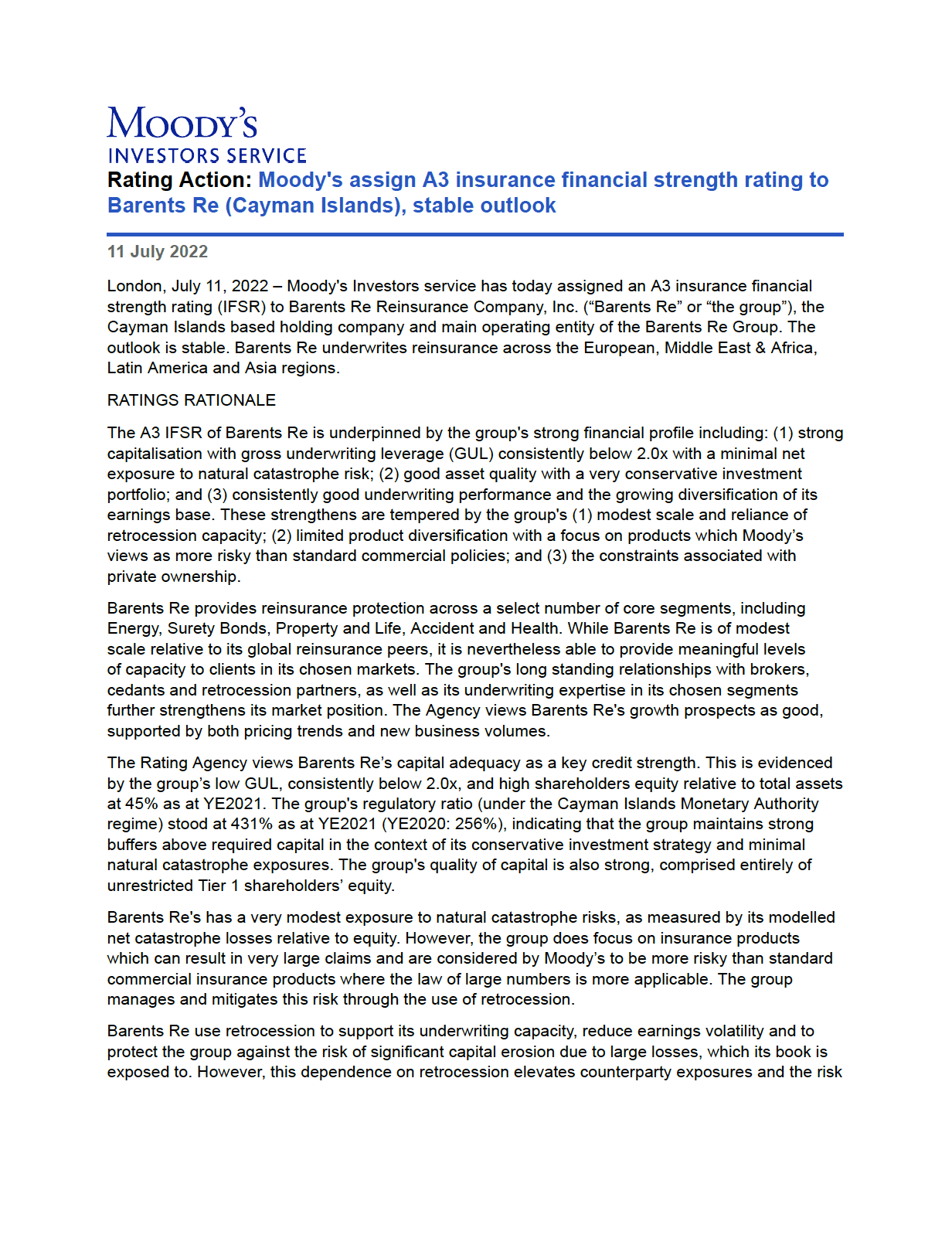
In 2026, the primary agencies used to evaluate the insurance industry remain A.M. Best, S&P Global Ratings, and Moody’s. Dairyland, through Sentry, consistently performs at the top of these scales.
A.M. Best: The Gold Standard
A.M. Best is the oldest and most widely recognized rating agency focused solely on the insurance industry. Sentry Insurance (and by extension, Dairyland) has maintained an A+ (Superior) rating for decades. This is the second-highest rating possible on their 13-point scale.
- Significance: An A+ rating indicates that the company has a "superior" ability to meet its ongoing insurance obligations.
- Financial Size Category: Sentry is typically categorized in Financial Size Category XV, which represents companies with adjusted policyholder surplus of $2 billion or more.
S&P Global Ratings
S&P Global often assigns Sentry a rating in the "A" range (typically A+). This reflects a strong capacity to meet financial commitments, bolstered by a very strong capital profile and a disciplined approach to underwriting in both the commercial and personal lines.
Weiss Ratings
While A.M. Best looks at a company’s ability to pay claims from the perspective of the industry, Weiss Ratings is known for a more consumer-centric, conservative approach. Even under Weiss’s stricter criteria, Sentry and its subsidiaries consistently rank in the "Excellent" or "Good" categories, highlighting a low probability of financial distress even during economic volatility.
Analyzing Financial Metrics in 2026
To go beyond the letter grades, we must examine the specific financial metrics that define an insurer's health. In 2026, analysts look at three primary indicators: the Combined Ratio, Policyholder Surplus, and Asset Quality.
1. The Combined Ratio
The combined ratio measures an insurer's underwriting profitability. It is calculated by adding the loss ratio (claims paid divided by premiums earned) and the expense ratio (operating costs divided by premiums earned).
- A ratio below 100% means the company is making an underwriting profit.
- A ratio above 100% means the company is paying out more in claims and expenses than it is taking in via premiums.
Dairyland benefits from Sentry’s historically disciplined underwriting, which aims for a combined ratio that hovers near or below the 100% mark. This ensures that the company does not rely solely on investment income to stay afloat.
2. Policyholder Surplus
This is the "rainy day fund" of the insurance world. It is the amount of assets remaining after all liabilities (including future claim reserves) are subtracted. In 2026, Sentry’s surplus remains multi-billion dollar strong. This surplus acts as a cushion against catastrophic events—such as widespread hurricanes or sudden spikes in litigation costs—that could otherwise drain a smaller insurer’s resources.
3. Asset Quality
How an insurer invests its premiums is just as important as how it collects them. Sentry maintains a conservative investment portfolio, primarily focused on high-quality bonds and diversified equities. This reduces the risk that a stock market crash would suddenly compromise the company's ability to pay auto insurance claims for Dairyland customers.
Comparison of Financial Rating Categories
| Agency | Rating | Meaning for Dairyland Policyholders |
|---|---|---|
| A.M. Best | A+ (Superior) | Exceptional ability to pay claims; top-tier stability. |
| S&P Global | A+ (Strong) | Very strong capacity to meet financial commitments. |
| Weiss Ratings | B+ to A | High safety level; resilient against economic downturns. |
| NAIC Ratio | Consistent | Low level of consumer complaints relative to market share. |
The Role of Reinsurance and Risk Management
No insurance company, regardless of its size, carries 100% of the risk itself. Financial strength is also determined by the quality of a company’s reinsurance program. Reinsurance is essentially "insurance for insurance companies."
Sentry Insurance utilizes a sophisticated reinsurance network to offload "tail risk"—those rare but extremely expensive events that could theoretically exceed the company's immediate cash flow. By spreading this risk among global reinsurers, Dairyland ensures that even a massive series of claims won't bankrupt the firm. In 2026, this risk-mitigation strategy is a hallmark of the Sentry Group, contributing heavily to their "Superior" rating.
Assessing Dairyland's Performance in the Non-Standard Market
The non-standard auto market is notoriously volatile. Because Dairyland specializes in high-risk drivers, their claim frequency is naturally higher than that of a standard insurer like Travelers or Chubb. However, Dairyland’s financial strength is actually more impressive because they have mastered the pricing models required for this niche.
Many smaller non-standard insurers fail because they underprice their policies to gain market share, only to find themselves underfunded when claims come due. Dairyland’s longevity (founded in 1953) proves that they have the actuarial expertise to price high-risk policies accurately. Their ability to remain profitable while insuring drivers that other companies reject is a testament to their operational stability.
Claims-Paying Ability and Consumer Protection
Financial strength is the technical term for "claims-paying ability." For the average driver, this means that if you are involved in an accident, Dairyland has the liquidity to pay the repair shop or the medical facility promptly.
Furthermore, Dairyland is a member of the Insurance Guaranty Association in the states where it operates. These state-run associations provide a final safety net for policyholders if an insurance company becomes insolvent. However, given Dairyland's current financial trajectory and the backing of Sentry, the likelihood of needing to rely on a guaranty fund in 2026 is statistically negligible.
Comparison with Competitors
When compared to other non-standard specialists—such as The General, SafeAuto (now part of Allstate), or Bristol West (part of Farmers)—Dairyland holds its own. While companies like Allstate and Farmers have larger total assets, Dairyland's focused expertise and the specific "Superior" rating of the Sentry Group often place it on a higher financial pedestal than smaller, independent high-risk insurers.
Drivers often find that while Dairyland's premiums may not always be the absolute lowest in the market, the premium is justified by the peace of mind that the company won't disappear during a financial crisis. In 2026, with increasing climate-related risks and rising vehicle repair costs due to advanced technology, this stability is a premium asset.
Common Challenges to Financial Stability
Even a strong company like Dairyland faces headwinds. In 2026, the primary challenges to their financial strength include:
- Social Inflation: The rising cost of insurance claims resulting from increased litigation and higher jury awards.
- Repair Costs: As vehicles become more complex (EVs and ADAS systems), the cost to repair even minor damage has skyrocketed.
- Market Competition: Large standard insurers are using increasingly sophisticated AI to cherry-pick the "best" of the high-risk drivers, potentially leaving specialists with the highest-risk individuals.
Dairyland combats these challenges through Sentry’s centralized data analytics, which allows for more precise risk assessment and fraud detection, preserving the capital surplus for legitimate claims.
FAQ: Financial Strength of Dairyland
What is Dairyland’s current A.M. Best rating in 2026?
Dairyland, through its parent Sentry Insurance, holds an A+ (Superior) rating. This rating has been maintained for decades, reflecting a long history of financial stability and a strong balance sheet.
Is Dairyland a reliable company for SR-22 insurance?
Yes. Dairyland is one of the leading providers of SR-22 filings in the United States. Their financial strength ensures that they can maintain the necessary filings with state DMVs and pay out any liabilities incurred while the policy is active.
How does Dairyland's mutual ownership benefit me?
Because Dairyland is part of Sentry, a mutual insurance company, there are no stockholders demanding dividends. Profits are instead reinvested into the company’s surplus or used to keep rates competitive, which enhances the company's overall financial security.
Does a high financial rating mean Dairyland has good customer service?
Not necessarily. A financial rating measures the company's "ability" to pay, not the "speed" or "friendliness" of their service. While Dairyland has a solid reputation for claims handling, you should consult the NAIC Complaint Index for insights into customer service performance.
What happens to my policy if Dairyland’s financial rating drops?
A rating drop (e.g., from A+ to A) usually doesn't affect your current coverage, but it may indicate growing risks within the company. If a company drops below a "B" rating, it is often a signal to begin shopping for a more stable provider.
Why should I care about Sentry Insurance if my policy says Dairyland?
Dairyland is a brand name used by Sentry. Your policy's ultimate financial backing comes from Sentry’s multi-billion dollar assets. Knowing the parent company's strength is the only way to truly assess the risk of your insurer going under.
Practical Recommendation for 2026
When assessing the financial strength of Dairyland Auto Insurance, the evidence is clear: they are among the most stable providers in the non-standard market. If you are a driver who requires an SR-22, has a lapse in coverage, or possesses a non-traditional driving record, Dairyland is a top-tier choice for financial security.
Before signing a policy, always verify the specific issuing company listed on your quote (e.g., Viking Insurance Company of Wisconsin) and double-check their current status on the A.M. Best website. For those prioritizing long-term solvency over the absolute lowest possible price, Dairyland’s "Superior" rating provides the necessary assurance that your claims will be honored, even in a volatile economic climate.