Art Bell was a pioneering American broadcaster best known for creating and hosting the nationally syndicated late-night radio program Coast to Coast AM. His unique approach to radio, which focused on the paranormal, fringe science, extraterrestrial life, and unconventional political theory, transformed the landscape of overnight talk radio and established a cultural phenomenon that persists well into 2026.
The Origins of a Radio Maverick
Arthur William Bell III was born in 1945 and developed an early fascination with radio, earning his amateur radio license while still a teenager. This technical foundation proved vital to his later success, as Bell was famously hands-on with the engineering of his broadcasts. Unlike many hosts who relied on professional producers to manage the technical complexities of a studio, Bell often operated his own soundboard and equipment, allowing him to maintain an intimate, unmediated connection with his listeners.
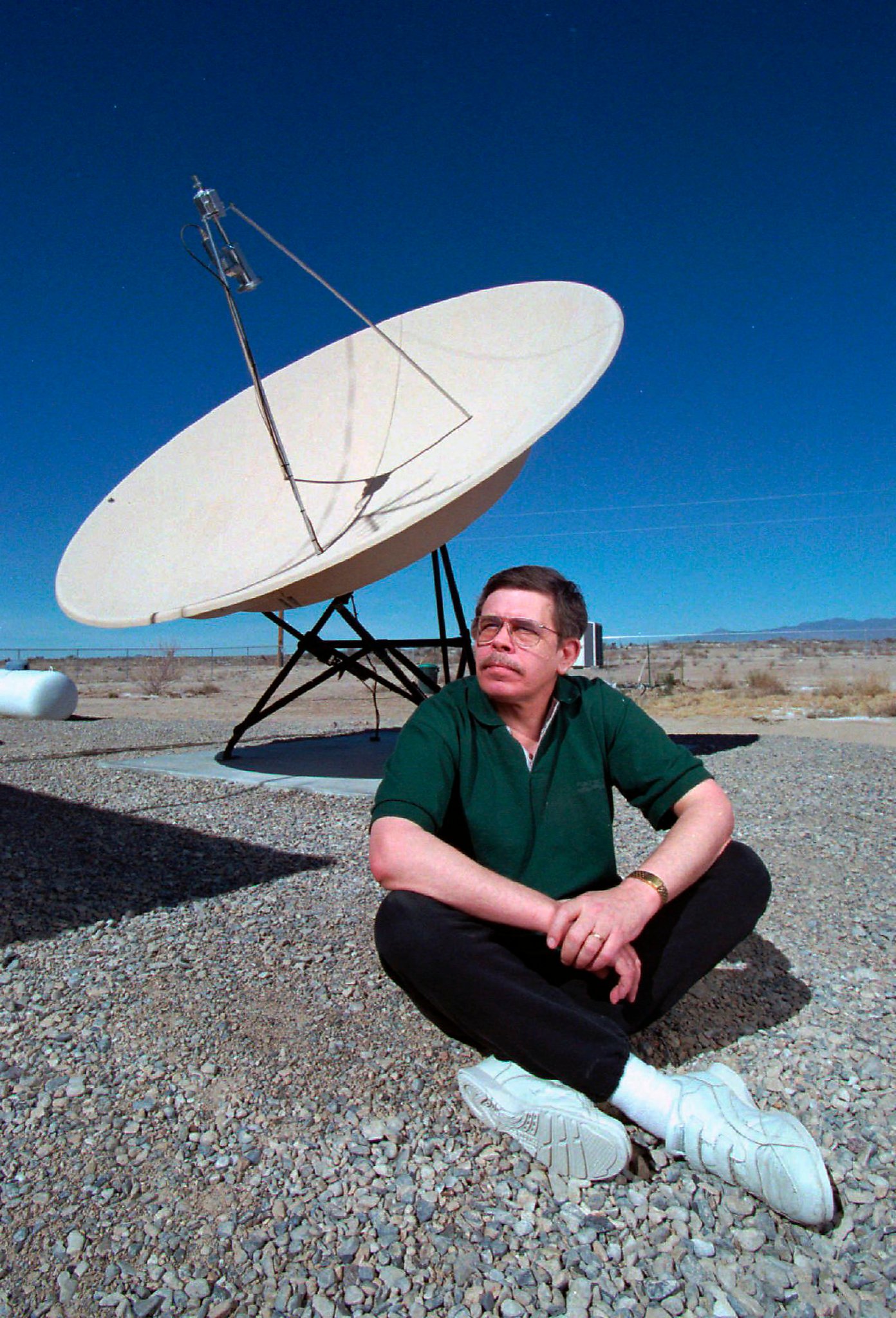
His journey through the radio industry was marked by various roles in news and music, but his true niche was discovered in the late 1980s. Working out of his home studio in Pahrump, Nevada, Bell began experimenting with a format that embraced the unexplained. By the early 1990s, Coast to Coast AM had begun its rapid ascent, eventually being carried by hundreds of stations across the United States.
The Coast to Coast AM Phenomenon
The core of Art Bell’s success was his ability to treat the most extreme topics with a blend of journalistic curiosity and genuine empathy for his guests. He created an environment where proponents of conspiracy theories, ufologists, and independent researchers felt heard.
Bell's show was structured around a format that prioritized long-form conversation. He did not rush guests through segments; instead, he allowed discussions to unfold over the course of hours. This structure was revolutionary for the time. While daytime talk radio was often defined by confrontational, short-burst political arguments, Bell’s show was atmospheric, often quiet, and deeply immersive. He utilized his isolation in the Nevada desert to create a "lone voice in the darkness" persona, which resonated with shift workers, truck drivers, and the insomniac public.
Defining the Show’s Signature Elements
Several distinct features defined the listening experience of Coast to Coast AM during the height of Bell's tenure:
- Open Lines: Perhaps the most famous segment of the show, "Open Lines," allowed listeners to call in with their own experiences, ranging from UFO sightings to accounts of ghosts or strange phenomena. Bell acted as a neutral moderator, validating the caller's experience without necessarily endorsing the scientific accuracy of their claims.
- The Ghost to Ghost Specials: Held annually around Halloween, these marathon broadcasts were dedicated entirely to callers sharing ghost stories. This became a cultural touchstone, cementing the show's reputation as the premier source for nocturnal entertainment.
- Technical Amateurism as Art: Bell frequently engaged with his audience regarding the technical aspects of broadcasting. When signal issues arose or equipment malfunctioned, he would openly troubleshoot on-air, which built a layer of trust and authenticity that modern, highly produced radio often lacks.
- Subject Diversity: From the Mel’s Hole mystery to the persistent discussion of Area 51, Bell was instrumental in bringing fringe topics into the mainstream conversation.
Comparing Traditional Talk Radio and the Bell Format
| Feature | Conventional Talk Radio | Art Bell’s Approach |
|---|---|---|
| Pacing | Rapid, confrontational | Patient, immersive |
| Topic Focus | Daily news, partisan politics | Paranormal, science, mystery |
| Callers | Often filtered for conflict | Open, storytelling-focused |
| Atmosphere | Energetic, loud | Atmospheric, intimate |
| Host Persona | Authoritative pundit | Curious, neutral listener |
The Evolution of Paranormal Radio in the Digital Age
As of 2026, the model established by Art Bell has been significantly adapted for the digital era. While linear radio continues to carry the Coast to Coast AM brand, much of the community that Bell built has migrated to podcasting and streaming platforms.
The primary difference today is the removal of the gatekeeper. During the 1990s and early 2000s, Art Bell acted as a centralized filter for fringe ideas. Today, anyone can host a podcast on the same topics, leading to a broader but more fragmented landscape. However, the foundational techniques that Bell pioneered—specifically the emphasis on long-form, uninterrupted narrative—have become the gold standard for modern podcasting across all genres, not just the paranormal.
Challenges and Controversies
Bell’s career was not without significant turbulence. His show was frequently embroiled in controversy due to the nature of the content and the guests he invited. Critics often accused him of providing a platform for misinformation or pseudoscience. Bell’s standard response was that his show was "entertainment," and he invited listeners to "decide for themselves."
Furthermore, his career was marked by several voluntary retirements, often precipitated by personal struggles, health issues, or dissatisfaction with the syndication business. These departures became legendary in their own right, with Bell often returning to the airwaves after months of absence, each time returning to a massive, expectant audience that had waited for his voice to return to the night.
Strategic Influence on Contemporary Media
The influence of Art Bell on modern media is difficult to overstate. He effectively created the blueprint for "niche-interest long-form broadcasting." Before the advent of the internet as a primary information hub, he functioned as a search engine for the strange. If someone had an unusual experience, Coast to Coast AM was the only place to share it with a national audience.
For those looking to understand his influence, consider the following:
- Audience Retention: Bell demonstrated that a niche audience could be monetized and grown to national scale without catering to the "lowest common denominator."
- Narrative Arc: He understood the power of the "slow build," creating mystery by withholding information until the right moment.
- Community Building: He turned his listeners—affectionately referred to as "The Coast to Coast AM listeners"—into a community that felt invested in the show’s ongoing success.
Frequently Asked Questions
What made Art Bell’s style of radio interviewing unique? Bell’s style was defined by his role as a facilitator rather than a combatant. He listened far more than he spoke, often staying silent for long periods while guests explained complex or bizarre theories, interjecting only to ask a clarifying question or to prompt the guest to elaborate further.
Was Art Bell a journalist or an entertainer? Bell consistently identified himself as an entertainer. While he covered subjects that were often treated as news by his listeners, he did not adhere to traditional journalistic standards of verification, preferring to let the audience determine the truth for themselves.
How did Art Bell impact the rise of modern podcasts? The long-form, deep-dive interview format pioneered by Bell is the direct ancestor of today's popular podcasting formats. His success proved that audiences were willing to spend multiple hours listening to a single conversation, provided the subject matter was engaging enough.
Where can one hear Art Bell’s legacy today? While the original Coast to Coast AM continues with different hosts, there are extensive archives of Bell’s past broadcasts available through various streaming services and dedicated fan sites that curate his most famous interviews and "Open Lines" segments.
Did Art Bell ever cover mainstream politics? Yes, but typically through his unique lens. He often focused on theories regarding government secrecy, clandestine agencies, and the "New World Order," which allowed him to bridge the gap between political commentary and the paranormal.
Final Recommendations for Further Exploration
For listeners or media students interested in the history of broadcasting, the best way to understand Art Bell is to listen to the archival recordings of his "Open Lines" segments. These segments reveal his true genius: the ability to manage hundreds of thousands of people, technical failures, and bizarre callers, all while maintaining a calm, authoritative, and welcoming presence on the air.
To engage with this history, start by searching for his archives on major digital audio platforms. Focus on programs aired between 1994 and 1998, as these years are widely considered the zenith of his creative output. By analyzing the cadence, the pacing, and the way he interacted with his audience, one gains a comprehensive understanding of why he remains the most significant figure in the history of American late-night radio.