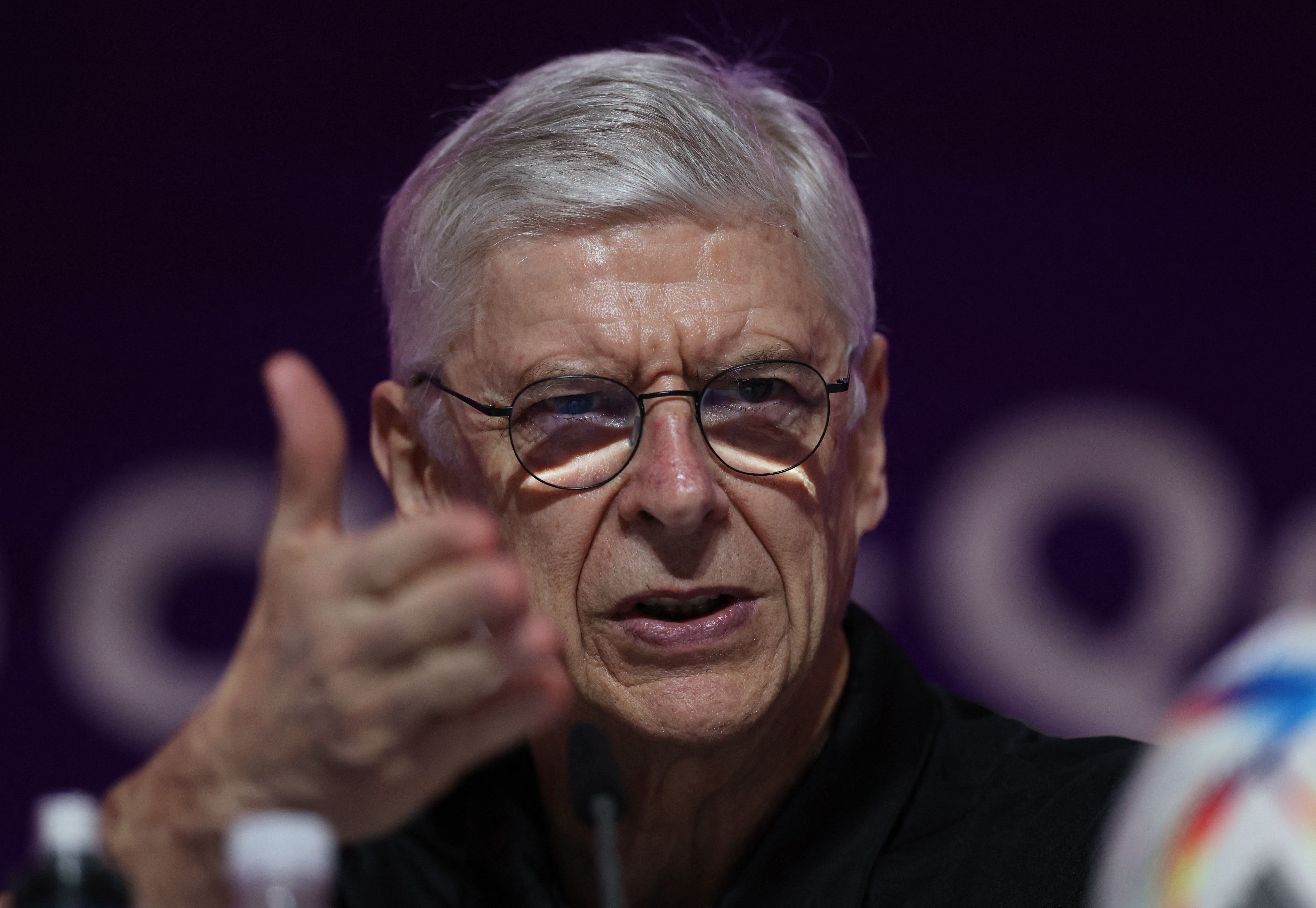
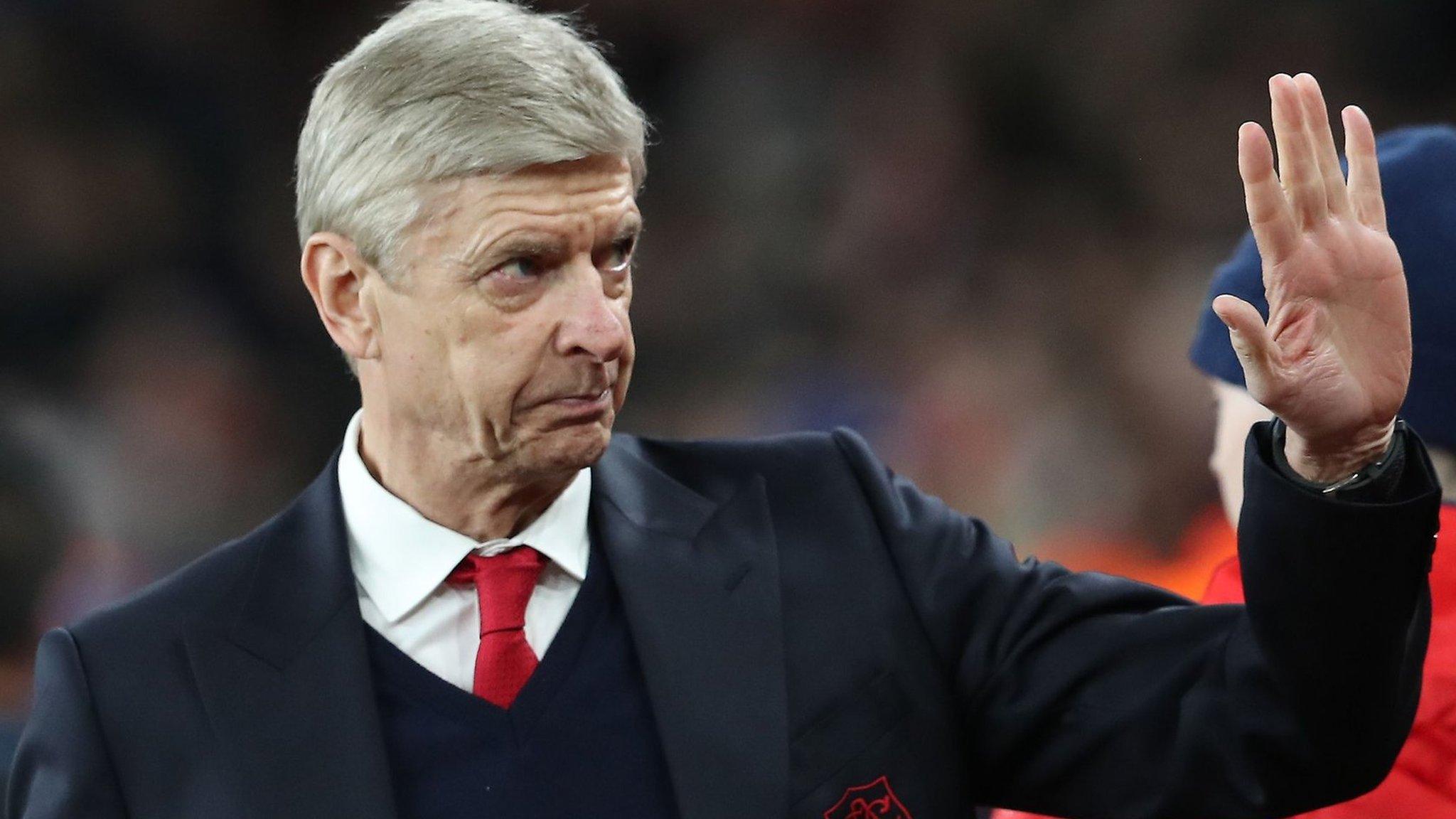
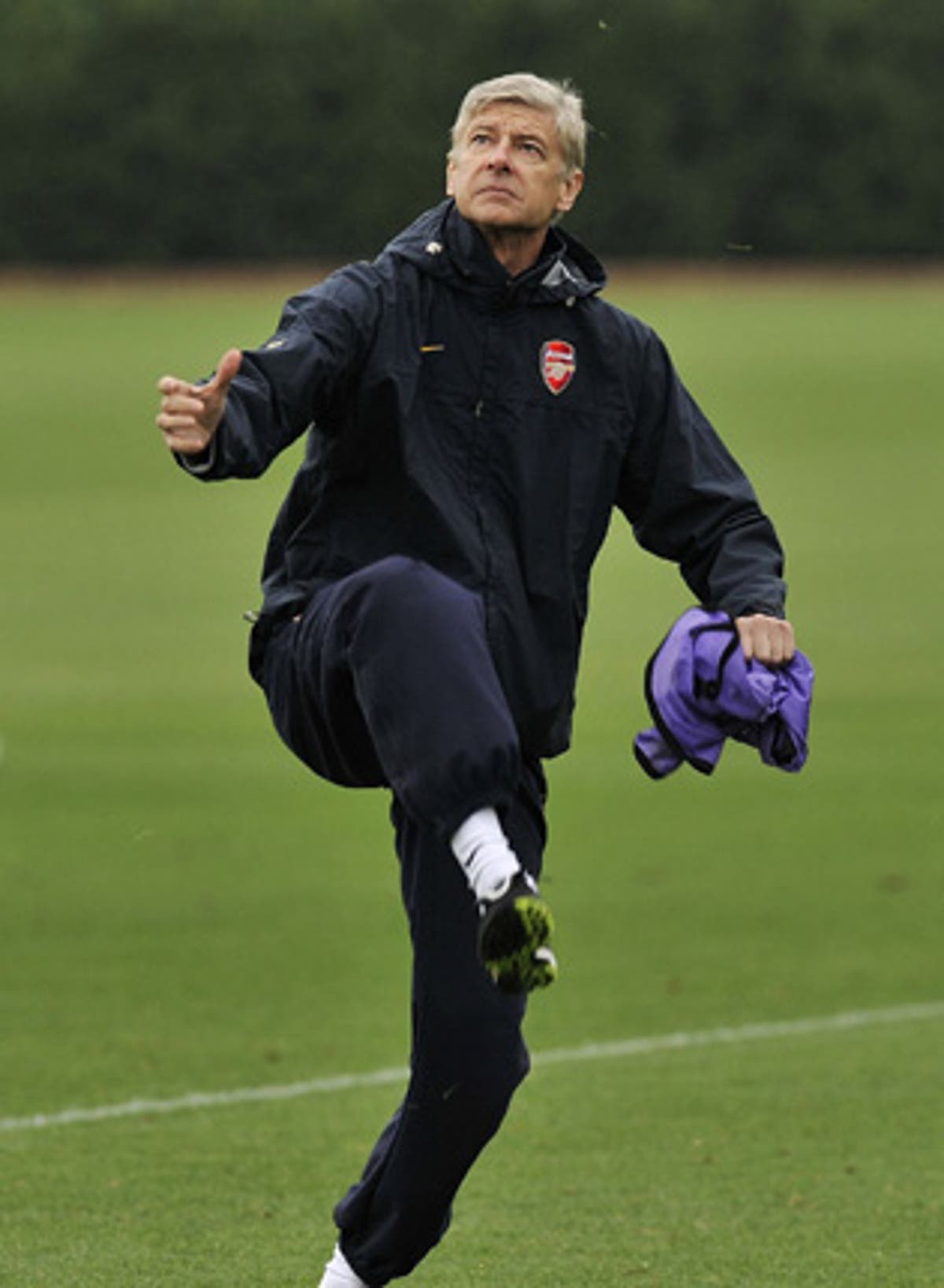
Arsène Wenger secured a total of 17 major competitive trophies during his distinguished 22-year tenure as manager of Arsenal Football Club. This haul includes three Premier League titles, seven FA Cups, and seven FA Community Shields. His legacy is defined by these honors alongside a fundamental transformation of English football’s tactical, dietary, and scouting standards.
The Landscape of the Wenger Era (1996–2018)
When Arsène Wenger arrived at Arsenal in September 1996, he was a relative unknown to the English media, famously greeted with the headline "Arsène Who?" over a picture of the Frenchman. At the time, the English game was defined by high-intensity physicality and a traditional approach to player fitness. Wenger, arriving from Nagoya Grampus Eight in Japan via a successful stint at AS Monaco, brought a revolutionary approach that integrated sports science with a flair for technical, expansive football.
Understanding Wenger’s trophy count requires distinguishing between major honors—those recognized by the footballing establishment as the primary indicators of a manager's success—and domestic secondary competitions. While his trophy cabinet at Arsenal stands at 17, his career as a manager spans further, including his earlier successes in France and Japan. However, the search intent regarding "Wenger’s total trophies" almost exclusively focuses on his transformative period in North London.
Breaking Down the 17 Arsenal Trophies
The 17 major trophies Wenger won at Arsenal can be categorized by the weight of the competition. While Community Shield victories are technically major honors, they are historically viewed as season-openers rather than primary target achievements. The core of his success remains the Premier League and the FA Cup.
The Premier League Titles (3)
Wenger’s league titles represent the pinnacle of his managerial career.
- 1997–98: In his first full season, Wenger achieved the "Double," winning both the Premier League and the FA Cup. This signaled the end of Manchester United’s total dominance and showcased Wenger's ability to revitalize an existing squad.
- 2001–02: A hallmark of efficiency, this season saw Arsenal win the title with a remarkable record, remaining undefeated away from home for the entire league campaign.
- 2003–04: The "Invincibles." This remains perhaps the greatest achievement in modern English football history. Arsenal went the entire 38-game Premier League season without a single defeat, recording 26 wins and 12 draws.
The FA Cup Record (7)
Wenger holds the record for the most FA Cup victories by a manager in the history of the competition. His ability to navigate the tournament—which relies on high-pressure, single-elimination matches—demonstrated a pragmatism often overlooked by his critics. His triumphs occurred in:
- 1998, 2002, 2003, 2005, 2014, 2015, and 2017.
The FA Community Shield (7)
While these are often contested between the league champions and the FA Cup holders, they provide a measure of consistency. Wenger’s teams secured the shield in 1998, 1999, 2002, 2004, 2014, 2015, and 2017.
Trophies Comparison Table
The following table summarizes the competitive major honors earned by Arsène Wenger during his time at Arsenal, categorized by type and frequency.
| Trophy Type | Total Wins | Significant Years |
|---|---|---|
| Premier League | 3 | 1998, 2002, 2004 |
| FA Cup | 7 | 1998, 2002, 2003, 2005, 2014, 2015, 2017 |
| FA Community Shield | 7 | 1998, 1999, 2002, 2004, 2014, 2015, 2017 |
| Total Major Honors | 17 | 1996–2018 Tenure |
Contextualizing "Missing" Honors: The European Hurdle
It is impossible to analyze Wenger’s trophy haul without addressing the most glaring omission: the UEFA Champions League. While Wenger reached the final in 2006, Arsenal were defeated 2–1 by FC Barcelona in Paris. This remains the defining "what if" of his career.
Throughout his tenure, particularly during the construction of the Emirates Stadium, Wenger faced severe financial constraints. Between 2006 and 2013, Arsenal operated under a strict "self-sustaining" business model to pay off the debt incurred by the stadium move. During this period, the club’s ability to compete in the transfer market was significantly hindered, which makes the 2014, 2015, and 2017 FA Cup wins particularly noteworthy. They represent a manager maximizing limited resources to achieve silverware despite the financial dominance of state-backed or billionaire-owned rivals.
The Technical Impact: Why Trophies Do Not Tell the Whole Story
Wenger’s legacy is often debated in terms of "trophies per season," but to look only at the 17 trophies is to ignore his technical contribution to the sport.
- Diet and Nutrition: Upon his arrival, Wenger banned alcohol in the dressing room and overhauled the canteen menu, favoring boiled chicken and steamed vegetables over the traditional "meat and two veg" and beer-heavy diets common in 1990s English football.
- Training Regimens: He introduced intensive stretching, recovery protocols, and tactical drills that prioritized ball retention over the "long-ball" style prevalent in the UK at the time.
- Global Scouting: Wenger utilized his encyclopedic knowledge of world football to bring talent from French leagues and smaller European markets, identifying players like Patrick Vieira, Thierry Henry, and Robert Pires who were not yet recognized globally.
Common Misconceptions Regarding the Total Count
A common point of confusion for fans arises when comparing Wenger to managers who have won more league titles or European honors. The discrepancy usually stems from the inclusion or exclusion of the FA Community Shield. In some statistical records, the Community Shield is relegated to "super cup" status or a curtain-raiser, leading some to cite his count as 10 major trophies rather than 17.
However, under the official rules of the Football Association, the Community Shield is a competitive match, not a friendly. It is the accepted practice in football history and within the official Arsenal club archives to include these seven victories as official honors.
Frequently Asked Questions
1. Does Arsène Wenger have any trophies from his time managing Monaco? Yes, before joining Arsenal, Wenger managed AS Monaco, where he won the Ligue 1 title in 1987–88 and the Coupe de France in 1990–91. These are not included in the "17 trophies" count because that figure specifically refers to his tenure at Arsenal.
2. Are the FA Community Shield wins counted by official statisticians? Yes. The FA records the Community Shield as a competitive tournament. While it is lower in prestige than the League or the FA Cup, it is recognized as an official title in the professional game.
3. Why did Wenger stop winning trophies between 2005 and 2014? This period coincides with the "Emirates Stadium era." The financial commitment required to build the new stadium meant Wenger had a limited budget for transfers and had to focus on developing young talent rather than signing established world-class players.
4. Did Wenger ever win the Champions League? No. His closest attempt was the 2006 final, where Arsenal lost to Barcelona. He did, however, lead Arsenal to the UEFA Cup final in 2000, which they lost on penalties to Galatasaray.
5. How many league titles did he win total? Wenger won three Premier League titles with Arsenal. If you include his time in France, he won one Ligue 1 title with Monaco.
Recommendation for Further Study
To fully appreciate the scope of Wenger’s work beyond the trophy count, one should analyze the 2003–04 "Invincibles" season statistics in comparison to the tactical shifts in modern European football. Reviewing the official Arsenal history archives regarding his transfer signings provides the most accurate data on how he balanced the need for immediate silverware with the long-term financial health of the club. For those looking to understand the transition from "old-school" management to the modern, data-driven approach, Wenger’s tenure serves as the primary case study for the English game.