Vienna, often recognized as a global capital of culture and history, hosts several world-renowned institutions for higher education in the arts. Prospective students seeking to refine their creative practice can choose from specialized public universities, such as the Academy of Fine Arts Vienna or the University of Applied Arts Vienna, which offer rigorous degree programs across painting, design, architecture, and contemporary media.
The Landscape of Artistic Higher Education in Vienna
Vienna serves as a historical and contemporary hub for the fine arts, benefiting from a tradition that dates back to the establishment of the imperial academies. For students in 2026, the city offers a unique blend of institutional prestige and contemporary experimentation. Unlike systems that focus heavily on standardized testing, Austrian art schools emphasize the "master class" system, where students work closely with established artists and designers in specialized studios.
The primary institutions in Vienna are state-funded, ensuring that tuition remains accessible compared to private international counterparts. However, admission is highly competitive and is typically based on the submission of a portfolio followed by a rigorous entrance examination. This process is designed to assess not only technical proficiency but also conceptual depth, critical thinking, and the potential for artistic development.
Major Public Institutions for the Arts
1. Academy of Fine Arts Vienna (Akademie der bildenden Künste Wien)
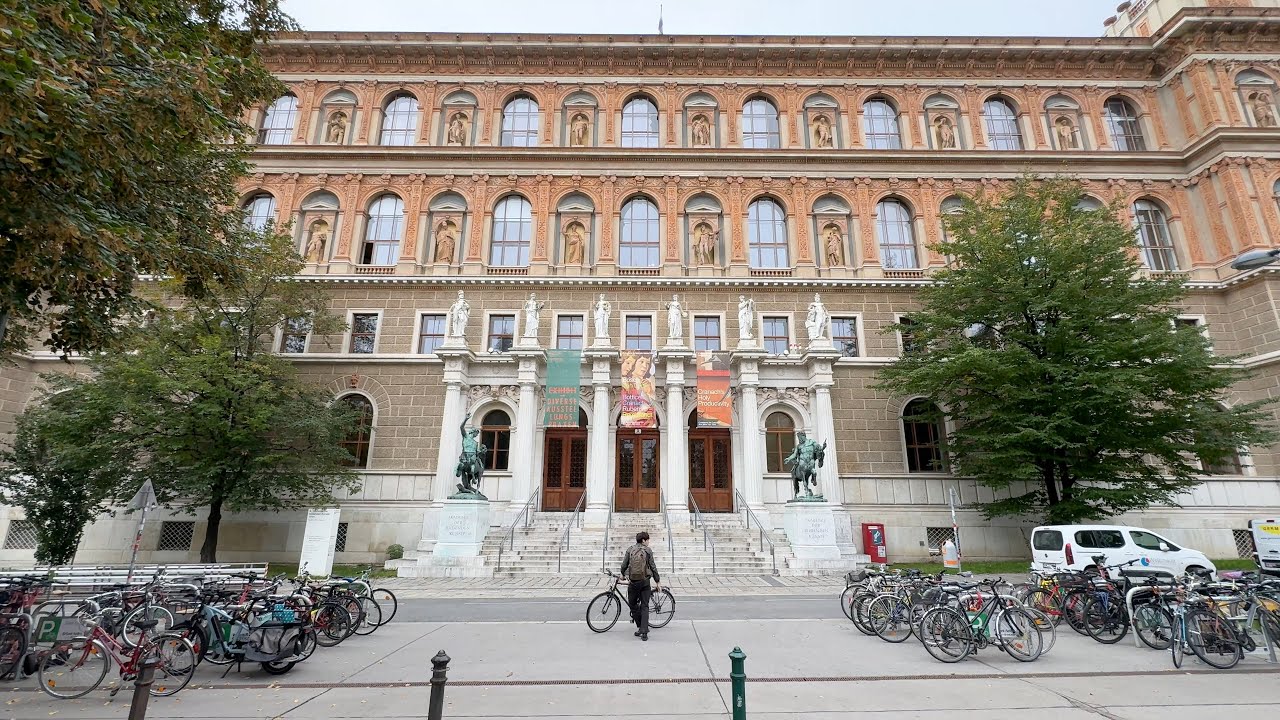
Founded in 1692, the Academy of Fine Arts is one of the oldest and most prestigious art institutions in Europe. It focuses on the traditional and contemporary fine arts, including painting, sculpture, printmaking, and conceptual art, as well as restoration and conservation.
- Key Focus: Academic excellence combined with contemporary theory.
- Structure: The school is organized into institutes representing various fine art disciplines.
- The Admission Process: Applicants must upload a portfolio of original work via the school’s digital application portal. If pre-selected, candidates are invited to an in-person assessment, which may involve practical tests in the studio and a personal interview to discuss the applicant’s artistic trajectory and goals.
2. University of Applied Arts Vienna (Die Angewandte)
The University of Applied Arts focuses on the intersection of art and utility. Its curriculum spans design, architecture, fashion, industrial design, and media arts. It is known for its transdisciplinary approach and its strong connection to the commercial and industrial sectors of the art world.
- Key Focus: The synthesis of aesthetic design, social relevance, and technical application.
- Structure: It hosts several specialized departments that encourage collaboration across different creative fields.
- The Admission Process: Similar to other state institutions, the "Angewandte" requires a portfolio that demonstrates both versatility and a clear focus in a chosen field. The entrance examination often tests the student's ability to respond to specific design prompts under time constraints.
3. University of Music and Performing Arts Vienna (mdw)
While primarily centered on music, the mdw is a vital component of Vienna’s creative ecosystem. For students focusing on film, theater, or sound design, this institution provides the essential technical and theoretical training required for a professional career in the performing arts.
Comparison of Primary Art Institutions
The following table summarizes the primary differences between the major institutions to help prospective students align their academic goals with the appropriate school.
| Institution | Primary Focus Areas | Typical Program Length | Admission Requirement Level |
|---|---|---|---|
| Academy of Fine Arts | Painting, Sculpture, Conceptual Art, Conservation | 4–5 Years (Diploma/Master) | Extremely Competitive |
| University of Applied Arts | Industrial Design, Fashion, Architecture, Media | 4–5 Years (Diploma/Master) | High |
| University of Music (mdw) | Film, Theater, Sound Design, Music Production | 3–5 Years (Bachelor/Master) | High (Audition Based) |
Prerequisites and Eligibility Requirements
Eligibility for enrollment in a Viennese art school is standardized but requires careful documentation. As an international student, you must meet both academic and language requirements.
Academic Prerequisites
Most programs are structured as Diploma programs (which function similarly to combined Bachelor’s and Master’s degrees in other systems). To apply, you generally need a document equivalent to an Austrian secondary school leaving certificate (e.g., A-Levels, IB, or a recognized high school diploma). If your secondary education was completed outside of the European Union, you may need to provide additional proof of eligibility for university studies in your home country.
Language Proficiency
While many Master's-level courses or research projects are conducted in English, the majority of undergraduate-level instruction is in German. Prospective students should ideally aim for a B2 or C1 level of German proficiency according to the Common European Framework of Reference for Languages (CEFR). Verify the specific language requirements on the website of your target faculty, as some departments allow for partial English submissions, while others mandate full German fluency for admission.
Financial Considerations and Costs
One of the most significant advantages of studying in Vienna is the relatively low cost of tuition. Public universities in Austria charge nominal fees for students from the European Union (EU) and the European Economic Area (EEA). For students from outside the EU/EEA, tuition fees are higher but generally remain significantly lower than the costs associated with private art schools in North America or the UK.
Beyond tuition, students must account for the cost of living in Vienna. This includes:
- Accommodation: Rent in Vienna can range from €450 to €800 per month for a student dormitory or shared apartment.
- Materials: Art supplies, software licenses, and studio equipment are usually self-funded by the student.
- Health Insurance: Students are required to maintain valid health coverage. International students often opt for the affordable student insurance provided through the Austrian social security system (ÖGK).
Step-by-Step Application Roadmap
- Selection: Identify the specific department or "Master Class" that aligns with your practice. Research the professors and the current body of work produced by the department.
- Portfolio Preparation: Prepare a digital portfolio (PDF) and a physical one if requested. Ensure your work showcases a coherent conceptual thread rather than just technical skill.
- Application Portal Submission: Submit all documentation, including your CV, letter of motivation, and academic certificates, through the school’s digital portal during the designated registration window, which usually occurs between February and April for the following academic year.
- Entrance Examination: If the portfolio is approved, you will be invited to the entrance exam. This may require traveling to Vienna. Prepare for interviews where you must articulate your process, influences, and future goals.
- Enrollment: Upon successful admission, you will receive a notification of acceptance. You must then register in person at the university, provide health insurance proof, and pay the semester tuition fee to finalize enrollment.
Troubleshooting Common Application Issues
- Portfolio Mismatch: A common reason for rejection is an unfocused portfolio. Admissions committees look for a clear artistic direction. Ensure your portfolio reflects a consistent theme or a deep engagement with a specific medium.
- Visa Delays: For non-EU students, the residency permit process can take several months. Begin your application for the student visa immediately upon receiving your notification of admission from the university.
- Missing Documents: Ensure that all international diplomas are translated into German or English by a certified, court-sworn translator. Non-notarized or non-translated documents are typically cause for immediate disqualification.
Frequently Asked Questions
Does a degree from a Viennese art school guarantee employment? No, but it provides essential networking opportunities. Vienna's art scene is tightly knit; the mentorship provided by professors—who are often active professionals—is a primary gateway into the gallery, design, or film industries. Success depends on individual initiative, building a professional network during studies, and the quality of your post-graduation portfolio.
Can I apply if I don't speak German? While some programs offer English-language tracks, the daily studio culture and administrative processes in Vienna are primarily conducted in German. If you do not speak German, you will find it extremely challenging to navigate the bureaucracy and engage fully in your department. It is highly recommended to reach at least a B2 level before applying.
Are there scholarships for international students? Yes, various scholarships are available through the Austrian Agency for International Cooperation in Education and Research (OeAD). These scholarships cover specific demographics or areas of research. It is advised to check the OeAD website early in your planning process, as deadlines are strictly enforced.
What is the "Master Class" system? The master class system is a hallmark of Austrian art education. Instead of a rigid curriculum, students join the class of a specific, high-profile professor. The student remains under the guidance of this mentor for several years, allowing for a deep, consistent exchange of ideas and professional development.
Recommendation for Prospective Applicants
If you are serious about pursuing an artistic career in Vienna, start by building your professional portfolio at least one year in advance. Do not wait for the application window to open to refine your statement of intent. Instead, connect with current students or attend open house events (often held in spring) to gain a firsthand understanding of the specific departmental culture.
Visit the official websites of the Academy of Fine Arts and the University of Applied Arts as your primary sources of truth, as deadlines and language requirements for individual degree programs are subject to change. Prioritize your German language acquisition immediately, as this will be your single greatest advantage during both the examination process and your eventual integration into the Viennese creative community.