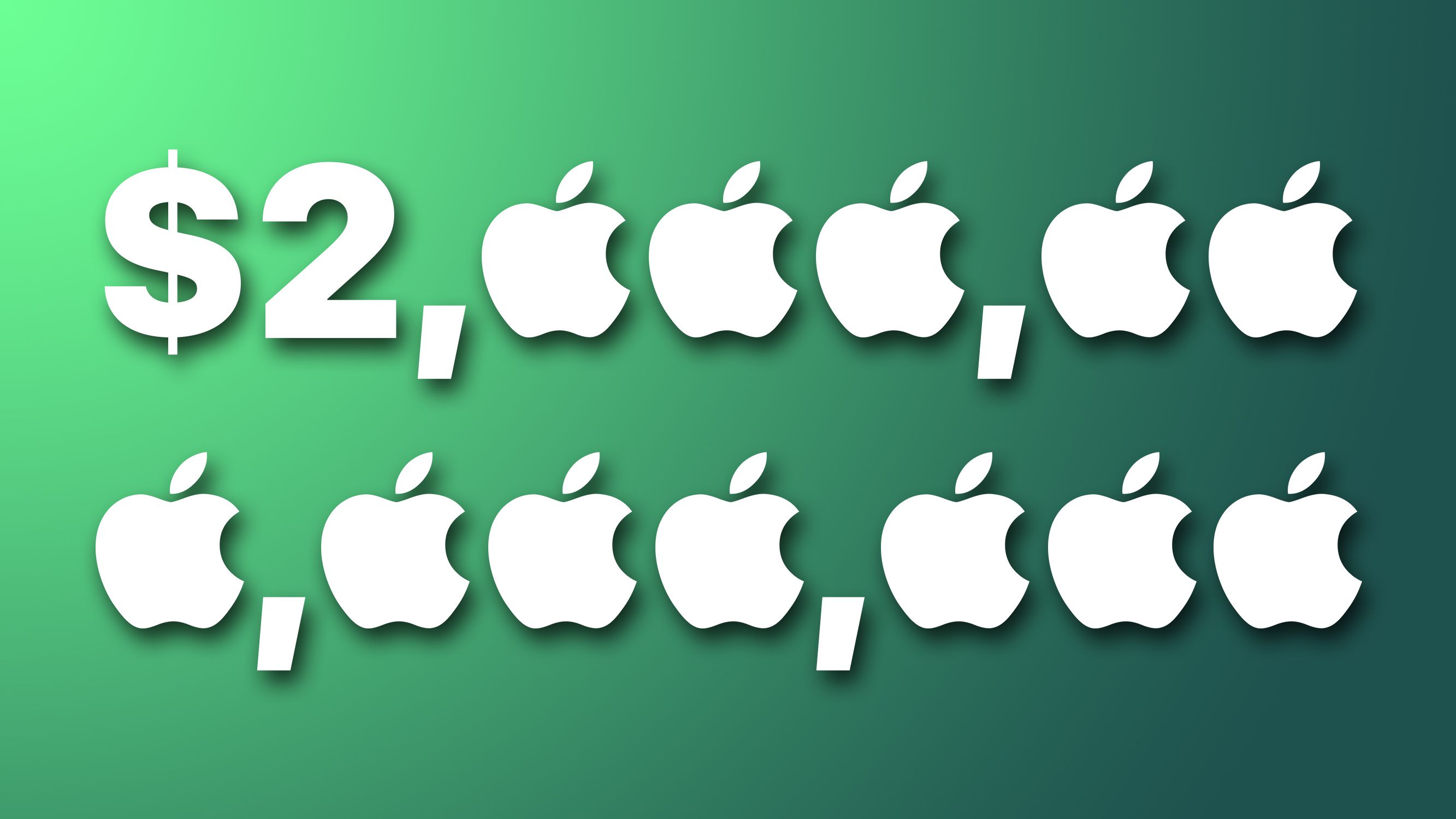
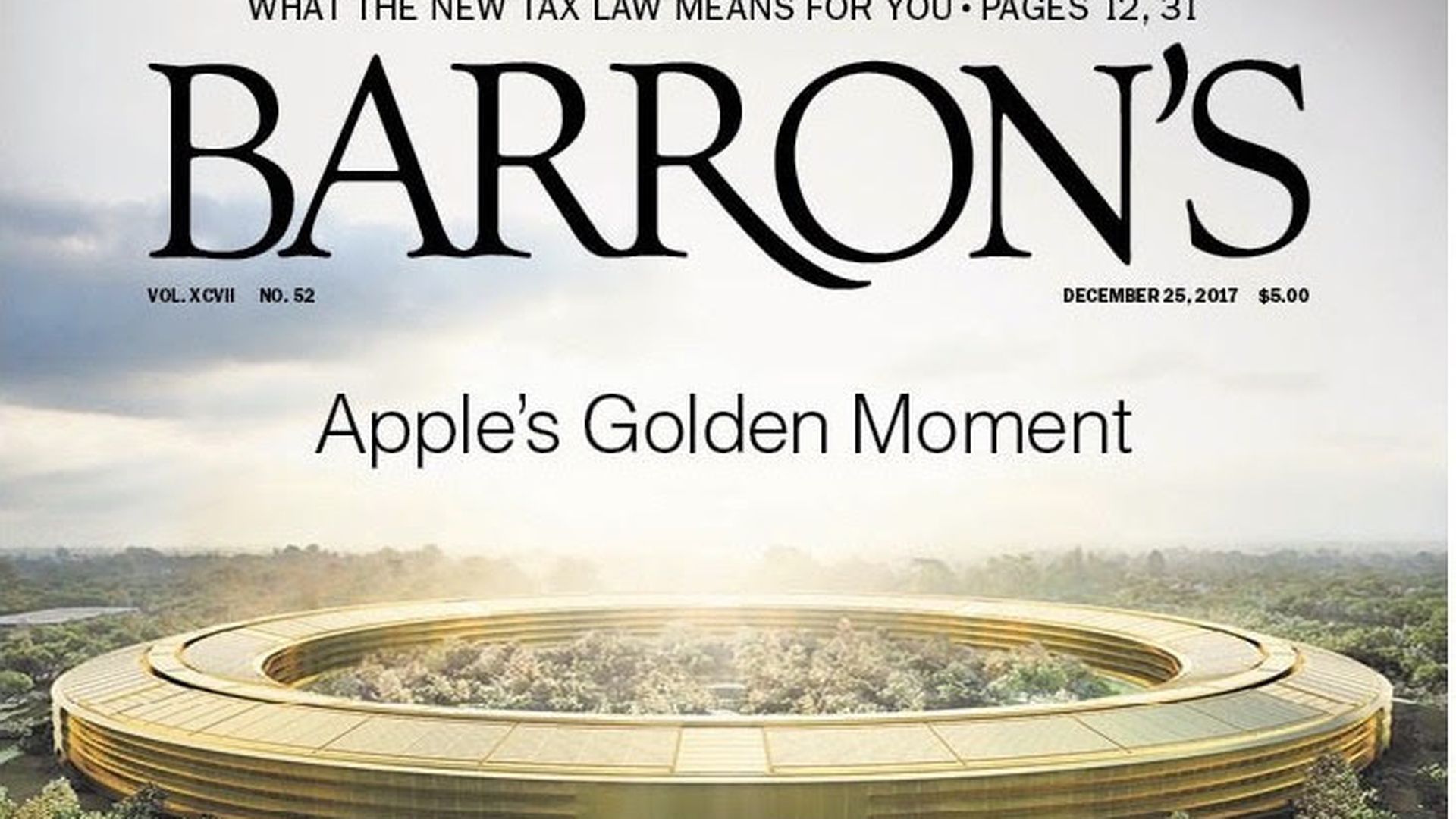
In August 2020, Apple Inc. became the first publicly traded U.S. company to reach a market capitalization of $2 trillion, a historic milestone confirmed by reporting from The New York Times and other major financial outlets. This achievement reflected the company’s sustained growth, investor confidence during the global pandemic, and the dominance of its integrated hardware and services ecosystem.
The Mechanics of Market Capitalization
Market capitalization is a fundamental metric used by investors to determine the size and value of a publicly traded company. It is calculated by multiplying the total number of a company’s outstanding shares by the current market price of one single share. When Apple reached the $2 trillion mark in August 2020, it meant that the aggregate value of all its shares reached that historic threshold, signaling immense market optimism regarding its future earnings potential and operational stability.
The 2020 valuation did not occur in a vacuum. It was the result of a long-term strategy that prioritized a "walled garden" approach, where hardware products like the iPhone, iPad, and Mac created a gateway for high-margin services such as the App Store, iCloud, and Apple Music. By locking users into an interconnected environment, Apple ensured recurring revenue streams that became increasingly attractive to investors, particularly during the volatile economic landscape of the early 2020s.
Historical Context: The Path to 2 Trillion
To understand the significance of the 2020 milestone, one must look at the trajectory of Apple’s valuation. The company famously hit the $1 trillion mark in August 2018, becoming the first U.S. company to reach that level. It took Apple roughly 42 years to reach its first trillion dollars of market value, but only two years to reach the second.
This accelerated growth was driven by several factors:
- Expansion of the Services Segment: Apple successfully transitioned from a company defined strictly by hardware sales to a services-oriented enterprise. This shift provided a buffer against fluctuating hardware demand.
- The Global Pandemic Catalyst: The 2020 COVID-19 pandemic forced a shift toward remote work and digital communication. Apple’s products became essential tools for productivity, entertainment, and connectivity, leading to a surge in demand that drove stock prices to new heights.
- Stock Buybacks and Capital Allocation: Apple’s aggressive share repurchase programs reduced the total number of outstanding shares, which increased earnings per share (EPS) and often supported the stock price, contributing to the rising market cap.
Financial Reporting and Public Scrutiny
The New York Times, among other financial journalists, documented this rise with a focus on the broader implications for the U.S. stock market. At the time, the concentration of value in a handful of technology companies—often grouped as "Big Tech"—became a topic of intense debate among regulators and economists.
The $2 trillion valuation raised questions regarding market concentration. When a single company represents such a massive portion of an index like the S&P 500, its performance dictates the movement of the entire market. For investors, this creates a unique risk profile; while the stock is viewed as a "safe haven" due to its massive cash reserves, it is also highly susceptible to regulatory scrutiny regarding antitrust practices and data privacy.
Comparative Market Milestones
To better understand the magnitude of Apple's 2020 achievement, it is helpful to look at how market leaders compare in their growth timelines.
| Company | Milestone Year | Context |
|---|---|---|
| Apple | 2018 | First US company to reach $1 trillion market cap. |
| Apple | 2020 | First US company to reach $2 trillion market cap. |
| Microsoft | 2021 | Crossed the $2 trillion valuation threshold. |
| Alphabet | 2022 | Reached a $2 trillion market valuation. |
| Apple | 2022 | Briefly reached a $3 trillion market valuation. |
The table above demonstrates that while Apple was the first to cross these thresholds, it created a blueprint for other tech giants. By the time Apple hit $2 trillion, investors had already begun pricing in the future dominance of cloud computing, artificial intelligence, and digital ecosystem loyalty, which allowed other firms to follow suit shortly thereafter.
Analyzing the "Big Tech" Investment Logic
Investors who fueled Apple's rise to $2 trillion in 2020 were largely driven by the company’s "fortress balance sheet." Unlike many other high-growth tech firms that burn through cash, Apple maintained massive cash reserves. This liquidity allowed the company to:
- Fund R&D: Consistently iterate on the A-series chips, leading to the eventually successful transition to Apple Silicon (M-series) in late 2020.
- Weather Economic Downturns: Maintain operations and dividends even when consumer spending in other sectors stalled.
- Invest in Infrastructure: Expand its global supply chain and retail presence, further cementing its position against global competitors.
Regulatory and Antitrust Considerations
The growth that led to the $2 trillion mark also invited scrutiny. The New York Times and other outlets noted that as Apple grew larger, it faced increased investigations from the European Commission and the U.S. Department of Justice. The primary concern was the App Store commission structure—often referred to as the "Apple Tax"—and whether Apple’s control over its ecosystem hindered fair competition for third-party developers.
This period marked a transition in the public perception of Apple: from a beloved consumer brand to a powerful, systemic economic entity whose internal policies had the power to impact the broader global economy.
Key Questions Regarding Apple’s Market Valuation
Why is market capitalization important for the average investor? Market capitalization provides a snapshot of a company’s size. It helps investors determine the risk and potential growth of an asset. A company with a $2 trillion valuation, like Apple in 2020, is generally considered a "mega-cap" stock, offering high stability but potentially slower growth compared to smaller firms.
How did the 2020 pandemic influence Apple’s stock price? The pandemic acted as a digital accelerant. With people working from home and practicing social distancing, the demand for iPads for education and MacBooks for work reached an all-time high. Apple’s ability to pivot its supply chain to meet this unexpected demand served as a major driver for the valuation surge.
Is reaching a multi-trillion dollar valuation a guarantee of future performance? No. A market valuation reflects the market’s expectation of future earnings, not a guarantee. Factors such as product innovation cycles, consumer sentiment, global trade tensions, and regulatory updates can quickly adjust investor outlooks regardless of previous milestones.
What is the significance of "Market Cap" vs "Revenue"? Revenue is the total amount of money brought in by sales. Market cap is what the stock market believes the company is worth. A company can have high revenue but a low market cap if investors believe the business model is not sustainable, whereas companies like Apple command high valuations due to investor trust in their long-term growth and profitability.
How does Apple maintain such a high valuation over time? Apple maintains its value through extreme brand loyalty and a high "switching cost." Because users are invested in the Apple ecosystem (purchased apps, iCloud data, and accessory compatibility), it is difficult for them to switch to competitors, providing Apple with a reliable and predictable long-term revenue stream.
Understanding Risk and Market Volatility
While the 2020 milestone was a moment of celebration for shareholders, it also served as a reminder of market volatility. Achieving a $2 trillion valuation does not mean the stock price stops moving. Following the achievement, Apple’s stock underwent various corrections, influenced by factors such as interest rate hikes, global supply chain constraints, and changes in consumer spending habits.
Investors should always remember that historical valuations are data points, not predictors. Evaluating a company of this size requires looking at its P/E (Price-to-Earnings) ratio, its debt-to-equity ratio, and its ability to continue innovating in a saturated market.
Next Actions for Investors
If you are researching the significance of historical market milestones like Apple’s 2020 $2 trillion valuation, the most practical step is to examine how the company has evolved since that date.
- Check Current Financial Statements: Review Apple’s 10-K filings to see how revenue segments have shifted since 2020.
- Analyze Diversification: Look into how much of the company’s income is now derived from services versus physical hardware sales.
- Consult Professional Guidance: If you are planning an investment strategy, consult with a qualified financial advisor who can help you understand how mega-cap tech stocks fit into your specific portfolio objectives and risk tolerance. Understanding the past is useful, but aligning your current financial actions with your personal goals is essential.