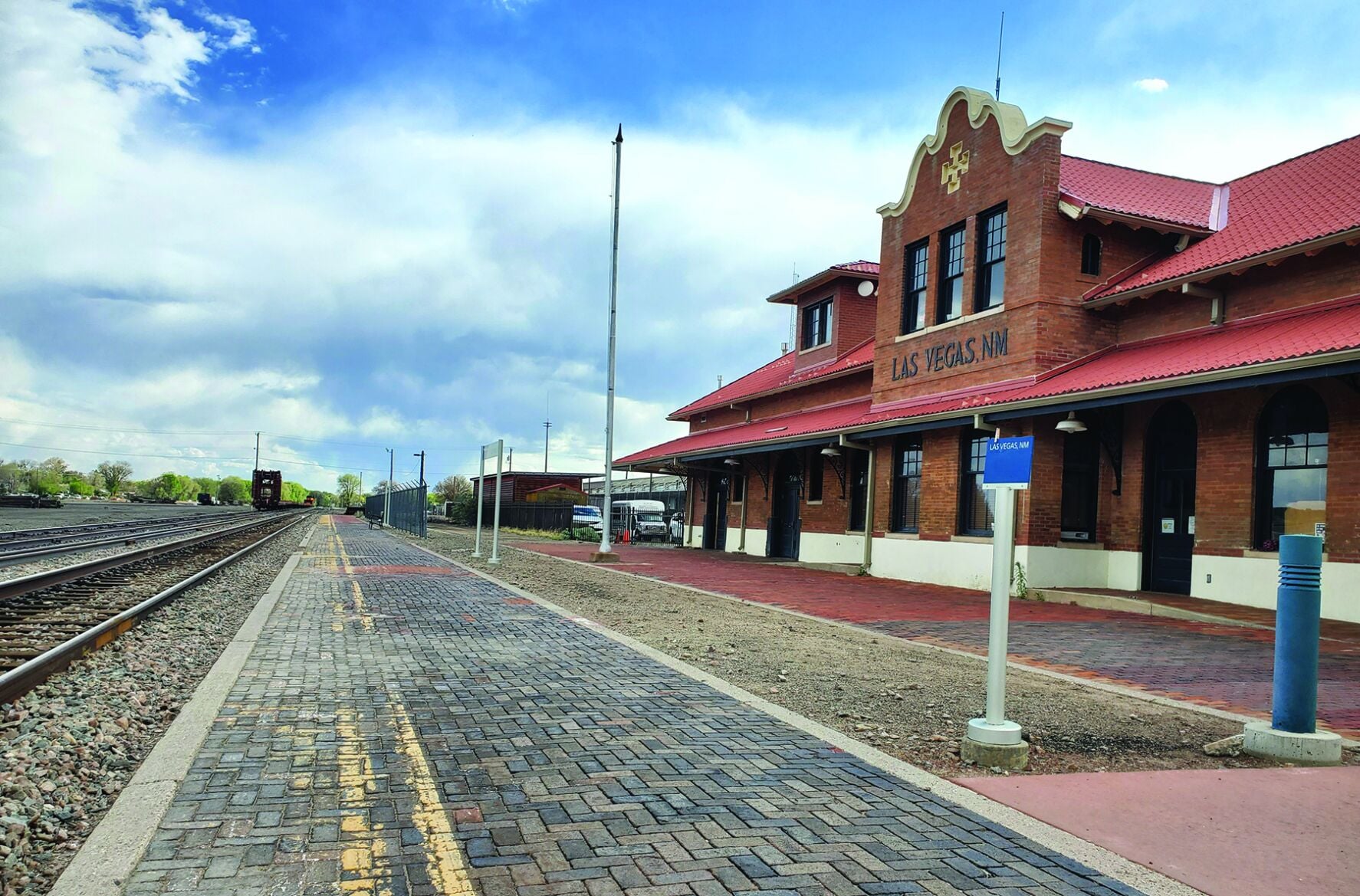
While Amtrak does not currently operate a direct passenger train on the rails between Las Vegas and Los Angeles, it provides a comprehensive intermodal service through its Amtrak Thruway bus network. Travelers can book a single ticket that connects Los Angeles Union Station to several key drop-off points in Las Vegas, often involving a coordinated transfer via the San Joaquin or Pacific Surfliner routes.
For travelers in 2026, the journey between the "Entertainment Capital of the World" and the "City of Angels" remains a high-demand corridor. Despite the absence of a dedicated "Las Vegas Express" train, Amtrak bridges the gap by offering a reliable, cost-effective alternative to the heavy traffic of Interstate 15 and the high costs of last-minute flights. This guide explores the logistics, costs, and future outlook for rail travel on this iconic Southwestern route.
The Current State of Amtrak Service: The Thruway Connection
As of 2026, the primary way to utilize Amtrak for travel between Las Vegas and Los Angeles is through the Thruway Bus system. This service is designed to function as an extension of the rail network. When you search for a trip from Las Vegas (LVS) to Los Angeles (LAX) on the Amtrak portal, you are presented with coordinated schedules that treat the motorcoach segment with the same ticketing and luggage standards as a traditional train.
How the Intermodal System Functions
Amtrak’s Thruway service is not merely a standard bus ride. These are dedicated motorcoaches that are timed to meet arriving and departing trains. In the Southern California corridor, travelers typically experience one of two configurations:
- Direct Thruway Service: A motorcoach departs from Los Angeles Union Station (LAX) and travels directly to various Las Vegas stops, including the RTC South Strip Transfer Terminal and the downtown Greyhound station.
- Rail-to-Bus Connection: Travelers take the Pacific Surfliner or a Metrolink train from Los Angeles to a transit hub like San Bernardino or Fullerton. From there, they transfer to a waiting Amtrak Thruway bus that completes the journey to Nevada.
The "Guaranteed Connection" is the most significant benefit of booking this through Amtrak. If a train is delayed, Amtrak ensures the connecting bus waits or provides alternative transportation, a protection not offered when booking separate tickets with different carriers.
Route Logistics and Station Information
Navigating the transition between California and Nevada requires understanding the specific hubs involved. In 2026, the infrastructure at both ends of the trip has seen significant modernization to accommodate increased passenger volume.
Los Angeles Union Station (LAX)
Los Angeles Union Station serves as the primary gateway. As a historic landmark and a bustling transit hub, it offers amenities such as:
- The Metropolitan Lounge: Available for Business Class passengers and sleeper car ticket holders (though sleeper cars are not applicable to the Las Vegas bus segment).
- Dining and Retail: Multiple quick-service restaurants and the historic Traxx Restaurant.
- Baggage Services: Checked baggage is available for specific Thruway routes, though many travelers prefer the "carry-on" motorcoach experience.
Las Vegas Arrival Points
Las Vegas does not have a single central "Amtrak Station." Instead, the Thruway buses serve multiple locations to provide better access to the city:
- RTC South Strip Transfer Terminal (SSTT): Located near Harry Reid International Airport, this is ideal for those staying at the southern end of the Strip (Mandalay Bay, Luxor, MGM Grand).
- Downtown Las Vegas (Greyhound Station): Located near the Plaza Hotel, this serves the Fremont Street Experience and the northern corridor.
- Harrah’s Hotel & Casino: A frequent stop for direct shuttle services, placing travelers in the heart of the mid-Strip area.
Comparing Travel Modes (2026 Estimates)
Choosing between Amtrak, driving, or flying involves weighing time against cost and convenience. The following table provides a snapshot of the typical experience for a one-way trip between the two cities.
| Feature | Amtrak (Thruway Bus/Rail) | Personal Vehicle | Commercial Flight |
|---|---|---|---|
| Duration | 5.5 – 7 hours | 4 – 6 hours (Traffic dependent) | 1 hour (Air time) / 4 hours (Total) |
| Estimated Cost | $45 – $85 | $60 – $90 (Gas + Parking) | $120 – $350 |
| Connectivity | Free Wi-Fi, Power Outlets | None (Driver focused) | Limited/Paid Wi-Fi |
| Productivity | High (Hands-free) | Zero | Moderate (Limited by gate/taxi) |
| Baggage Fee | 2 Carry-ons Free | Free | $35+ per bag |
Booking and Fares: Finding the Best Value
Fares for Amtrak’s service to Las Vegas are dynamic, meaning they fluctuate based on demand, booking window, and seasonal events. In 2026, Amtrak has continued its "Value" and "Flexible" fare structures, allowing travelers to choose between lower costs and better refundability.
Tips for Lowering Costs
- Advance Purchase: Booking at least 14 to 21 days in advance typically secures the "Value" fare, which can be as low as $48 for a one-way trip.
- Mid-Week Travel: Tuesday and Wednesday departures are significantly cheaper than Friday or Sunday trips, which cater to the weekend tourist crowd.
- Discounts: Amtrak maintains standard discounts for seniors (65+), students, military personnel, and passengers with disabilities. These generally offer a 10% reduction on the base fare.
The Booking Process
Reservations can be made via the Amtrak official website or the Amtrak mobile app. When searching, use the station code LAX for Los Angeles and LVS for Las Vegas. It is crucial to verify the specific drop-off point in Las Vegas, as the RTC South Strip Terminal and the Downtown station are several miles apart.
The Onboard Experience: Amenities and Comfort
While the Las Vegas leg is serviced by a motorcoach rather than a rail car, Amtrak utilizes "luxury" coaches that are a step above standard regional buses. In 2026, these vehicles are equipped with features designed for long-haul comfort across the Mojave Desert.
- Seating: Reclining seats with adjustable headrests and more legroom than a standard economy airline seat.
- Climate Control: Essential for the desert heat, the coaches feature advanced HVAC systems to maintain a steady 72°F environment.
- Connectivity: Most Thruway buses provide free Wi-Fi. While suitable for emails and browsing, it may struggle with high-definition video streaming in remote desert "dead zones." Each seat pair typically has access to at least one 120V power outlet.
- Restrooms: Every coach is equipped with a clean, functional chemical toilet at the rear.
The Future: Brightline West and High-Speed Rail
One cannot discuss Amtrak service between Las Vegas and Los Angeles in 2026 without mentioning Brightline West. This is a private high-speed rail project that is currently under construction and aims to revolutionize this corridor.
Project Status in 2026
In 2026, Brightline West is in the late stages of infrastructure development. The project aims to connect Las Vegas to Rancho Cucamonga, California, where passengers will transfer to the Metrolink San Bernardino Line to reach Los Angeles Union Station.
- Speed: Trains are designed to reach speeds of up to 200 mph.
- Impact on Amtrak: Once Brightline West begins operations (targeted for the late 2020s), Amtrak may adjust its Thruway schedules to complement the high-speed service or focus more on the inter-city "Milk Run" stops that high-speed rail bypasses.
- The "Gap": Until Brightline West is fully operational, the Amtrak Thruway system remains the only "single-ticket" ground transportation solution integrated with the national rail network.
Critical Considerations for Travelers
The Mojave Desert Factor
The journey traverses one of the most inhospitable environments in North America. During the summer months, temperatures regularly exceed 110°F. While Amtrak coaches are robust, travelers should always carry at least one liter of water and a light snack, as the bus does not make extended meal stops like a train with a café car would.
Traffic and the Cajon Pass
The primary bottleneck for the Amtrak Thruway bus is the Cajon Pass on Interstate 15. This mountain pass can experience significant delays due to accidents, snow in the winter, or heavy Sunday afternoon traffic heading toward Los Angeles. Amtrak schedules account for some of this, but travelers should avoid booking tight connections (less than 90 minutes) in Los Angeles if they are heading toward a long-distance train like the Coast Starlight or Southwest Chief.
Baggage Policy
Amtrak’s baggage policy is more generous than most airlines. You are permitted two carry-on bags (up to 50 lbs each) and two personal items. On Thruway buses, large suitcases are stored in the luggage bays beneath the passenger cabin, while smaller items can be taken into the overhead racks.
Expert Guidance: Common Mistakes to Avoid
- Arriving at the Wrong Las Vegas Stop: Many travelers assume "Las Vegas" means the center of the Strip. If you book a ticket to the Downtown station but your hotel is the Mandalay Bay, you will face a $30 rideshare bill. Always check the station address on your ticket.
- Ignoring the San Bernardino Option: Sometimes, the direct bus from LA Union Station is sold out. Check for routes that involve a Metrolink train to San Bernardino followed by a bus. This can sometimes be faster during peak Friday afternoon traffic in Los Angeles.
- Forgetting Identification: Since 2023, TSA-compliant "Real ID" requirements have become more strictly enforced for various transit modes. While Amtrak is not as stringent as airport security, having a valid government-issued ID is required for ticket pickup and random security sweeps.
Practical Recommendations
For the best experience in 2026, travelers should view the Amtrak service between Las Vegas and Los Angeles as a strategic utility. It is not a luxury sightseeing train—that experience likely won't exist until Brightline West opens—but it is a highly functional, safe, and productive way to move between the two cities.
If you value the ability to work on your laptop or sleep through the desert transit without the stress of driving, Amtrak’s Thruway service is the superior choice. However, if your schedule is extremely tight, flying remains the only way to make the trip in under three hours door-to-door.
Frequently Asked Questions
Is there a train from Las Vegas to Los Angeles right now?
No, there is no direct passenger train service currently operating on the tracks between these two cities. The service is provided by Amtrak Thruway motorcoaches that connect to the rail network in Southern California. High-speed rail via Brightline West is currently under construction.
How much does an Amtrak ticket cost from LA to Las Vegas?
In 2026, prices generally range from $45 to $85 for a one-way trip. Prices are lower when booked several weeks in advance and higher during major holidays or events like the Formula 1 Las Vegas Grand Prix or the Super Bowl.
Where does the Amtrak bus pick you up in Las Vegas?
There are several locations, including the RTC South Strip Transfer Terminal (6635 S. Gilespie St) and the Greyhound station in Downtown Las Vegas (200 S. Main St). Some specific shuttle services also stop at major resorts like Harrah's.
Can I bring my pet on the Amtrak bus to Las Vegas?
Amtrak's pet policy generally allows small cats and dogs on trains for a fee, but Thruway bus services often have different restrictions. On many Thruway routes, only service animals are permitted. It is essential to check the specific carrier rules for your bus segment before booking.
Does the Amtrak bus have Wi-Fi?
Yes, most Amtrak Thruway buses serving the Los Angeles to Las Vegas route are equipped with free basic Wi-Fi. However, the connection can be intermittent when traveling through remote areas of the Mojave Desert.