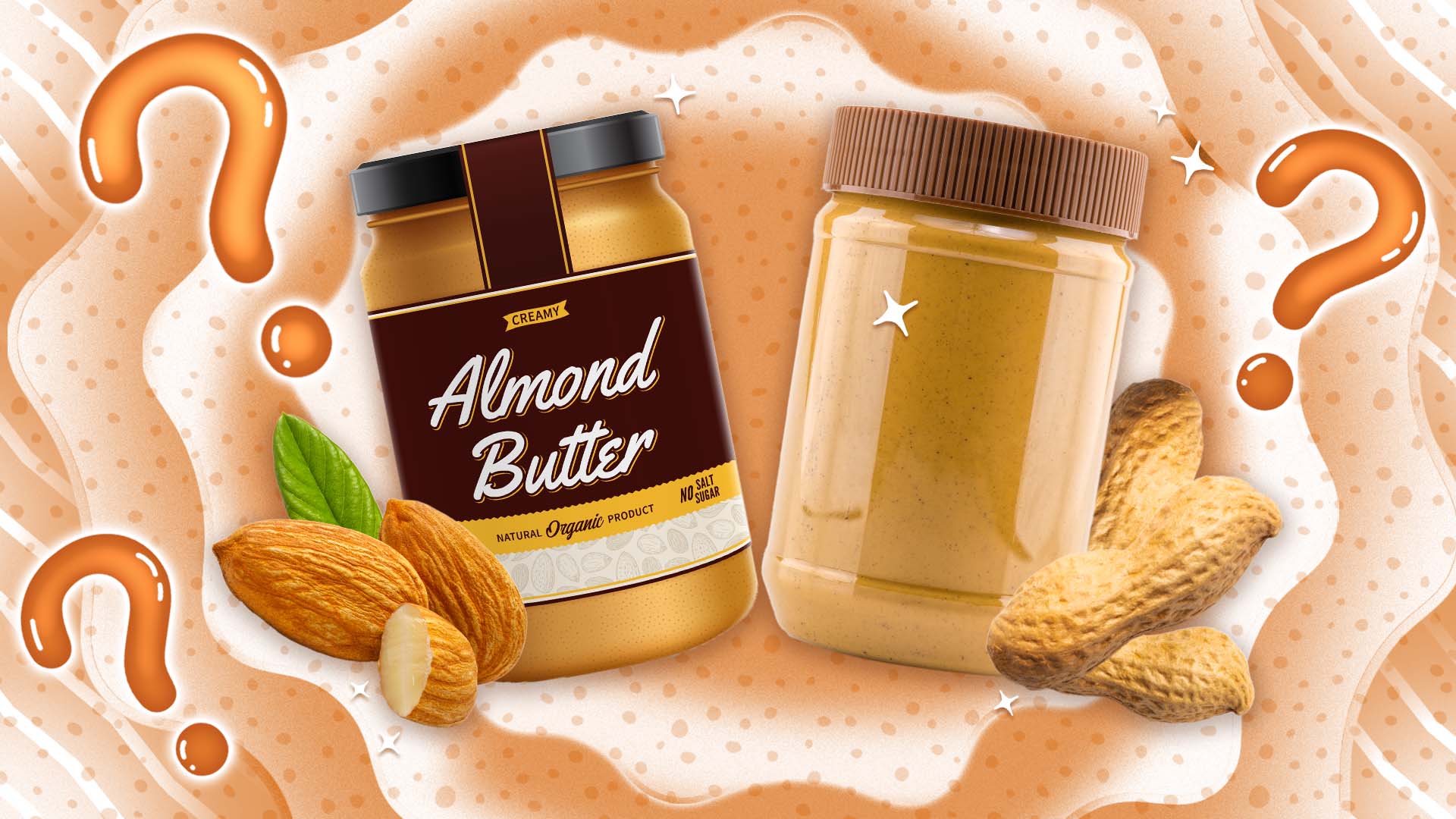
When comparing almond butter vs Nutella, the fundamental difference lies in their nutritional purpose: natural almond butter is a nutrient-dense, high-protein food packed with healthy monounsaturated fats and essential micronutrients, while Nutella is a sweet, processed chocolate-hazelnut confection primarily composed of refined sugar and palm oil.
Although both products are packaged in jars and used as spreads for toast, fruit, or breakfast items, their metabolic impacts, ingredient profiles, and dietary applications are dramatically different. Understanding these key differences allows you to make informed decisions that align with your health goals, dietary restrictions, and taste preferences.
Understanding the Core Differences: Ingredients and Processing
To understand how almond butter and Nutella perform nutritionally, it is essential to first evaluate how each product is manufactured and what ingredients make up the base formula.
What Is Almond Butter?
Pure almond butter is manufactured by grinding raw or dry-roasted almonds until their natural oils release, creating a creamy or crunchy paste. High-quality single-ingredient almond butter contains only one component: ground almonds. Some commercial manufacturers add a small pinch of sea salt or a minimal quantity of almond oil to adjust texture and shelf life.
Because almond butter undergoes minimal processing, it retains the natural matrix of whole almonds. It contains zero refined sugars, zero dairy, zero artificial flavorings, and no added palm oil or hydrogenated fats (unless purchasing heavily processed "spread" variations with added flavorings). It is naturally vegan, gluten-free, dairy-free, and compliant with low-carb, keto, and paleo dietary protocols.
What Is Nutella?
Nutella, created by the Italian confectionery firm Ferrero, is legally categorized in many regions as a sweetened cocoa-hazelnut spread rather than a nut butter. Hazelnuts make up only approximately 13% of the formula by weight.
According to Ferrero's published ingredient declaration, the primary components of Nutella, listed in order of predominance by weight, are:
- Sugar: Refined white beet or cane sugar makes up over 50% of the product weight.
- Palm Oil: Provides the signature smooth, shelf-stable, spreadable texture at room temperature.
- Hazelnuts (13%): The primary nut source, providing subtle nut flavor and fat.
- Skimmed Milk Powder (8.7%): Adds creaminess and dairy solids, rendering Nutella non-vegan and unsafe for individuals with severe dairy allergies or severe lactose intolerance.
- Fat-Reduced Cocoa Powder (7.4%): Delivers the rich chocolate flavor profile.
- Lecithin (Soy or Sunflower): Serves as an emulsifier to keep the oil and solids permanently bound.
- Vanillin: A synthetic flavor component imitating natural vanilla extract.
Because sugar and added oils account for the vast majority of its volume, Nutella functions nutritionally as a dessert topping rather than a whole-food nut spread.
Nutritional Comparison: Side-by-Side Breakdown
Evaluating the macronutrients, micronutrients, and caloric density of a standard 2-tablespoon (37-gram for Nutella, 32-gram for almond butter) serving reveals clear distinctions between the two products.
| Nutritional Component | Plain Almond Butter (2 tbsp / ~32g) | Nutella Hazelnut Spread (2 tbsp / ~37g) |
|---|---|---|
| Calories | ~190–200 kcal | 200 kcal |
| Total Fat | 16–18 g | 11 g |
| Saturated Fat | 1.0–1.5 g | 4.0 g |
| Monounsaturated Fat | 10–11 g | ~5 g |
| Polyunsaturated Fat | 3.5–4.0 g | ~1 g |
| Total Carbohydrates | 6–7 g | 22 g |
| Dietary Fiber | 3–4 g | 1 g |
| Total Sugars | 1–2 g (0g added) | 21 g (19g+ added) |
| Protein | 6–7 g | 2 g |
| Sodium | 0–70 mg | 15 mg |
| Vitamin E | ~7–8 mg (50% DV) | Negligible (<5% DV) |
| Magnesium | ~80 mg (20% DV) | Negligible (<5% DV) |
| Calcium | ~110 mg (8% DV) | ~40 mg (3% DV) |
Macronutrient Profiles: Protein, Fats, and Carbs
A surface-level look at calorie counts shows that both spreads yield roughly 200 calories per serving. However, the caloric sources differ substantially:
- Protein Content: Almond butter provides 6 to 7 grams of plant-based protein per serving, helping promote satiety, preserve muscle mass, and stabilize hunger signals. Nutella offers only 2 grams of protein per serving, derived mainly from milk powder and hazelnuts.
- Fat Quality: Almond butter is rich in dietary fat (16–18g), but the vast majority consists of heart-healthy monounsaturated fatty acids (principally oleic acid) and polyunsaturated fatty acids. In contrast, Nutella contains less total fat (11g), but nearly 36% of that fat is saturated fat (4g) derived primarily from added palm oil.
- Carbohydrates and Sugar: The standard serving of Nutella delivers 22 grams of total carbohydrates, with 21 grams coming directly from sugar (over 4.5 teaspoons of pure sugar per serving). Almond butter contains roughly 6 to 7 grams of carbohydrates, but 3 to 4 of those grams are dietary fiber, yielding a net carbohydrate impact of only 2 to 3 grams.
Micronutrient Density and Antioxidants
Almond butter retains the vitamins and minerals inherent to raw and roasted almonds. A single 2-tablespoon serving delivers roughly half of the Daily Value (DV) for Vitamin E (a powerful fat-soluble antioxidant that protects cell membranes from oxidative damage) and 20% of the daily requirement for Magnesium (which plays a critical role in nerve transmission, muscle function, and energy production). It also supplies meaningful quantities of calcium, iron, potassium, and riboflavin (Vitamin B2).
Nutella, due to its heavy dilution with refined sugar and palm oil, offers negligible micronutrient density. While cocoa powder and hazelnuts contain natural polyphenols and minerals, the amounts present per serving of Nutella are too small to offer substantial nutritional benefits.
Health and Dietary Impact
Comparing how these two spreads interact with bodily systems highlights stark differences in metabolic health, weight management, and diet compatibility.
- Consumption Comparison
- Almond Butter
- High Monounsaturated Fats & Fiber
- Slow Digestion
- Minimal Glucose Response
- Sustained Energy & Prolonged Satiety
- Nutella
- High Added Sugar & Palm Oil
- Rapid Glucose Spike & Insulin Response
- Quick Energy Burst Followed by Crash
- Almond Butter
Blood Sugar Control and Glycemic Response
The glycemic impact of food determines how rapidly it raises blood glucose and triggers insulin secretion.
- Almond Butter: Has an exceptionally low glycemic index (GI). The combination of high healthy fat, moderate protein, and dietary fiber slows gastric emptying and delays carbohydrate absorption. Consuming almond butter alongside high-glycemic foods (such as an apple or a slice of whole-grain bread) actually blunt the overall blood sugar response, preventing dramatic energy spikes and subsequent crashes.
- Nutella: Has a high glycemic impact driven by its 21 grams of fast-digesting simple sugars. When consumed on toast or waffles, Nutella causes a rapid spike in blood glucose levels, prompting a large release of insulin. For individuals managing type 2 diabetes, insulin resistance, or metabolic syndrome, routine consumption of high-sugar spreads can complicate blood sugar management.
Saturated Fats vs. Heart-Healthy Monounsaturated Fats
The lipid profile of almond butter supports cardiovascular wellness. Diets rich in monounsaturated fats have been shown in numerous epidemiological and clinical studies to help reduce low-density lipoprotein (LDL) cholesterol levels while maintaining high-density lipoprotein (HDL) cholesterol, reducing overall markers of cardiovascular risk.
Nutella's fat profile is dominated by palm oil, which contains a high concentration of palmitic acid, a saturated fatty acid. While saturated fat from natural whole sources can be part of a balanced diet, excessive consumption of refined saturated fats paired with high refined sugars is strongly linked to elevated circulating LDL cholesterol and systemic inflammation.
Compatibility with Specialized Diets
For consumers managing specific dietary restrictions or food allergies, selecting between these two spreads is often dictated by ingredients rather than personal preference:
- Ketogenic & Low-Carb Diets: Almond butter is fully keto-compliant due to its low net carb footprint (2–3g net carbs per serving). Nutella is entirely incompatible with keto diets, as one serving exceeds most daily low-carb targets.
- Vegan & Plant-Based Diets: Pure almond butter is 100% plant-based. Nutella contains skimmed milk powder and whey derivatives, making it unsuitable for strict vegans.
- Paleo Diet: Almond butter fits within paleo frameworks focused on whole nuts and seeds. Nutella contains refined sugar, processed oils, and dairy, excluding it from paleo diets.
- Dairy-Free & Lactose Intolerance: Almond butter is naturally free of lactose and milk proteins. Nutella contains milk-derived solids that can trigger symptoms in sensitive individuals.
- Nut Allergies: Individuals with tree nut allergies must avoid both products. However, those with a specific almond allergy can often tolerate hazelnuts, and vice-versa, subject to medical advice and cross-contamination risks during manufacturing.
Taste, Texture, and Culinary Applications
While almond butter clear-cut leads in nutritional metrics, taste and culinary function remain major factors for everyday consumers.
Flavor Profiles and Sensorial Differences
- Almond Butter: Features a complex, nutty, earthy, and mildly sweet flavor profile. Roast intensity dramatically alters its taste: dark-roasted almond butter has a deep, slightly bitter, savory note, whereas raw almond butter tastes lighter, sweeter, and fresh. The texture can vary from silky-smooth to heavily crunchy, and natural versions usually exhibit oil separation that requires stirring before use.
- Nutella: Offers an undeniably rich, sweet, milky chocolate-hazelnut flavor with strong vanilla undertones. Because it relies heavily on emulsifiers and palm oil, Nutella maintains a homogenous, silky, thick consistency that never separates at room temperature and spreads easily over soft bakery items without tearing them.
Best Culinary Applications
Both spreads excel in different culinary environments depending on whether the goal is health optimization or indulgent dessert creation.
Optimal Uses for Almond Butter:
- Pre- and Post-Workout Snacks: Spread on banana slices or celery sticks to deliver sustained physical energy and amino acids.
- Smoothies and Protein Shakes: Adds healthy fats, creaminess, and protein without introducing unnecessary sugars.
- Oatmeal and Breakfast Bowls: Swirled into hot oatmeal or chia pudding to balance complex carbohydrates with fat and protein.
- Savory Sauces and Dressings: Blended with ginger, soy sauce (or coconut aminos), lime juice, and garlic to create savory Asian-inspired nut sauces.
- Low-Sugar Baking: Serves as a base for low-carb cookies, energy bites, and keto bars.
Optimal Uses for Nutella:
- Dessert Pastries and Crepes: Acts as a sweet filling for traditional French crepes, croissants, or puff pastry turnovers.
- Toppings and Drizzles: Warmed and drizzled over ice cream, gelato, waffles, or pancakes as a dessert treat.
- Confectionery Baking: Baked into brownies, stuffed cookies, or cake frostings where high sugar content and chocolate flavor are required.
Price, Processing, and Environmental Considerations
A complete evaluation of almond butter and Nutella requires examining production costs, processing standards, and ecological footprints.
Price and Economic Value
Gram for gram, almond butter is significantly more expensive than Nutella.
Almonds are an expensive agricultural crop requiring intensive land management, specialized harvesting machinery, and high volumes of water. Because high-quality almond butter consists entirely of ground almonds, the raw material cost per jar is high.
Nutella is considerably cheaper to produce and purchase. Its primary bulk ingredients—refined sugar and palm oil—are inexpensive global agricultural commodities. Hazelnuts and cocoa powder, which are more costly, make up only a fraction of the total product volume. Consequently, Nutella typically costs roughly half to one-third the price of pure almond butter per unit of weight.
Processing Levels and Additives
Almond butter falls under the classification of minimally processed food (Nova Group 1 or 2), provided it contains only almonds and salt. It retains its natural matrix without chemical processing or synthetic stabilization.
Nutella is classified as an ultra-processed food (Nova Group 4). The refined sugar, palm oil fractioning, milk powder processing, and synthetic vanillin undergo multiple stages of industrial extraction and refining before being emulsified into a stable spread.
Environmental Impact: Water Footprint vs. Palm Oil Sourcing
Both products present distinct environmental considerations:
- Almond Butter Production: Almond cultivation, primarily centered in California's Central Valley, requires substantial water resources. Growing a single almond kernel requires approximately 1.1 to 3.2 gallons of water. High water demand in drought-prone regions has drawn environmental scrutiny regarding almond farming practices.
- Nutella Production: The environmental impact of Nutella centers heavily on palm oil usage. Historical palm oil production has been a primary driver of tropical deforestation, habitat loss for endangered species, and peatland degradation in Southeast Asia. However, Ferrero has achieved 100% RSPO (Roundtable on Sustainable Palm Oil) certified sustainable palm oil sourcing, aiming to ensure their palm oil supply chain avoids deforestation and respects local labor rights.
Which Should You Choose? Practical Buyer's Guide
Selecting between almond butter and Nutella comes down to your personal health objectives, dietary framework, and intended food use.
Choose Almond Butter If:
- You are seeking a daily nutritional staple to support muscle repair, satiety, and metabolic health.
- You follow a low-sugar, low-carb, keto, vegan, paleo, or dairy-free lifestyle.
- You need to stabilize blood sugar levels and avoid insulin spikes.
- You want a clean label with zero refined sugars, artificial flavorings, or industrial oils.
- You are preparing pre-workout fuel, nutrient-rich smoothies, or balanced breakfasts.
Choose Nutella If:
- You are looking for an occasional dessert indulgence or special-occasion sweet treat.
- You are preparing traditional bakery items, crepes, or dessert pastries that specifically call for a chocolate-hazelnut flavor profile.
- You prioritize high sweet palatability and smooth, non-separating spreadability at an affordable price point.
- You do not have dairy, soy, or hazelnut allergies and are not managing blood sugar disorders.
Frequently Asked Questions
Can I substitute almond butter for Nutella in recipes?
Yes, but the taste and texture will change significantly. Replacing Nutella with plain almond butter reduces the sweetness entirely and removes the chocolate flavor. If you want a healthy alternative that mimics Nutella, blend plain almond butter (or hazelnut butter) with unsweetened cocoa powder, a splash of real vanilla extract, and a natural low-glycemic sweetener like pure maple syrup, honey, or monk fruit.
Is Nutella healthier than peanut butter or almond butter?
No. Nutella is significantly less healthy than natural almond butter or natural peanut butter. While almond and peanut butter provide high levels of protein, dietary fiber, and healthy monounsaturated fats with minimal or zero added sugar, Nutella contains over 50% refined sugar by weight and derives most of its fat content from added palm oil.
Why does oil separate at the top of my almond butter jar, but not Nutella?
Natural almond butter contains no added emulsifiers or hydrogenated fats. Over time, the natural oils native to the ground almond kernels separate from the solid nut particles and float to the top. Nutella does not separate because it contains added soy or sunflower lecithin alongside saturated palm oil, which acts as a permanent emulsifying binder at room temperature.
Is there any hazelnut spread that is as healthy as almond butter?
Yes. Pure, 100% single-ingredient hazelnut butter exists and offers a nutritional profile very similar to almond butter—high in healthy monounsaturated fats, dietary fiber, and Vitamin E, with zero added sugar. There are also artisan sugar-free dark chocolate hazelnut spreads sweetened with stevia, monk fruit, or low amounts of unrefined coconut sugar available in natural health food markets.
Does almond butter need to be refrigerated?
Refrigeration is not strictly mandatory for short-term consumption, but storing natural almond butter in the refrigerator slows down the oxidation of its natural unsaturated fats, extending shelf life and preventing rancidity. Refrigeration also hardens the natural oils, preventing ongoing oil separation and making the spread thicker.
Final Recommendation
When weighing almond butter against Nutella, evaluate them as two completely separate food categories rather than direct functional equals. View almond butter as a functional, daily whole-food staple designed to nourish your body with essential fats, protein, and minerals. View Nutella as a chocolate dessert confection to be enjoyed mindfully as an occasional indulgence.
For optimal daily health, base your routine diet around natural, minimally processed nut spreads like unflavored almond butter, and save chocolate-hazelnut spreads for special culinary treats.