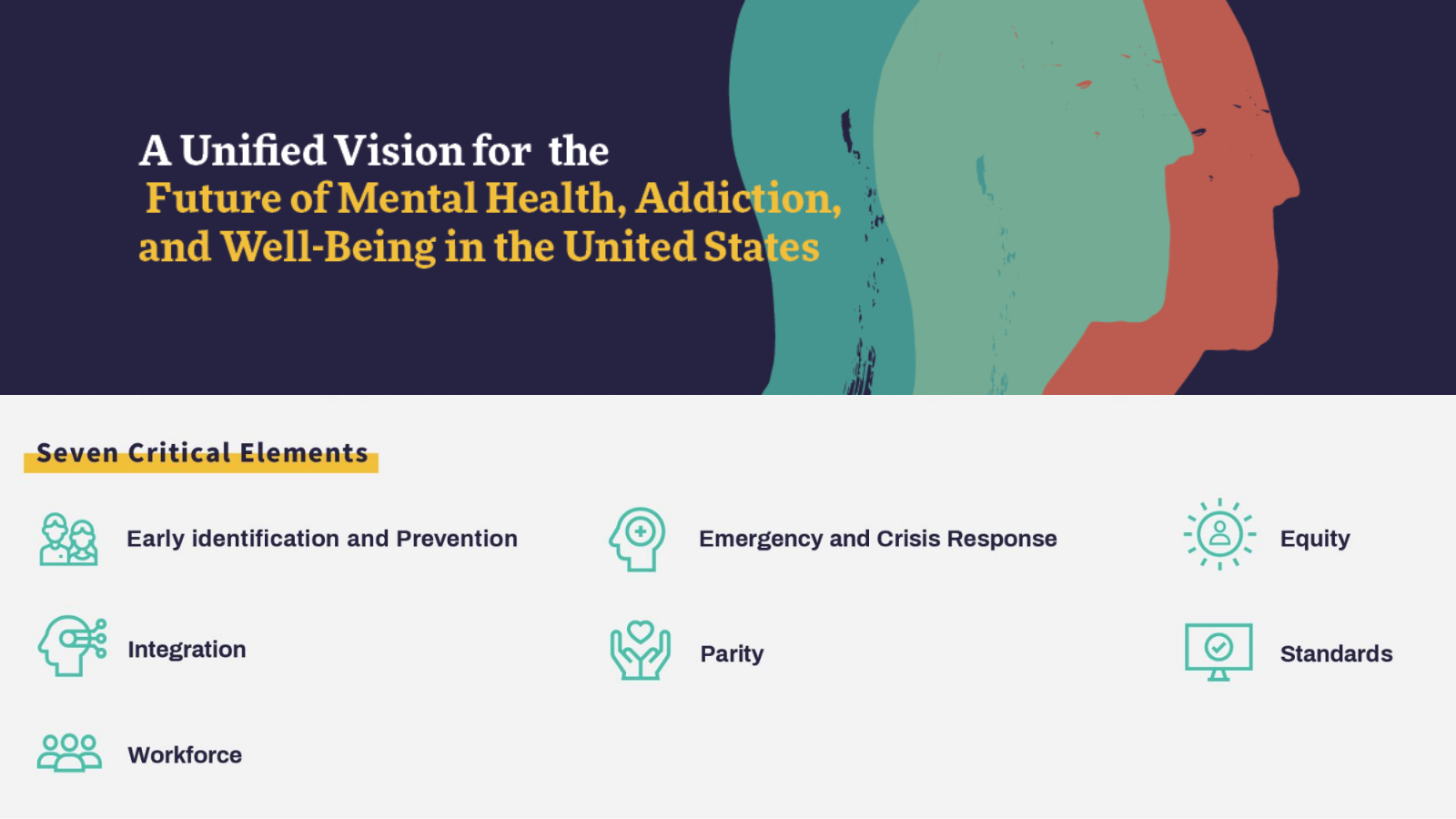
Alliance vision mapping for collective mental health futures serves as a strategic framework designed to align diverse stakeholders—including mental health practitioners, community organizers, policy makers, and individuals—toward unified, long-term goals for mental well-being. By integrating diverse perspectives into a structured visual and operational map, this process identifies systemic barriers and creates actionable pathways for healthier, more resilient communities.
The Conceptual Foundation of Vision Mapping in Mental Health
Vision mapping in the context of collective mental health is not merely a brainstorming exercise; it is a rigorous method of translating abstract ideals into concrete, longitudinal objectives. At its core, this approach acknowledges that mental health is not strictly an individual clinical outcome but a reflection of social, economic, and environmental conditions.
The term "alliance" signifies the necessity of cross-sector collaboration. In 2026, many public health initiatives are shifting from siloed, symptom-focused treatments toward integrated community-based models. Alliance vision mapping facilitates this transition by ensuring that, for instance, a housing authority, an education board, and a clinical mental health network are all working toward the same metric of success: the measurable reduction of chronic stress and the improvement of psychological safety within a specific demographic or region.
Navigating the Methodology: Steps to Collective Mapping
Effective vision mapping requires a structured sequence of operations to ensure data integrity and organizational alignment. The process typically follows a four-phase lifecycle:
- Diagnostic Scoping: Identifying the specific mental health challenges within a population. This involves reviewing existing data on resource accessibility, incidence rates, and demographic-specific risk factors.
- Stakeholder Alignment: Convening representatives from disparate fields. This phase focuses on establishing a "Common Operating Picture," where everyone agrees on definitions, success metrics, and the scope of the collective intervention.
- Visualization and Mapping: Utilizing collaborative software and mapping frameworks to plot current resources against identified needs. This visual representation reveals "service deserts" and opportunities for synergy between existing services.
- Operationalization: Setting 12-to-24-month milestones. Because the vision is collective, each organization must identify its specific role in the map, ensuring that there is no duplication of effort and that service gaps are addressed by the appropriate parties.
Why Collective Strategies Succeed Where Individual Efforts Fail
Mental health crises are often the result of cumulative systemic pressures. Individual therapy, while essential, acts as a downstream intervention. Alliance vision mapping focuses on upstream determinants—such as social isolation, economic instability, and digital well-being—which require collective, rather than individual, responses.
When stakeholders engage in this process, they benefit from "Resource Amplification." By mapping assets collectively, groups often discover that they possess redundant resources in one area and critical deficits in another. Redistribution or re-alignment of these assets based on the map significantly increases the efficiency of limited budgets. In 2026, as funding structures become increasingly outcome-based, organizations that can demonstrate a unified, mapped vision for community health often secure higher levels of government and philanthropic support.
Comparative Framework for Mental Health Mapping Approaches
Choosing the right approach for your alliance depends on your scope—whether you are working at a municipal level, within a large healthcare network, or for a specific community demographic.
| Approach | Focus | Primary Utility | Best For |
|---|---|---|---|
| Systemic Mapping | High-level structural barriers | Identifying policy gaps | Municipalities & NGOs |
| Resource Mapping | Inventory of clinical services | Optimizing asset allocation | Healthcare Networks |
| Community Asset Mapping | Grassroots resilience & social capital | Enhancing peer support | Community Organizations |
| Lifecycle Mapping | Developmental mental health needs | Long-term planning | Educational & Family Services |
Prerequisites for Success
Before initiating an alliance vision mapping project, organizations must address several foundational requirements to ensure the effort does not stall:
- Data Governance: Agreements on how mental health data is shared, stored, and anonymized are critical. In 2026, adherence to regional data protection regulations (such as HIPAA in the US or GDPR in the EU) is the highest priority when aggregating information across organizations.
- Neutral Facilitation: The presence of a neutral third-party facilitator is often the difference between a successful mapping session and a gridlocked meeting. Facilitators help manage the power dynamics that naturally arise when diverse entities converge.
- Commitment to Iteration: A vision map is not a static document. It must be revisited quarterly. Stakeholders should establish a clear cadence for reviewing the map, updating it with new outcomes, and adjusting the strategy as the environment changes.
Common Pitfalls and Troubleshooting
Even well-intentioned alliances can fall into common traps that render their maps ineffective. Understanding these risks early allows leadership to build safeguards into the process.
1. The Over-Complexity Trap: Many teams attempt to map every possible variable. This leads to "analysis paralysis." Focus initially on a narrow set of indicators—such as wait times for crisis support or the prevalence of youth depression—rather than the entire spectrum of mental health.
2. Lack of Feedback Loops: A map that is not shared with the beneficiaries—the individuals receiving care—is often detached from reality. Integrate community feedback loops into the mapping process to ensure that the "vision" aligns with the "lived experience."
3. Resource Mismatch: Do not map out an ambitious future without verifying the available funding and human resource capacity. Ensure that every node on your map has a responsible owner who has officially committed to the task.
Ethical Considerations in Collective Planning
When mapping mental health futures, there is an inherent ethical obligation to protect the vulnerable. Mapping populations based on socioeconomic status or psychiatric diagnosis can inadvertently lead to stigmatization or surveillance. Always prioritize anonymity, ensure the involvement of peer advocates, and design the map to empower the population rather than pathologize it. The goal is to optimize support, not to categorize individuals for exclusionary purposes.
Frequently Asked Questions
What is the primary goal of alliance vision mapping for mental health? The primary goal is to synchronize the efforts of diverse stakeholders to address systemic mental health challenges, eliminating service gaps and ensuring that community resources are used effectively to improve collective well-being.
Who should participate in a vision mapping session? Participants should include clinical providers, government health officials, nonprofit leaders, educators, community organizers, and representatives from the population being served. A broad cross-section ensures that the map reflects both systemic potential and individual needs.
How often should a collective mental health map be updated? While the vision itself may be long-term (3 to 5 years), the operational elements of the map should be reviewed at least quarterly. This allows the alliance to respond to real-time changes in funding, policy, or community health trends.
Does vision mapping require specialized software? While specialized collaborative mapping tools exist, the process can be supported by any visual project management software. The key is not the software itself, but the commitment to maintaining a shared, accessible, and iterative visual record of the strategy.
How is success measured in these alliances? Success is measured through defined Key Performance Indicators (KPIs). These should include both process-oriented metrics (e.g., number of integrated service points) and outcome-oriented metrics (e.g., reductions in specific mental health crisis indicators).
Is there a cost associated with the mapping process? The costs are primarily in staff time, meeting facilitation, and potential software licensing. However, by identifying redundancies and streamlining service delivery, successful alliances often achieve a return on investment through significant operational cost savings in the long term.
Moving Forward
To begin your alliance vision mapping project, start by establishing a core working group that includes at least one representative from the financial, clinical, and community advocacy sectors. Conduct an initial audit of your current service landscape and host a preliminary alignment meeting to define your shared vision. Do not attempt to map everything at once; identify the most pressing "bottleneck" in your community’s mental health ecosystem and focus your initial mapping efforts there. By anchoring your vision in real-world data and collaborative commitment, you can build a sustainable, resilient future for collective mental health.