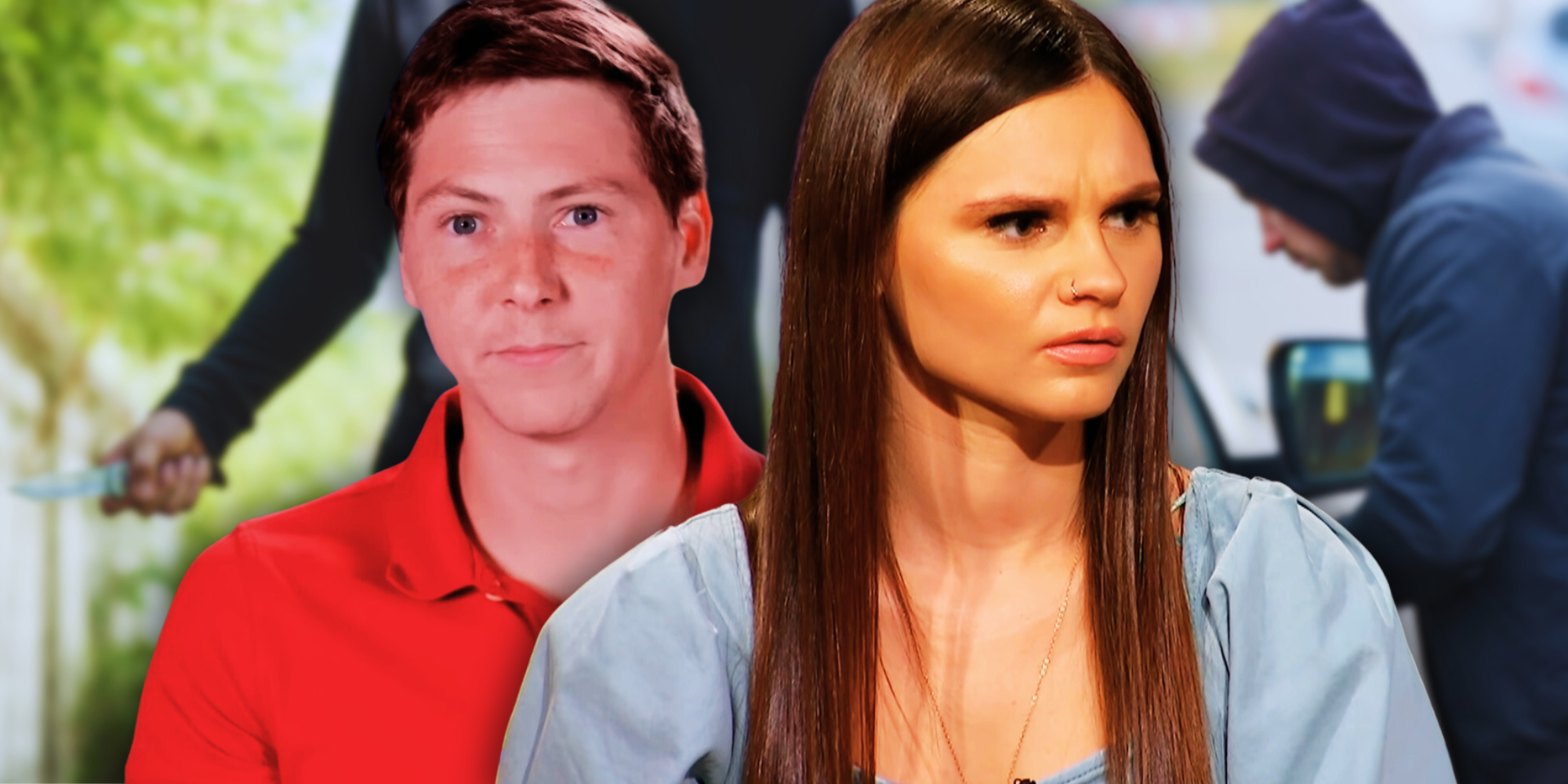
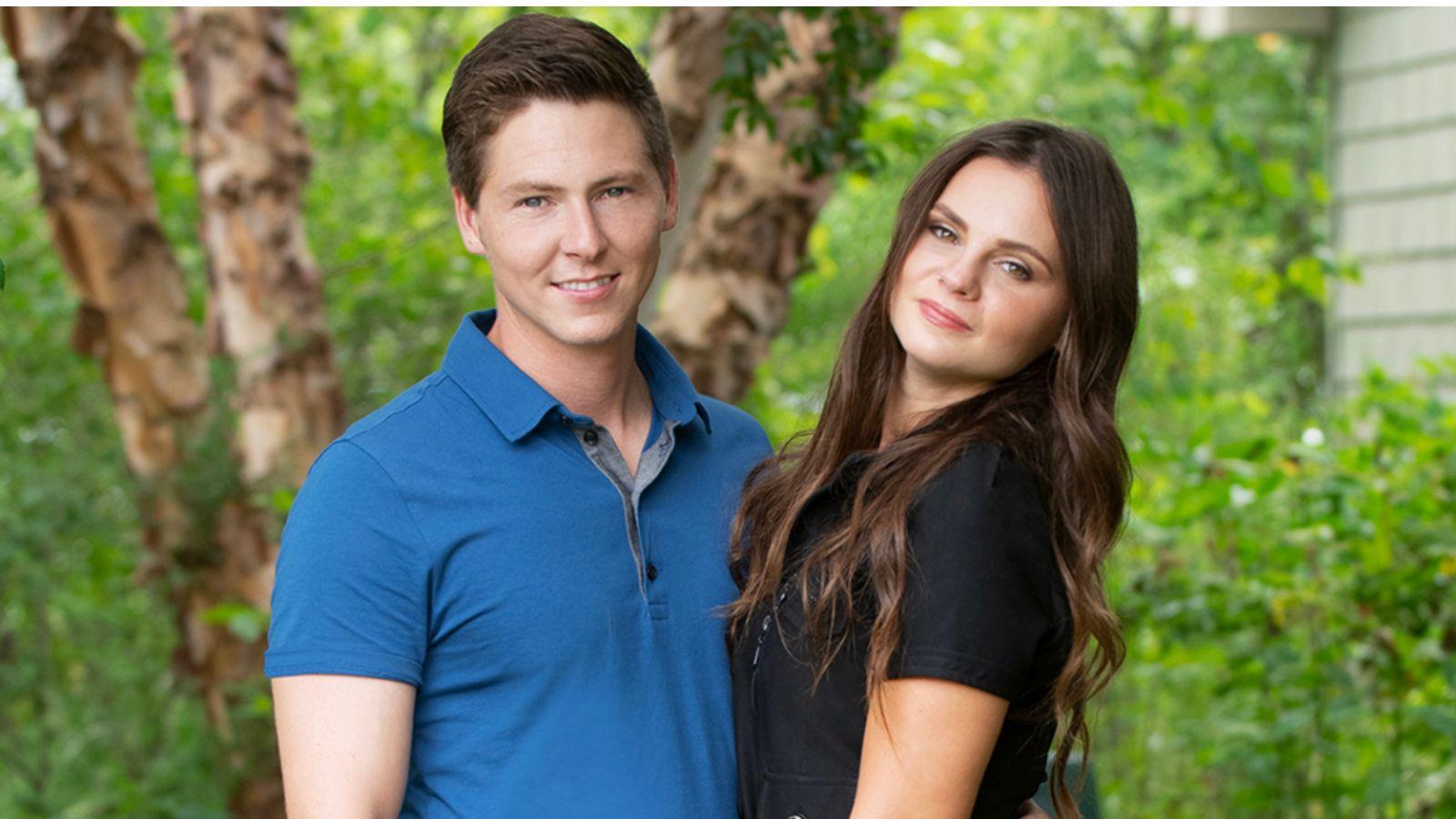
Julia Trubkina and Brandon Gibbs remain one of the most recognizable couples from the 90 Day Fiancé franchise, having first appeared in Season 8. Their journey from a chance FaceTime encounter to a high-stress life on a Virginia farm involved significant cultural clashes, overbearing in-laws, and complex immigration hurdles that persisted well into 2026.
The Genesis of the Relationship: From South Korea to Iceland
The relationship between Julia Trubkina, a city-dwelling go-go dancer from Krasnodar, Russia, and Brandon Gibbs, a pest control technician from Dinwiddie, Virginia, began in an unconventional manner. In 2019, while a friend of Brandon’s was visiting a club in South Korea where Julia was working, Brandon saw her during a FaceTime call. Smitten by her appearance and energy, Brandon initiated contact, leading to a whirlwind digital romance.
After five months of communicating via video calls and messages, the pair met in person in South Korea. The connection was immediate, prompting a second meeting in Iceland in January 2020. It was during this trip that Brandon proposed, and the couple began the arduous process of applying for the K-1 visa. This visa allows the foreign fiancé(e) of a U.S. citizen to enter the United States, provided the couple marries within 90 days of arrival.
The initial phase of their timeline was defined by high expectations and a romanticized view of their future. However, the logistical reality of the K-1 process, compounded by the global pandemic that emerged shortly after their engagement, set the stage for the intense pressures they would face upon Julia’s arrival in Virginia in May 2020.
The Farm Conflict: A Clash of Lifestyles
The primary issue that defined Julia and Brandon’s early months in the United States was their living situation. Due to Brandon’s financial constraints—having spent tens of thousands of dollars on trips and visa fees—the couple was forced to live at Hummingbird Acres, the farm owned by Brandon’s parents, Ron and Betty Gibbs.
The "No Shared Bedroom" Policy
Upon Julia's arrival, she was met with a strict set of house rules dictated by Betty Gibbs. The most controversial was the requirement that Julia and Brandon sleep in separate bedrooms until they were legally married. This created immediate friction, as the couple had been living together during their international travels. Julia viewed this as an unnecessary intrusion into their adult relationship, while Betty framed it as a matter of respect for her household.
Forced Farm Labor
Julia, who was used to an urban lifestyle and nightlife career, was suddenly expected to participate in the daily operations of the farm. This included:
- Feeding livestock: Julia was tasked with feeding pigs, goats, and poultry.
- Cleaning pens: The manual labor involved in maintaining the animal enclosures was a significant point of contention.
- The Cricket Business: Brandon’s family raised crickets for profit, and Julia was expected to assist in the care of these insects, which she found particularly repulsive.
The core of this "key issue" was not just the labor itself, but the lack of choice. Julia felt that she was being used as free labor in exchange for room and board, leading to her famous ultimatum: "I go back to Russia."
Timeline of Major Milestones and Legal Challenges
The following table outlines the progression of Julia and Brandon's relationship, highlighting the transition from their television debut to their ongoing life in 2026.
| Year | Milestone | Key Conflict or Development |
|---|---|---|
| 2019 | Initial Meeting | Digital courtship and South Korea visit. |
| 2020 | Engagement & Move | K-1 visa approval; move to the Gibbs farm in Virginia. |
| 2020 | Marriage | April 26 wedding (private ceremony due to COVID-19). |
| 2021 | TV Debut | 90 Day Fiancé Season 8 and Happily Ever After? Season 6. |
| 2022 | Independence | Moving out of the farm and into their own apartment. |
| 2023 | Visa Crisis | Struggles with Green Card renewal and deportation threats. |
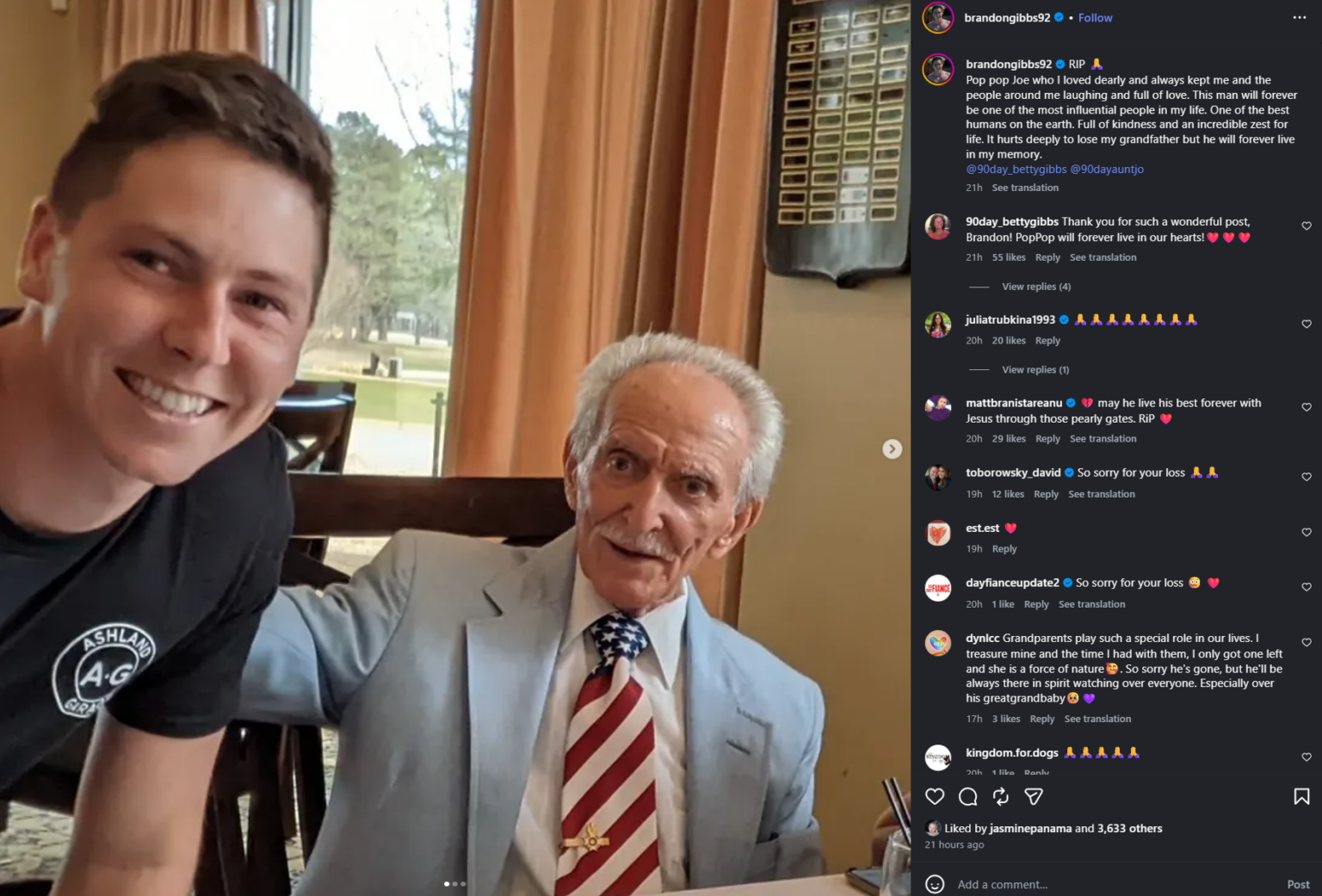
| 2024 | Family Health | Ron Gibbs' health scares and the couple's return to the farm vicinity. |
| 2025 | Financial Recovery | Julia's pursuit of a career in fitness and content creation. |
| 2026 | Current Status | Solidified marriage; navigating long-term residency in the U.S. |
The Interference of Betty and Ron Gibbs
A recurring theme throughout Julia and Brandon’s timeline is the influence of Brandon's parents. Betty and Ron were often viewed by fans as overbearing, but their actions were rooted in a deep, albeit stifling, desire to keep their only son close.
Boundary Dissolution
Betty Gibbs frequently crossed personal boundaries, most notably by suggesting Julia go on birth control and even scheduling a gynecologist appointment for her. This move was perceived by Julia as a violation of her autonomy. The conflict escalated when Betty and Ron expressed disappointment over the couple's desire to move out, often using emotional guilt to pressure Brandon into staying on the farm to eventually take over the family business.
The Shift in Dynamics
As the timeline progressed into 2024 and 2025, the dynamic shifted significantly. Following Ron Gibbs' health issues, Julia showed a softer side, offering support to her in-laws despite their past grievances. This evolution demonstrated a maturing of the relationship, where the "key issue" of parental interference was replaced by the reality of familial responsibility.
Immigration and Legal Hurdles
For many 90 Day Fiancé couples, the wedding is not the end of the struggle, but the beginning of a long legal journey. Julia Trubkina faced significant hurdles regarding her status in the United States, which peaked between 2022 and 2024.
The Green Card Struggle
Julia encountered complications with her permanent residency status. In various social media updates and "Diaries" episodes, she revealed that her Green Card application and subsequent renewals were delayed. These delays were exacerbated by the backlog within U.S. Citizenship and Immigration Services (USCIS).
The Threat of Deportation
In 2023, the couple faced a terrifying period where Julia’s documents were stolen, and her legal status was thrown into jeopardy. Julia publicly shared her anxiety about the possibility of being sent back to Russia, especially given the geopolitical climate. This period was one of the most stressful for the couple, testing the strength of their marriage outside the choreographed drama of reality television. By 2026, while her status has stabilized, the trauma of those legal uncertainties remains a defining chapter of their story.
Career Aspirations and Cultural Adjustment
Julia’s transition from a Russian "city girl" to an American resident involved more than just changing locations; it required a total identity shift.
Fitness and Modeling
Julia consistently expressed a desire to return to her roots in performance and fitness. Throughout 2024 and 2025, she focused on building a brand as a fitness instructor. This was a direct response to her "key issue" of feeling stifled on the farm. By pursuing her own career, she sought to establish financial independence from the Gibbs family.
Social Media as a Business
Like many reality TV stars, Brandon and Julia leveraged their fame to build a presence on platforms like Instagram and YouTube. This became a vital source of income, allowing them to eventually afford their own home. However, this also brought the "issue" of public scrutiny. Julia has been vocal about the "haters" and the pressure of maintaining a public image, often defending her marriage against rumors of divorce.
Jealousy and Trust Issues
During their time on 90 Day Fiancé: Happily Ever After?, a notable issue was Julia’s perceived jealousy. She famously expressed discomfort when Brandon interacted with other women, including his female friends. This insecurity was rooted in the sudden shift from a long-distance relationship, where communication was controlled, to a shared life in a new country where Brandon had an established social circle.
Over time, these trust issues appeared to subside as the couple spent more years together. The "jealousy" arc was largely a product of the early, high-stress years of their marriage and the editing of the television show, which emphasized conflict over stability.
Frequently Asked Questions
Are Julia and Brandon still together in 2026?
Yes, Julia and Brandon are still married as of 2026. Despite numerous rumors of separation over the years, they have remained a united front, frequently sharing updates about their lives and their dogs on social media. They have successfully navigated the transition from reality TV subjects to a private married couple.
Did Julia ever get her Green Card?
Julia faced significant delays and legal scares regarding her residency, including a period in 2023 where she feared deportation due to stolen documents and expired paperwork. However, through legal assistance and the standard USCIS process, she has managed to maintain her status in the United States.
Do they still live on the farm with Brandon's parents?
As of 2026, the couple does not live in the main house at Hummingbird Acres. While they moved into their own apartment in 2022, they have remained geographically close to Brandon's parents to assist with the farm and help care for Ron Gibbs following his health struggles. They have struck a balance between independence and family obligation.
What is Julia Trubkina’s current job?
Julia has focused on the fitness industry, working as a trainer and social media influencer. She also occasionally pursues modeling and design projects. She has moved away from the farm labor that was a central conflict during her first year in the U.S.
How did Julia and Brandon first meet?
They met via a FaceTime call in 2019. Brandon was talking to a friend who was at a club in South Korea where Julia was working. They later met in person in South Korea and then in Iceland, where they got engaged.
Final Recommendations for Following the Couple
To understand the full scope of Julia and Brandon's journey, it is essential to look beyond the edited episodes of 90 Day Fiancé. Their story is a classic example of how cultural differences and parental boundaries can stress a young marriage, but also how shared trauma—such as immigration scares and family illness—can ultimately solidify a bond.
For those tracking their progress, focusing on their verified social media channels provides the most accurate "current" status, as reality TV filming often lags behind real-life events by six to twelve months. Their ability to move past the "farm girl" trope and establish a life on their own terms serves as a rare success story in a franchise often defined by volatility.