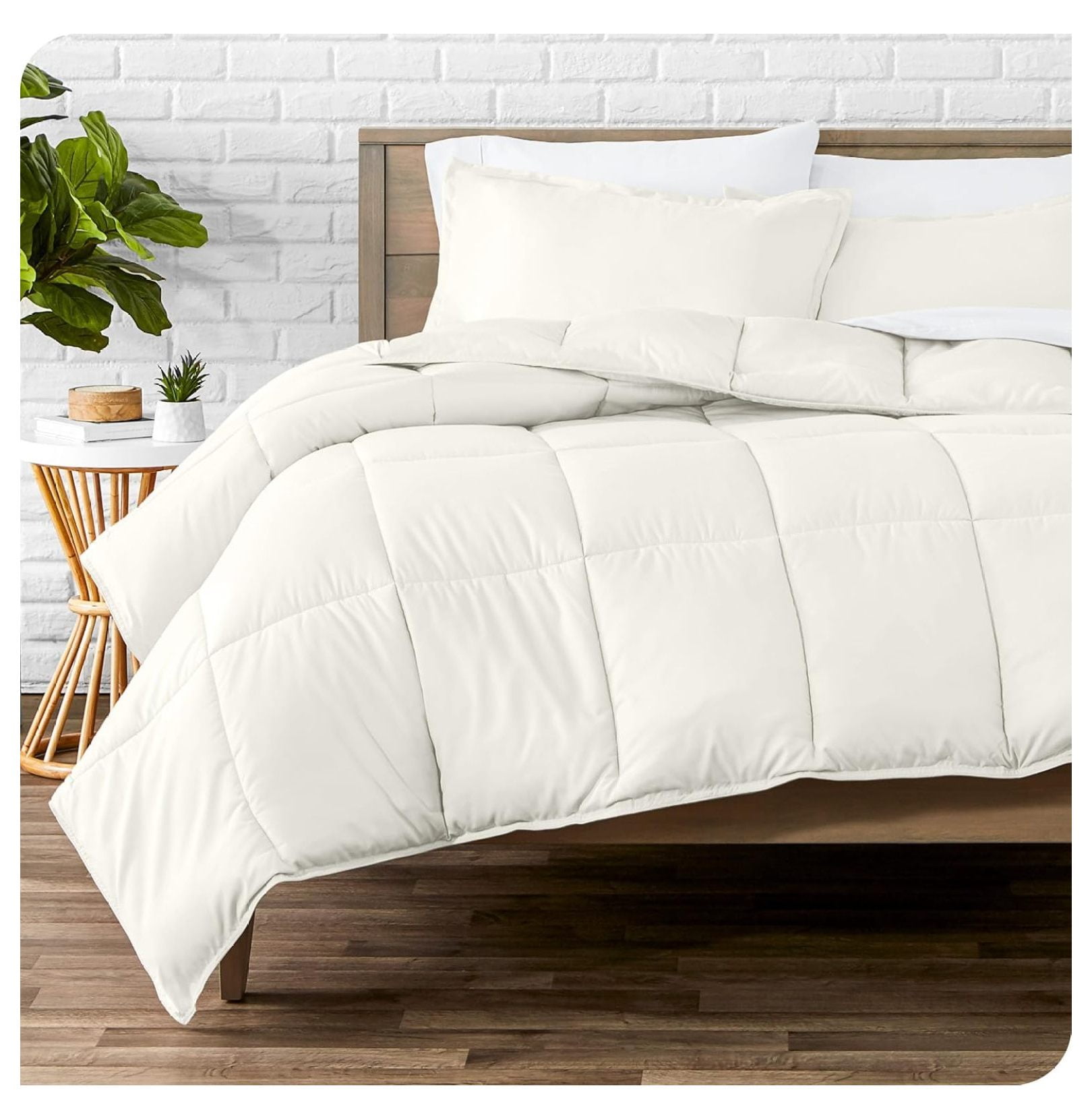
Selecting the ideal king size down comforter requires balancing warmth levels, fill power, shell materials, and construction techniques to ensure optimal sleeping comfort across different seasons and personal preferences. A true five-star choice delivers exceptional loft, durable baffling, and ethical sourcing, transforming an ordinary bed into a comfortable, supportive sleep sanctuary tailored to your exact warmth needs.
Understanding King Size Down Comforter Fundamentals
A down comforter is more than just a heavy layer for your bed; it is an intricate thermal system designed to trap body heat while remaining exceptionally lightweight and breathable. When shopping for a king size bed measuring approximately 76 by 80 inches (or oversized variations reaching 108 by 98 inches), understanding the core terminology is essential before making an investment. The quality of a down comforter is primarily defined by four factors: fill power, down cluster purity, shell fabric weave, and box-stitch construction.
Fill power measures the fluffiness and insulating efficiency of the down. Measured in cubic inches per ounce, a higher fill power indicates larger clusters that trap more air relative to their weight. For a king size comforter, a fill power of 600 to 700 offers an excellent balance of mid-weight warmth and loft, while anything above 750 provides supreme, cloud-like lightness with maximum thermal retention. Down purity, distinguished from feather content, ensures that you are paying for soft thermal clusters rather than stiff quills that can poke through the fabric.
Furthermore, the shell material dictates how the comforter feels against the skin and how well it contains the fill. High-thread-count long-staple cotton, such as Egyptian or Supima cotton, provides a breathable yet tightly woven barrier that prevents down leakage while remaining silent and supple. Synthetic shells like polyester blends can trap moisture and create undesirable crinkling noises, making 100% cotton the gold standard for high-end bedding.
Evaluating Warmth Levels and Fill Weight for Different Sleepers
One of the most common challenges in selecting a king size down comforter is accommodating two sleepers who may have vastly different thermal preferences. One partner might run hot while the other is perpetually cold, or regional climate variations might dictate seasonal changes. Manufacturers typically categorize down comforters into three primary warmth levels: lightweight, all-season, and heavyweight (or ultra-warm).
Lightweight Comforters
Designed for warm climates, hot sleepers, or homes with heavy climate control, lightweight down comforters feature a lower fill weight. They provide a gentle, comforting layer without trapping excessive heat. These are ideal for summer months or individuals who experience night sweats, ensuring proper airflow and moisture regulation throughout the night.
All-Season Comforters
The most versatile choice for the majority of households, all-season comforters strike a middle ground. They utilize a moderate fill power and weight designed to maintain a comfortable microclimate in standard room temperatures (around 65 to 68 degrees Fahrenheit) year-round. For couples with differing preferences, an all-season king size down comforter is often the safest compromise.
Heavyweight Comforters
Heavyweight or winter-weight down comforters are packed with dense, high-loft clusters designed for cold sleepers, unheated bedrooms, or harsh winter climates. They offer substantial heft and profound warmth, wrapping the sleeper in an insulating cocoon that guards against dropping ambient temperatures.
Construction Techniques: Baffle Box vs. Sewn-Through
The way a down comforter is stitched directly impacts how long it will maintain its loft and warmth distribution. Poor construction causes the down to shift, resulting in cold spots and clumping. When evaluating top-tier king size options, construction quality is a non-negotiable metric.
- Baffle Box Construction: This method utilizes internal fabric walls (baffles) sewn between the top and bottom layers of the shell. These vertical walls create individual three-dimensional pockets that allow the down clusters to expand fully to their maximum loft while preventing them from migrating to the edges or corners. Baffle box construction is the hallmark of premium, five-star comforters.
- Sewn-Through Construction: In this simpler method, the top and bottom fabrics are stitched directly together in a grid pattern. While less expensive, it pinches the down flat at every seam line, creating thermal bridges where heat escapes. This style is generally limited to lightweight or budget-friendly options.
- Gusseted Edges: Many luxury king comforters feature a fabric strip (gusset) running along the outer perimeter. This creates a boxier, more uniform edge profile, allowing the corners of the comforter to puff up completely and drape evenly over the sides of a deep mattress.
Comparing Top-Tier Down Comforter Options
To help navigate the vast marketplace, the following comparison highlights key features across standard market categories for king size down comforters.
| Comforter Category | Typical Fill Power | Ideal User / Climate | Construction Type | Primary Maintenance |
|---|---|---|---|---|
| Luxury All-Season | 700 - 800 | Year-round comfort, moderate climates | Baffle box with cotton shell | Professional dry clean recommended |
| Ultra-Warm Winter | 750 - 900+ | Cold sleepers, winter seasons, unheated rooms | Deep baffle box, gusseted edges | Professional dry clean recommended |
| Lightweight Summer | 550 - 650 | Hot sleepers, warm climates, summer use | Sewn-through or light baffle | Gentle machine wash / low tumble |
| Budget Down-Alternative | Synthetic Fiber | Allergy sufferers, guest rooms | Box-stitch quilted | Regular machine wash and dry |
Ethical Sourcing and Certifications
When purchasing animal-product bedding in 2026, verification of ethical sourcing is paramount. Responsible down standards ensure that the waterfowl supply chain prohibits live-plucking and force-feeding. Look for recognized independent certifications on the product label to guarantee humane treatment.
- Responsible Down Standard (RDS): Verifies down and feather animal welfare from farm to final product, ensuring strict tracking systems.
- GLOBAL DOWN STANDARD (GLOBAL DOWN ASSOCIATION): Audits processing facilities to guarantee cleanliness, accurate fill power ratings, and hygienic washing standards.
- OEKO-TEX Standard 100: Ensures that the finished textile shell and down fill are free from harmful levels of toxic chemicals, heavy metals, and pesticides, making it safe for sensitive skin and allergy sufferers.
Sizing Precision: Standard King vs. Oversized King
A frequent frustration among king-size bed owners is the "blanket tug-of-war" or exposed mattress sides, particularly when using deep-pocket mattresses or adjustable bed frames. Standard king comforters typically measure around 106 inches wide by 90 inches long. However, many premium manufacturers offer "Oversized King" or "California King" comforter dimensions, expanding up to 108 or 110 inches wide by 98 inches long.
Measuring your mattress depth and box spring profile before purchasing is essential. If your mattress, including a thick topper, exceeds 14 inches in height, an oversized king comforter provides the necessary drop to drape gracefully over both sides, preventing cold drafts and creating a balanced, luxurious aesthetic in the bedroom.
Care, Maintenance, and Longevity
Investing in a high-end king size down comforter requires proper maintenance to protect the natural oils in the down clusters and preserve the integrity of the cotton shell. Unlike synthetic bedding that can be washed aggressively, down requires a gentle touch.
Daily and Weekly Maintenance
Always use a dedicated duvet cover to protect the comforter from body oils, sweat, and dust mites. Shaking and fluffing the comforter daily during bed-making helps redistribute trapped air and maintains loft. Airing the comforter outdoors in indirect sunlight for a few hours twice a year can also help refresh the natural fibers.
Washing and Dry Cleaning
Most luxury down comforters recommend professional dry cleaning to prevent clumping and damage to internal baffles. If a manufacturer specifies machine washability, use a large-capacity front-loading commercial washer without an agitator, mild down-specific detergent, and a gentle cycle with cold water. Drying must be done on low heat with several clean dryer balls or tennis balls to break up clumps and ensure the down is 100% dry before storage, as residual moisture can cause mildew.
Common Mistakes to Avoid When Buying
Navigating the down comforter market can lead to costly errors if certain pitfalls are overlooked. Being aware of these common mistakes ensures long-term satisfaction with your purchase.
- Confusing Fill Weight with Fill Power: Fill weight refers to the total ounces of down inside the comforter, while fill power measures quality and insulating efficiency. A heavy comforter with low fill power will feel cumbersome and heavy without providing superior warmth.
- Ignoring Thread Count Extremes: While a high thread count sounds luxurious, anything over 500 thread count in a down shell is often too tightly woven, reducing breathability and making the comforter heavy and stiff. A thread count between 300 and 400 is optimal for down-proof cotton shells.
- Neglecting Allergy Concerns: Real down undergoes rigorous washing and sterilization, but individuals with severe dust mite or down protein allergies should look for hypoallergenic, washed, and certified hypoallergenic down or invest in an encasement protector.
Frequently Asked Questions
How do I choose between white goose down and duck down for a king comforter?
White goose down generally comes from larger waterfowl, which yields larger clusters with higher fill powers and superior thermal efficiency compared to duck down. While duck down is often more affordable, goose down lasts longer and feels lighter for the same level of warmth, making it the preferred choice for luxury king comforters.
Can a king size down comforter fit into a standard home washing machine?
Generally, no. King size comforters are too bulky for standard residential top-loading washers with center agitators, which can tear the fabric or bunch the fill. If the care label permits washing, use an extra-large commercial front-load washer at a laundromat or take the item to a professional dry cleaner.
Why is my down comforter shedding feathers?
A minor amount of stray down escaping through needle holes is normal during the first few weeks of use. However, persistent shedding or stiff quills poking through the fabric indicates low-quality fill containing broken feathers rather than clean clusters, or a low-quality shell weave that lacks proper down-proofing.
How often should a down comforter be replaced?
With proper care, high-quality down comforters featuring durable cotton shells and high fill power can last anywhere from 10 to 15 years or longer. Over time, down clusters naturally degrade and lose their resilience, leading to reduced loft and warmth.
Do I need a duvet cover for a down comforter?
Yes, a duvet cover is highly recommended. Because washing a down comforter frequently degrades the natural down clusters, a removable, washable duvet cover protects the comforter from everyday wear, stains, and body oils while allowing you to easily change your bedroom decor.
Final Recommendation
To secure the ultimate sleeping experience, prioritize a king size down comforter with an ethical RDS certification, a breathable 100% cotton shell of 300 to 400 thread count, and baffle box construction. Match the fill power (600 to 800) and warmth level directly to your home climate and personal temperature regulation needs. Investing in these verified specifications guarantees lasting comfort, exquisite loft, and reliable thermal performance for years to come.