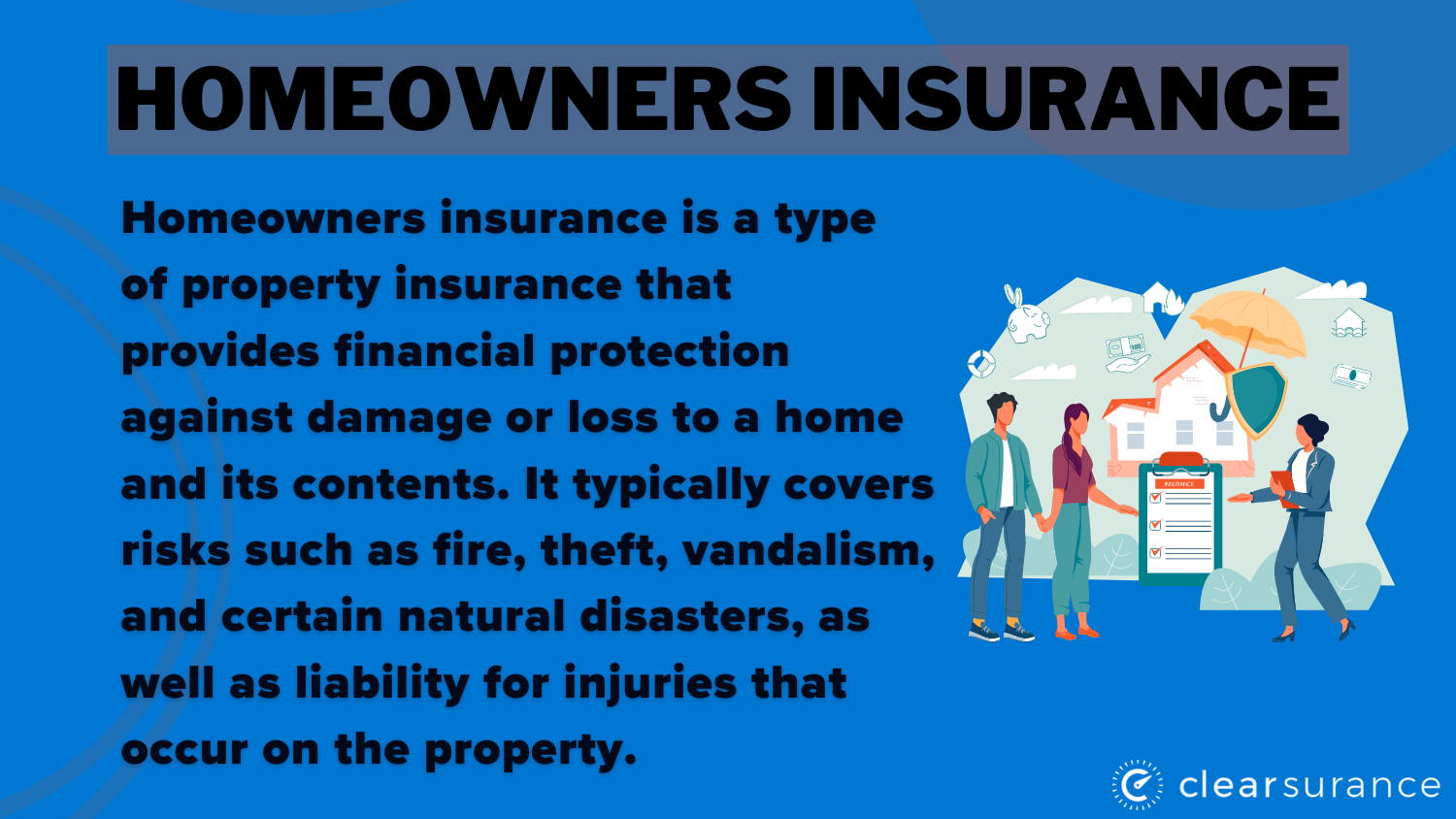
Selecting the right homeowners insurance in Colorado requires balancing high-risk environmental factors like wildfire exposure and hail damage with the standard protections needed for structural integrity and personal liability. While many national carriers offer coverage in the state, three providers—State Farm, USAA, and Travelers—consistently rank high for their combination of financial stability, specialized coverage options for mountain properties, and claims handling efficiency within the 2026 insurance market.
Understanding the Colorado Insurance Landscape
The Colorado market presents unique challenges for property owners. Because of the state’s varied topography, insurance companies segment their underwriting based on localized risk factors. Properties in the Front Range may face different challenges than those in the high-country mountainous regions.
When evaluating potential insurers, it is critical to look beyond the premium price. Colorado has experienced significant losses due to natural disasters in the past decade, leading to stricter underwriting guidelines. An insurer that appears cheaper at first glance may have lower coverage limits for "replacement cost" or may not offer adequate "ordinance or law" coverage, which is essential for bringing older homes up to current building codes after a loss.
1. State Farm: The Local Agency Model
State Farm remains a dominant force in Colorado, largely due to its extensive network of local agents. This structure is particularly advantageous for homeowners who prefer face-to-face service or who reside in smaller, more remote communities where a corporate call center might struggle to understand the regional nuance of the property.
- Regional Expertise: Because State Farm agents are often local residents, they are generally better equipped to assist policyholders in assessing wildfire mitigation requirements. Many properties in Colorado's Wildland-Urban Interface (WUI) face strict insurance requirements regarding clearing defensible space around a home.
- Replacement Cost Coverage: State Farm typically offers robust "Extended Replacement Cost" endorsements. In the event of a total loss, this coverage can provide an additional percentage above the policy limit to account for the skyrocketing costs of construction materials and labor in the current Colorado market.
- Claims Handling: The company utilizes a centralized, yet scalable, claims system that has historically proven resilient during mass-loss events, such as widespread hail storms that frequently strike the Denver metro area and the Eastern Plains.
2. USAA: Superior Service for Military Households
For those who qualify—active-duty military, veterans, and their families—USAA is frequently the top choice in Colorado. The company consistently ranks at the top of industry consumer satisfaction surveys, largely due to its specialized approach to military life and its aggressive claims processing speeds.
- Comprehensive Coverage: USAA policies are known for including "Replacement Cost" coverage as a standard feature rather than an optional add-on, meaning the company will cover the cost to replace lost or damaged items at today’s prices without deducting for depreciation.
- Military-Specific Protections: If a homeowner is deployed, their policy can be adjusted to account for a vacant or rented property, providing seamless coverage transitions.
- Financial Strength: The company maintains high financial strength ratings, which is a vital indicator of an insurer’s ability to pay out claims following a catastrophic wildfire or flood event. Colorado homeowners should prioritize this, as the state’s geographic vulnerability makes claims-paying capacity the most important factor in long-term financial security.
3. Travelers: Tailored Options for High-Value Homes
Travelers has carved out a significant niche in Colorado by offering highly customizable policies, particularly for homeowners with higher-value properties or those who require specific endorsements for things like roof replacements or backup of sewer and drain.
- The "Green" Endorsement: Travelers offers specific add-ons for homeowners who wish to rebuild their homes using more environmentally friendly or efficient materials after a covered loss. This is an increasingly attractive feature for many Colorado residents focused on sustainability.
- Flexible Deductible Structures: Colorado is prone to frequent, minor-to-moderate hail damage. Travelers allows policyholders to choose split-deductible structures, where a separate, smaller deductible may apply to wind and hail damage, preventing the homeowner from having to pay a massive "all-perils" deductible for a roof repair.
- Technology and Loss Mitigation: The company utilizes advanced modeling to help homeowners understand their property’s specific risks, including wildfire score indicators, which can help owners take proactive steps to lower their premiums.
Comparative Analysis Table
| Feature | State Farm | USAA | Travelers |
|---|---|---|---|
| Primary Strength | Local agent access | Consumer satisfaction | Customization options |
| Eligibility | Open to public | Military/Veteran focus | Open to public |
| Best For | Relationship-based service | Comprehensive coverage | High-value/Custom needs |
| Hail Mitigation | Strong local support | Standardized claims | Split-deductible options |
Critical Factors to Evaluate Before Choosing
Before signing a contract, Colorado homeowners must investigate how their potential insurer handles the following three categories.
1. Replacement Cost vs. Actual Cash Value
Always ensure your policy specifies "Replacement Cost" rather than "Actual Cash Value" (ACV). Replacement cost covers the amount it takes to rebuild your home today. ACV deducts for depreciation, meaning that if your 15-year-old roof is damaged, the insurer may only pay you what a 15-year-old roof is worth, leaving you to cover the massive difference for a new installation.
2. Ordinance or Law Coverage
Building codes in Colorado are updated frequently, especially regarding fire safety and energy efficiency. If your home is older and partially destroyed by a fire, you may be legally required to rebuild the entire structure to current, stricter codes. Standard policies often do not cover the extra cost of these upgrades unless you explicitly add "Ordinance or Law" coverage to your policy.
3. Wildfire and Hail Deductibles
It is common for Colorado insurers to implement "percentage deductibles" for specific perils. A 5% deductible on a $600,000 home means you are responsible for the first $30,000 of a loss. Read your policy documents carefully to see if your deductible is a flat dollar amount or a percentage of the home’s insured value.
Frequently Asked Questions
Is homeowners insurance required by law in Colorado? While state law does not strictly mandate that you carry homeowners insurance, almost every mortgage lender in the state requires it as a condition of your loan. If you own your home outright, it is still strongly advised to carry a policy to protect your equity against fire, theft, and liability claims.
How do wildfires impact my insurance premiums? Wildfires are a major factor in Colorado underwriting. If your home is located in a high-risk area, you may face higher premiums or be required to provide documentation of wildfire mitigation efforts, such as removing flammable vegetation within a certain distance of the house.
Does my policy cover flood damage? Generally, no. Homeowners insurance excludes flood damage caused by rising water from external sources like overflowing rivers or flash floods. You must purchase a separate policy through the National Flood Insurance Program (NFIP) or a private flood insurance provider to cover this risk.
What is the "Deductible" in the context of Colorado hail? Many insurers in Colorado now use "wind/hail deductibles." Because of the frequency of intense hail storms in the state, these are often separate from your standard deductible. If you have a specific hail deductible, the cost of the repair must exceed that threshold before the insurance company begins paying for the damages.
Next Steps for Colorado Homeowners
To make the best decision for your property, you should gather your current declaration page—the summary document of your existing policy—and request quotes from at least these three providers. When speaking with agents, ask specifically about how their coverage accounts for "replacement cost" and what specific wildfire or hail endorsements are available for your exact address.
Verify the financial rating of the company using the AM Best or S&P Global ratings, which provide independent assessments of an insurer’s stability. Once you select a carrier, prioritize updating your "home inventory" by taking photos and videos of your belongings; this evidence is crucial for a smooth claims process should you ever need to file one.