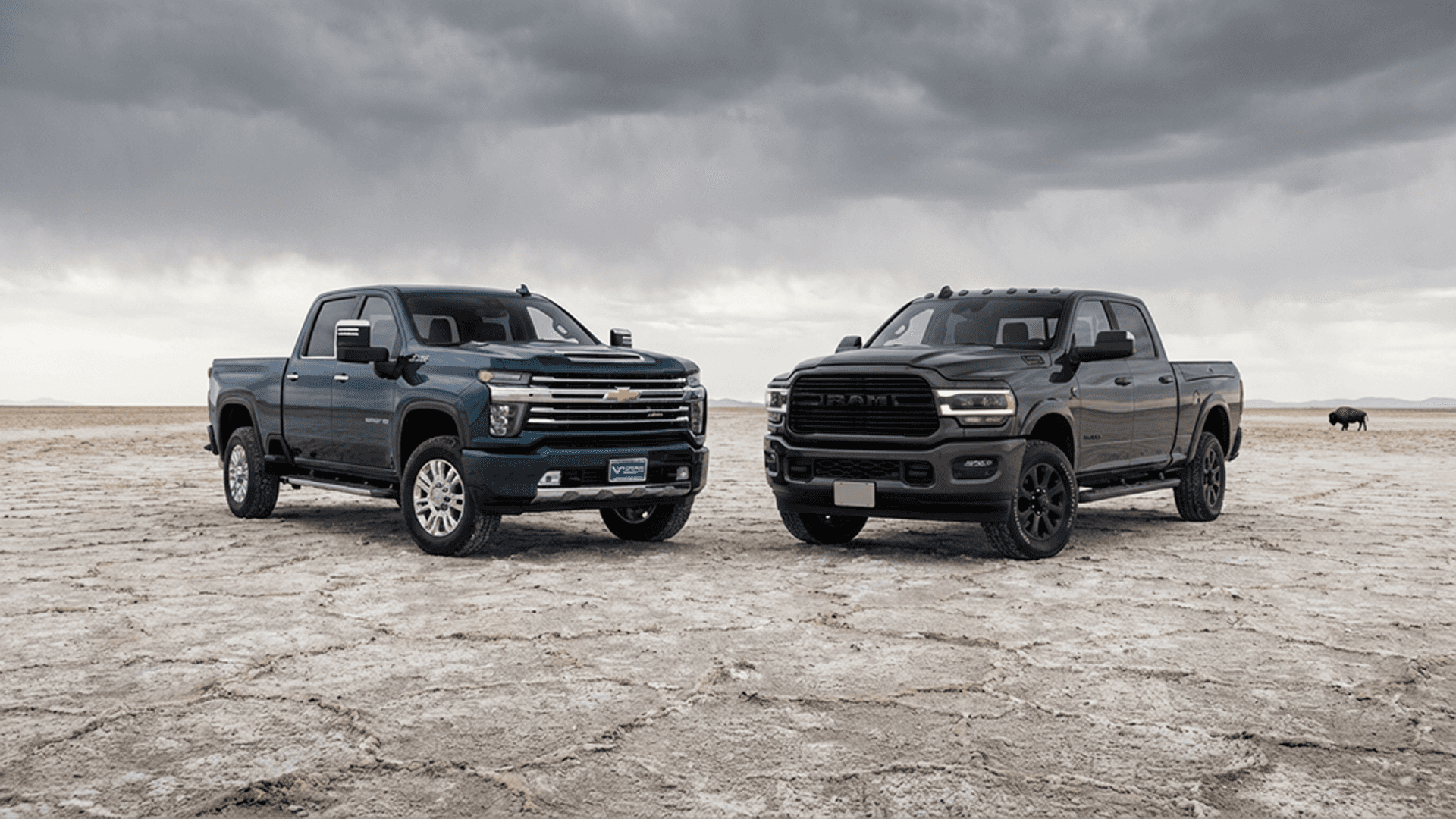
Choosing between a diesel or gasoline engine for a 2500-series truck—often used for towing vintage trailers, hauling classic project cars, or serving as a reliable weekend workhorse—depends on your specific priorities regarding maintenance, towing dynamics, and long-term operating costs. While diesel offers superior torque and fuel efficiency for heavy-duty towing, gas engines provide lower entry prices, simpler maintenance, and better performance for short-range utility.
Understanding the 2500-Series Context
The 2500-series designation across major North American manufacturers (Chevrolet, GMC, Ford, and Ram) defines a vehicle class built for higher payload and towing capacities than the 1500 half-ton models, yet it stops short of the commercial-grade 3500 chassis. When applying these platforms to a "classic ride" scenario, you are usually looking at two distinct use cases: using the 2500 to pull a classic vehicle to shows, or selecting a 2500-series truck to restore and preserve as a classic itself.
In either scenario, the engine choice significantly alters the ownership experience. Diesel engines, historically featuring heavy-duty forced induction systems, are engineered for sustained high-load environments. Gasoline engines, particularly modern naturally aspirated V8s or newer high-displacement forced induction setups, focus on power delivery and immediate throttle response. As of 2026, the gap in raw power has narrowed, but the functional differences in how these engines reach their peak performance remain distinct.
The Case for Diesel: Torque and Endurance
The primary advantage of a 2500 diesel powerplant is the torque curve. Diesel engines produce maximum pulling power at low RPMs, which is essential for "getting the load moving" without needing to downshift frequently or push the engine into high-decibel ranges.
Why it Wins for Towing: If your classic ride involves a heavy enclosed trailer or a vintage camper, the diesel engine excels. The sheer mechanical advantage provided by diesel combustion allows for better fuel economy while under load. If you are towing across mountain passes or over long distances, a diesel engine will generally operate at a lower thermal stress level than a comparable gas engine, potentially extending the lifespan of the transmission and cooling components.
Maintenance and Longevity: Diesel engines have historically been viewed as the "million-mile" choice. While modern emissions systems (DPF, DEF, and EGR) have added complexity to diesel maintenance, the core rotating assembly of a diesel is built to withstand significantly higher internal pressures. If you prioritize the longevity of your drivetrain over short-term repair simplicity, diesel remains the industry benchmark.
The Case for Gas: Simplicity and Cost-Effectiveness
For many enthusiasts, the classic truck experience is defined by the ability to perform DIY maintenance. Gasoline 2500 engines are significantly easier to work on and generally less expensive to service.
Lower Initial Investment: The "diesel premium"—the additional cost added to the vehicle's MSRP—can be substantial, often ranging from $8,000 to $12,000 depending on the model and year. For a hobbyist who only tows a vintage car a few times a year, the fuel savings provided by diesel may never offset the initial premium and the higher cost of routine maintenance, such as oil changes and fuel filter replacements.
Performance Characteristics: Modern gasoline engines in 2500 trucks have seen a resurgence in performance, with high-displacement V8 engines offering impressive horsepower figures. While they require higher RPMs to reach their peak torque, this is often preferred for "sporty" driving or shorter, lighter towing tasks. Additionally, gasoline engines are less susceptible to the cold-start issues that occasionally plague diesel engines in extreme winter climates.
Comparative Analysis: Technical Specifications
| Feature | Diesel Engine | Gasoline Engine |
|---|---|---|
| Primary Strength | Torque at low RPM | Throttle response/Horsepower |
| Fuel Economy (Loaded) | High (12-16 MPG avg) | Moderate (6-10 MPG avg) |
| Maintenance Complexity | High (DEF, DPF, fuel systems) | Low (Standard ignition/intake) |
| Upfront Cost | Significant Premium | Base Model Price |
| Best For | Heavy towing, high mileage | Occasional towing, daily use |
Navigating Emissions and Regulations
When selecting a 2500-series truck, particularly if you are considering a vintage-era diesel (pre-2007 emissions standards), you must account for local regulatory environments. In many jurisdictions as of 2026, older diesel engines without modern emissions equipment face stricter inspection standards or total bans in certain urban zones. Conversely, modern diesel engines are highly compliant but require the use of Diesel Exhaust Fluid (DEF), which adds a recurring logistical requirement to your ownership experience.
Gasoline engines, having used sophisticated catalytic converters and ECU-controlled fuel injection for decades, face fewer legislative hurdles for vintage owners. If your "classic ride" is a vehicle you plan to keep for several decades, the long-term support for gasoline parts is typically more robust and affordable than the specialized support required for aging diesel fuel injection systems.
Addressing Common Misconceptions
One frequent error owners make is assuming that "diesel equals better" regardless of the distance traveled. If you use your 2500 to drive short distances to a local garage or a local car show, a diesel engine may never reach full operating temperature. This is harmful, as diesel engines require sustained heat to cycle their emissions systems effectively; failing to do so leads to clogged DPFs and shortened engine life.
Another misconception is that diesel engines are always louder. While traditional "rattle" was a hallmark of the past, modern 2500 diesels are surprisingly quiet. However, the cost of parts for these modern, quiet systems is significantly higher than that of a standard gas V8.
FAQ: Deciding the Best Path
Q: Does a diesel engine hold its resale value better than a gas engine for a 2500 truck? Yes, historically, heavy-duty diesel trucks retain a higher percentage of their value. However, this is heavily dependent on the condition of the emissions systems and the documented service history of the engine.
Q: Can I use a gas engine to tow a heavy vintage trailer? Absolutely. Modern 2500 gas engines are more than capable. While they will work harder and consume more fuel while climbing hills, they have the cooling capacity and chassis strength to handle the load safely.
Q: Which engine is better for a truck that sits for long periods? Gasoline is generally better for vehicles that experience long periods of inactivity. Diesel fuel can degrade, and modern diesel emissions components are sensitive to humidity and lack of use, which can lead to costly repairs if the truck is left parked for months at a time.
Q: Is it cheaper to do my own maintenance on a gas engine? Yes. You can complete most routine maintenance on a 2500 gas engine with standard tools found in a home garage. Diesel engines often require specialized diagnostic software and more frequent, specialized filter changes.
Final Recommendation
If your classic ride involves frequent, long-distance hauling of heavy loads—such as towing a large, enclosed trailer across the country—the 2500 diesel is the clear winner for its towing stability, torque, and fuel efficiency.
If you are a weekend warrior who tows occasionally, performs your own maintenance, and values lower upfront costs, the 2500 gasoline engine is the superior choice. It provides the power necessary for any standard towing job while remaining more budget-friendly and simpler to keep on the road for the long term. Evaluate your annual mileage and typical towing frequency; the "winner" is the engine that spends more time in its optimal operating range throughout your specific ownership lifecycle.