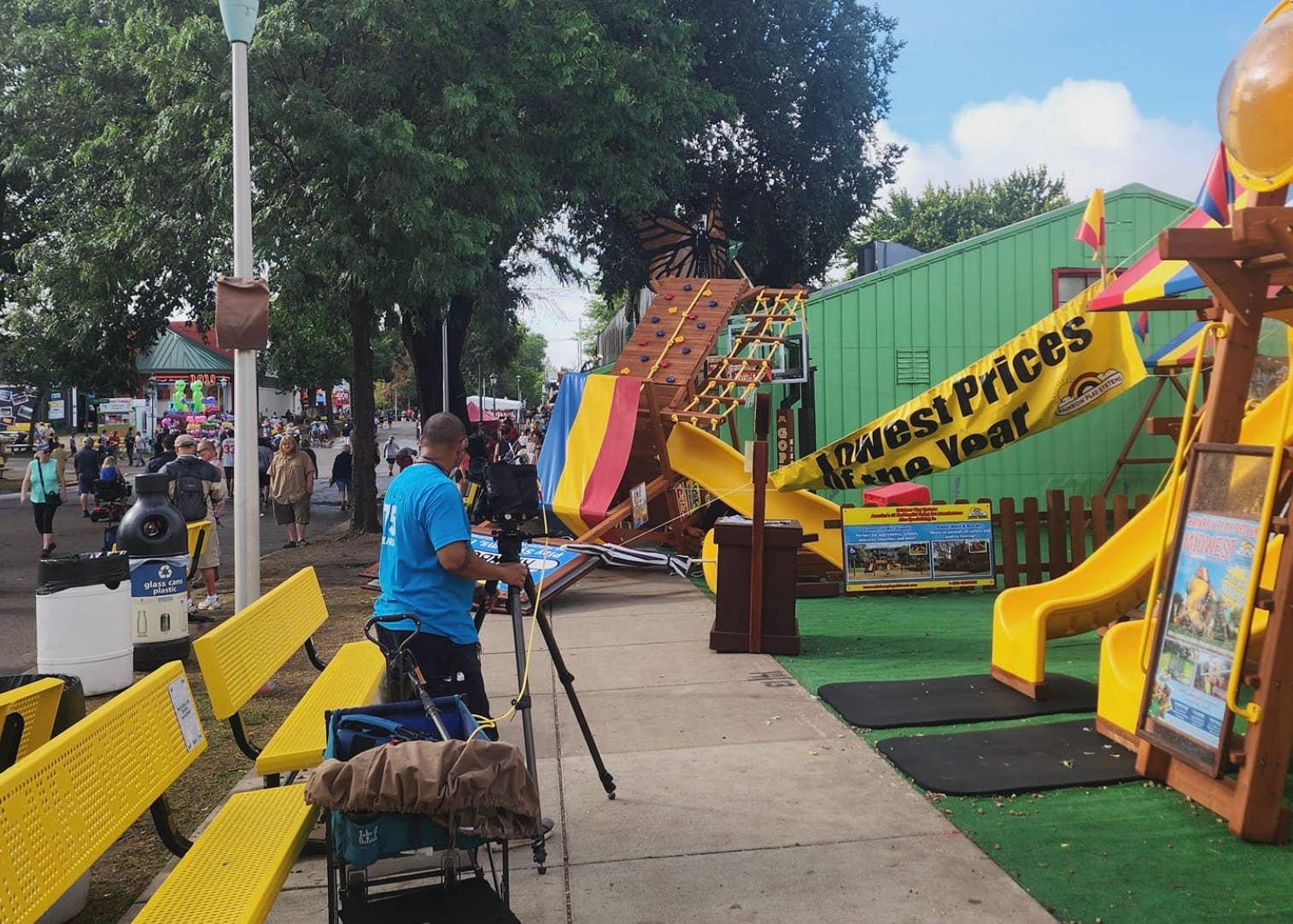
The 2024 Minnesota State Fair, held from August 22 through Labor Day, September 2, 2024, served as a landmark installment of the "Great Minnesota Get-Together." Spanning twelve days, the event featured a meticulously structured schedule of agricultural competitions, live musical performances at the Grandstand, educational exhibits, and an extensive array of new culinary offerings that defined the cultural landscape of the 2024 season.
Understanding the 2024 Minnesota State Fair Framework
The Minnesota State Fair is an independent, self-supporting entity that functions as a non-profit corporation. Its primary mission involves showcasing Minnesota’s agriculture, arts, and industry. The 2024 iteration adhered to the traditional schedule, opening on the Thursday preceding Labor Day and concluding on the holiday itself. This 12-day window represents the operational core of the fair, requiring immense coordination between vendors, performers, and thousands of volunteers.
For attendees, the 2024 fair schedule was divided into daily programming blocks. Each day typically featured livestock judging in the barns, daily parades, and specialized programming such as "Seniors Day" or "Military Appreciation Day." Understanding this rhythm is essential for visitors, as early morning hours are traditionally dominated by agricultural judging, while late afternoons and evenings transition toward entertainment and general leisure.
Notable Highlights and Cultural Impact of 2024
The 2024 fair was characterized by several high-profile additions and long-standing traditions that attracted record-breaking engagement. A central highlight of any Minnesota State Fair is the "New Foods" reveal, which historically dictates social media trends and visitor foot traffic for the duration of the event.
In 2024, the culinary scene saw the introduction of innovative snacks that blended local ingredients with global flavor profiles. Beyond the food, the Grandstand concert series played a pivotal role in the fair's revenue and attendance. High-caliber national touring acts performed in the outdoor venue, which is specifically designed to accommodate thousands of spectators while maintaining the aesthetic of the historic fairgrounds.
Agricultural exhibits remained the heartbeat of the fair. In 2024, the 4-H and FFA (Future Farmers of America) programs saw robust participation. These programs are not merely displays; they are the result of year-long projects led by youth from across the state. The competition for the coveted blue ribbon in livestock shows, produce displays, and handicraft exhibits represents the pinnacle of community achievement for many Minnesotan families.
Operational Logistics: Navigating the Fairgrounds
Accessing the 134-acre fairgrounds in Falcon Heights requires navigating complex logistical frameworks. The 2024 fair continued the tradition of utilizing park-and-ride shuttle services, which are critical to managing traffic congestion in the surrounding residential areas.
Essential Visitor Guidelines and Comparison
To ensure an efficient visit, one must understand the difference between peak and off-peak attendance hours. Weekdays, particularly early in the run, often provide a more accessible environment for navigating the exhibit halls compared to the final weekend, which historically sees the highest crowd density.
| Feature | Off-Peak (Weekdays) | Peak (Labor Day Weekend) |
|---|---|---|
| Crowd Density | Moderate | Very High |
| Transit Wait Times | Low to Moderate | High |
| Exhibit Availability | Optimal | Congested |
| Service Access | Immediate | Potential Delays |
When planning for a fair visit, participants should prioritize identifying "Must-See" exhibits. Given the scale of the grounds, attempting to view everything in a single day is logistically difficult. Most seasoned attendees categorize their time by zone: the West End for specialized entertainment, the North End for livestock and agriculture, and the central corridor for iconic food vendors and the Grandstand.
The Role of Technology and Digital Integration
By 2024, the digital integration of the Minnesota State Fair had reached a state of maturity. The official mobile application allowed users to view real-time schedules, search for food locations using GPS mapping, and receive push notifications regarding weather-related disruptions or special announcements.
This digital transformation was not limited to navigation. Payment systems at the 2024 fair saw a shift toward broader card and mobile payment acceptance across vendors, reducing the reliance on physical cash—a significant operational upgrade compared to previous decades. However, visitors were still advised to carry physical currency for smaller purchases or instances where network connectivity might be inconsistent in high-traffic areas.
Financial and Administrative Considerations
Operating as a self-sustaining entity, the Minnesota State Fair relies heavily on gate admissions, vendor fees, and commercial partnerships. The 2024 pricing structure was designed to cover the overhead of grounds maintenance, security, sanitation, and electrical infrastructure.
For many stakeholders, the fair functions as a primary economic driver. Small businesses that rely on the 12-day window to generate a substantial portion of their annual revenue must meticulously manage supply chains, staffing, and inventory. The Fair Administration oversees these operations, ensuring that health codes are met and that the fair’s stringent safety standards—ranging from structural integrity of amusement rides to the handling of livestock—are upheld.
Addressing Common Challenges: Maintenance and Safety
Safety is the most critical operational component of the fairgrounds. The 2024 fair implemented rigorous protocols for crowd management and medical emergencies. With hundreds of thousands of people moving through the gates, the fairgrounds operate as a temporary city.
Addressing Common Attendee Questions
- How are crowds managed during peak hours? The fair utilizes a system of wide thoroughfares and designated pedestrian zones. Security staff and local law enforcement are positioned strategically throughout the grounds to prevent bottlenecking.
- What are the protocols for severe weather? The fair has established "Shelter-in-Place" zones across the grounds. Announcements are made via the PA system and the official app should extreme weather occur, and event staff are trained to guide attendees to permanent structures.
- Are the facilities accessible for individuals with disabilities? Yes, the fairgrounds are designed for accessibility, with paved pathways, ADA-compliant restrooms, and designated seating areas at all major venues. Mobility scooters are available for rent at various gate entrances.
- How does the fair verify the safety of food vendors? Every food vendor must pass health inspections conducted by the Minnesota Department of Health before and during the event. These inspections cover food temperature, sanitation, and staff hygiene.
- Can visitors bring their own food and beverages? Visitors are permitted to bring personal coolers containing food and non-alcoholic beverages. However, glass bottles and alcoholic beverages from outside the premises are prohibited.
The Significance of Community and Educational Outreach
Beyond the entertainment value, the 2024 Minnesota State Fair played a vital role in education. The "Education Building" and various thematic exhibits provided a platform for universities, state agencies, and non-profits to engage directly with the public. Topics ranged from environmental sustainability and water conservation to cybersecurity and health awareness.
This educational mission is fundamental to the fair's identity. By bridging the gap between urban and rural populations, the fair provides a space for cultural exchange that is largely unavailable in other formats. The 2024 edition reinforced this by expanding interactive displays that allowed attendees to participate in science experiments or view live demonstrations of traditional trades.
Conclusion and Recommendations for Future Engagement
The 2024 Minnesota State Fair succeeded by balancing the preservation of long-standing traditions with necessary modernizations. For those looking to engage with the legacy of the fair, the most effective approach is to view it as an annual study of Minnesota culture.
If you are planning to attend future iterations, follow these recommendations:
- Utilize the official mobile app: Monitor the "Schedule" feature to pre-plan your day and avoid missing time-sensitive performances.
- Use park-and-ride: Minimize the stress of parking by using the designated transit hubs, which are consistently updated on the official website.
- Focus on niche interests: Use the fair’s website index to find specific buildings related to your hobbies—be it the Fine Arts Center, the Eco Experience, or the various animal barns—to ensure your trip remains focused.
- Prioritize hydration and rest: The 12-day event is physically demanding; utilize the many shaded areas and permanent seating zones to pace yourself.
The 2024 Minnesota State Fair remains a cornerstone of the region's summer calendar, providing a window into the state’s current agricultural and social climate. By understanding the administrative structure and the rhythm of the daily schedule, visitors can navigate the "Great Minnesota Get-Together" with greater efficiency and appreciation for the logistics involved in this historic event.