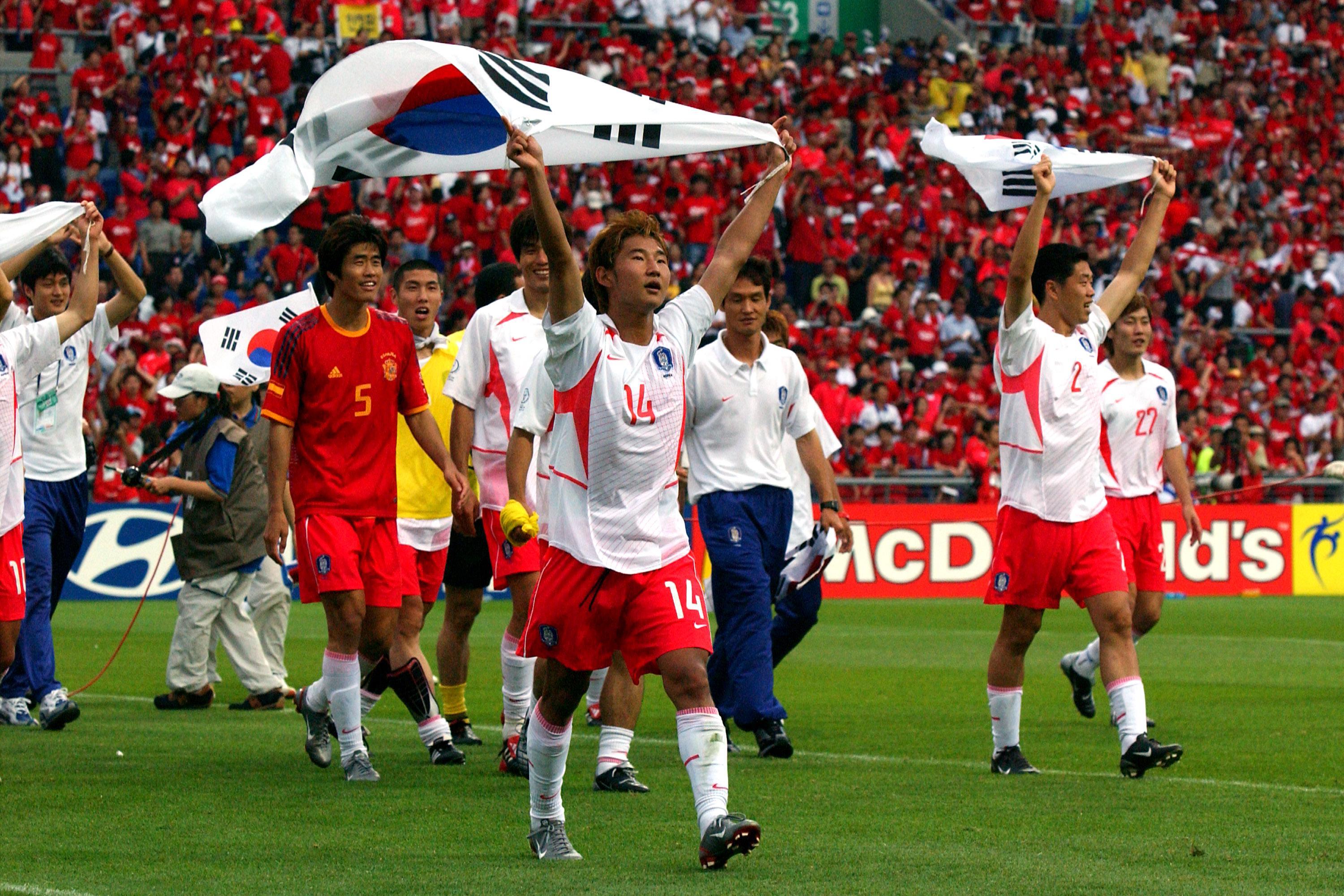
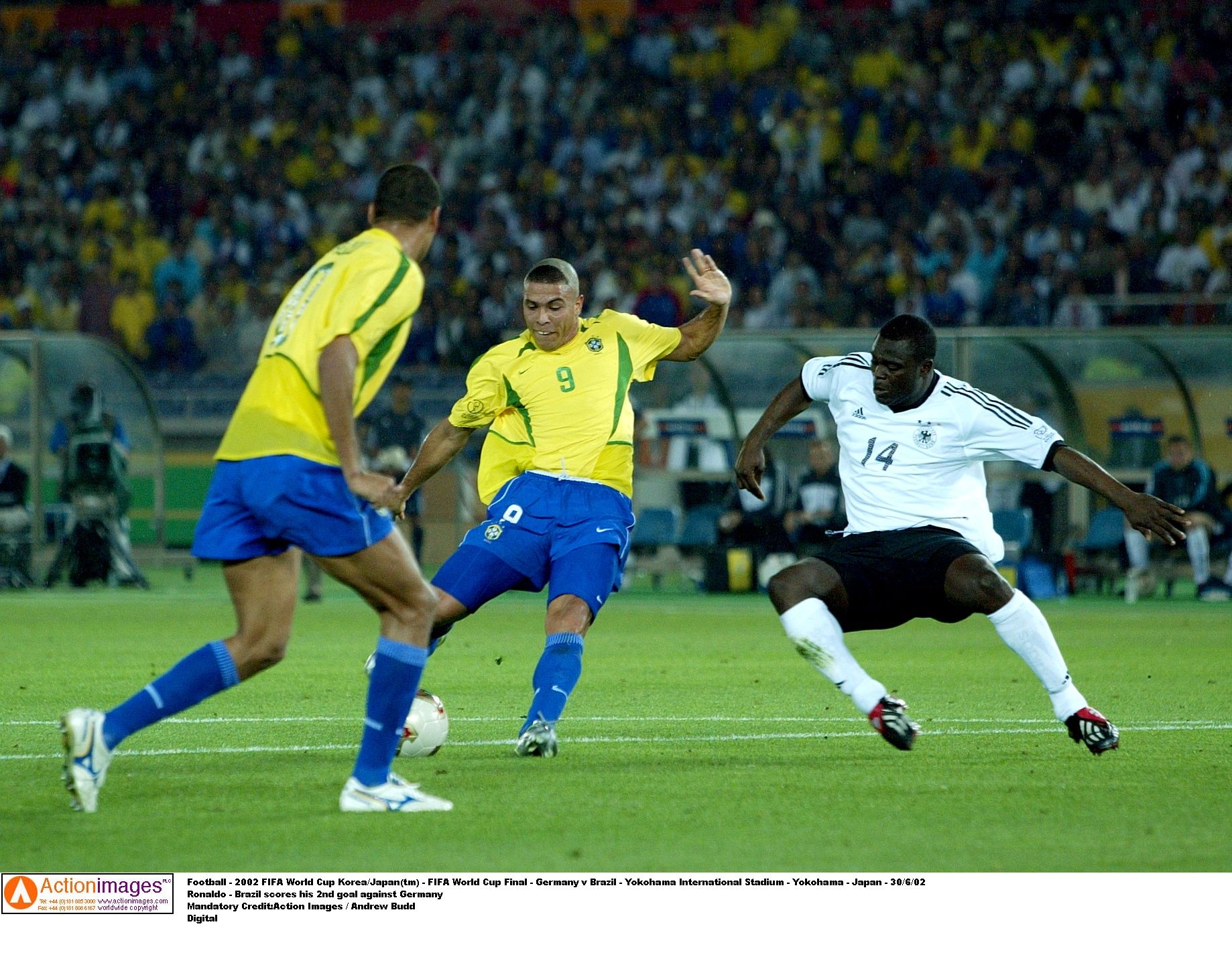
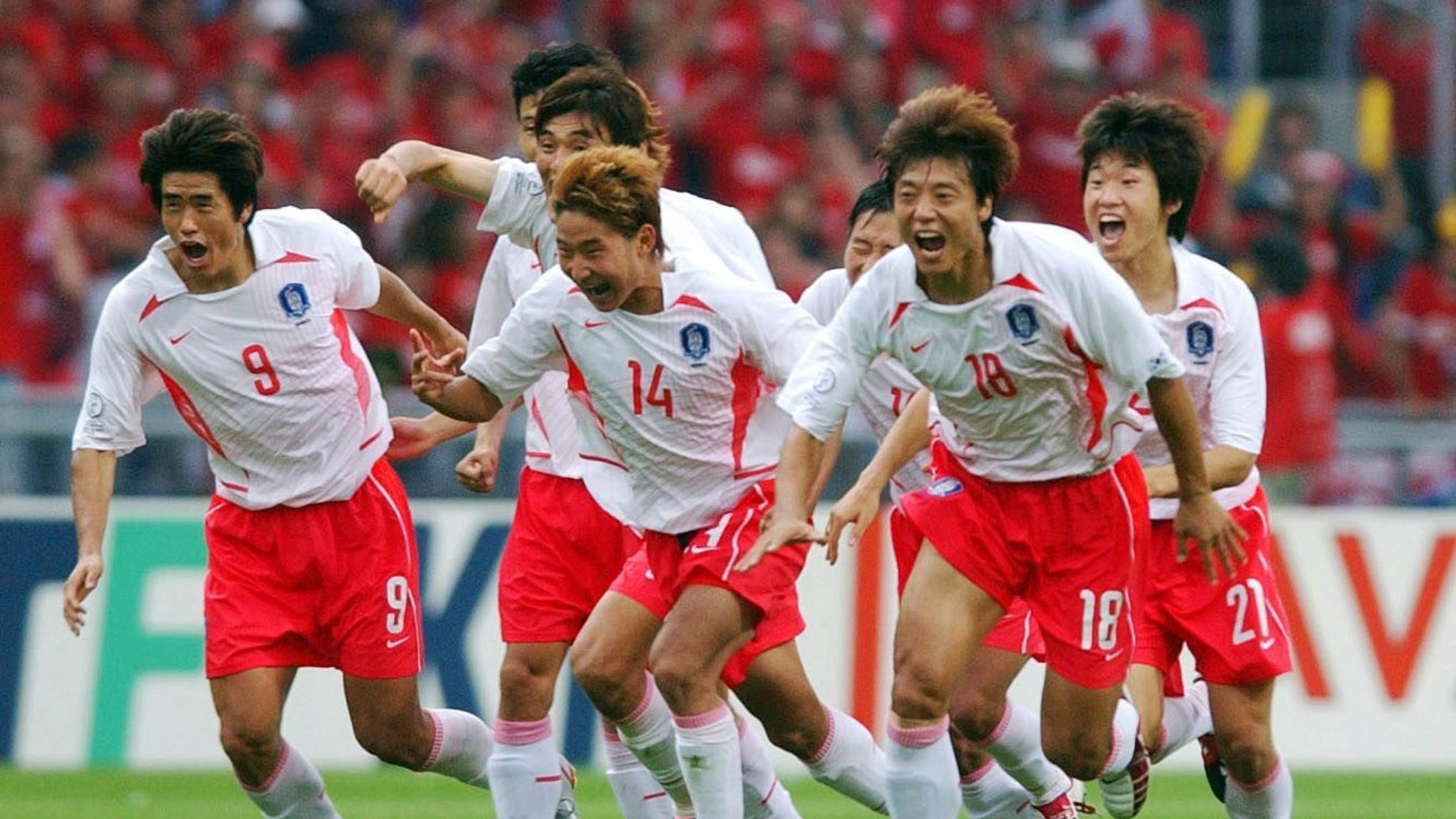
The official 2002 FIFA World Cup song was "Boom" by American pop artist Anastacia, serving as the sonic centerpiece of the tournament co-hosted by South Korea and Japan. Designed to capture the energy of the first global football championship held in Asia, the track blended contemporary pop hooks with an upbeat, danceable rhythm that became synonymous with the summer of 2002.
Introduction to the 2002 FIFA World Cup Musical Identity
The 2002 FIFA World Cup marked a massive cultural milestone for international association football. As the tournament ventured outside of Europe and the Americas for the first time, FIFA and local organizing committees sought an anthem that could bridge diverse cultures while embodying the dynamic, fast-paced nature of the sport. The search for a universal musical identity culminated in the selection of "Boom" by Anastacia as the official tournament song, alongside an expansive official album that featured a diverse roster of international and regional artists.
Understanding the 2002 FIFA World Cup song requires looking beyond a single track. While "Boom" served as the primary anthem for broadcast sequences, stadium walk-outs, and official ceremonies, the wider musical landscape of the tournament included tracks that resonated deeply within the host nations and across participating continents. This era represented a turning point in how sports governing bodies marketed global events through synchronized multimedia campaigns, utilizing high-budget music videos, global CD releases, and heavy rotation on international music channels.
The Official Anthem: "Boom" by Anastacia
When FIFA announced American singer Anastacia as the voice of the 2002 tournament, she was riding a wave of massive international success following her multi-platinum album Not That Kind and the hit single "I'm Outta Love." Written by Anastacia along with Glen Ballard and Sheridan Tongue, "Boom" was engineered to have immediate global appeal through a mixture of energetic dance-pop production, rock instrumentation, and soaring vocal delivery.
Musical Composition and Production Style
"Boom" operates at a brisk tempo, driven by a pulsating rhythm section, driving electric guitars, and prominent brass elements that gave it a stadium-ready feel. Anastacia’s distinctive, husky, and powerful vocal performance cut through the dense production, providing a memorable melodic anchor. The track’s composition utilized a straightforward verse-chorus structure designed for mass sing-alongs, ensuring that fans who did not speak English could easily latch onto the rhythmic chants and titular chorus.
Release, Commercial Performance, and Reception
Released in the spring of 2002, "Boom" was heavily promoted by Sony Music and FIFA broadcast partners. It reached notable chart positions across several European territories, including peaking within the top ten in countries like Italy, Switzerland, and Belgium. The accompanying music video, directed by European commercial directors, featured high-energy choreography, futuristic elements, and vibrant displays of global football fandom, cementing the song's association with the tournament's visual aesthetic.
| Attribute | Details |
|---|---|
| Song Title | "Boom" |
| Primary Artist | Anastacia |
| Writers | Anastacia, Glen Ballard, Sheridan Tongue |
| Release Year | 2002 |
| Record Label | Epic Records / Sony Music |
| Primary Genre | Dance-pop, Pop rock |
The Broader Soundtrack: The Official Album of the 2002 FIFA World Cup
While "Boom" held the title of official tournament anthem, FIFA released a comprehensive compilation album titled The Official Album of the 2002 FIFA World Cup: The Voices of Korea/Japan. This record reflected the collaborative spirit of the co-hosting nations, bringing together Western pop acts with major Asian artists to create a truly cross-cultural listening experience.
Regional Integration and Local Headliners
A significant portion of the album was dedicated to highlighting the musical talent of South Korea and Japan. Tracks like "Let's Get Together Now"—a collaborative effort by Japanese pop artists and South Korean performers—symbolized the diplomatic and cultural cooperation required to host the joint tournament. These local anthems received heavy airplay in East Asia, shaping the on-the-ground fan experience during matches in Seoul, Yokohama, Tokyo, and beyond.
Standout Tracks on the Official Compilation
The compilation album featured contributions from a diverse lineup of international stars, each bringing a distinct regional flavor to the project:
- Vengaboys – Contributed high-energy Eurodance tracks tailored for matchday celebrations.
- Chemistry and S.I.S. – Represented the J-Pop and K-Pop R&B movements, bridging contemporary Asian urban sounds with global pop production standards.
- Local Traditional Arrangements – Blended classical orchestral arrangements with traditional Korean and Japanese folk instruments for official broadcast preamble themes.
Cultural Impact and Broadcasting Integration
The year 2002 represented a crucial transitional period for sports broadcasting and music synchronization. Satellite television coverage reached hundreds of millions of households worldwide, and broadcasters utilized "Boom" as the auditory signature for match introductions, half-time highlight reels, and tournament recap specials.
The song's heavy rotation on networks like MTV Asia, MTV Europe, and regional sports channels ensured that it transcended the sporting context, becoming a chart fixture of the early summer. This synergy between global sporting events and pop music marketing laid the blueprint for subsequent World Cups, where official anthems became major commercial properties in their own right, generating substantial licensing revenue and global visibility for participating artists.
Evolution of FIFA World Cup Musical Identity
To understand the unique place of the 2002 anthem, it helps to examine its context within the broader history of official tournament music. FIFA began officially commissioning or designating tournament songs starting prominently in the 1990s, evolving from traditional orchestral marches to commercial pop tracks designed for global radio play.
- 1990 (Italy): "To Be Number One" ("Un'estate italiana") by Edoardo Bennato and Gianna Nannini established the modern template of a melodic, emotionally resonant pop-rock anthem.
- 1998 (France): "La Copa de la Vida" ("The Cup of Life") by Ricky Martin became a global Latin pop phenomenon, setting a high benchmark for commercial reach.
- 2002 (South Korea/Japan): "Boom" by Anastacia shifted the sound toward high-octane dance-pop with a heavy emphasis on electronic production and mainstream radio appeal.
- 2006 (Germany): "The Time of Our Lives" by Il Divo and Toni Braxton leaned into a dramatic, operatic pop style suitable for a European sporting showcase.
Frequently Asked Questions
What was the official song of the 2002 FIFA World Cup?
The primary official song was "Boom" performed by American singer Anastacia. Additionally, the tournament featured an extensive official companion album titled The Voices of Korea/Japan that included various international and regional collaborative tracks.
Who wrote and produced "Boom" by Anastacia?
"Boom" was written by Anastacia along with prominent American songwriter and producer Glen Ballard, who is known for his work with Alanis Morissette and Michael Jackson, alongside composer and producer Sheridan Tongue.
Was "Boom" a commercial success globally?
Yes, the song achieved strong commercial performance, particularly across Europe and parts of Asia, charting within the top ten in several nations and receiving heavy rotation across international music television networks during the tournament.
Are there other notable songs associated with the 2002 tournament?
Yes, the official album included regional hits such as "Let's Get Together Now" by Voices of KOREA/JAPAN, which served as a collaborative anthem symbolizing unity between the two co-hosting nations.
How did fans react to the 2002 World Cup musical selection?
Reception was generally positive, with fans praising the high-energy nature of "Boom" during stadium broadcasts, while local audiences in South Korea and Japan embraced the dedicated regional tracks featured on the official compilation album.
Conclusion and Legacy
The 2002 FIFA World Cup song remains a distinct artifact of early 2000s pop culture and sports entertainment. By selecting Anastacia's high-energy track "Boom" and pairing it with a culturally diverse companion album, FIFA successfully captured the spirit of a historic tournament that united two distinct nations. Decades later, the track is remembered fondly by football enthusiasts who associate its driving beat and soaring vocals with the unforgettable upsets, dramatic matches, and warm summer nights of the 2002 global showcase.