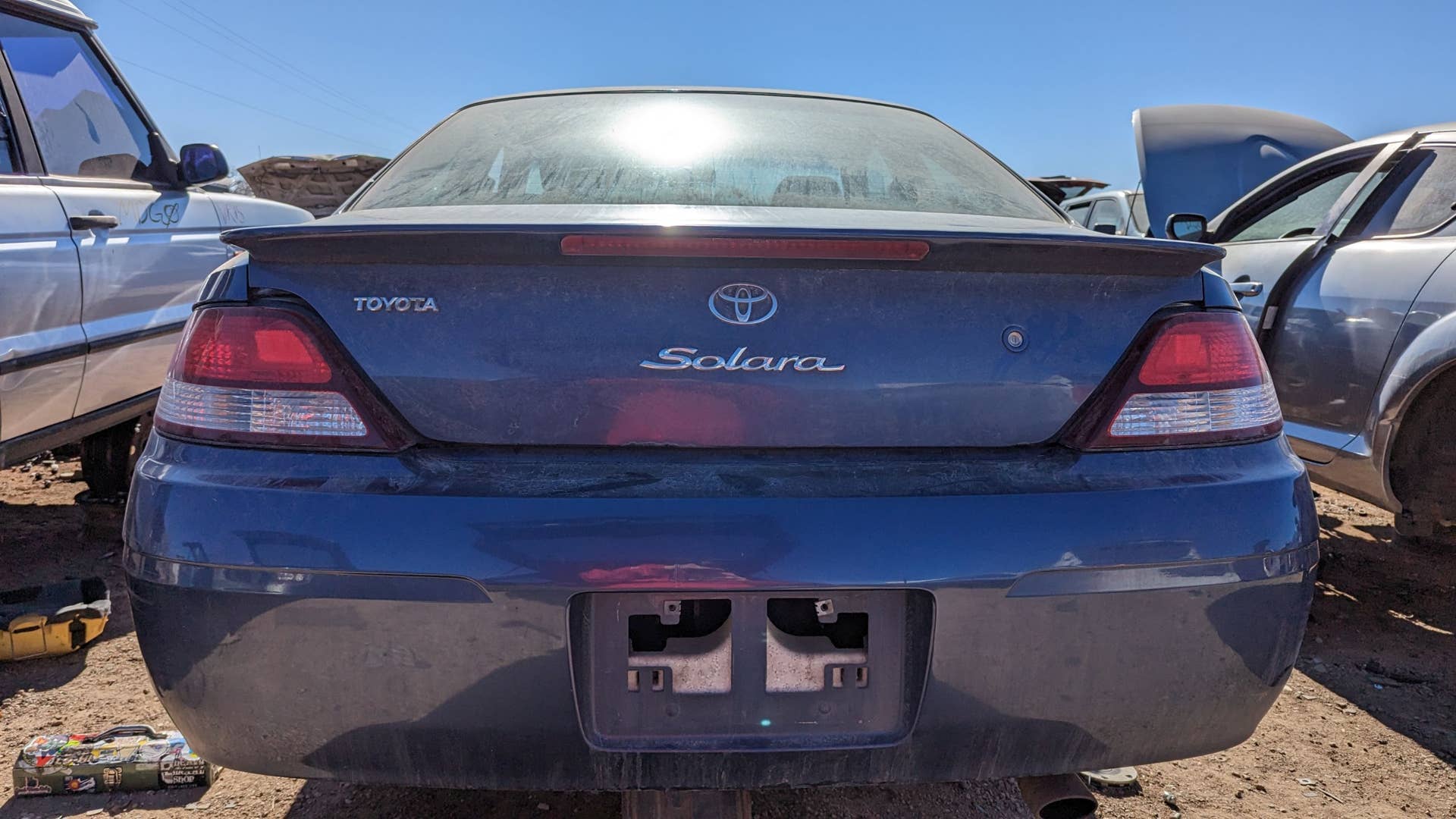
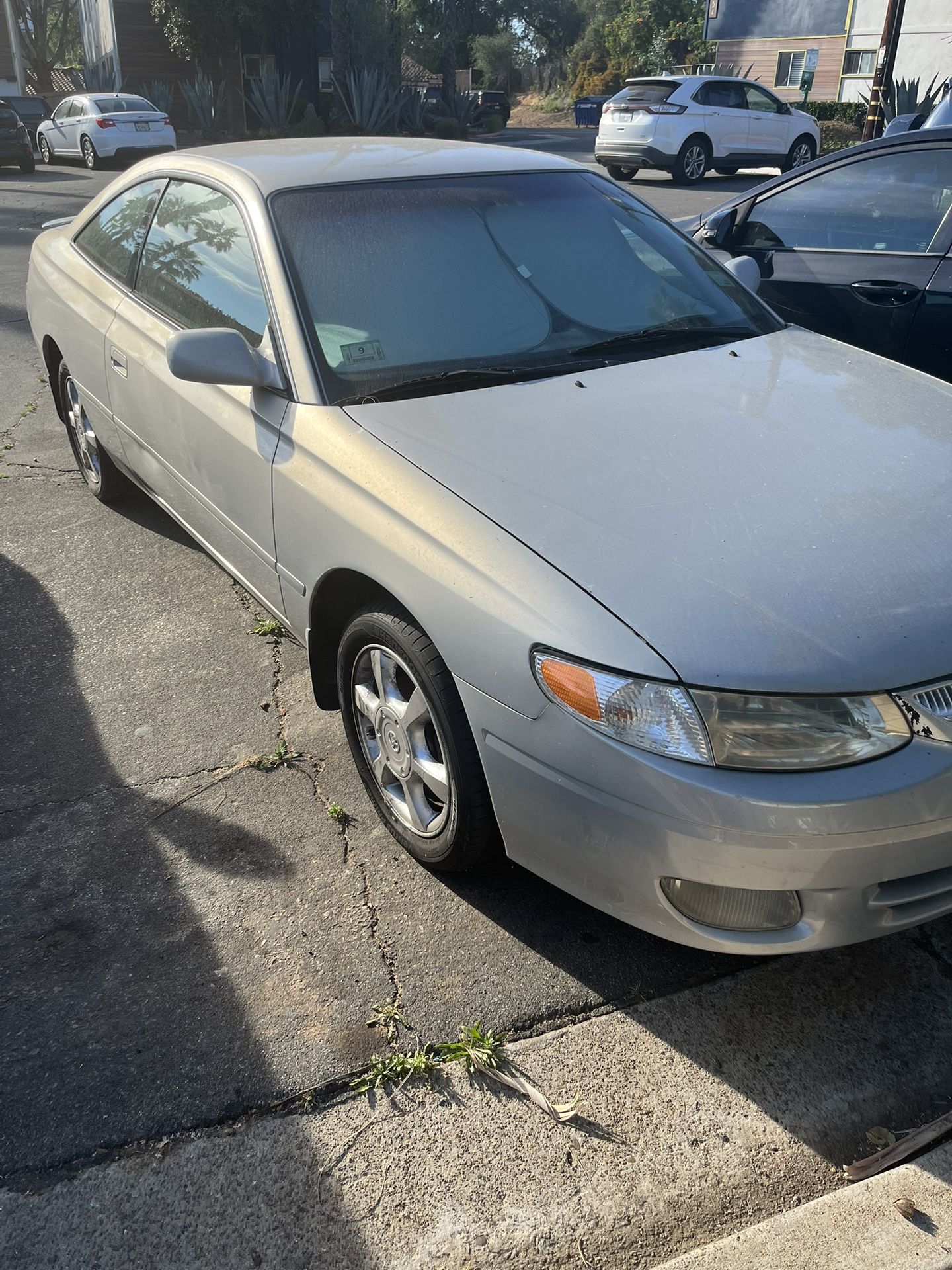
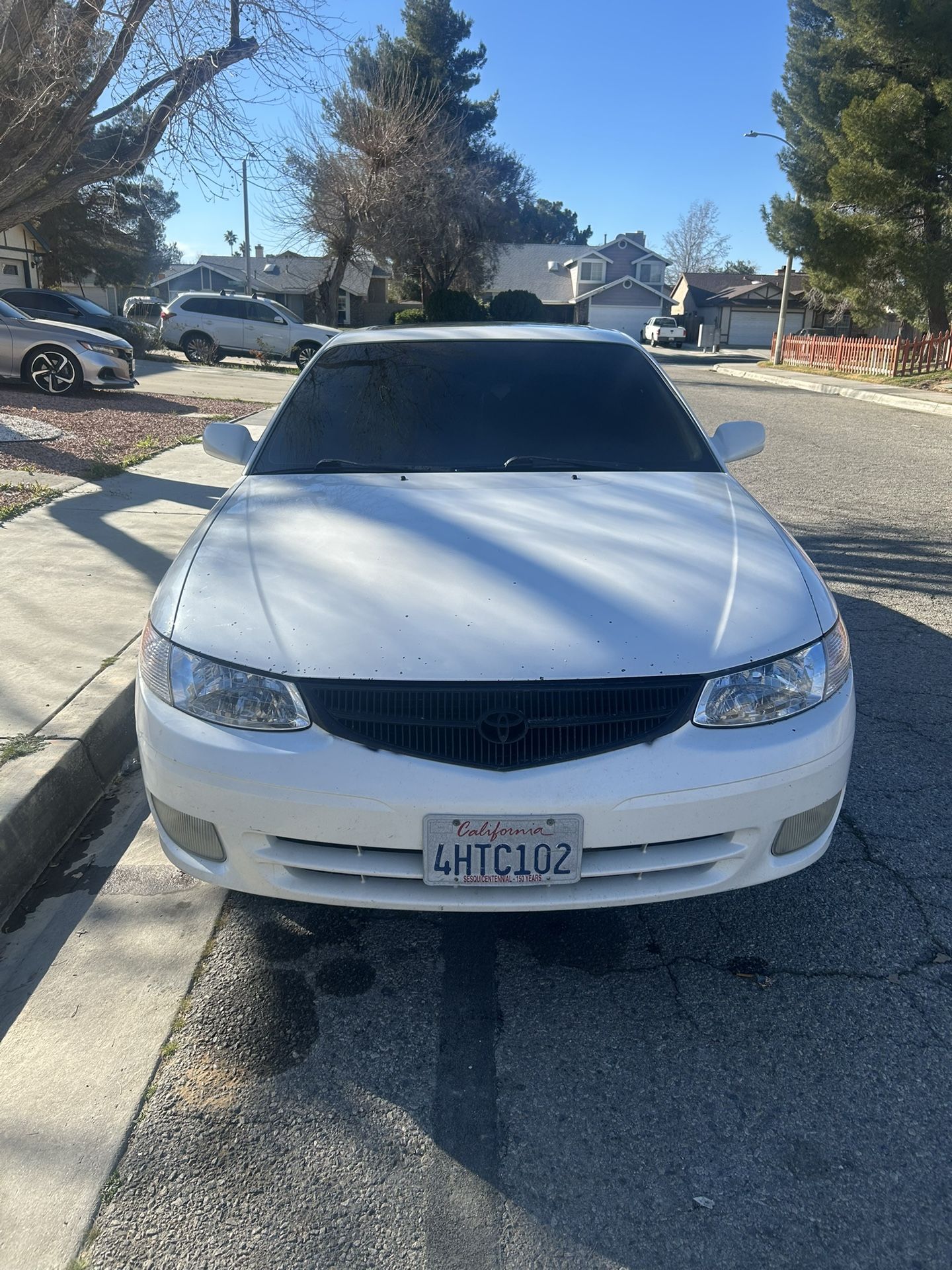
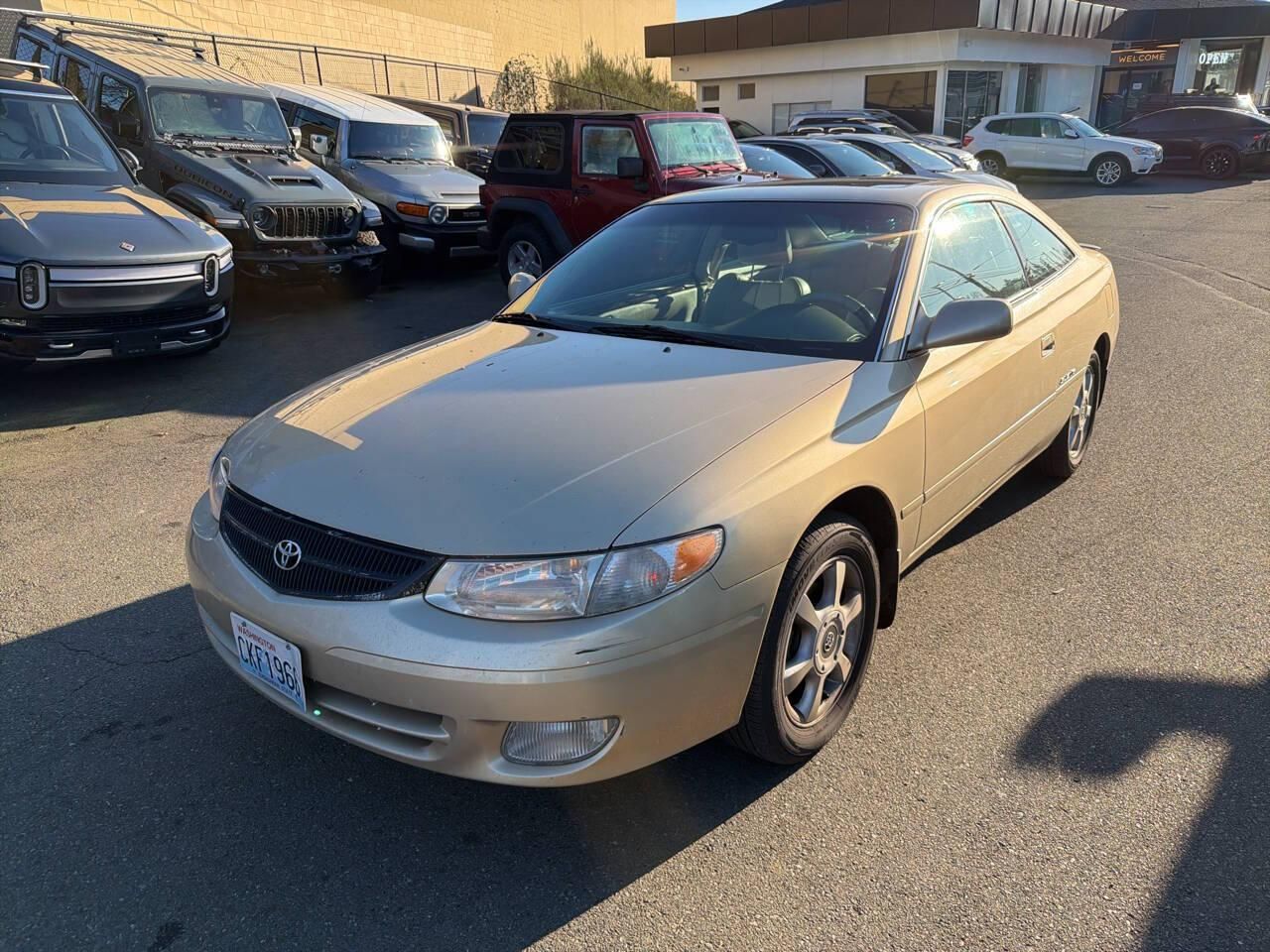
The 2000 Toyota Solara V6 is a mid-size coupe (and convertible) based on the XV20 Camry platform, offering a blend of Toyota reliability with a more expressive, aerodynamic design. Powered by the 3.0L 1MZ-FE V6 engine producing 200 horsepower, it serves as a comfortable grand tourer rather than a dedicated sports car, valued in 2026 for its longevity and "youngtimer" classic appeal.
The Origins and Intent of the Toyota Solara
The Toyota Camry Solara, known simply as the Solara, was introduced to fill a void in Toyota’s late-90s lineup. While the standard Camry was the undisputed king of the family sedan market, it lacked the stylistic flair desired by "empty nesters" and younger buyers who wanted reliability without the "soccer-moms" stigma. For the 2000 model year—the second year of the first generation (Gen 1)—the Solara solidified its position as a more sophisticated, slightly stiffer alternative to the sedan.
Unlike many coupes of the era that were merely two-door versions of sedans, Toyota engineers specifically reinforced the Solara’s chassis. It featured a strengthened strut tower brace, a reinforced cowl, and a larger rear longitudinal member. These changes were designed to reduce the body flex often associated with large coupes, providing a more "planted" feel on the road. As we evaluate these vehicles in 2026, those structural reinforcements have helped many Solaras remain rattle-free even after a quarter-century of service.
Technical Specifications: The 1MZ-FE V6 Heart
The centerpiece of the 2000 Solara V6 is the 3.0-liter 1MZ-FE engine. This powerplant is legendary within the automotive community for its smoothness and durability, provided specific maintenance hurdles are cleared.
Engine Architecture and Performance
The 1MZ-FE is a 60-degree V6 engine featuring an aluminum block and aluminum DOHC 24-valve cylinder heads. For the 2000 model year, this engine produced 200 horsepower at 5,200 RPM and 214 lb-ft of torque at 4,400 RPM. It utilized a multi-port fuel injection system and an acoustic control induction system (ACIS) to optimize torque across the rev range.
While 200 horsepower might seem modest by 2026 standards, the delivery is exceptionally linear. The engine lacks the "buzzy" vibration found in the inline-four variants, making the V6 the preferred choice for highway cruising and effortless overtaking.
Transmission Options
The 2000 Solara V6 was primarily paired with the A541E 4-speed automatic transmission. This unit is known for its "intelligent" shift logic, which adapts to the driver's style to minimize hunting between gears on inclines. Interestingly, and rare for the segment at the time, Toyota also offered a 5-speed manual transmission on the V6 SE trim. These manual V6 Solaras are highly sought after by enthusiasts today due to their rarity and more engaging driving dynamics.
| Feature | Specification (2000 Solara V6) |
|---|---|
| Engine Type | 3.0L V6 24-Valve DOHC (1MZ-FE) |
| Horsepower | 200 hp @ 5,200 rpm |
| Torque | 214 lb-ft @ 4,400 rpm |
| Drive Type | Front-Wheel Drive (FWD) |
| Transmission | 4-speed Automatic / 5-speed Manual |
| Fuel Economy (EPA Est.) | 19 City / 26 Highway (MPG) |
| 0-60 MPH | ~7.2 to 8.0 Seconds |
| Curb Weight | 3,185 - 3,425 lbs |
| Wheelbase | 105.1 inches |
Trim Levels and Interior Comfort
The 2000 Solara V6 was offered in two primary trims: the SE and the SLE. Understanding the differences between these is crucial for anyone looking to acquire one in the current market.
The SE (Sport Edition)
The SE was the entry point for the V6. It featured a more "stripped-down" approach, though it still included power windows, locks, and air conditioning. It was available with a cloth interior and was the only way to get the V6 paired with a manual gearbox. The SE suspension was tuned slightly firmer than the Camry sedan, but it still prioritized ride quality over aggressive cornering.
The SLE (Sport Luxury Edition)
The SLE was the "near-Lexus" experience. It came standard with leather-trimmed seats, an upgraded JBL premium audio system, an eight-way power driver's seat, and automatic climate control. Many SLE models also included a power moonroof and heated seats. In 2026, the SLE is the preferred trim for collectors, though the leather often requires significant conditioning or restoration if it has been exposed to the sun for decades.
Driving Dynamics: The Grand Tourer Identity
Driving a 2000 Solara V6 today reveals a vehicle that was ahead of its time in terms of NVH (Noise, Vibration, and Harshness) levels. The suspension uses MacPherson struts at all four corners, with gas-filled shock absorbers and stabilizer bars.
The steering is light—typical of Toyotas from this era—and does not offer much road feedback. However, the car tracks straight and absorbs road imperfections with a level of grace that modern, low-profile-tire-equipped cars often lack. It is not a vehicle for "canyon carving," as the front-heavy weight distribution leads to predictable understeer when pushed. Instead, the Solara excels as a long-distance commuter that feels more substantial and "expensive" than its price tag suggests.
Reliability and Common Issues: What to Watch For
The 2000 Solara V6 is famous for its reliability, but it is not without its specific mechanical quirks. Buyers in 2026 must be diligent in checking service records.
The "Oil Sludge" Issue
The 1MZ-FE engine gained notoriety for oil gel or "sludge" formation. This was largely due to a combination of narrow oil passages, high engine operating temperatures, and extended oil change intervals recommended by some owners. If the oil was not changed every 3,000 to 5,000 miles, the oil could break down and clog the engine.
- Verification: When inspecting a Solara, always remove the oil fill cap and look for dark, crusty deposits. A well-maintained engine should look clean under the valve covers.
Timing Belt and Water Pump
Unlike modern Toyota engines that use timing chains, the 1MZ-FE uses a timing belt. This belt must be replaced every 60,000 to 90,000 miles. Because this is a non-interference engine, a belt failure usually won't destroy the engine, but it will leave you stranded. It is standard practice to replace the water pump and idler pulleys at the same time as the belt.
Knock Sensors and Variable Valve Timing (VVT-i)
Early 1MZ-FE engines (pre-1999) did not have VVT-i, but the 2000 model year V6 in the Solara generally utilized it to improve efficiency. These engines can occasionally suffer from knock sensor failures, which are located deep in the "V" of the engine under the intake manifold. Replacing them is labor-intensive, making it a common reason for a "Check Engine" light in high-mileage examples.
Suspension Bushings and Leaks
Given the age of the vehicle in 2026, rubber components are reaching the end of their natural life. Expect to find worn control arm bushings, leaking power steering hoses, and tired trunk struts. These are standard "old car" maintenance items rather than design flaws.
The 2026 Market Context: Value and Sustainability
In 2026, the 2000 Toyota Solara V6 occupies a unique niche. It is increasingly viewed as a "survivor" car.
Pricing Trends
- High-Mileage/Fair Condition: $2,500 – $4,500. These are often used as reliable daily drivers or "first cars."
- Clean/Collector Quality (under 100k miles): $6,000 – $9,500. Pristine SLE coupes with documented maintenance are seeing a slight uptick in value as nostalgia for 90s/00s Toyotas grows.
- Convertibles: Generally command a $1,000 premium over coupes, provided the top mechanism and fabric are in good condition.
Availability of Parts
One of the greatest strengths of the 2000 Solara is its parts commonality. Because it shares a drivetrain and chassis components with the high-volume Camry and Lexus ES300, mechanical parts are still widely available at local auto parts stores and through online retailers in 2026. Body panels and interior trim pieces, however, are unique to the Solara and are becoming harder to source, often requiring a search of salvage yards.
Comparative Analysis: Solara vs. Its Peers
To understand the Solara’s value, one must look at what else was available in 2000.
- Honda Accord Coupe: The Accord offered a more "spirited" V6 and slightly sharper handling but lacked the "boulevard cruiser" smoothness of the Solara. The Accord’s automatic transmissions from this era were also significantly more prone to failure than Toyota’s A541E.
- Chrysler Sebring: The Sebring offered a stylish convertible option, but its long-term reliability and build quality were vastly inferior to the Toyota.
- Acura CL: The 3.2CL was the Solara’s more upscale competitor. It offered more power (225-260 hp) but came with higher maintenance costs and the aforementioned Honda transmission concerns.
Modifying the Solara: The TRD Factor
A unique aspect of the 2000 Solara V6 was the support from Toyota Racing Development (TRD). At the time of its release, TRD offered a bolt-on Eaton-style supercharger for the 1MZ-FE. This boosted output to approximately 240 horsepower and 260 lb-ft of torque. Finding a Solara in 2026 that still retains its original, dealer-installed TRD supercharger is like finding a "unicorn" in the used car market; these vehicles are highly prized by Toyota enthusiasts and offer a significant performance jump over the stock V6.
Frequently Asked Questions
Is the 2000 Toyota Solara V6 fuel-efficient by today's standards?
By 2026 standards, the Solara V6 is not particularly fuel-efficient. While its highway rating of 26 MPG is respectable for a 25-year-old V6, many modern SUVs and hybrid sedans easily exceed 40 MPG. It is best viewed as a car for those who prioritize reliability and comfort over maximum fuel economy.
Does the 2000 Solara V6 have a timing belt or a chain?
The 1MZ-FE 3.0L V6 uses a timing belt. It is a crucial maintenance item that should be replaced every 90,000 miles or every 6-7 years. Failure to do so can result in the engine stalling, though because it is a non-interference design, it typically won't cause internal engine damage.
How safe is the 2000 Toyota Solara?
For its era, the Solara was quite safe, featuring standard dual front airbags and available side-impact airbags. It earned high marks in NHTSA crash testing at the time. However, it lacks modern safety tech like Electronic Stability Control (standardized later), Blind Spot Monitoring, or Automatic Emergency Braking.
Can the 2000 Solara V6 run on regular gasoline?
Yes, the 1MZ-FE is designed to run on 87-octane regular unleaded gasoline. While using premium fuel might offer a negligible increase in performance or timing advance, it is not required for the engine to operate safely or reach its rated lifespan.
Is the Solara convertible a good choice in 2026?
The convertible offers a great "summer car" experience, but it comes with additional maintenance. Owners must check for water leaks into the rear floorboards (often caused by clogged drain holes) and ensure the hydraulic pump for the top is functioning correctly. If you live in a rainy climate, the coupe is generally the more practical choice.
Final Recommendation: Should You Buy One?
The 2000 Toyota Solara V6 remains a compelling choice for a specific type of driver in 2026. If you are looking for a "disposable" car, this is likely too old. However, if you value mechanical simplicity, high build quality, and a comfortable ride, the Solara is an excellent investment.
Next Actions:
- Check the VIN: Look for open recalls or a history of oil sludge claims.
- Inspect the Valvetrain: Ensure there is no significant carbon buildup under the oil cap.
- Test the Electronics: Verify that all power accessories (windows, seats, sunroof) operate smoothly, as these can be expensive to repair relative to the car's value.
For those who find a well-maintained SLE V6, the car offers a "vintage Toyota" experience that reminds us why the brand became a global powerhouse: it simply does everything well, without any unnecessary drama.