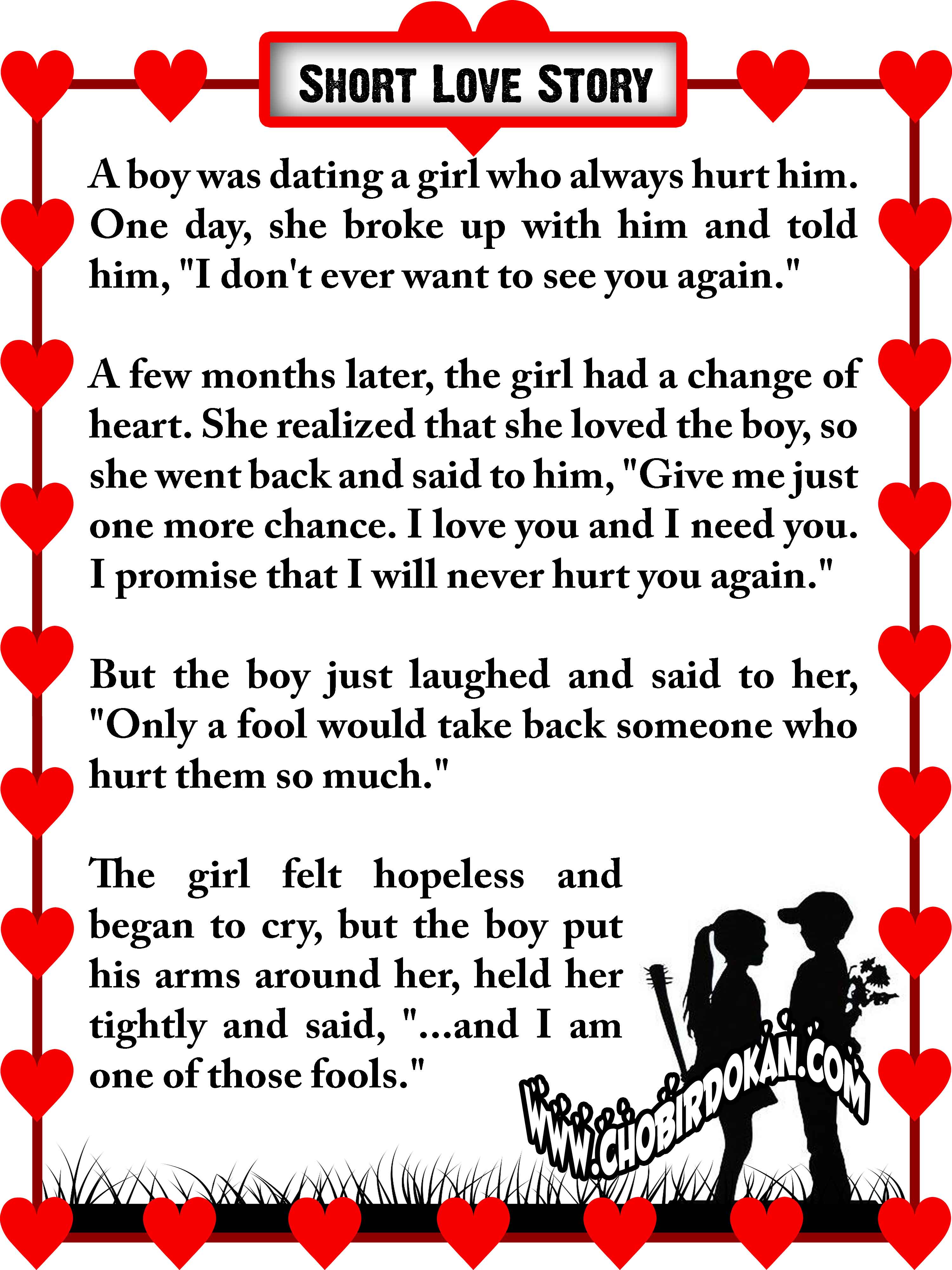
A short Valentine story serves as a concise, emotionally resonant narrative designed to commemorate affection, often within a limited word count. By focusing on a singular turning point, a shared memory, or a heartfelt revelation, writers can effectively capture the essence of a romantic connection. Success in this format relies on selecting a specific emotional anchor, utilizing sensory details, and maintaining a tight narrative arc that builds toward a meaningful conclusion.
Understanding the Structure of Miniature Fiction
Writing a story meant for Valentine’s Day requires a clear understanding of the constraints and opportunities provided by brevity. Unlike a novel, which allows for expansive character arcs and complex subplots, a short story—particularly one intended for a holiday exchange—must function like a single, perfectly cut gemstone. Its impact is immediate and focused.
The most effective short stories prioritize a "moment of change." This is the instant in your narrative where the emotional temperature shifts. For a Valentine story, this could be the realization of love, the renewal of a vow, or the recognition of a shared history. To achieve this, you must strip away exposition that does not directly serve the emotional climax. If a detail about the setting or a character’s background does not deepen the reader's understanding of the relationship, it should be removed.
Identifying Your Emotional Anchor
Before putting pen to paper, identify the core sentiment you wish to convey. Is the story intended to be nostalgic, humorous, or deeply sentimental? Establishing this tone early informs your word choice and pacing.
For instance, a story about a long-standing marriage will benefit from the inclusion of specific, shared history—mentioning a mundane object that carries heavy sentimental value, such as a weathered chair or a specific piece of music. Conversely, a story about a budding romance should focus on sensory discoveries: the nervous cadence of a voice, the sudden warmth of a hand, or the atmosphere of a first shared location. By grounding the narrative in a specific emotional anchor, you provide the reader with a tether that keeps the story focused even as you explore deeper feelings.
Essential Elements for Narrative Impact
To craft a compelling story within a restricted space, every sentence must perform double duty. It must advance the plot while revealing character.
Sensory Integration
Avoid abstract declarations of love. Instead of writing, "They loved each other deeply," show that love through action and sensory input. Describe the specific way a partner makes coffee, the precise color of the light in a room during a conversation, or the tactile memory of a scarf left behind. Sensory details bridge the gap between the writer’s intent and the reader’s internal emotional state.
The Role of Conflict
Even in a short, romantic story, conflict is necessary to provide momentum. This does not require external drama or a breakup. Internal conflict—the fear of vulnerability, the hesitation to speak, or the quiet struggle to express gratitude—is often the most potent engine for short-form romance. By placing a minor obstacle in the way of the characters' interaction, you heighten the satisfaction of the eventual resolution.
Practical Steps to Drafting Your Story
- Define the Scope: Limit your story to a single scene or a brief passage of time.
- Establish the Setting: Choose a location that reflects the mood. A crowded cafe offers a contrast to intimacy, while a quiet home emphasizes shared history.
- Introduce the Catalyst: Introduce the small event that triggers the emotional shift. This could be a gift, a forgotten memory surfacing, or a quiet realization during a mundane task.
- The Pivot: Ensure there is a moment where the characters' relationship or perspective changes in a perceivable way.
- The Resolution: Offer a final sentence that resonates, leaving the reader with a distinct feeling rather than just a summary of events.
Comparative Approaches to Romantic Storytelling
Different styles of storytelling yield different emotional results. Depending on your goals for the piece, you may lean into different techniques.
| Style | Primary Focus | Best For | Technical Advantage |
|---|---|---|---|
| Nostalgic | Shared history and memory | Long-term partners | Establishes depth and longevity |
| Impressionistic | Sensory details and mood | New relationships | Focuses on chemistry and atmosphere |
| Humorous | Shared quirks and situational irony | Lighthearted exchanges | Humanizes the characters |
| Minimalist | Sparse dialogue and action | Dramatic tension | Emphasizes the weight of subtext |
Common Pitfalls to Avoid
Even with the best intentions, writers often fall into traps that dilute the impact of their work.
- Over-Adjectivizing: Using excessive flowery language often hides a lack of genuine emotion. Rely on strong verbs and concrete nouns instead of strings of adjectives.
- The "Tell-Not-Show" Trap: Avoid telling the reader how they should feel. If you have written the scene correctly, the emotion should emerge naturally from the characters' actions.
- Lack of Pacing: A short story needs rhythm. Vary your sentence structure. Use short, punchy sentences during moments of high tension and longer, more flowing sentences during moments of reflection.
- Cliché Dependence: Avoid overused tropes like grand gestures in the rain or dramatic declarations at midnight. Real romance is found in the specific and the idiosyncratic. Focus on the quirks that belong only to your characters.
Refining and Editing for Resonance
Once the first draft is complete, the editing process becomes the most critical phase. In 2026, many writers utilize digital tools to assist with flow, but the human element remains paramount in romantic writing.
Read your story aloud. This is the most effective way to catch awkward phrasing and verify that the "voice" of the piece is consistent. If a sentence feels like it is stalling the momentum, cut it or rework it. Check your dialogue—does it sound like something an actual person would say in that situation? If the dialogue feels artificial, strip it down to its most essential components. Often, what is left unsaid is more romantic than what is explicitly spoken.
Finally, check the ending. The final sentence should feel earned. It should be the natural destination of the emotional journey you have mapped out. If the ending feels tacked on or disconnected from the previous paragraphs, re-examine the mid-section to ensure the narrative arc is properly aligned.
Frequently Asked Questions
How long should a short Valentine story be? A typical short story for this context is usually between 500 and 1,200 words. This length is sufficient to build a complete narrative arc without requiring the reader to commit a significant amount of time, making it ideal for sharing in cards, emails, or personal digital messages.
Can a short story be effective if it has no dialogue? Yes, some of the most powerful stories rely entirely on internal monologue and action. By focusing on observation and internal realization, you can create a deeply intimate atmosphere that doesn't require spoken words to convey the depth of the characters' bond.
Should the story be written in the first or third person? First-person narration ("I") creates immediate intimacy and is often preferred for personal, diary-style stories. Third-person ("He/She/They") allows for more observational nuance and is generally better for stories that rely on describing settings or external actions. Choose the perspective that best aligns with the level of closeness you want the reader to feel.
What if my story doesn't have a "happy ending"? While Valentine stories are traditionally associated with joy, there is a place for bittersweet or contemplative narratives. The key is to ensure the emotion is authentic. A story about the endurance of love through distance or the quiet appreciation of a past connection can be just as impactful as a standard romantic resolution.
How do I handle the tone if the story is for a casual relationship versus a serious one? Match the tone to the duration of the relationship. For a newer relationship, keep the tone lighter and more curious. For a long-term relationship, you have the benefit of shared history, which allows for more depth and specific, "inside-joke" references that wouldn't make sense to an outsider.
Next Steps for Your Writing Practice
To begin, choose a single, specific object or memory that represents your relationship. Spend twenty minutes writing a scene that centers entirely on that one element. Do not worry about a beginning or an end yet; simply focus on describing how that object or memory feels today. Once you have that anchor, build your narrative around it, ensuring that every subsequent paragraph explains why that memory holds such significance. By starting with the concrete, you build a foundation that supports the abstract emotions of love, resulting in a story that feels both personal and polished.