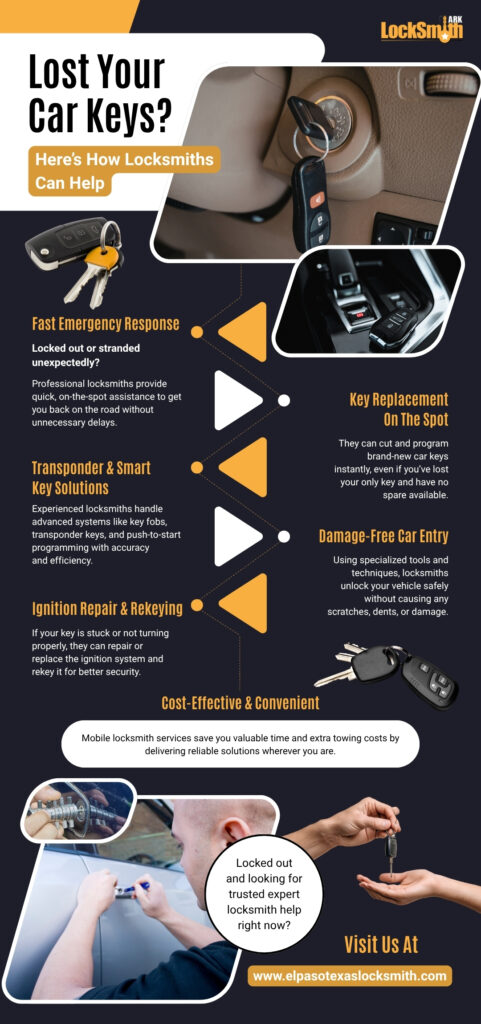
Yes, a professional automotive locksmith can program almost any modern car key, including transponder keys, integrated remote fobs, and smart proximity keys. Utilizing specialized diagnostic software and hardware that interfaces with a vehicle’s On-Board Diagnostics (OBD-II) port, locksmiths can sync new keys to a car's computer, often at a lower cost and with greater convenience than a local dealership.
The Evolution of Automotive Security and Key Programming
To understand why car key programming is necessary, one must look at the shift in automotive security over the last few decades. Before the mid-1990s, car keys were purely mechanical. A locksmith simply needed to cut a piece of metal to match the lock cylinders. However, as vehicle theft became more sophisticated, manufacturers introduced "immobilizer" systems.
These systems require a digital "handshake" between the key and the vehicle's Engine Control Unit (ECU) or Immobilizer Control Unit. If the digital code stored in the key’s transponder chip does not match the code expected by the car, the fuel pump or starter will remain disabled, preventing the engine from running. By 2026, virtually every vehicle on the road—from budget commuters to luxury SUVs—utilizes some form of encrypted digital verification. Programming is the process of teaching the car to recognize a specific chip’s unique ID.
Types of Keys Locksmiths Can Program
Not all car keys are created equal. The complexity of the programming task depends heavily on the type of key and the vehicle’s specific security protocol. Automotive locksmiths stay equipped to handle various formats:
Transponder Keys
These look like traditional metal keys but have a plastic head containing a small transponder chip. When the key is inserted into the ignition and turned to the "On" position, an induction coil around the ignition lock sends a burst of energy to the chip. The chip then transmits its unique alphanumeric code to the car. A locksmith must program this specific code into the car's memory.
Remote Head Keys
These combine the transponder key with buttons to lock and unlock doors. Programming these often involves two steps: syncronizing the transponder for the engine to start and "pairing" the remote frequency so the keyless entry functions work correctly.
Key Fobs and Smart Keys (Proximity Keys)
In 2026, many vehicles feature "push-to-start" ignitions. These cars use proximity keys that never need to leave your pocket. The car and the fob maintain a constant, low-frequency dialogue. Programming these is purely digital; there is often no physical "blade" used to start the car, though a mechanical emergency key is usually hidden inside the fob for door access if the battery dies.
Flip Keys and Fobiks
Popularized by brands like Volkswagen and Chrysler (Stellantis), these keys integrate the remote and the blade (or a plastic "nose" for Fobiks) into a single unit. Locksmiths carry specialized blank units that can be flashed with the correct firmware before being programmed to the vehicle.
How a Locksmith Programs a Car Key
While a dealership might insist that they are the only ones with the "proprietary" technology to program keys, modern locksmiths utilize advanced diagnostic tools that rival or exceed dealer equipment. The process generally follows a structured technical workflow.
1. Verification of Ownership
Before any technical work begins, a reputable locksmith must verify that the person requesting the service actually owns the vehicle. This involves checking the Vehicle Identification Number (VIN), the vehicle registration, and a valid government-issued ID. This is a critical security step to prevent unauthorized key duplication.
2. The OBD-II Interface
The locksmith connects a mobile programming computer to the vehicle’s OBD-II port, usually located under the dashboard on the driver's side. This port allows the locksmith's software to communicate directly with the vehicle's various modules, including the ECU and the Body Control Module (BCM).
3. Bypassing or Entering the Security PIN
Most modern vehicles require a "Security PIN" or "Seed Code" to allow a new key to be added. In the past, this required calling the manufacturer. By 2026, locksmith software can often "pull" or calculate these PINs directly from the vehicle’s modules. For certain high-security European brands like BMW, Mercedes-Benz, or Audi, the locksmith may need to remove a specific module (like the CAS or BCM) and perform "EEPROM" programming, which involves reading data directly from a circuit board chip.
4. Clearing or Adding Keys
Depending on the customer’s needs, the locksmith can either add a new key to an existing slot or perform a "pathway clear." If a key was stolen, the locksmith can delete all previous keys from the car’s memory so that the stolen key will no longer start the engine. They then "introduce" the new keys to the system.
5. Final Synchronization and Testing
Once the digital handshake is established, the locksmith tests every function: the engine start, the remote lock/unlock, the trunk release, and the "panic" button. They also ensure that any proximity features, such as "walk-away locking," are functioning correctly.
Locksmith vs. Dealership: A Comparison
The choice between a locksmith and a dealership often comes down to three factors: price, convenience, and technical capability.
| Feature | Automotive Locksmith | Car Dealership |
|---|---|---|
| Availability | Usually 24/7 mobile service. | Limited to service department hours. |
| Location | They come to you (roadside or home). | You must tow the car to them. |
| Pricing | Generally 30% to 50% cheaper. | Premium pricing (labor + OEM parts). |
| Equipment | Specialized, multi-brand tools. | Manufacturer-specific tools only. |
| Timeframe | Often same-day or within an hour. | May require an appointment days in advance. |
| Hardware | Choice of OEM or high-quality aftermarket. | Almost exclusively OEM (Original Equipment). |
While dealerships provide the assurance of original parts, many automotive locksmiths in 2026 use keys that are functionally identical to the originals. Furthermore, the ability of a locksmith to provide "All Keys Lost" service on-site saves the vehicle owner the significant expense of a tow truck.
Technical Barriers and Advanced Security Measures
As of 2026, vehicle manufacturers have increased security to prevent unauthorized access via the OBD-II port. For example, many vehicles produced by the Chrysler, Dodge, Jeep, and Ram (CDJR) group now include a Secure Gateway Module (SGW). This module acts as a firewall, preventing aftermarket tools from "writing" data to the car.
Professional locksmiths overcome these barriers by using authorized "bypass" cables or by maintaining subscriptions with companies like AutoAuth, which grant legal, encrypted access to the vehicle's security systems. Similarly, brands like Toyota have moved toward "Rolling Code" systems for their 2023+ models, requiring locksmiths to use the latest cloud-based programming terminals to generate the necessary codes in real-time.
For some ultra-luxury or niche brands, the programming process is still restricted to the factory. However, for 95% of the vehicles currently on the road, a well-equipped locksmith possesses the necessary hardware to complete the job.
Requirements and Prerequisites for the Customer
To ensure a smooth programming experience, there are several things a vehicle owner should prepare before the locksmith arrives.
- Vehicle Identification Number (VIN): Found on the driver's side dashboard (visible through the windshield) or on the driver's side door jamb sticker. This allows the locksmith to determine the exact key blank and software protocol required.
- Proof of Identification: A driver's license or passport.
- Proof of Ownership: The vehicle title or current registration matching the ID.
- Battery Health: Key programming requires a stable voltage. If your car has been sitting for months and the battery is low, the programming might fail or even corrupt the car's computer. It is wise to ensure the vehicle battery is charged or have a jump-pack available.
- Physical Access: The locksmith will need to sit in the driver's seat. Ensure the vehicle is in a location where the doors can be fully opened.
Potential Challenges in Key Programming
While locksmiths are highly successful, certain variables can complicate the process.
Aftermarket vs. OEM Fobs: Sometimes, "cheap" keys purchased by customers online use sub-standard chips that the vehicle's computer will refuse to "lock" or pair with. Most locksmiths prefer to provide their own keys because they have been pre-tested for compatibility.
Existing Vehicle Faults: If the vehicle has a blown fuse for the OBD-II port or a damaged wiring harness, the locksmith’s tool will not be able to communicate with the ECU. This is often mistaken for a "key" problem when it is actually an electrical issue.
Regional Restrictions: Some vehicles manufactured for international markets (e.g., a "grey market" import from Japan or Europe) may use different radio frequencies for their remotes (315MHz vs. 433MHz), making standard domestic keys incompatible.
Expert Advice for Vehicle Owners
If you find yourself needing a key programmed in 2026, the first step should be to call a dedicated automotive locksmith rather than a general residential locksmith. Automotive specialists invest heavily in software updates that are released almost monthly to keep up with new vehicle security patches.
Avoid trying to "DIY" the programming for modern cars. While some older vehicles (pre-2010) allowed "on-board" programming sequences (like turning the key eight times and pressing a button), most modern cars require a "hard" connection to a diagnostic computer. Attempting to use unverified software or "cloners" bought online can result in an "immobilizer lockout," which can be expensive to fix.
Frequently Asked Questions
Can a locksmith program a key if I lost all my keys?
Yes. This is known as an "All Keys Lost" (AKL) scenario. The locksmith can use your VIN to look up the key code, cut a mechanical blade to fit your locks, and then use their diagnostic tool to "originate" a new digital signature in the car's computer. This is significantly more complex than duplicating an existing key but is a standard service for automotive locksmiths.
How long does it take to program a car key?
For most domestic and Asian vehicles (Ford, Chevy, Toyota, Honda), the programming process takes between 15 and 30 minutes once the locksmith is at the vehicle. For high-security European vehicles, the process can take 45 minutes to over an hour, especially if modules need to be accessed or if the software requires a "wait time" (a security feature used by some brands to deter theft).
Can I buy my own key online and have a locksmith program it?
Many locksmiths will attempt to program a customer-provided key, but they often do not offer a warranty on the labor or the key itself. Since the locksmith cannot verify the quality of the internal chip, you may still be charged for the service call even if the key fails to program. It is usually more cost-effective to buy the key directly from the locksmith.
Will programming a new key delete my old ones?
It depends on the vehicle's system and the locksmith's approach. In an "Add-a-Key" scenario, the existing keys remain functional. However, if you are concerned about a lost key being used by someone else, you should ask the locksmith to perform a "Clear and Program" (Erase/All Keys Lost) procedure, which wipes the car's memory and only re-authorizes the keys present during the service.
Is it cheaper to go to a locksmith than a dealership?
Almost always. Dealerships have high overhead and often charge a flat "diagnostic fee" regardless of how simple the programming is. Locksmiths operate with lower overhead and use more flexible pricing models. On average, you can expect to save 30% to 50% by using a locksmith.
Final Recommendation
If you need a car key programmed, verify the locksmith's credentials and ensure they specialize in automotive work. Provide them with your specific Year, Make, and Model over the phone to confirm they have the latest software for your vehicle. By choosing a mobile locksmith, you avoid the cost of a tow and get back on the road much faster than waiting for a dealership service appointment.