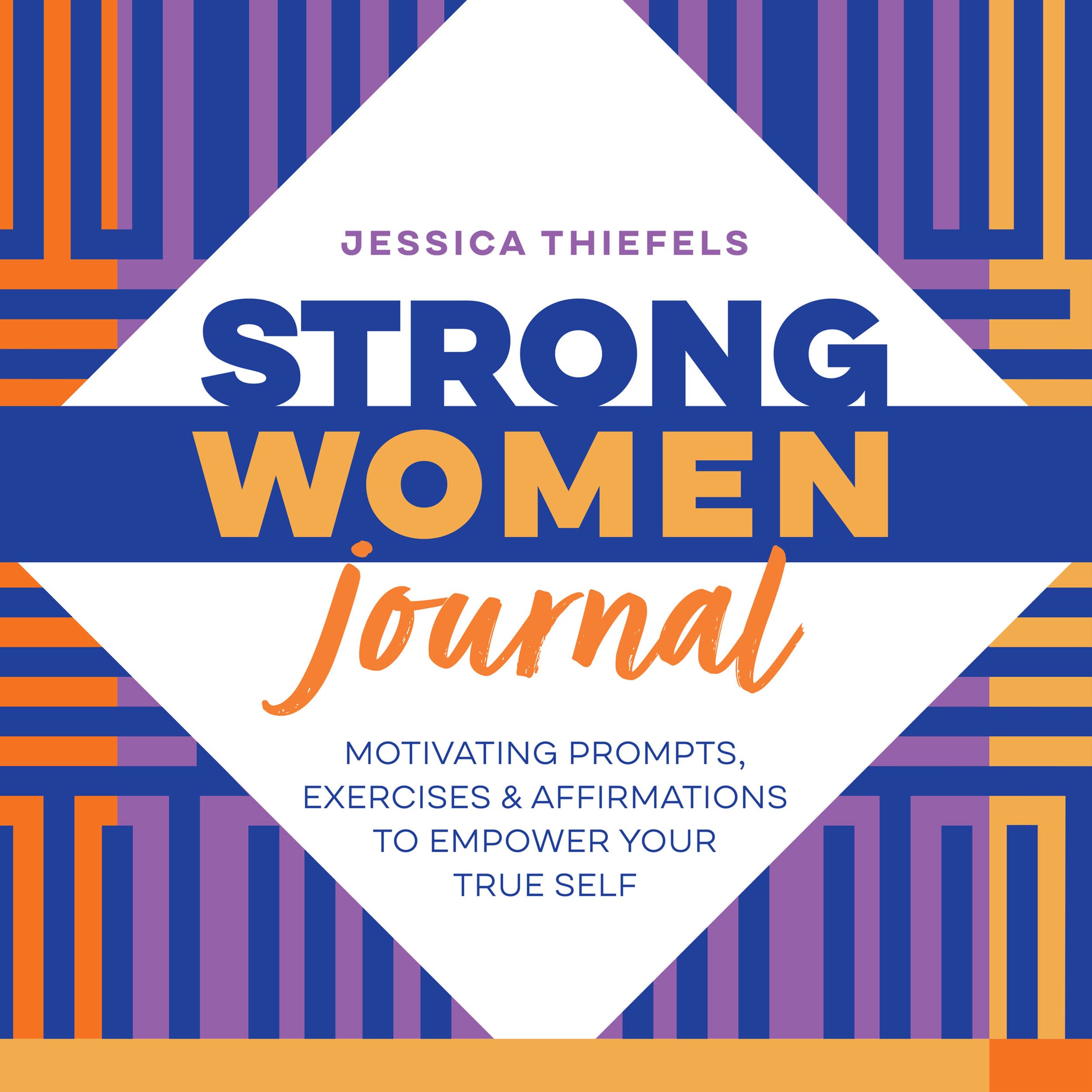
Finding books about strong women requires looking beyond tropes of physical prowess to discover narratives that explore intellectual, emotional, and systemic resilience. A "strong woman" in literature is defined by agency, complexity, and the capacity to navigate societal constraints, making the selection of such works a nuanced task of identifying authentic character development and thematic depth across fiction, memoir, and historical biography.
Defining Strength in Literature
The term "strong woman" has frequently been reduced to a flattened archetype in pop culture, often equating strength with physical combat or a lack of emotional vulnerability. However, in literary analysis, a strong female character is defined by her agency—her ability to make choices that impact her trajectory and the world around her, even when those choices are limited by her circumstances.
When building a reading list, it is essential to distinguish between a "strong character" and a "strong woman." A strong character is well-written, believable, and possesses a clear internal arc. A strong woman, within the context of this guide, refers to protagonists who face systemic, interpersonal, or internal barriers and respond with conviction, intellect, or endurance. Whether you are looking for the historical defiance of figures like Harriet Tubman or the contemporary, quiet resilience of characters in modern literary fiction, the focus remains on the integrity of the character’s voice.
Criteria for Selecting Empathetic Narratives
To effectively curate a library of books centered on strong women, readers should evaluate works based on character autonomy rather than just plot points. Consider these four pillars when assessing potential reads:
- Complexity and Flaws: Genuine strength is often tempered by doubt and struggle. Avoid stories where the protagonist is an idealized caricature. The most compelling characters possess vulnerabilities that make their triumphs earned rather than inherent.
- Societal Context: A character’s strength is often measured by the obstacles she overcomes. Evaluate the historical or social setting. A woman navigating 19th-century patriarchal constraints displays a different, but equally valid, type of strength compared to a contemporary woman navigating modern corporate or political spheres.
- Agency vs. Victimhood: While it is necessary for characters to face hardship, the focus should remain on how the character processes and acts upon her environment. The narrative should emphasize her decisions, not merely what is done to her.
- Authenticity of Voice: Does the narrative feel grounded? Look for authors who prioritize the interior life of the subject, allowing the reader to understand the motivations behind her resilience.
Categorizing the Literature
"Books about strong women" is a vast category that spans various genres. To better navigate this, it is helpful to divide your search into thematic buckets. This approach ensures you are choosing a book that matches your desire for either educational historical accounts or character-driven fiction.
Historical Biography and Memoir
These works rely on the factual, documented lives of women who altered the course of history. In 2026, the volume of high-quality biographical research available makes this an excellent starting point for readers who value evidence-based narratives over fictional constructs.
- Political Activism: Look for biographies detailing the organizational skills and endurance of figures like Rosa Parks or the intellectual rigor of Hannah Arendt.
- Scientific Breakthroughs: Works focusing on women in STEM, such as those documenting the life of Rosalind Franklin or Marie Curie, provide insight into the persistence required to overcome institutional gatekeeping.
- Creative Resilience: Memoirs from writers and artists often showcase the strength required to maintain a creative life in the face of public or personal opposition.
Fiction and Literary Character Studies
Fiction allows for the exploration of archetypal strength in ways that can be more visceral than biography.
- The Epic Protagonist: Often found in historical fiction, these characters lead lives defined by monumental change.
- The Domestic Revolutionary: This sub-genre focuses on women whose strength is found in the quiet management of families, communities, or local economies, often in settings where their labor is overlooked but essential.
- The Systemic Challenger: Characters who directly confront corrupt institutions or societal norms, often sacrificing personal comfort for a broader cause.
Comparative Framework: Selecting the Right Read
| Category | Typical Focus | Best For Readers Seeking |
|---|---|---|
| Historical Biography | Factual record, timeline, legacy | Accuracy, educational depth, inspiration |
| Literary Fiction | Interiority, metaphor, empathy | Character growth, emotional resonance |
| Memoir/Autobiography | Personal experience, reflection | First-hand perspective, intimate tone |
| Narrative Non-Fiction | Contextualized social history | Broad cultural insights and research |
Overcoming Common Reading Pitfalls
One common mistake in searching for these books is falling into the "Strong Female Character" trap—a trope characterized by women who are cold, devoid of femininity, or who act exactly like traditional male heroes. This is a limited interpretation of strength.
To avoid this, seek out reviews or synopses that highlight a character’s emotional intelligence and relational depth. If a book description emphasizes that a woman is "not like other girls" or "doesn't need help," be cautious. True strength is frequently shown through the ability to form alliances, mentor others, and show compassion. When you focus on characters who are multifaceted, you avoid the narrow, often shallow, depictions that populate lesser-quality literature.
Engaging with the Text: How to Read Critically
As you progress through your reading, consider the following questions to deepen your engagement with the material:
- What are the character’s sources of power? Is it her intelligence, her community ties, her physical endurance, or her ability to influence others?
- How does the author treat her failures? If the character fails, is the failure a plot device to show her inadequacy, or is it a mechanism for learning and character evolution?
- What does the setting demand of her? Understand the societal rules of the book’s time and place to fully appreciate the risks the protagonist takes.
The Role of Independent Bookstores and Librarians
In 2026, the best way to discover truly nuanced books about strong women remains the recommendation of a professional reader. Local independent bookstores often curate "staff picks" that focus on underrepresented histories or voices. Librarians, particularly those specializing in literature and history, are equipped to direct you toward academic-grade biographies or critically acclaimed fiction that avoid the aforementioned tropes.
Do not rely solely on algorithmic suggestions from massive e-commerce platforms. These systems often prioritize current bestsellers that may emphasize sensationalism over substantive character development. Instead, seek out reading lists from reputable literary journals or academic departments that prioritize historical accuracy and narrative quality.
Frequently Asked Questions
1. How do I know if a book portrays a "strong woman" realistically or just as a stereotype? Look for the character’s reaction to adversity. If the character’s strength is portrayed as a lack of emotion or a superhuman ability to ignore pain, it is likely a stereotype. Realistic strength involves the processing of pain and the persistent pursuit of goals despite fear or uncertainty.
2. Is it better to read fiction or non-fiction for this theme? It depends on your goal. If you want to study the mechanics of resilience in real-world scenarios, historical biographies are superior. If you want to explore the psychological nuances of agency through symbolic storytelling, well-crafted fiction is more effective.
3. Are there specific time periods that offer more "strong woman" narratives? Every era has its examples, but periods of significant societal upheaval—such as the suffrage movements, wartime eras, or periods of rapid industrial change—often highlight women taking on roles that test their resolve and ingenuity.
4. Can books about "strong women" include characters who are vulnerable? Yes. In fact, vulnerability is often a prerequisite for true strength. A character who acknowledges her limitations and seeks to overcome them through growth is inherently stronger than a character depicted as invincible.
5. How do I find books about women from diverse backgrounds? Search specifically for international literature or works translated into your language. Limiting your search to Western literature will provide only a narrow slice of what constitutes "strength" across global cultures and socio-economic systems.
Recommendation for Your Next Action
To start your journey, choose one biography of a historical figure you admire and pair it with a piece of historical fiction set in the same region or time period. For example, if you read a biography about a woman involved in the civil rights movement, follow it with a literary novel that explores the daily lives of women during that era. This method—pairing non-fiction context with fictional depth—provides the most comprehensive understanding of the theme and prevents you from settling for one-dimensional narratives.