As of 2026, the most expensive laptop Apple offers is the 16-inch MacBook Pro configured with the highest-tier M-series Max chip, 128GB of unified memory, and an 8TB SSD. This flagship configuration retails for approximately $7,199 to $7,499, depending on specific regional taxes and software pre-installations like Final Cut Pro or Logic Pro.
The pursuit of Apple’s most expensive portable machine is rarely about luxury aesthetics alone; it is a calculated investment in peak computational throughput. While the MacBook Air caters to the general consumer and the entry-level 14-inch MacBook Pro serves the "prosumer," the maxed-out 16-inch variant is a specialized workstation designed for high-end video production, large-scale 3D rendering, and local Large Language Model (LLM) development. Understanding why this machine commands such a premium requires a deep dive into the individual components that drive the price into the several-thousand-dollar range.
The Architecture of a $7,000 Machine
When purchasing a MacBook Pro, the base price of the 16-inch chassis is merely the starting point. The exponential price increase occurs during the "Build Your Own" (BYO) configuration process on Apple’s storefront. The most expensive iteration is defined by three primary hardware pillars: the Silicon (SoC), the Unified Memory (RAM), and the Internal Storage (SSD).
The "Max" Series Silicon
The heart of the most expensive configuration is the "Max" tier of Apple’s silicon. In the 2026 landscape, this represents the pinnacle of the 3-nanometer (or smaller) process architecture. Unlike the standard or "Pro" chips, the "Max" variant features significantly higher transistor counts, often doubling the GPU cores and memory bandwidth of its predecessors. This chip alone adds a substantial premium to the base price, as it includes specialized Media Engines that provide hardware-accelerated encoding and decoding for ProRes and 8K video streams.
The Unified Memory Premium
Perhaps the most controversial aspect of Apple’s pricing strategy is the cost of unified memory. Because the RAM is integrated directly into the SoC (System on a Chip) package, it provides industry-leading bandwidth and low latency. However, this integration means users cannot upgrade the memory after purchase. To reach the "most expensive" status, one must select the 128GB or 192GB options (depending on the specific generation available in 2026). This upgrade can cost between $800 and $1,200 alone, representing a massive jump from the base 16GB or 32GB configurations.
The 8TB Storage Tier
The single most expensive individual upgrade is often the solid-state drive (SSD). While cloud storage has become the norm for many, professionals handling massive raw video files or extensive datasets require high-speed local access. Upgrading from a standard 1TB drive to an 8TB drive typically adds $2,200 to $2,400 to the total cost. Apple uses high-performance PCIe-based flash storage that achieves read/write speeds often exceeding 7,000 MB/s, justifying the cost for those whose workflows are bottlenecked by data transfer rates.
Technical Specifications: What Does the Top-Tier Cost Buy?
Beyond the internal components, the 16-inch MacBook Pro offers hardware features that remain consistent across its high-end configurations. These features define the premium experience and differentiate the most expensive laptop from the rest of the lineup.
Liquid Retina XDR Display
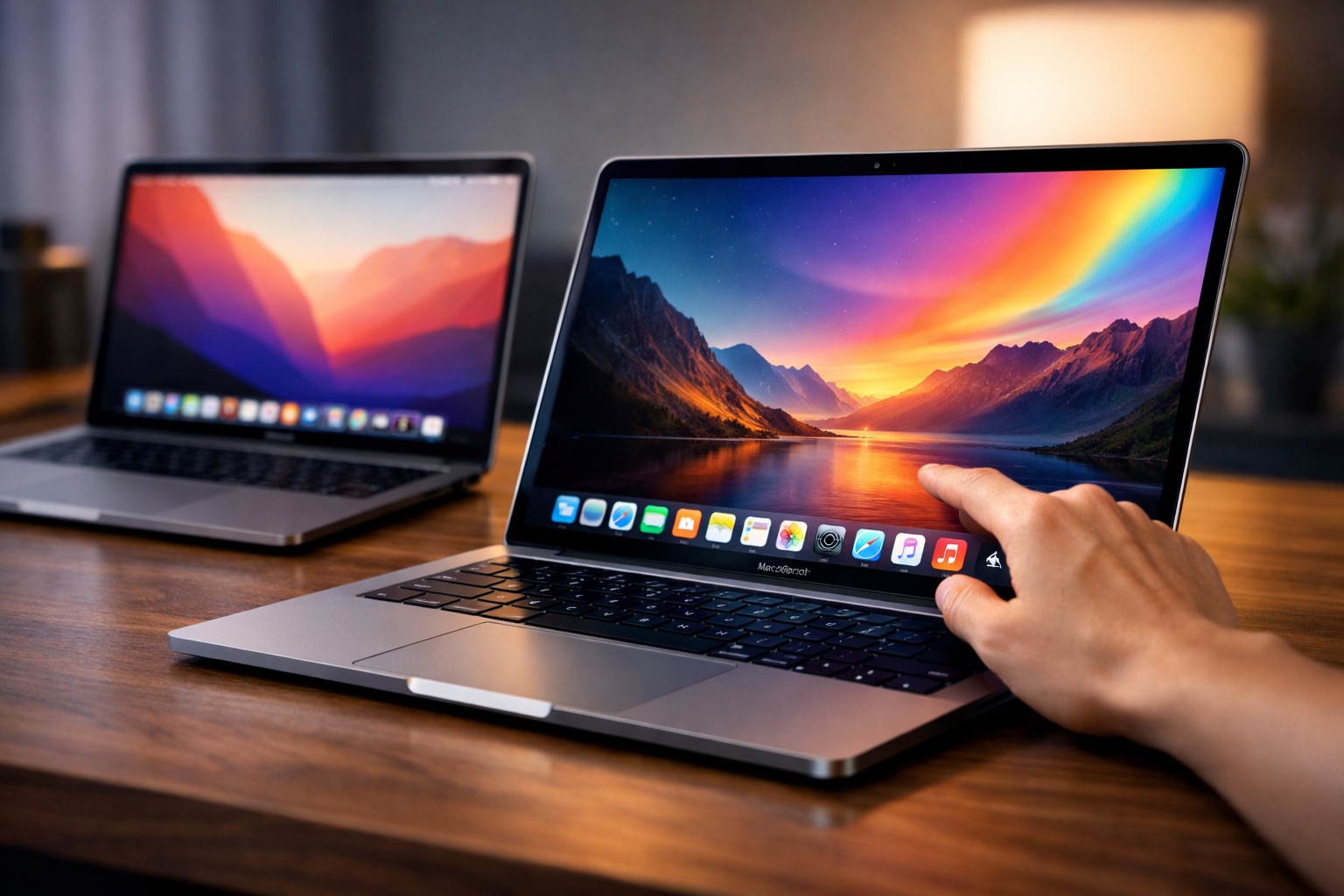
The 16.2-inch display is arguably the best panel ever put into a laptop. It utilizes Mini-LED technology, allowing for thousands of local dimming zones. This results in a 1,000,000:1 contrast ratio and peak brightness levels of up to 1,600 nits for HDR content. For a colorist or a photographer, this display eliminates the immediate need for a $3,000 external reference monitor, which helps contextualize the laptop’s high price tag.
Thermal Management and Sustained Performance
The 16-inch chassis is more expensive than the 14-inch model not just because of the screen real estate, but because of the physical space for cooling. The "Max" chips generate significant heat under full load. The larger enclosure allows for more robust fans and heat sinks, ensuring that the laptop does not "thermal throttle" (slow down to protect components) during a three-hour video export. This sustained performance is a critical requirement for the "pro" in MacBook Pro.
Connectivity and Expansion
The flagship model includes three Thunderbolt 4 (USB-C) ports, an HDMI 2.1 port supporting 8K displays, an SDXC card slot, and the MagSafe 3 charging port. The ability to drive up to four external displays (including multiple 6K Pro Display XDRs) is a feature exclusive to the "Max" silicon configurations, further distinguishing the most expensive models from the lower tiers.
Comparative Cost Analysis: Standard vs. Maxed-Out
To visualize the price gap, it is helpful to compare the entry-level 16-inch model with the fully customized version that holds the title of "most expensive."
| Component | Base 16-inch Configuration | Maxed-Out 16-inch Configuration |
|---|---|---|
| Processor | M-series Pro (12-core CPU) | M-series Max (16+ core CPU / 40+ core GPU) |
| Memory | 18GB - 36GB Unified Memory | 128GB - 192GB Unified Memory |
| Storage | 512GB - 1TB SSD | 8TB SSD |
| Power Adapter | 140W USB-C | 140W USB-C (Included) |
| Estimated Price | $2,499 | $7,199+ |
This table illustrates that the hardware upgrades more than triple the price of the base machine. The "Most Expensive" designation is essentially a result of choosing every available "highest" option in the configurator.
Who Is the Target Audience for a $7,000 Laptop?
The primary search intent for "Apple's most expensive laptop" often stems from a desire to understand who actually buys these machines. They are not intended for students, office workers, or even most creative hobbyists.
- Machine Learning Engineers: Training smaller models or running local inference on massive datasets requires high VRAM. Since Apple Silicon uses unified memory, the GPU can access the full 128GB+ of RAM, a feat that usually requires multiple expensive desktop GPUs.
- High-End Cinematographers: Working with 8K RAW footage or multi-cam 4K streams in real-time requires the extreme bandwidth provided by the 8TB SSD and the Max-tier Media Engines.
- 3D Architectural Visualizers: Rendering complex scenes in programs like OctaneRender or Maxon Cinema 4D benefits directly from the high GPU core counts found in the most expensive configurations.
- Enterprise Power Users: In some corporate environments, the "top-spec" is standard for developers who need to compile massive codebases while running dozens of virtual machines or Docker containers simultaneously.
Historical Perspective: How We Reached These Prices
The concept of a $7,000 Apple laptop is relatively new in the era of Apple Silicon. During the Intel transition period (2016–2020), the most expensive MacBook Pro was often hampered by thermal limitations, meaning the most expensive components couldn't always run at their full potential.
The introduction of the M-series chips changed the value proposition. While the prices increased—especially for RAM and storage—the performance-per-watt improved so drastically that these laptops began replacing desktop workstations like the Mac Pro and iMac Pro for many users. The "most expensive" laptop today is arguably more "valuable" than the top-tier Intel models of the past because it provides desktop-class performance in a battery-powered form factor.
Common Pitfalls and Buying Advice
Purchasing the most expensive model just because it is the "best" can be a strategic mistake for many users. Here are considerations to weigh before committing to the $7,000+ price point:
- The 8TB Tax: Most users find that a 2TB or 4TB internal drive combined with high-speed external NVMe storage (via Thunderbolt 4) is more cost-effective. You are paying a massive premium for the convenience of having that 8TB internal.
- Memory Overkill: Unless you are working with 3D textures or massive datasets, 64GB is usually more than enough for professional video editing. Jumping to 128GB or higher is a very specific niche requirement.
- Depreciation: High-end technology depreciates rapidly. A $7,000 laptop may lose 40-50% of its resale value within three years as newer chips arrive. For many, the "mid-high" spec ($4,000 range) offers a much better return on investment.
Frequently Asked Questions
What is the absolute most expensive laptop Apple has ever sold?
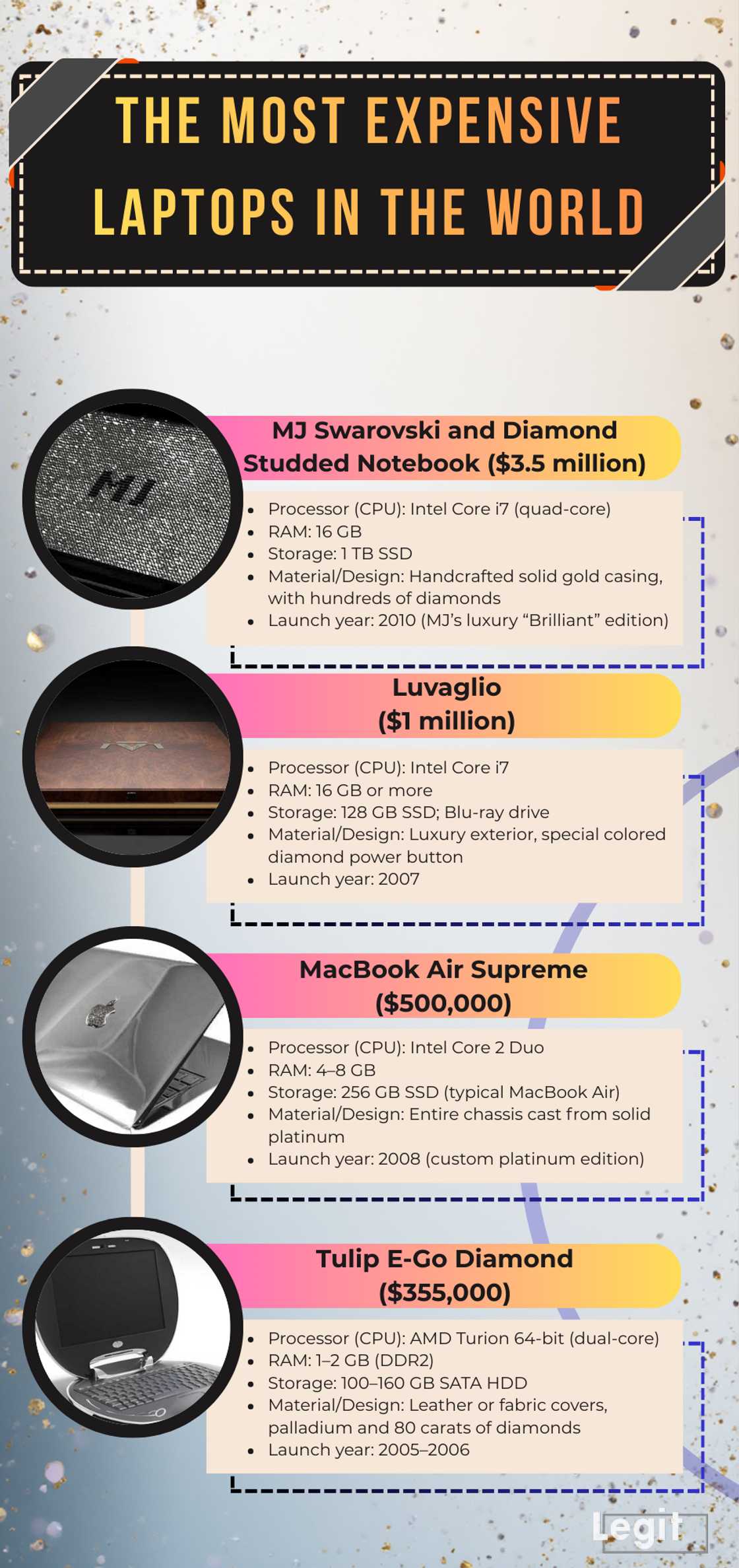
Historically, if you include non-standard luxury items, third-party companies have sold gold-plated MacBooks for over $30,000. However, in terms of official Apple retail products, the current fully-specced 16-inch MacBook Pro at roughly $7,200–$7,500 holds the record for a standard production laptop.
Does the most expensive MacBook Pro come in special colors?
No. As of 2026, Apple maintains its professional color palette, typically offering Space Black and Silver. The "most expensive" status is determined by internal components rather than exterior finishes.
Is AppleCare+ more expensive for the maxed-out model?
AppleCare+ pricing for the 16-inch MacBook Pro is generally a flat rate regardless of the internal specs, though it remains a significant additional cost (roughly $399 for three years or an annual subscription). Given the $7,000+ investment, it is highly recommended.
Can I upgrade the RAM or SSD later to save money now?
No. In all modern MacBook models, the memory and storage are soldered or integrated into the SoC. The configuration you buy on day one is the configuration you will have for the life of the machine. This is the primary reason users feel forced into the more expensive tiers at the time of purchase.
Does the most expensive model have a better battery life?
Actually, the most expensive configuration often has slightly less battery life than the "Pro" chip models. The "Max" chip has more cores to power, and the high-capacity RAM and SSD draw more energy. While the 16-inch battery is large (99.6 watt-hours, the limit for airplane travel), it will drain faster under the heavy workloads these specs are designed for.
Summary and Next Steps
The most expensive Apple laptop in 2026 is the 16-inch MacBook Pro, fully customized with the M-series Max chip, maxed-out unified memory, and 8TB of storage. While the price tag exceeding $7,000 is jarring for the average consumer, it represents a specialized tool for a specific professional demographic.
If you are considering this purchase, verify your workflow requirements first. Use the Activity Monitor on your current Mac to check memory pressure and storage speeds. If you are not consistently maxing out your current hardware, you may find that a mid-tier configuration provides an identical user experience for thousands of dollars less. For those who truly need the power, the 16-inch flagship remains the undisputed gold standard of portable computing.