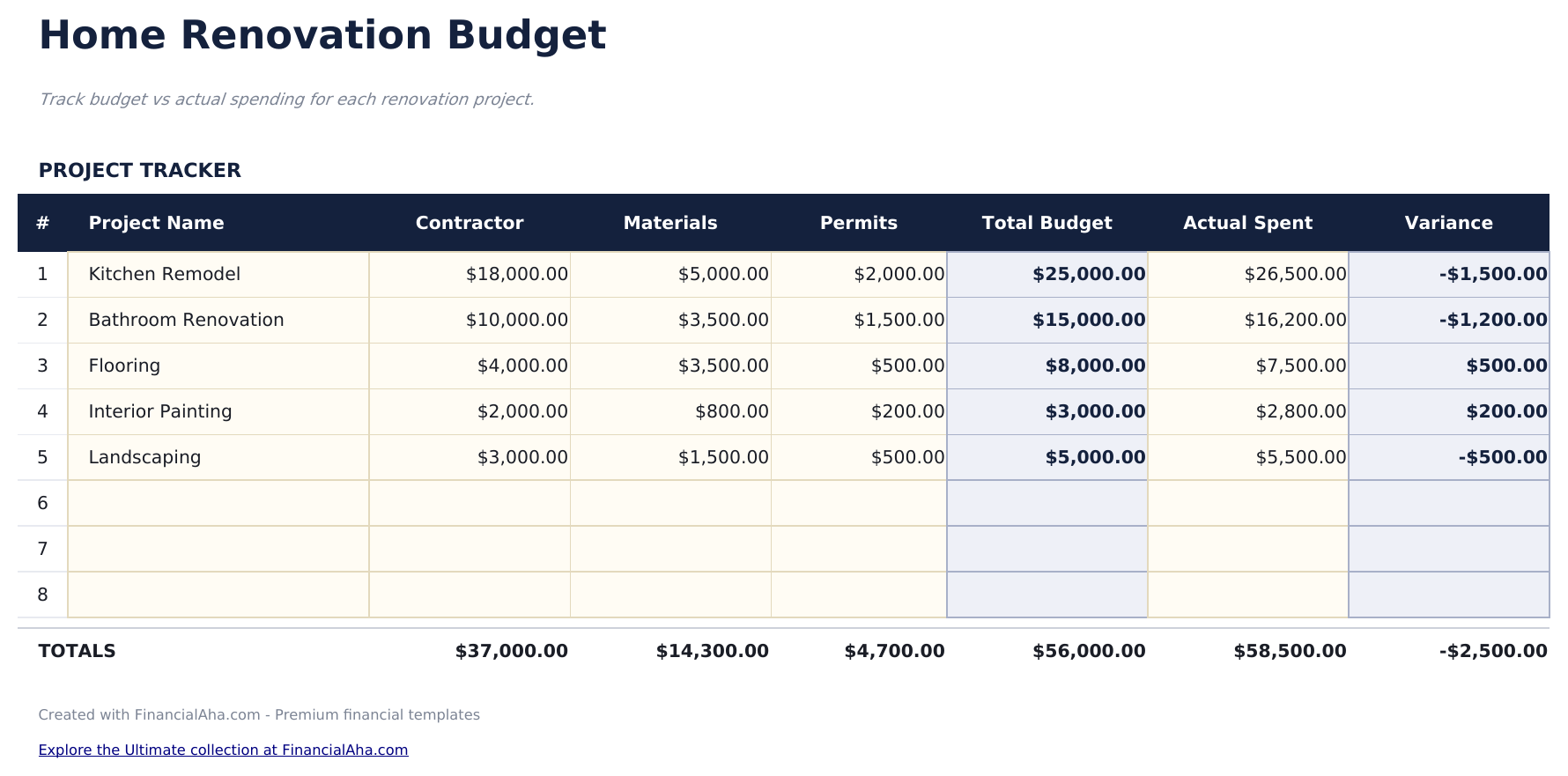
Budgeting for home essentials requires accounting for both the initial purchase price and the long-term operational costs of major appliances. In 2026, a standard suite of mid-range kitchen and laundry appliances typically costs between $4,500 and $9,000, while luxury configurations can exceed $20,000. Effective budgeting involves setting aside funds for installation, delivery, and a dedicated maintenance reserve.
Understanding the Landscape of Appliance Costs in 2026
The market for home essentials has shifted toward high-efficiency, smart-integrated units that prioritize energy savings and connectivity. While the sticker price of appliances has seen a steady climb due to advanced sensor technology and material costs, the "total cost of ownership" remains the most critical metric for any homeowner or renter.
When you budget for appliances, you are not just buying a machine; you are investing in a service—be it food preservation, fabric care, or sanitation. In 2026, the focus is heavily on electrification and induction technology, driven by both consumer preference and updated building codes in many regions. Consequently, budgeting must now include potential infrastructure upgrades, such as dedicated 240V outlets for induction ranges or heat-pump clothes dryers.
The Core Kitchen Essentials
The kitchen remains the most expensive room to outfit. A standard package includes a refrigerator, range (oven and cooktop), dishwasher, and microwave.
- Refrigerators: These remain the centerpiece of the kitchen budget. In 2026, consumers lean toward French door models with dual-evaporator systems to keep food fresh longer. Entry-level top-freezer models start around $700, while high-end built-in units with internal cameras and customizable cooling zones can reach $8,500.
- Cooking Ranges: The shift toward induction is the defining trend of 2026. While traditional gas ranges are still available (starting at $800), induction ranges offer superior safety and efficiency. Budget approximately $1,200 to $3,500 for a quality induction model. If you are switching from gas to electric, remember to factor in an additional $300 to $600 for electrical work.
- Dishwashers: Modern units focus on decibel ratings and water filtration. A reliable mid-range dishwasher costs between $600 and $1,100. Premium models featuring zeolite drying technology and stainless steel tubs sit at the $1,500+ mark.
Laundry and Utility Room Requirements
Laundry appliances have seen significant innovation in heat pump technology, which significantly reduces energy consumption but increases the initial purchase price.
- Washing Machines: Front-load washers are generally more water-efficient than top-load models. Expect to pay $600 to $1,400 for a high-efficiency washer.
- Dryers: Heat pump dryers have become the standard in 2026 for those looking to lower utility bills. While a vented electric dryer might cost $500, a high-efficiency heat pump dryer usually starts at $900. The higher upfront cost is often offset by energy savings over a three-to-five-year period.
Tiered Pricing Analysis: Choosing Your Level
The "appliance cost how to budget for home essentials" calculation depends heavily on whether you are looking for basic functionality or a professional-grade experience. Below is a breakdown of the typical investment levels seen in 2026.
| Appliance Type | Entry-Level (Budget) | Mid-Range (Standard) | High-End (Premium) |
|---|---|---|---|
| Refrigerator | $600 – $900 | $1,500 – $2,800 | $4,500 – $10,000+ |
| Cooking Range | $500 – $800 | $1,100 – $2,500 | $5,000 – $12,000 |
| Dishwasher | $350 – $550 | $700 – $1,200 | $1,600 – $2,500 |
| Over-the-Range Microwave | $200 – $350 | $400 – $700 | $900 – $1,500 |
| Washer & Dryer (Set) | $900 – $1,300 | $1,600 – $2,400 | $3,000 – $5,500 |
| Total Estimated Suite | $2,550 – $3,900 | $5,300 – $9,600 | $15,000 – $31,500+ |
Entry-Level Considerations
Entry-level appliances focus on core utility. You will find more plastic components rather than stainless steel, and simpler mechanical controls instead of touchscreens. These are ideal for rental properties or temporary housing solutions. However, they often have shorter lifespans, averaging 6–8 years.
Mid-Range: The Sweet Spot
Most homeowners find the best value in the mid-range. These appliances typically offer a 10–12 year lifespan and include features like smart-home connectivity, improved insulation for noise reduction, and better energy ratings. Brands in this category focus on reliability and parts availability, which simplifies long-term maintenance.
High-End and Professional Grade
The high-end market in 2026 is dominated by "smart-integrated" luxury. These units are often built-in (flush with cabinetry), offering a seamless aesthetic. They use commercial-grade components designed to last 15–20 years. If you are budgeting for a luxury home, the focus should be on brand prestige, technical precision, and extended warranties.
Hidden Expenses: More Than Just the Sticker Price
A common mistake in budgeting for home essentials is ignoring the "soft costs" associated with the purchase. These can add 15% to 25% to your total bill.
1. Delivery and Installation
Most retailers charge a delivery fee (typically $50 to $150), but installation is where costs can escalate. Installing a dishwasher requires plumbing knowledge; a gas range requires a certified gas technician. Professional installation for a full suite of appliances usually ranges from $400 to $1,000, depending on the complexity of the hookups.
2. Haul-Away and Disposal Fees
Disposing of old appliances is regulated by environmental laws regarding refrigerants and heavy metals. Expect to pay $25 to $75 per unit for a retailer to haul away your old machine.
3. Modifications and Retrofitting
If you are upgrading from a 30-inch refrigerator to a 36-inch model, or if your new induction range requires a higher-amperage circuit breaker, you must hire a contractor. These structural and electrical modifications are rarely included in the appliance price and should be a separate line item in your budget.
4. Extended Warranties
While modern appliances are technologically advanced, they are also more complex to repair. In 2026, an extended service plan for a major appliance typically costs $100 to $300 for five years of coverage. For high-end electronics-heavy units, this is often a recommended expense to avoid the high cost of proprietary circuit board replacements.
Strategic Budgeting: Creating Your Appliance Sinking Fund
The most effective way to manage the cost of home essentials is to treat them as a depreciating asset rather than a surprise expense. By 2026, financial advisors recommend a "Sinking Fund" approach for home maintenance.
The 1% Rule of Maintenance
A general rule of thumb is to set aside 1% of your home's value annually for maintenance and repairs. If your home is valued at $400,000, you should aim for a $4,000 annual maintenance budget. A significant portion of this will eventually go toward appliance replacement.
Anticipating Lifespans
To budget accurately, you need to know when your current machines are likely to fail. Use the following average lifespan estimates to schedule your future purchases:
- Dishwashers: 9 years
- Microwaves: 9 years
- Washers/Dryers: 10–12 years
- Refrigerators: 12 years
- Ranges: 14 years
By identifying the age of your current appliances (usually found on the serial number sticker), you can predict which year you will need a major cash outlay. If your refrigerator is 10 years old in 2026, you should start saving specifically for its replacement within the next 24 months.
Energy Efficiency and the Return on Investment (ROI)
In 2026, utility rates have made energy efficiency a primary driver of appliance selection. An appliance that costs $200 more upfront but saves $50 a year in electricity will pay for itself in four years.
Look for the Energy Star labels, which are updated periodically. In 2026, the focus is on "Total Cycle Energy," which accounts for standby power consumption in smart appliances. High-efficiency heat pump water heaters and dryers are the most significant "ROI" appliances, as they can reduce laundry-related energy costs by up to 60% compared to traditional models from a decade ago.
Tax Incentives and Rebates
Depending on your jurisdiction, 2026 may still offer federal or local rebates for transitioning to high-efficiency electric appliances. These incentives can range from $50 to $1,000, significantly offsetting the initial budget requirement. Always check for available credits before finalizing a purchase.
When to Repair vs. Replace
Part of budgeting for home essentials is knowing when to stop spending money on an old unit. The "50% Rule" is a standard guideline in 2026: if an appliance is more than half through its expected lifespan and the repair cost exceeds 50% of the price of a new unit, it is more economical to replace it.
Modern appliances often have "smart diagnostics" that allow technicians to identify problems via a smartphone app. This can save you a $100+ diagnostic service call, so ensure you utilize these built-in tools before calling a repair professional.
FAQ
What is the best time of year to buy appliances in 2026?
Major holiday weekends remain the peak times for discounts, but 2026 has seen a trend toward "End-of-Series" sales in September and October. This is when manufacturers typically roll out new models, and retailers offer deep discounts to clear out the previous year's inventory.
How much should I budget for smart home integration?
If you want your appliances to communicate with your home automation system (Matter or Thread protocols are standard in 2026), expect a premium of 10% to 15% over non-smart models. This covers the cost of the necessary sensors and Wi-Fi modules.
Are appliance bundles actually cheaper?
Yes, retailers in 2026 frequently offer "Suite Discounts." Purchasing a refrigerator, range, and dishwasher from the same manufacturer can often save you 10% to 20% off the individual unit prices. Additionally, many brands offer tiered rebates where the more you buy, the more you save.
Should I budget for professional maintenance?
While many tasks like cleaning refrigerator coils or descaling a dishwasher can be done by the homeowner, budgeting $150 to $200 every two years for a professional "preventative maintenance" visit can extend the life of your machines by 20–30%, delaying the need for a large replacement expense.
Does the color/finish affect the price?
In 2026, basic stainless steel remains the price baseline. Custom finishes like "Matte Black" or "Champagne Gold" often carry a $100 to $300 premium per appliance. Panel-ready models, which allow you to attach custom cabinetry to the front, are the most expensive as they require both the specialized appliance and the cost of the custom wood panels.
Practical Recommendation
To effectively budget for home essentials in 2026, start by auditing your current appliances' ages and conditions. Create a dedicated savings account—a Sinking Fund—and contribute a monthly amount based on the anticipated replacement schedule. For most households, a monthly contribution of $100 to $150 ensures that when a major appliance fails, the funds for a high-quality, energy-efficient replacement are already available, preventing the need for high-interest financing or credit card debt. Prioritize induction cooking and heat-pump technology to future-proof your home and reduce long-term operational costs.