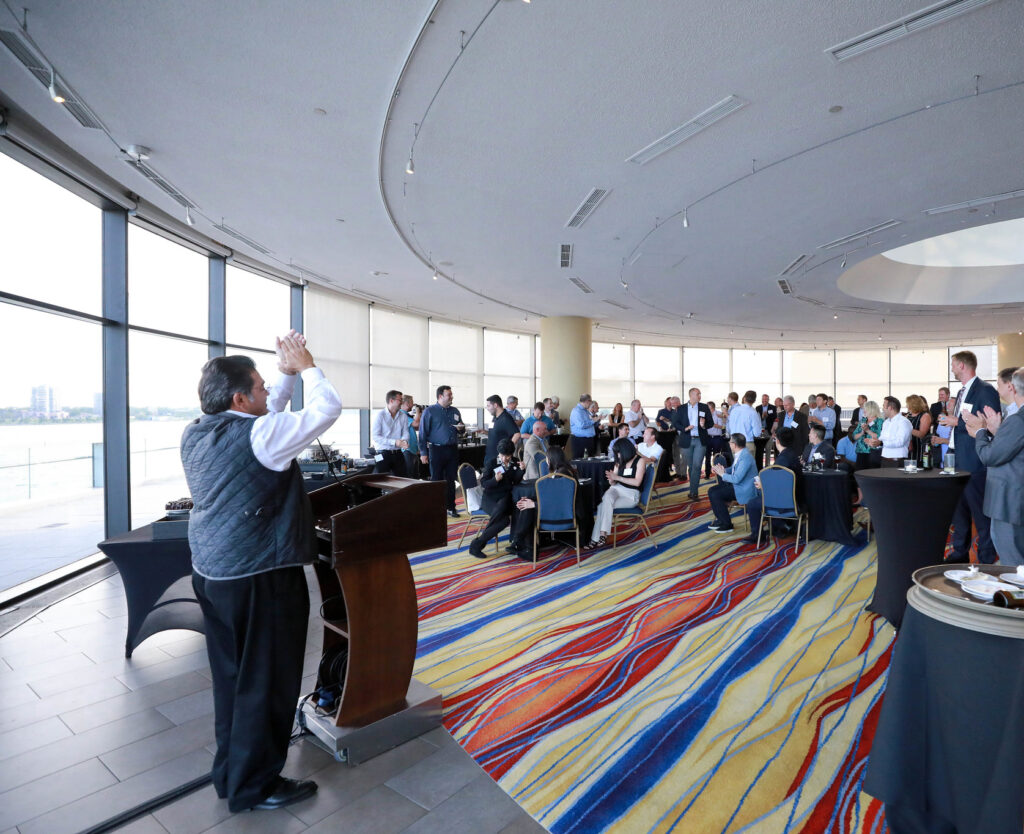
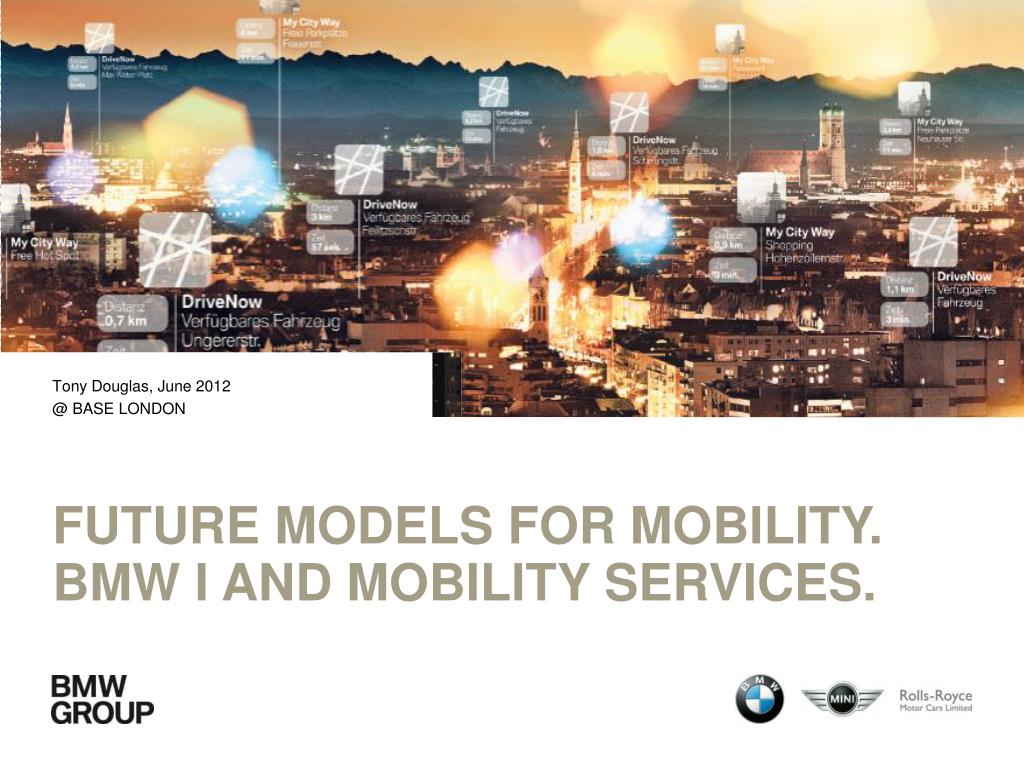
Anthony Vultaggio, a prominent figure in Michigan’s transportation planning and engineering sector, serves as a pivotal leader in the redesign of Detroit’s urban landscape. By 2026, his work—specifically regarding the I-375 transformation—has become the benchmark for integrating smart technology, social equity, and multimodal transit into the city’s long-term mobility future.
Detroit, historically known as the "Motor City," is undergoing a fundamental shift in how it perceives and implements transportation. For decades, the city’s infrastructure prioritized high-speed vehicular throughput over neighborhood connectivity. Today, leaders like Anthony Vultaggio are spearheading a transition toward "mobility," a broader concept that encompasses not just cars, but micro-mobility, autonomous systems, and pedestrian-centric urban design. As we navigate the landscape of 2026, the intersection of Vultaggio’s engineering expertise and the city's technological evolution reveals a blueprint for a modern, connected metropolis.
The Role of Anthony Vultaggio in Detroit’s Transportation Evolution
Anthony Vultaggio’s influence is most visible through his leadership within the Michigan Department of Transportation (MDOT). As a senior project manager and engineer, Vultaggio has been tasked with overseeing some of the most complex infrastructure overhauls in the state’s history. His approach is characterized by a move away from traditional "highway engineering" toward "urban systems management."
In the context of 2026, Vultaggio’s primary focus is the successful execution of the I-375 Reconnecting Communities Project. This initiative is not merely a road construction project; it is a restorative urban planning effort. By replacing a sunken, mile-long freeway with a street-level boulevard, Vultaggio and his team are addressing historical mistakes while preparing the ground for the mobility technologies of the next decade.
Strategic Leadership and Stakeholder Engagement
A significant portion of Vultaggio’s work involves balancing the technical requirements of federal engineering standards with the intense social and economic needs of Detroit’s residents. Mobility in 2026 is no longer defined solely by how many cars can pass through a corridor. Instead, Vultaggio’s leadership emphasizes:
- Intermodal Connectivity: Ensuring that new roadways seamlessly integrate with the QLine, DDOT bus routes, and the Joe Louis Greenway.
- Economic Restoration: Designing infrastructure that encourages local business development along newly created street frontage.
- Public Safety: Implementing "Vision Zero" principles to eliminate traffic fatalities through better signalization and lane geometry.
The I-375 Transformation Project: Reclaiming the Urban Core
The I-375 project is the cornerstone of Detroit’s mobility future. For over 50 years, I-375 acted as a barrier between Downtown Detroit and the historic neighborhoods of Lafayette Park and the Eastern Market. Under the guidance of Anthony Vultaggio, the removal of this barrier represents a fundamental change in the city's structural philosophy.
From Highway to Boulevard: A Multimodal Shift
The transition from a sunken freeway to a street-level boulevard is a complex engineering feat. By 2026, the construction has moved into critical phases that demonstrate the practical benefits of this shift. Unlike the old freeway, which offered no access to the neighborhoods it passed through, the new boulevard features:
- Wide Sidewalks and Integrated Bike Lanes: These are protected from vehicular traffic, encouraging non-motorized transport.
- Greenspace and Buffer Zones: Reducing the "urban heat island" effect and providing aesthetic value to the corridor.
- Future-Proofed Signalization: The installation of fiber-optic backbones and sensors allows for real-time traffic management.
The technical depth of this project is significant. Vultaggio has emphasized the need for a "Complete Streets" approach, which requires the road to serve all users safely. This includes the implementation of transit-signal priority (TSP) for buses, allowing public transportation to move more efficiently through the corridor than private vehicles during peak hours.
Social and Economic Impacts of the Redevelopment
The I-375 project is also a tool for social justice. The original construction of the freeway in the 1960s destroyed the Black Bottom and Paradise Valley neighborhoods—vibrant African American business and residential districts. Vultaggio’s work in 2026 involves ongoing collaboration with the City of Detroit to ensure that the newly available land (roughly 30 acres) is used to benefit the community and honor the history of the area. This includes prioritizing minority-owned businesses and creating inclusive housing opportunities.
Integrating Smart Technology into Detroit’s Roadways
Detroit’s mobility future is inextricably linked to the concept of the "Smart City." While Vultaggio handles the physical infrastructure, his work provides the essential platform for the tech-heavy innovations occurring at places like the Michigan Central Innovation District.
Vehicle-to-Infrastructure (V2I) and 5G Connectivity
One of the most critical aspects of Vultaggio’s engineering strategy is the integration of Vehicle-to-Everything (V2X) technology. In 2026, the new boulevard and surrounding corridors are equipped with Dedicated Short-Range Communications (DSRC) and C-V2X sensors. These allow the infrastructure to communicate directly with modern vehicles to:
- Warn drivers of upcoming pedestrian crossings or road hazards.
- Adjust signal timing based on actual traffic flow rather than pre-set timers.
- Provide data to autonomous shuttle fleets operating in the downtown core.
Supporting the Autonomous Vehicle (AV) Ecosystem
Detroit remains a global hub for automotive R&D. By providing "smart" roads, Vultaggio is ensuring that Detroit remains a viable testing ground for autonomous vehicles. The infrastructure built today is designed to handle the precision required by AVs, including high-contrast lane markings and standardized signage that is easily readable by machine-vision systems. This synergy between physical civil engineering and digital software is what defines the "Detroit Model" of 2026.
The Michigan Central Innovation District and the Mobility Future
The work led by Anthony Vultaggio does not exist in a vacuum. It is part of a larger ecosystem that includes the Michigan Central project in Corktown. As of 2026, Michigan Central has fully matured into a global mobility hub, where Ford Motor Company, Google, and various startups collaborate on the future of transit.
Vultaggio’s role in ensuring the corridors connecting Downtown to Corktown are efficient and tech-ready is vital. The mobility future requires a "mesh" network of transit options. For example, a commuter might arrive at the Michigan Central station via a regional rail or bus line and then use a micro-mobility option (like an e-scooter or bike-share) to travel via the Joe Louis Greenway—a path facilitated by Vultaggio’s infrastructure projects—to reach their final destination in the Eastern Market.
Challenges and Practical Considerations in Modernizing Detroit’s Infrastructure
Despite the progress seen in 2026, Vultaggio and other city planners face significant hurdles. Infrastructure modernization is an expensive and disruptive process.
Environmental Sustainability and Green Infrastructure
A primary concern in 2026 is the management of stormwater runoff. Traditional highways contribute significantly to urban flooding due to vast expanses of non-porous asphalt. Vultaggio’s designs for the I-375 boulevard incorporate "Green Stormwater Infrastructure" (GSI). This includes:
- Bioswales: Natural drainage areas that filter pollutants from rainwater.
- Permeable Pavement: Allowing water to soak through the surface into the soil.
- Expanded Canopy: Planting native trees to manage water and improve air quality.
Comparison of Traditional vs. Modern Mobility Infrastructure
| Feature | 20th Century Highway Model | 2026 Mobility Boulevard (Vultaggio Era) |
|---|---|---|
| Primary Goal | Maximize vehicular speed | Optimize multi-modal flow and access |
| Tech Integration | None (Static signage) | High (V2X, 5G, Smart Signals) |
| Neighborhood Impact | Division/Isolation | Reconnection/Integration |
| Transit Options | Personal Vehicles Only | Pedestrian, Bike, Transit, AV, Micro-mobility |
| Drainage | Piped Sewers (High Runoff) | Green Infrastructure (Low Runoff) |
| Economic Use | Marginal Land (Fences/Gaps) | High-Value Development Frontage |
Troubleshooting the Transition: Common Roadblocks
Modernizing a city like Detroit isn't without its technical and public relations challenges. Anthony Vultaggio often has to address:
- Construction Fatigue: Large-scale projects like the I-375 conversion cause years of detours. Effective communication regarding timelines and alternative routes is essential.
- Funding Gaps: While the Bipartisan Infrastructure Law provided initial capital, long-term maintenance of high-tech sensors and green spaces requires sustainable local funding models.
- Technology Obsolescence: Engineering infrastructure that will last 50 years while incorporating digital technology that changes every 5 years requires a modular approach to hardware installation.
FAQs about Anthony Vultaggio and Detroit’s Mobility Future
What is Anthony Vultaggio’s specific role in Detroit's mobility?
Anthony Vultaggio is a lead engineer and project manager, primarily associated with the Michigan Department of Transportation (MDOT). He is responsible for the design, planning, and execution of major infrastructure projects that define Detroit’s transit future, most notably the I-375 Reconnecting Communities project.
Why is the I-375 project considered a "mobility" project rather than just a road project?
It is considered a mobility project because it shifts the focus from moving cars to moving people. It incorporates dedicated lanes for public transit and cyclists, uses smart-city technology for traffic management, and reclaims land for pedestrian-friendly urban development, which are all hallmarks of modern mobility.
How does Detroit’s mobility plan handle autonomous vehicles?
The infrastructure being built in 2026 includes "smart" components like C-V2X sensors and high-definition lane markings. These allow autonomous vehicles to "talk" to the road and other vehicles, making the city a safer and more efficient environment for AV testing and deployment.
Is the I-375 transformation finished by 2026?
By 2026, the project is in its most active phase of physical transformation. While certain segments are operational, the full integration of the boulevard and the surrounding development is an ongoing process that serves as the centerpiece of Detroit’s current urban strategy.
How can residents participate in the mobility changes?
MDOT and the City of Detroit hold regular public meetings and engagement sessions. Anthony Vultaggio and his team rely on community feedback to adjust designs for pedestrian crossings, park placements, and historical markers along the new corridors.
What are the environmental benefits of these changes?
The shift reduces the carbon footprint by encouraging non-motorized travel and public transit. Additionally, the replacement of concrete highways with green boulevards helps manage stormwater more effectively and reduces the urban heat island effect through increased vegetation and tree canopies.
Practical Recommendations for Residents and Stakeholders
As Detroit continues to evolve under the leadership of figures like Anthony Vultaggio, those living and working in the city should take specific actions to adapt to the mobility future:
- Utilize the Detroit Department of Transportation (DDOT) Mobile Apps: In 2026, real-time tracking and payment are integrated across bus and micro-mobility platforms.
- Monitor MDOT Construction Updates: Stay informed about the I-375 progress via the official MDOT portal to navigate detours effectively.
- Invest in "Smart" Home/Business Tech: For those living near the new corridors, ensuring your own digital connectivity is up to date will allow you to better interact with the smart services being deployed in the public square.
The work of Anthony Vultaggio represents more than just engineering; it is a vital component of Detroit’s identity in 2026. By turning barriers into bridges, the city is reclaiming its title as a global leader in transportation innovation.