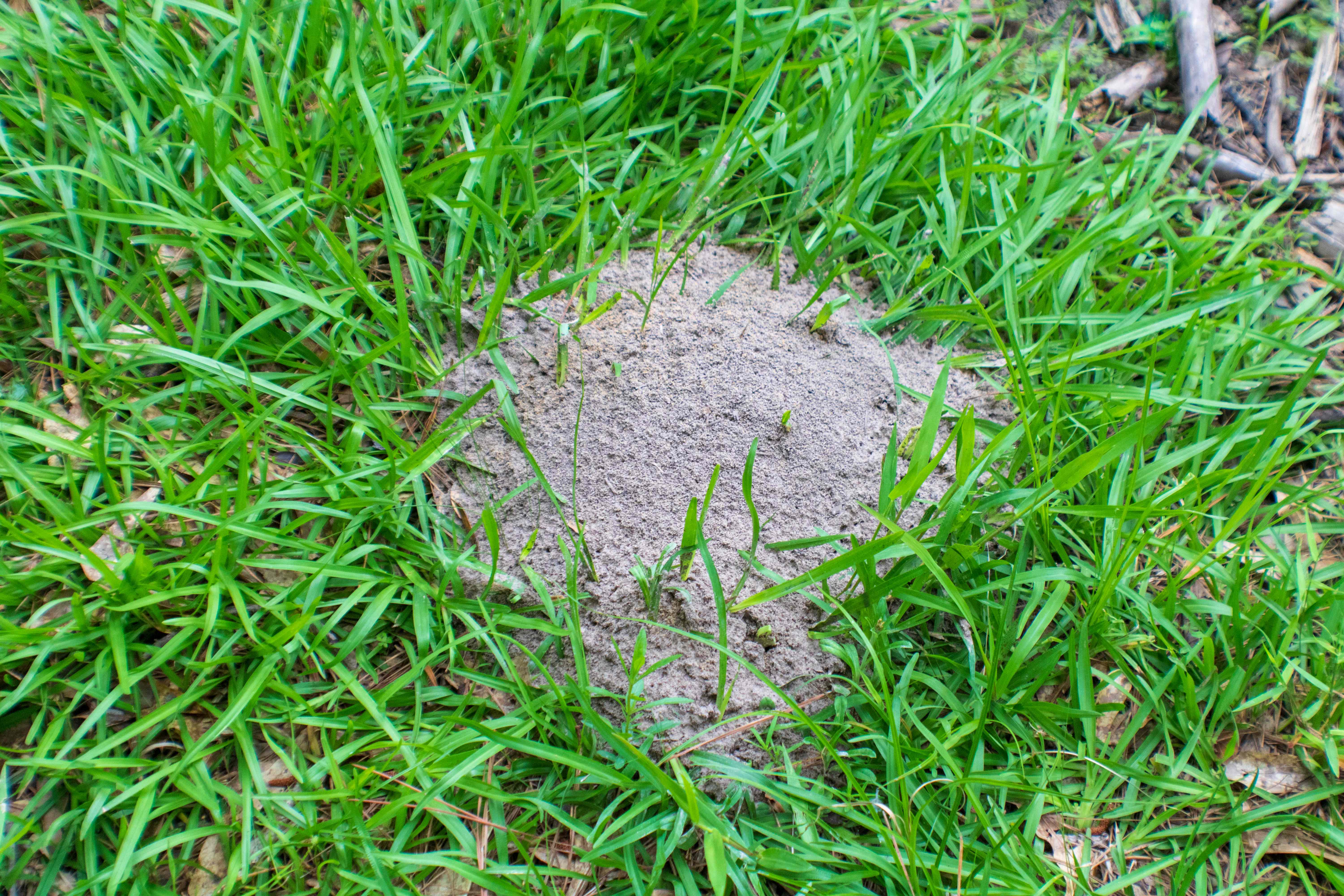
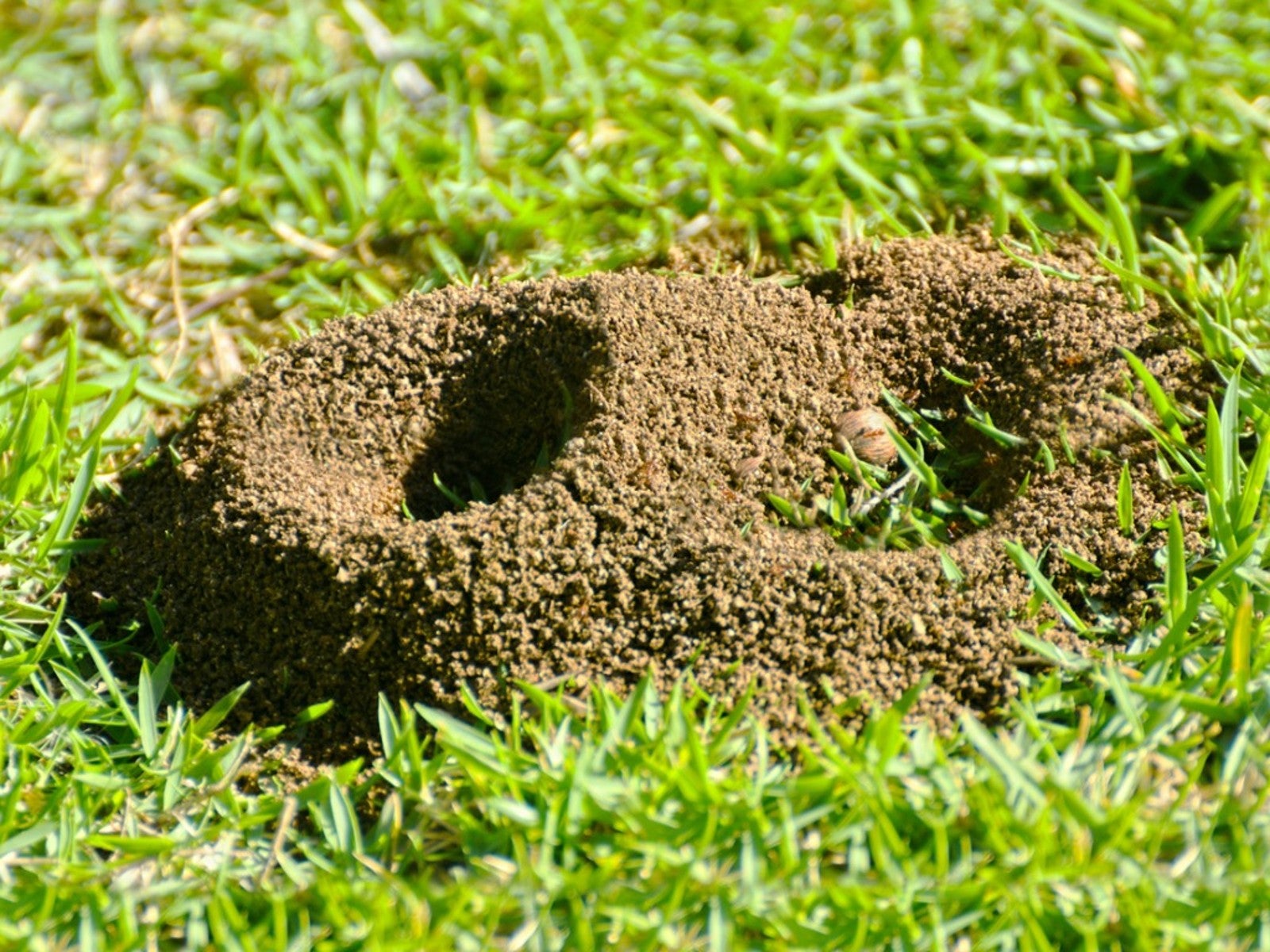
Ant hills in your yard are physical indicators of complex subterranean tunnel networks created by ant colonies to regulate temperature, humidity, and food storage. While these mounds are a natural part of an ecosystem, they can cause soil displacement, damage turf health, and interfere with lawn maintenance. Effectively managing these structures requires identifying the species, assessing the localized impact, and selecting a strategy that balances immediate remediation with long-term prevention.
Identifying the Scope of Ant Activity
Before attempting to eliminate ant hills, it is essential to distinguish between localized nuisance and structural or ecological threats. Most ants found in residential lawns are native species that perform beneficial services, such as soil aeration and the predation of smaller, more destructive insects.
A mound is essentially the debris removed from the tunnel system below. The size, shape, and distribution of these hills can provide clues about the species involved:
- Volcano-shaped mounds: Often associated with pavement ants or various field ant species; these are common in exposed soil or near driveways.
- Soft, cratered soil: Frequently seen with turf-dwelling ants that are relatively non-aggressive but can kill patches of grass by exposing roots to air.
- Large, hardened mounds: Characteristic of fire ants, which are aggressive and pose a health risk due to their venomous sting.
If you are dealing with fire ants, your approach must prioritize safety, as these colonies react aggressively to vibrations or touch. For common garden ants, the goal is typically focused on aesthetic lawn maintenance and preventing the mound from smothering grass blades.
Assessing the Ecological and Structural Impact
The presence of an ant hill is rarely a sign of imminent home structural failure, but it does signal a high population density of insects in your yard. The primary damage caused by ants in a yard is not the consumption of plants—most common ants do not eat grass—but rather the mechanical disruption of the soil.
When ants tunnel, they move loose, fine-textured soil to the surface. This can lead to:
- Turf Stress: The concentrated pile of soil covers the leaves of grass blades, blocking photosynthesis and eventually killing the grass beneath the mound.
- Uneven Terrain: Over time, consistent tunneling creates bumps and depressions that interfere with lawn mowers, potentially damaging the deck or leading to uneven cuts.
- Root Exposure: In dry conditions, the subterranean tunnels can cause the soil to lose moisture too quickly, leaving grass roots vulnerable to drought stress.
Strategies for Management and Removal
Management strategies generally fall into two categories: cultural lawn maintenance and targeted intervention. For most homeowners, a combination of both is the most sustainable approach.
Cultural Practices
Cultural practices focus on making your lawn a less desirable habitat for colony expansion.
- Mowing Height: Maintaining a slightly higher mowing height helps shade the soil, keeping it cooler and more humid, which may discourage species that prefer hot, dry, exposed soil.
- Irrigation Management: Deep, infrequent watering is generally better for grass health than frequent, shallow sprinkling. Shallow watering encourages surface-level tunneling, which can lead to more frequent hill formation.
- Dethatching: Ants often use layers of thatch (organic buildup) as cover. Regular aeration and dethatching can remove these ideal nesting environments.
Targeted Intervention
If cultural changes fail to yield results, or if the ant activity is aggressive, chemical or biological intervention may be necessary.
| Method | Best Use Case | Operational Note |
|---|---|---|
| Bait Stations | General infestations | Effective for long-term reduction; colony members carry toxins back to the queen. |
| Granular Insecticides | Broad-area protection | Applied to the entire lawn; useful for high-activity zones. |
| Individual Mound Drenches | Specific, isolated hills | Direct liquid application to the mound; provides immediate results. |
| Biological Controls | Sensitive environments | Using beneficial nematodes or fungi to naturally reduce ant populations. |
When selecting a product, verify that it is labeled for outdoor, residential lawn use. In 2026, many state environmental agencies emphasize the use of "target-specific" baits rather than broad-spectrum sprays, which can inadvertently harm beneficial pollinators like bees or predatory insects that help keep other pests in check. Always check your local Department of Agriculture or University Extension guidelines regarding the legal use of pesticides in your specific jurisdiction.
Important Safety and Environmental Considerations
Before applying any chemical intervention, consider the following safety protocols to protect yourself, your family, and your local environment:
- Personal Protective Equipment (PPE): Even for over-the-counter products, wear gloves and closed-toe shoes. If you are dealing with aggressive species like fire ants, ensure your legs are protected to prevent stings.
- Water Safety: Be mindful of runoff. Avoid applying treatments immediately before a heavy rain forecast, as the chemicals may wash into storm drains or local water tables rather than staying in the soil where they are needed.
- Pet and Wildlife Protection: Keep pets and children away from treated areas for the duration specified on the product label. Different products have varying "re-entry intervals," which is the amount of time that must pass before it is safe to walk on the treated surface.
- Pollinator Awareness: If your lawn has clover or other flowering weeds, identify them before spraying. Some insecticides are toxic to bees, which may be foraging on these flowers.
Troubleshooting Persistent Infestations
If you have applied baits and cultural controls but the ant hills reappear, you may be facing a "satellite" colony situation. Many ant species maintain a primary queen and several sub-nests. Destroying one mound may simply cause the colony to move a few feet away.
In cases of persistent, widespread infestation, consider these steps:
- Professional Assessment: A licensed pest control professional can perform a baiting program that is often more effective than consumer-grade products because they can identify the specific species and their foraging patterns.
- Soil Testing: Sometimes, the soil chemistry itself is the issue. If your soil pH is unbalanced, it may be supporting vegetation that is uniquely attractive to certain ant species. A standard soil test from a local cooperative extension can determine if a soil amendment is needed to improve turf density, which naturally suppresses ant activity.
- Monitor for Secondary Pests: Sometimes ants are present because they are "farming" aphids or scale insects on nearby trees or shrubs. These ants are harvesting the honeydew produced by the sap-sucking insects. If you see ants trailing up to a tree, the real issue might be the aphids, not the mounds in the grass.
Frequently Asked Questions
Does stomping on ant hills make them go away? No. Stomping or kicking an ant hill will destroy the entrance, but it does nothing to the underground queen or the deep tunnel network. In fact, it often irritates the colony, causing them to move the entrance to a different location or become more aggressive.
Are all ant hills in a yard harmful to my lawn? Not necessarily. Many native ants are beneficial soil aerators. If the mounds are small and the turf is healthy, the "harm" is largely aesthetic. Only when the mounds become large enough to damage mowers or kill large patches of grass do they usually require active control.
Can I use boiling water to kill ants? Boiling water is a common DIY method that can destroy the surface colony. However, it is difficult to reach the entire nest, and it will kill the grass it touches. It is generally not recommended for large-scale infestations because it is labor-intensive and has a high risk of causing thermal damage to the surrounding lawn.
How do I know if I have fire ants? Fire ants create distinct, mounds without a central opening. They are highly aggressive; if you lightly disturb the mound with a stick, they will swarm the object immediately. If you suspect fire ants, wear protective clothing and avoid direct contact.
Is it necessary to use pesticides for ants? Pesticides are not always necessary. If you can tolerate a few mounds, the best approach is to simply rake the soil flat to level the lawn and maintain your mowing and fertilization schedule to keep the turf thick and competitive.
Final Recommendation
For most homeowners, the best course of action is to start with a "do no harm" policy. If the ant hills are sparse and not causing structural damage, leveling the mounds with a rake is a sufficient, non-toxic response. If the population is disrupting your lawn's health or causing a safety risk, prioritize the use of targeted, slow-acting baits that allow the workers to carry the treatment back to the queen. Always prioritize the health of the surrounding ecosystem by following label instructions regarding application rates and environmental safety.